
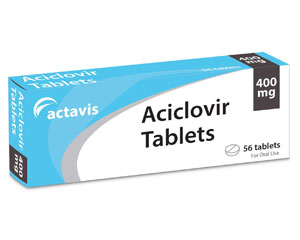
Aciclovir
View Options
This website provides general information about medicines for educational purposes only. Always consult your doctor or pharmacist before taking any medication.
Choose Your Medicine
Select dosage and quantity
Online Consultation
Reviewed by a qualified physician
Fast, Discreet Delivery
Delivered to your door
Medical Information
About This Medicine
Aciclovir is an antiviral medicine used to treat and prevent infections caused by herpes viruses, including herpes simplex (cold sores and genital herpes), herpes zoster (shingles), and varicella zoster (chickenpox). It is one of the most widely prescribed antiviral medications in the UK and has been in clinical use for several decades, with a well-established safety and efficacy profile across a broad range of patient groups.
How Aciclovir Works
Aciclovir works by selectively targeting cells infected with herpes viruses. Once inside an infected cell, it is converted into an active form that blocks a key viral enzyme called DNA polymerase. This prevents the virus from replicating its genetic material, stopping the infection from spreading to new cells. Because this activation process depends on an enzyme found only in virus-infected cells, aciclovir acts selectively without causing significant harm to healthy human cells.
Conditions Treated
Aciclovir tablets and capsules are used to treat a range of herpes virus infections. For herpes simplex labialis (cold sores) and herpes simplex genitalis (genital herpes), it reduces the severity and duration of outbreaks when started promptly at the first sign of symptoms. It is also used as long-term suppressive therapy for people who experience frequent recurrences, significantly reducing outbreak frequency. For herpes zoster (shingles), aciclovir helps reduce pain, accelerates healing of the skin rash, and may lower the risk of post-herpetic neuralgia when treatment begins within 72 hours of rash onset.
Who Benefits from Aciclovir
Aciclovir is suitable for adults and children, though dosage varies by age, indication, and severity of infection. People with a healthy immune system who experience occasional outbreaks may use short courses, while immunocompromised patients, such as those undergoing chemotherapy or organ transplantation, often require higher doses or intravenous treatment. It is particularly important for this group, as herpes infections can become severe and life-threatening without prompt antiviral intervention. Pregnant women with primary genital herpes near delivery may also be considered for aciclovir treatment under specialist supervision, to reduce the risk of neonatal herpes.
Usage & Dosage
Starting Treatment Early
Aciclovir is most effective when started as early as possible, ideally at the first sign of an outbreak (tingling, itching, or burning before blisters appear). For genital herpes and cold sores, treatment should begin within 24 to 48 hours of symptom onset. For shingles, starting within 72 hours of the rash appearing gives the greatest clinical benefit.
Tablets should be swallowed whole with a full glass of water. They may be taken with or without food, though taking them with food may help reduce nausea. Consistent dosing intervals are important, as aciclovir has a relatively short half-life and must be taken multiple times daily to maintain effective blood levels.
Missed Dose and Course Completion
If you miss a dose, take it as soon as you remember. If it is nearly time for your next dose, skip the missed dose and continue as normal. Never take a double dose. Complete the full prescribed course even if symptoms improve before the course is finished. For suppressive therapy, take aciclovir at the same times each day to maintain steady blood levels and maximise protection against recurrences.
Dosage varies depending on the indication, the patient's age, and renal function.
For herpes simplex treatment in adults: 200mg five times daily (every four hours while awake) for five days, or 400mg three times daily as an alternative regimen. For suppressive therapy in adults: 400mg twice daily, or 200mg two to four times daily.
For herpes zoster (shingles) in adults: 800mg five times daily for seven days, ideally started within 72 hours of rash onset.
For varicella (chickenpox) in adults: 800mg five times daily for five days.
Renal impairment: Aciclovir is renally cleared, and dose reduction is essential in patients with reduced kidney function. For a creatinine clearance below 25 mL/min, reduce the frequency or dose as directed. For creatinine clearance below 10 mL/min, significant reductions are required and specialist guidance should be sought.
Elderly patients may have reduced renal function and should have their dose adjusted accordingly, with adequate hydration maintained throughout treatment. Children's doses are weight-based and should be calculated by a clinician.
Side Effects
Common Side Effects
Most people tolerate aciclovir well. The following side effects occur in some patients but are generally mild and resolve without treatment:
- Nausea or stomach upset, particularly if tablets are taken on an empty stomach
- Headache, which is usually mild and transient
- Dizziness or light-headedness
- Fatigue or general tiredness
- Diarrhoea or abdominal discomfort
- Skin rash or photosensitivity (increased sensitivity to sunlight)
- Itching at the site of herpes lesions during treatment
Serious Side Effects
Although rare, some patients experience more serious reactions that require prompt medical attention. Contact your doctor or seek emergency care if you notice:
- Neurological symptoms such as confusion, hallucinations, agitation, tremor, or seizures, particularly in patients with renal impairment or those receiving high doses
- Acute kidney injury, indicated by a significant reduction in urine output, swelling of the ankles, or unexplained fatigue
- Severe allergic reaction with hives, swelling of the face, throat, lips, or difficulty breathing
- Unusual bruising, blood in urine, or signs of haemolytic uraemic syndrome (rare but serious blood disorder)
Patients with pre-existing renal impairment and elderly patients are at higher risk of neurological side effects and should be monitored closely. Ensure adequate fluid intake during treatment to reduce the risk of crystalluria and renal complications.
Warnings & Precautions
Drug Interactions and Precautions
Aciclovir may interact with several other medicines. Probenecid and cimetidine can reduce the renal clearance of aciclovir, increasing blood levels and the potential for toxicity. Concurrent use with other nephrotoxic drugs, such as aminoglycoside antibiotics or ciclosporin, increases the risk of kidney damage. Mycophenolate mofetil levels may be increased when taken alongside aciclovir. Always inform your prescriber of all medicines, supplements, and herbal products you are taking.
Pregnancy, Breastfeeding, and Special Populations
Aciclovir is not routinely recommended during pregnancy unless the clinical benefits clearly outweigh the risks. Registry data have not identified a significant increase in birth defects among women who took aciclovir during pregnancy, but its use should be under specialist supervision. Small amounts of aciclovir pass into breast milk; its use during breastfeeding should be discussed with a doctor, though short courses are generally considered low risk.
Patients with renal impairment must have their dose reduced and should maintain good hydration throughout the course. Aciclovir is not known to impair driving ability in most patients, though individuals who experience dizziness, confusion, or drowsiness should refrain from driving or operating heavy machinery until these effects resolve. Alcohol does not directly interact with aciclovir but may worsen dehydration and immune function, potentially prolonging recovery.
Contraindications
Aciclovir is contraindicated or should be used with caution in the following situations:
- Known hypersensitivity or allergy to aciclovir, valaciclovir, or any component of the formulation
- Severe renal impairment without appropriate dose adjustment
- Patients who are dehydrated or unable to maintain adequate fluid intake without medical supervision
- Use with other nephrotoxic medicines without careful monitoring
- Patients with neurological conditions requiring careful assessment before use at high doses
- Concurrent use with live attenuated viral vaccines (aciclovir may reduce vaccine efficacy)
- Patients with rare hereditary problems of galactose intolerance, total lactase deficiency, or glucose-galactose malabsorption (relevant to certain tablet formulations containing lactose)
- Neonates should only receive aciclovir under specialist hospital supervision
- Immunocompromised patients with suspected aciclovir-resistant herpes strains require specialist management
Frequently Asked Questions
How quickly does aciclovir work for cold sores and genital herpes?
Can I take aciclovir every day to prevent herpes outbreaks?
Is aciclovir safe to take if I am pregnant?
What should I do if I miss a dose of aciclovir?
Does aciclovir cure herpes completely?
Dr. Ross Elledge
General Practitioner · General & Family Medicine
Verified Healthcare Professional
TopDoctors Profile