Asthma & COPD Treatments
Asthma affects 5.4 million people in the UK, while COPD impacts over 1.2 million. Inhaled medications are the cornerstone of treatment, providing both quick relief and long-term control. Repeat prescriptions can be conveniently managed through online consultations.
Reliever inhalers (e.g. salbutamol) provide quick symptom relief
Preventer inhalers reduce inflammation and prevent attacks
Combination inhalers offer both relief and prevention in one device
Regular reviews ensure your treatment plan stays effective

Cialis
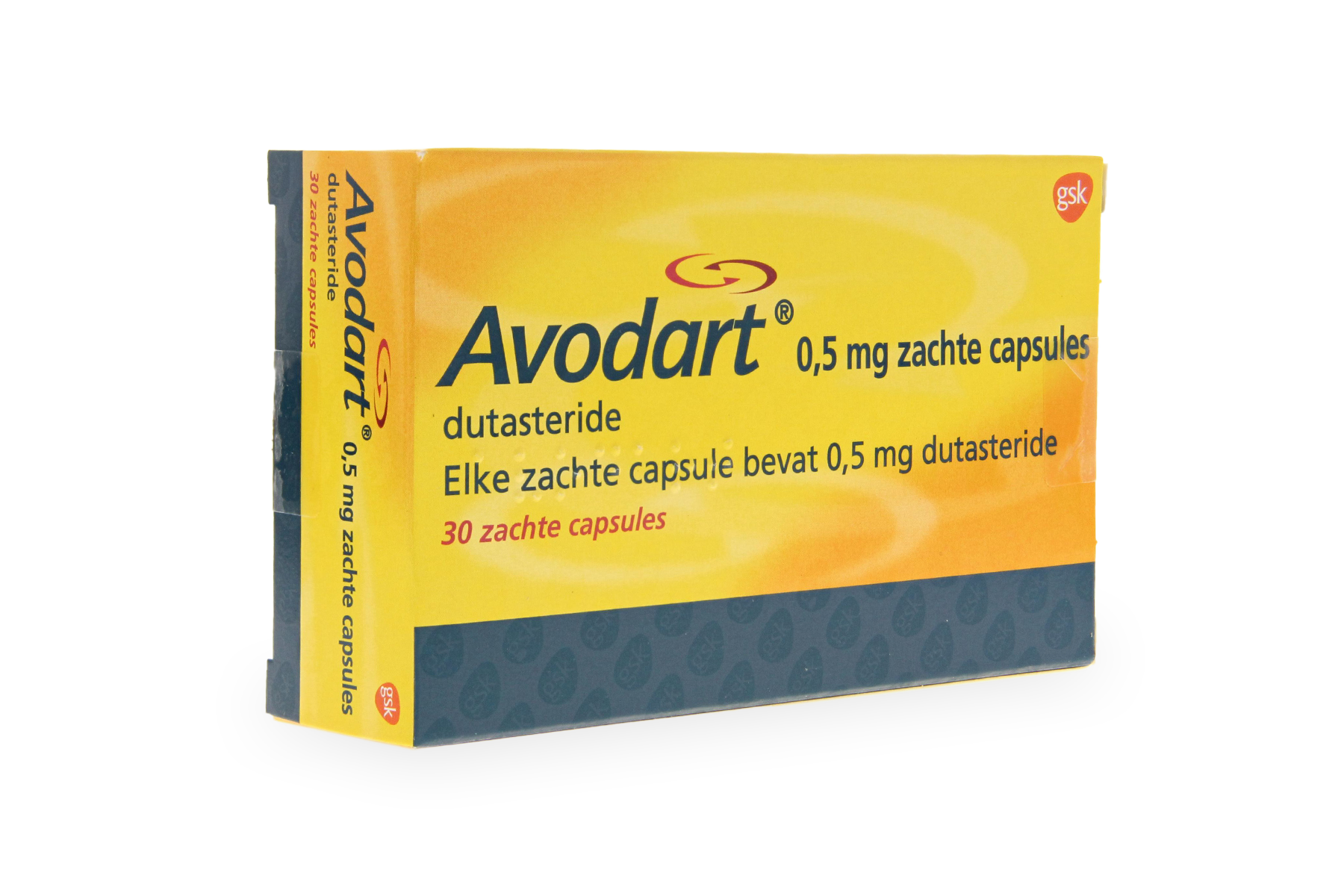
Avodart
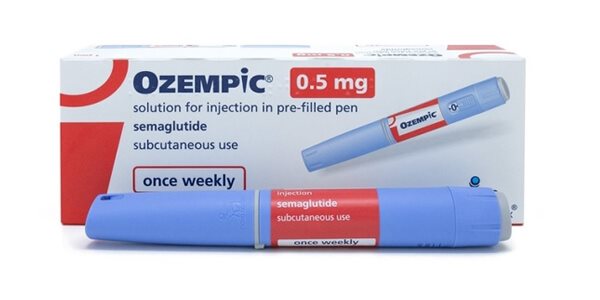
Ozempic

Nuvaring
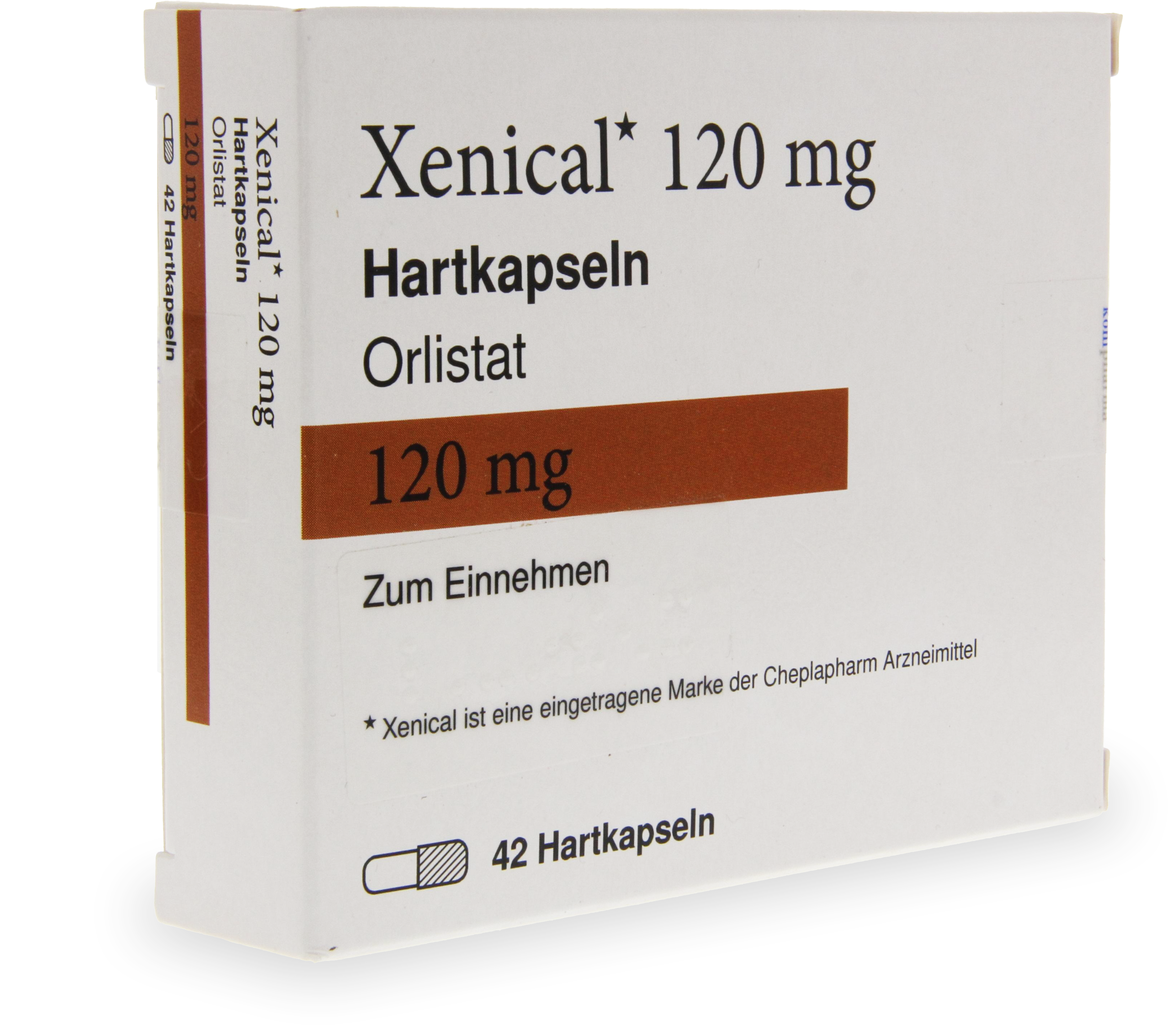
Xenical
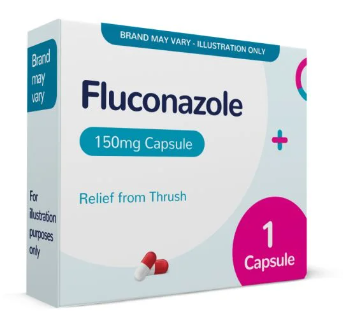
Fluconazole
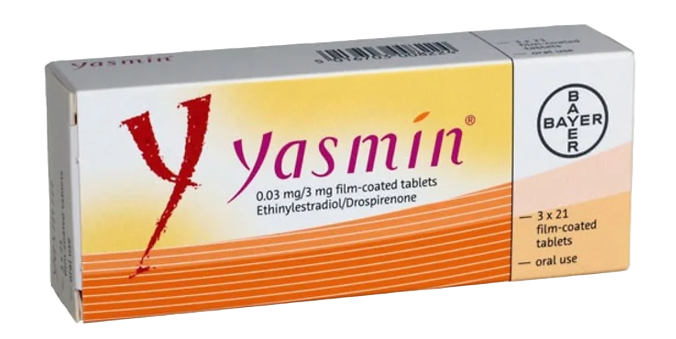
Yasmin
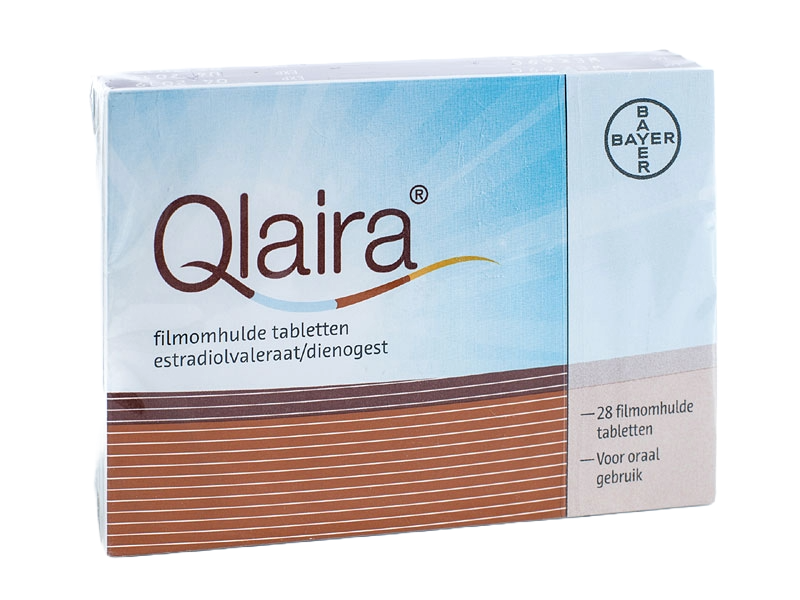
Qlaira
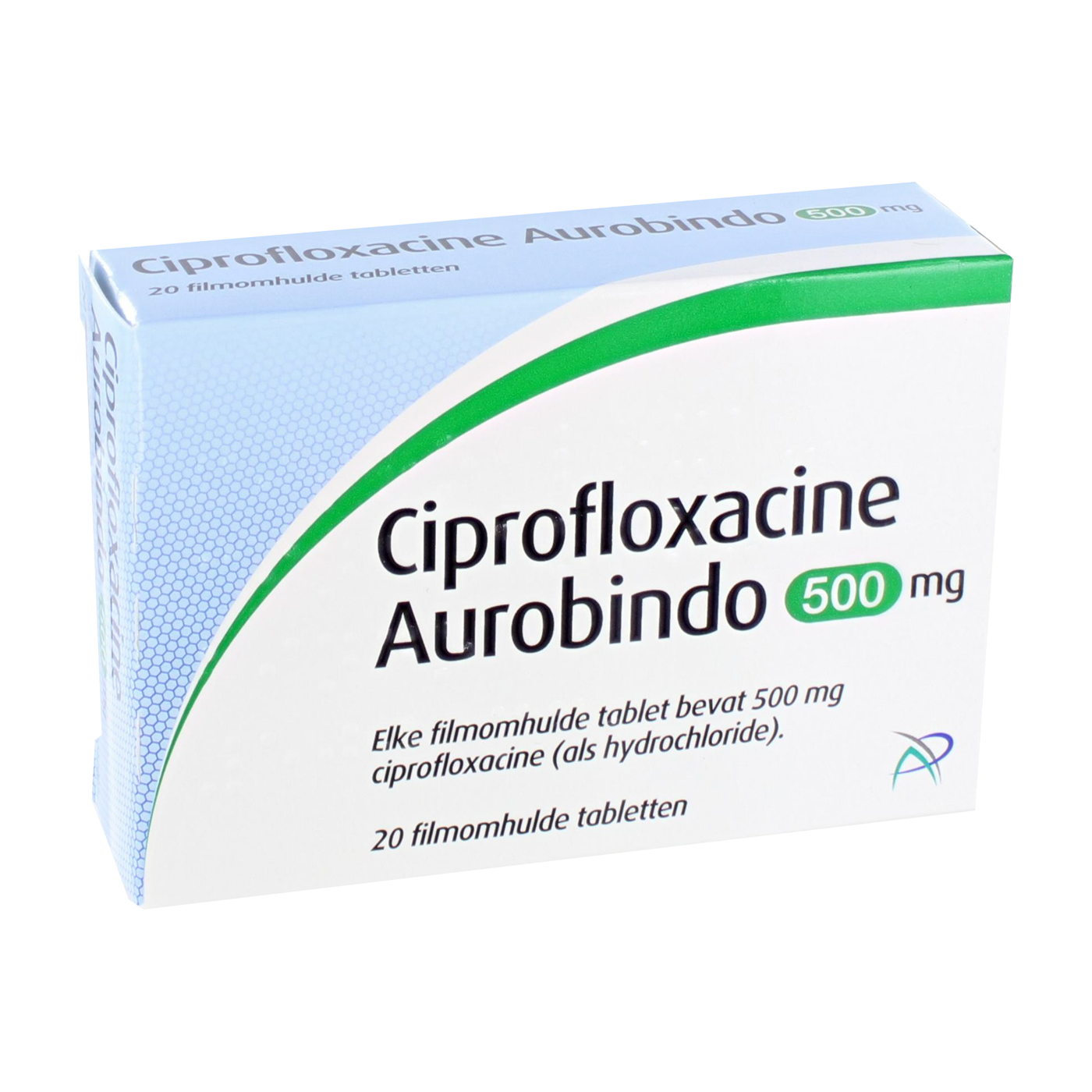
Ciprofloxacin
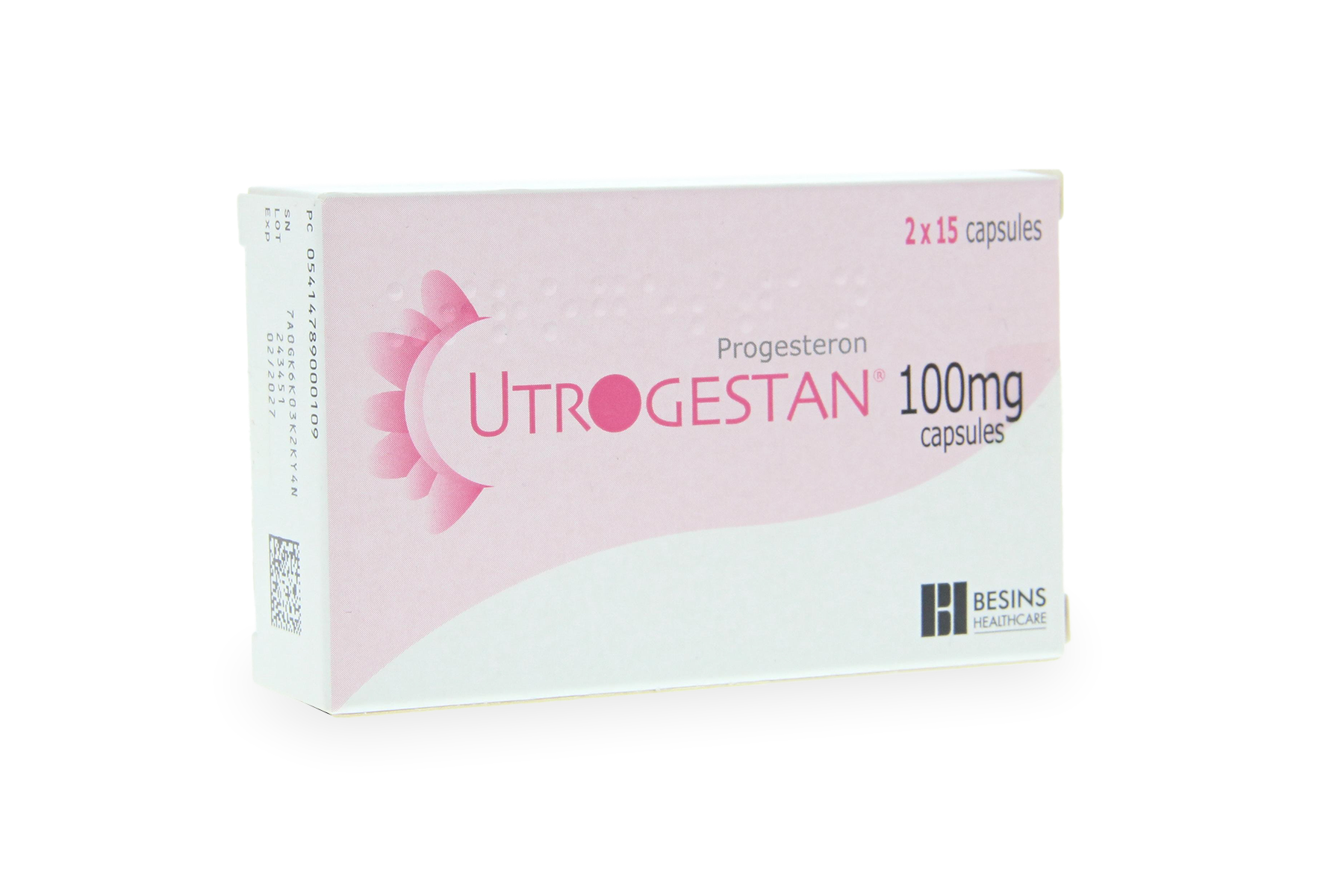
Utrogestan
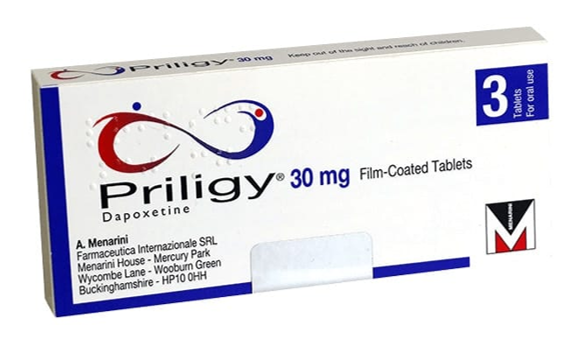
Priligy
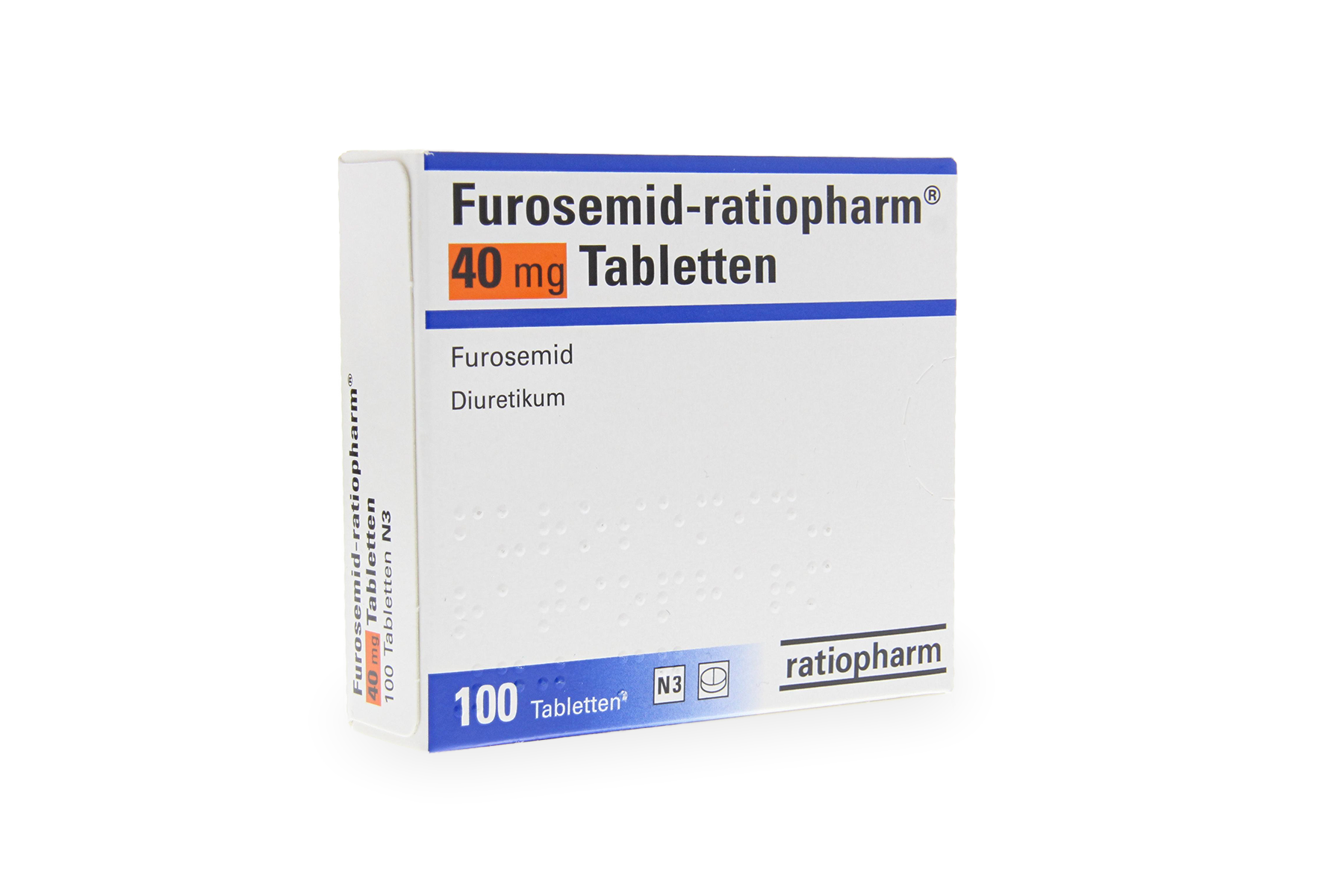
Furosemide
Omeprazole
Pantoprazole

Sildenafil
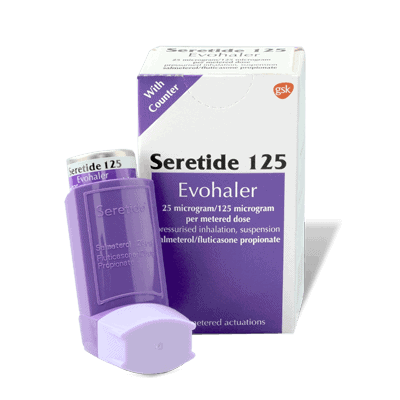
Seretide
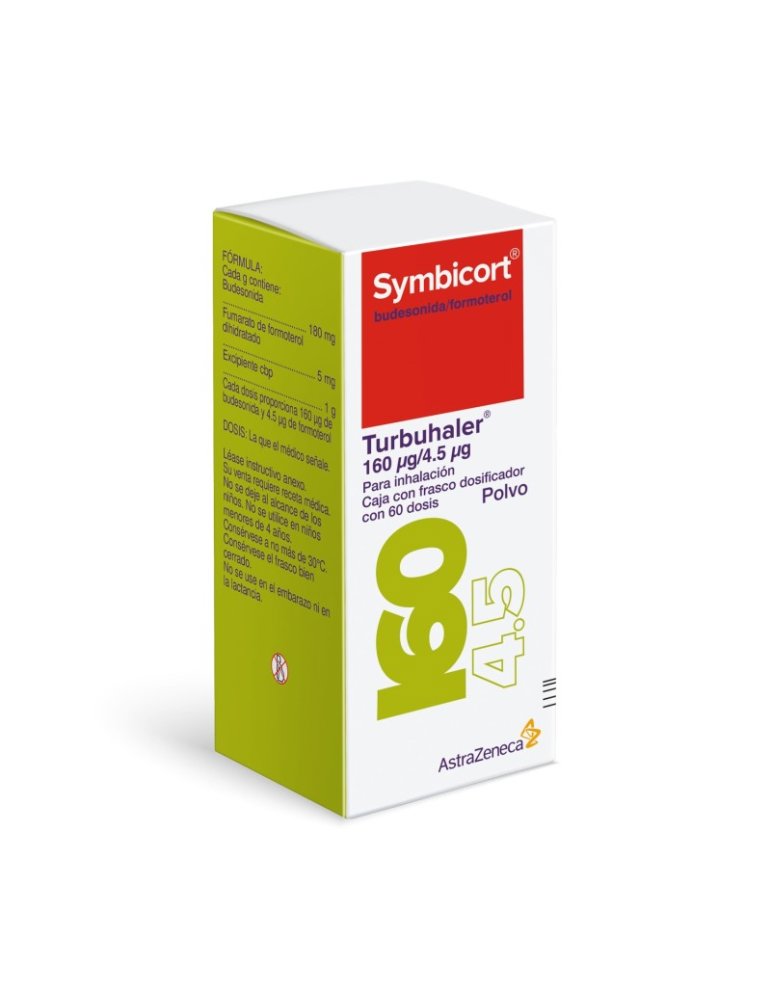
Symbicort Turbuhaler
Sumatriptan
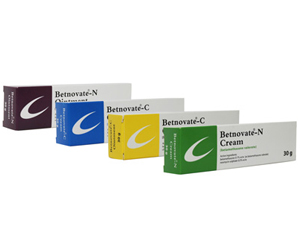
Betnovate
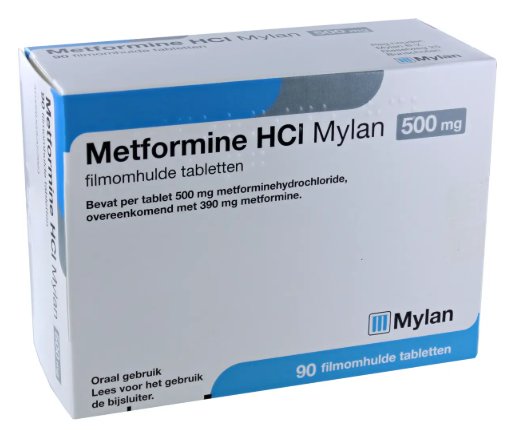
Metformin
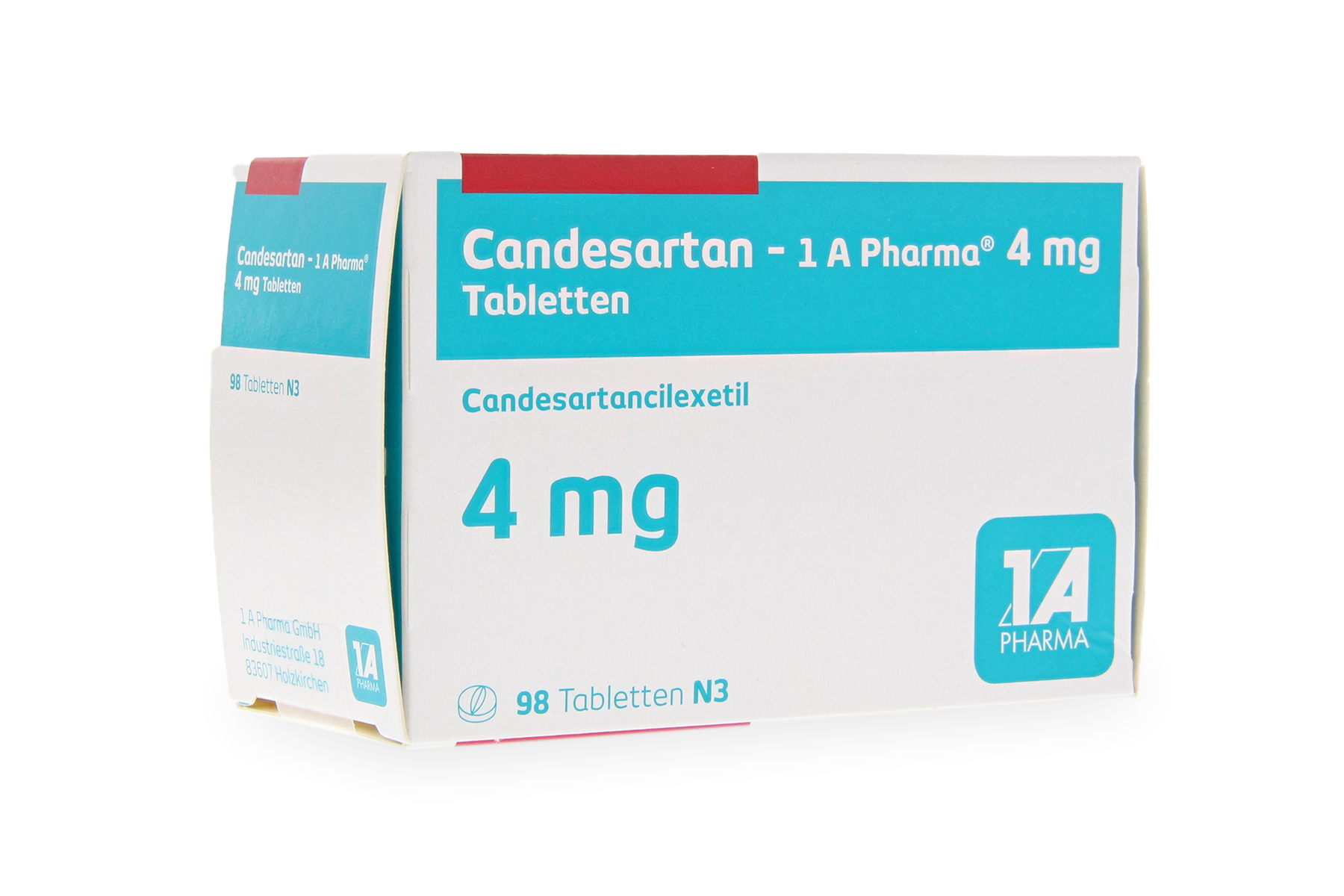
Candesartan
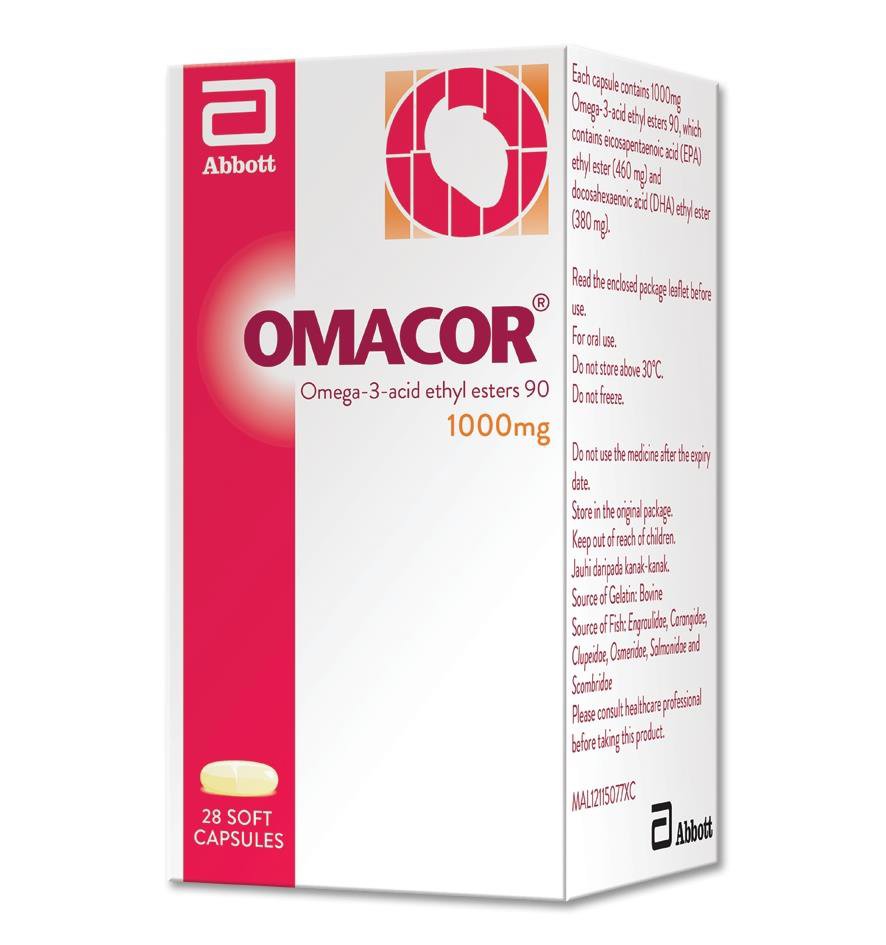
Omacor
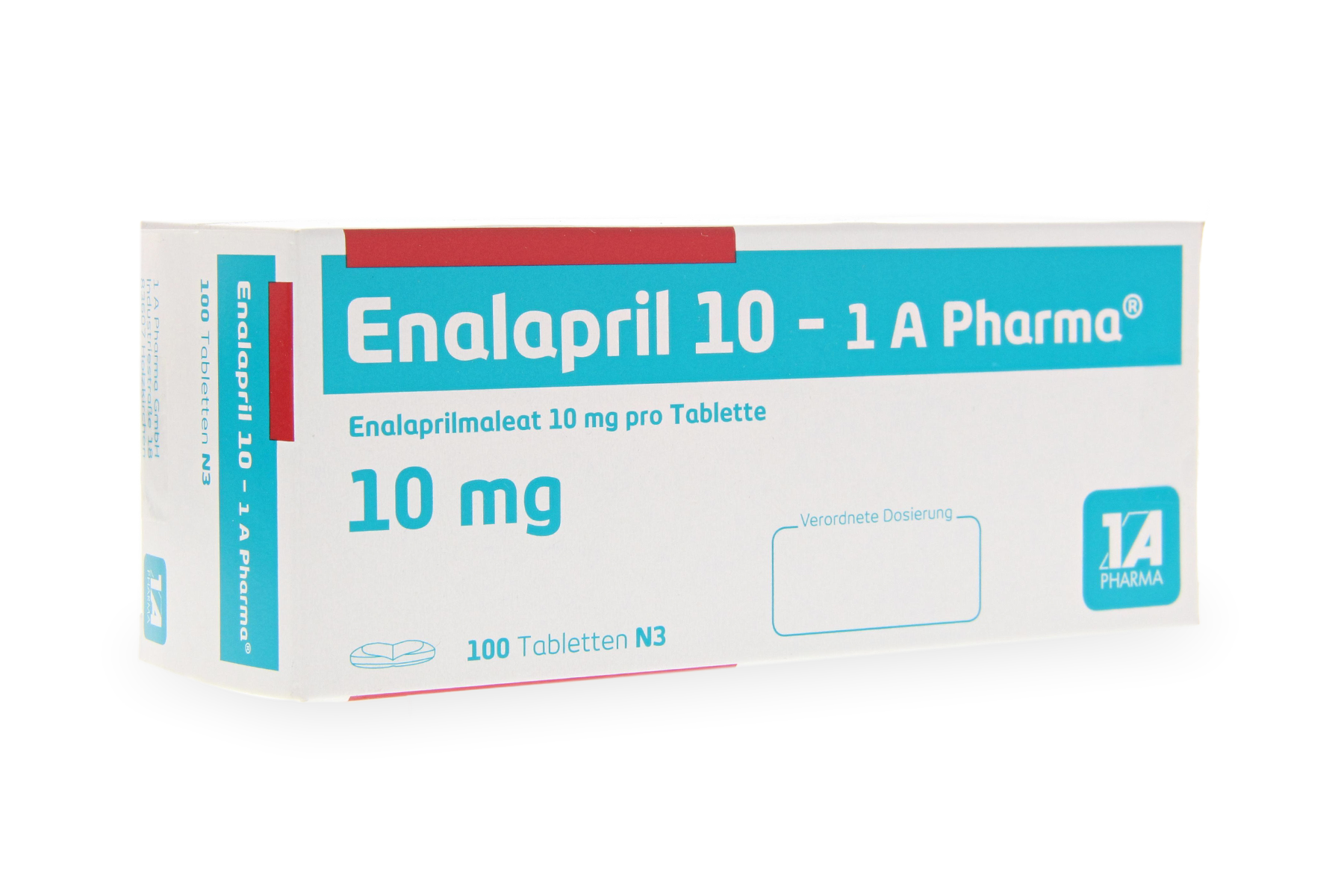
Enalapril
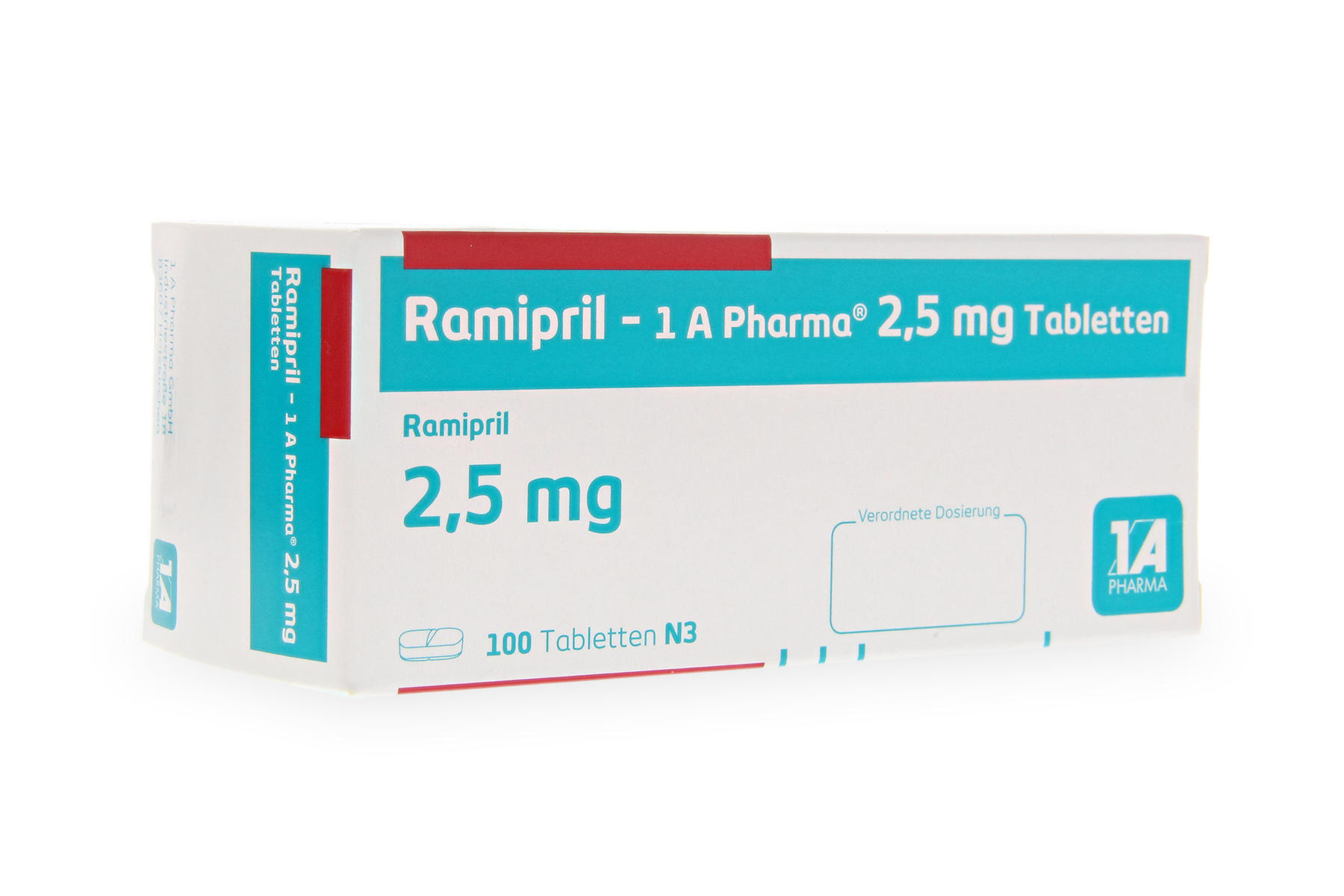
Ramipril
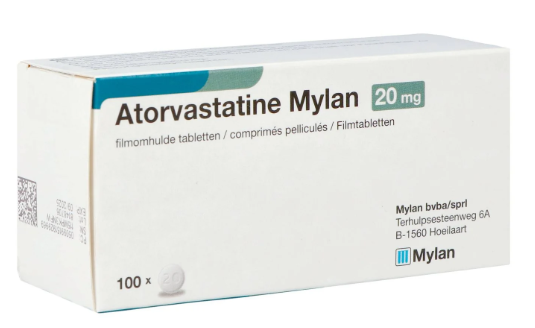
Atorvastatin
Dymista
Mirvaso

Spedra
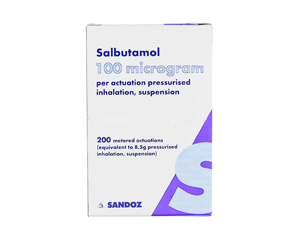
Salbutamol
Orlistat
Vagifem
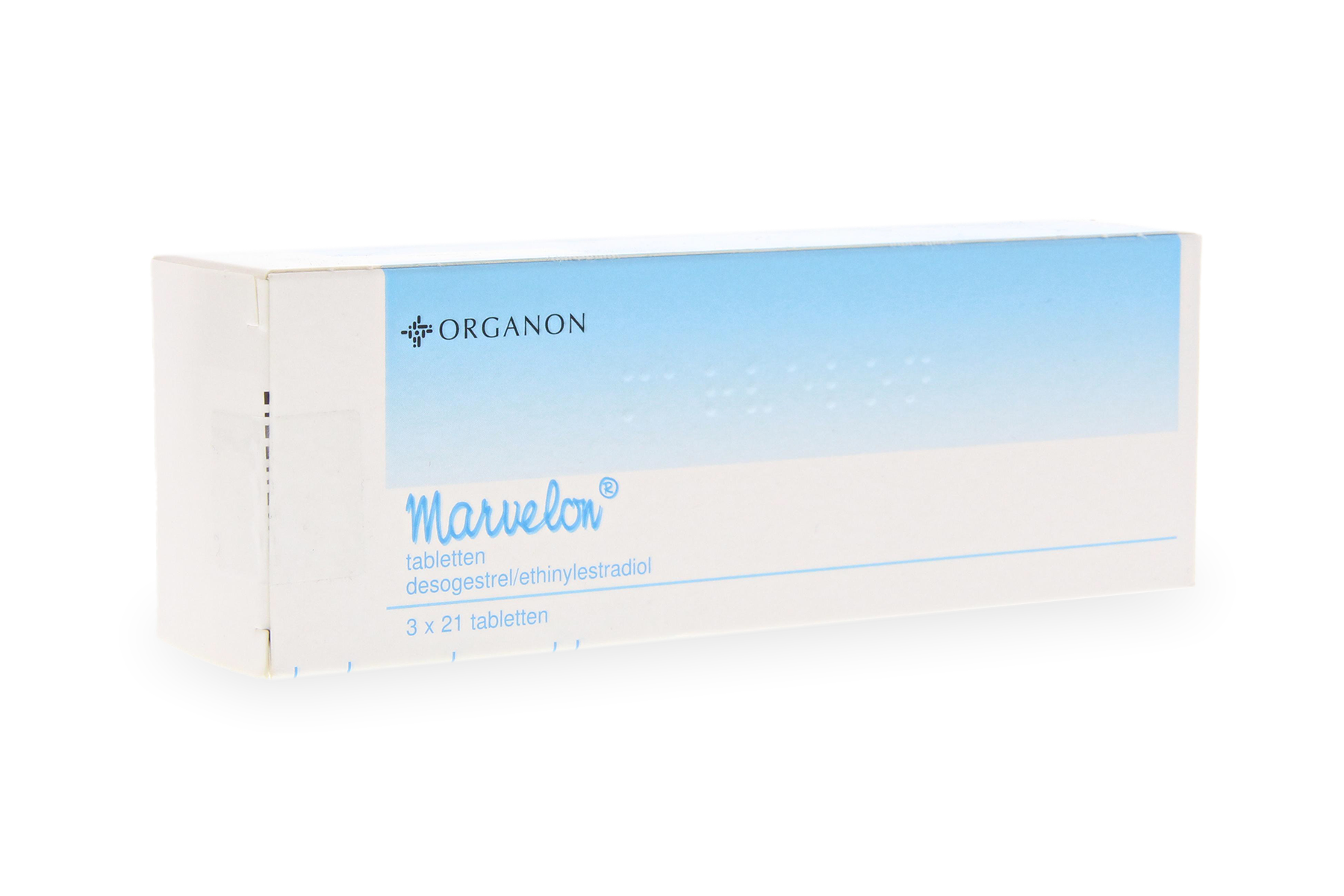
Marvelon
Desloratadine
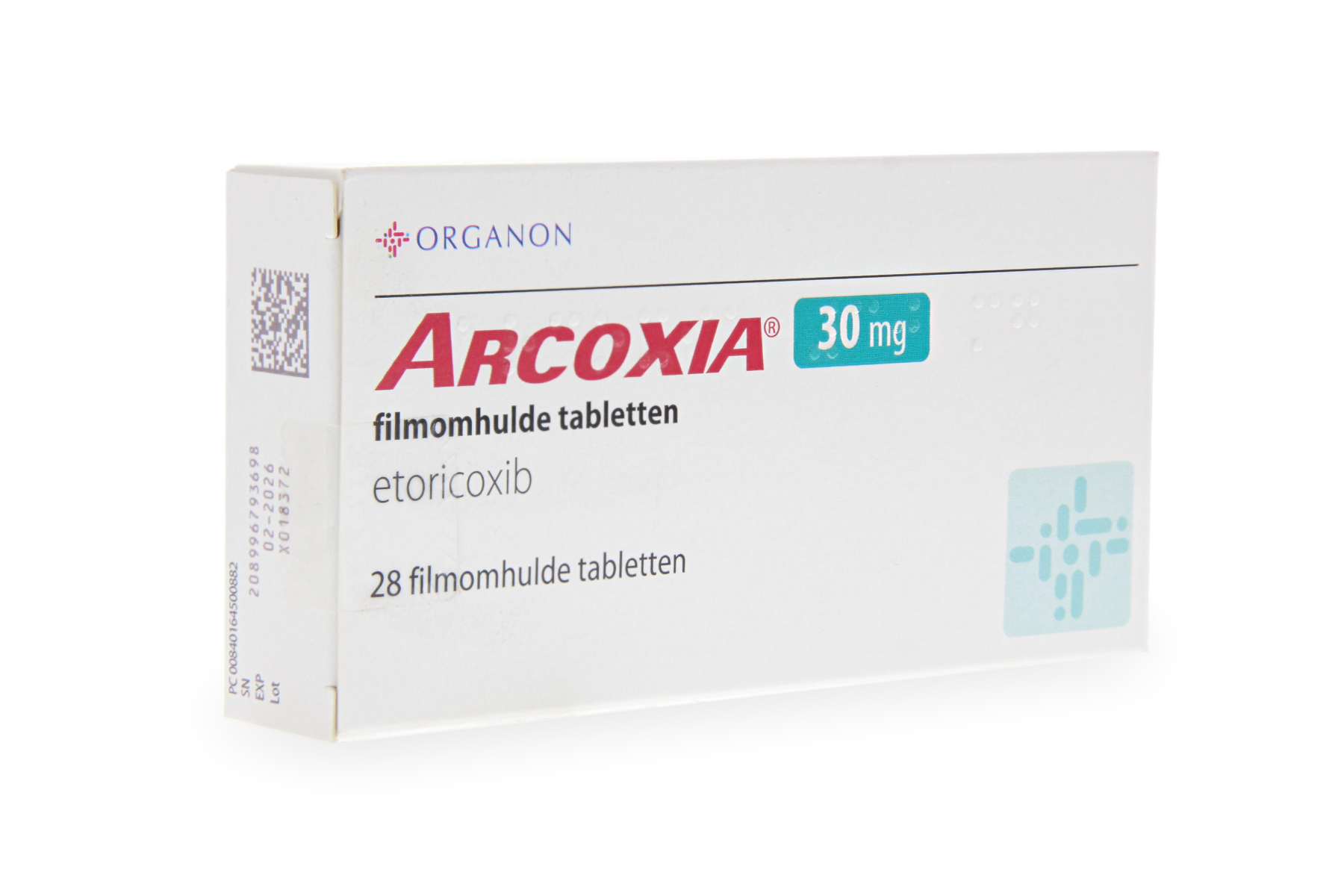
Arcoxia
Levothyroxine
Mercilon
Adenuric

Metoclopramide
Tadalafil
Valsartan
Spironolactone
Eliquis
Xarelto

Vardenafil
Allopurinol
Hydroxychloroquine
Dutasteride
Propranolol

Wegovy
Circadin
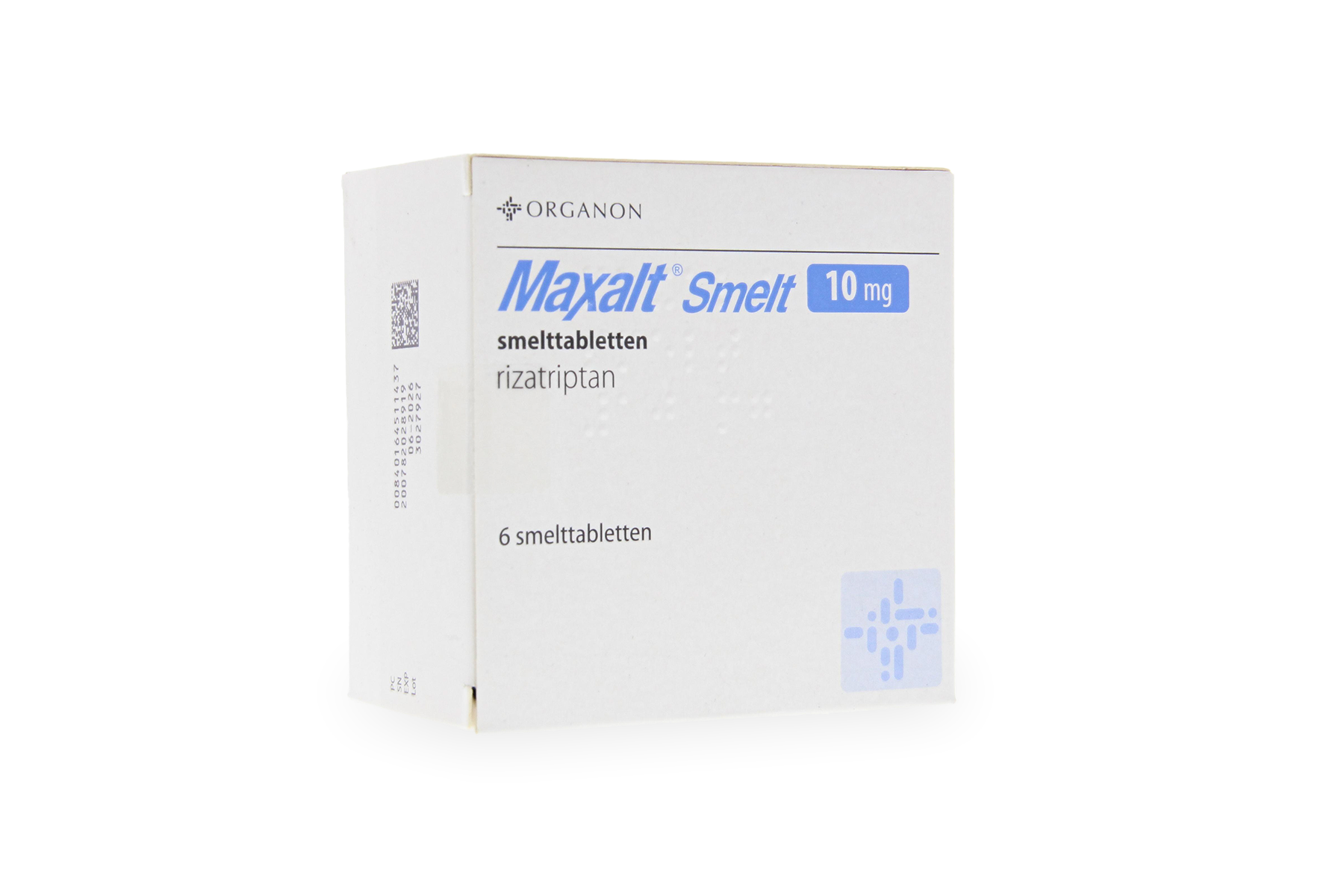
Maxalt
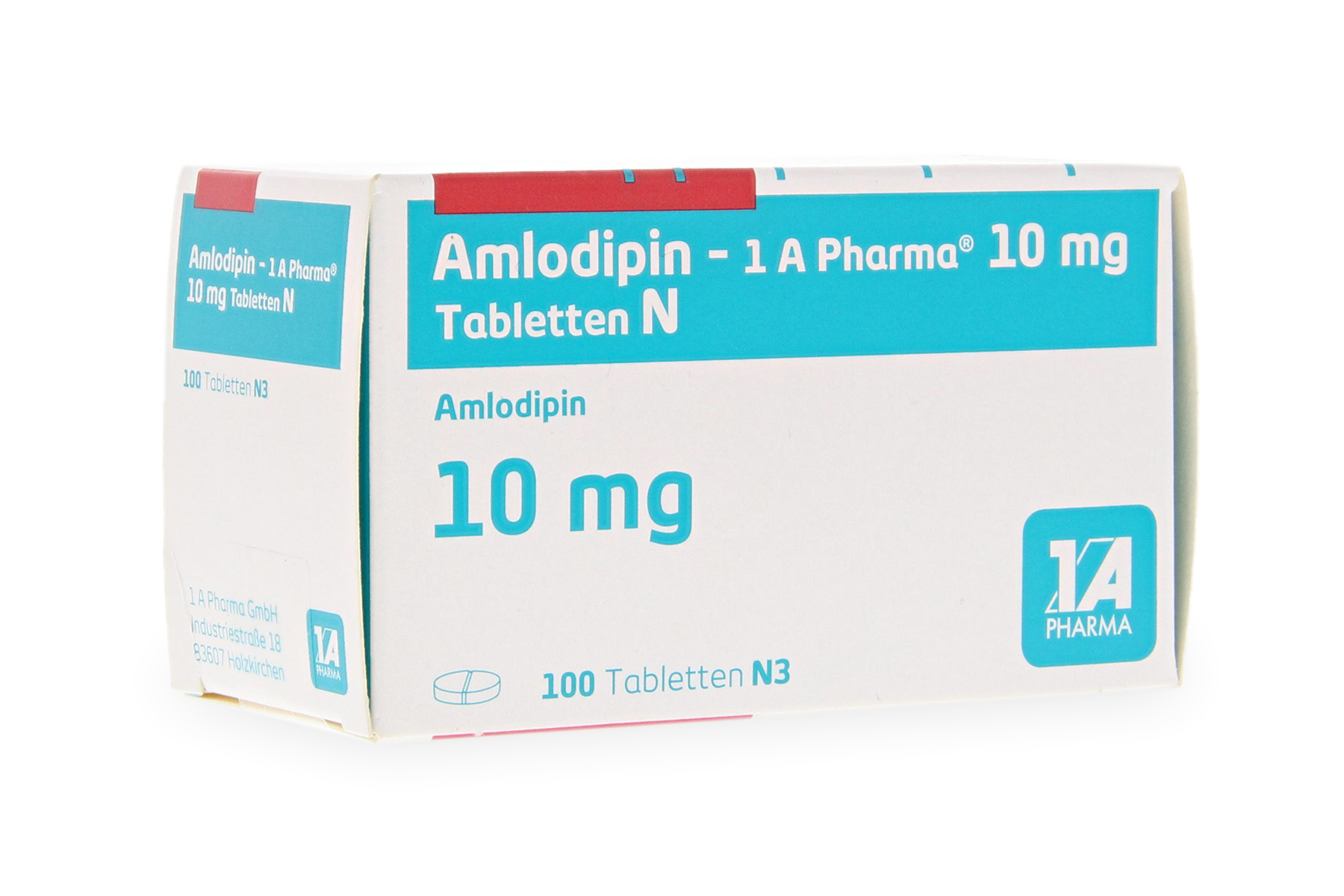
Amlodipine
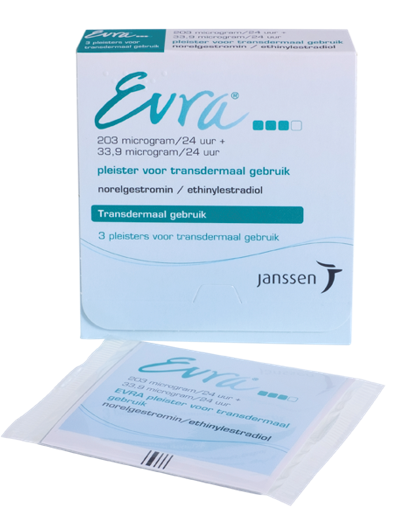
Evra Patches

Mounjaro

Dermovate
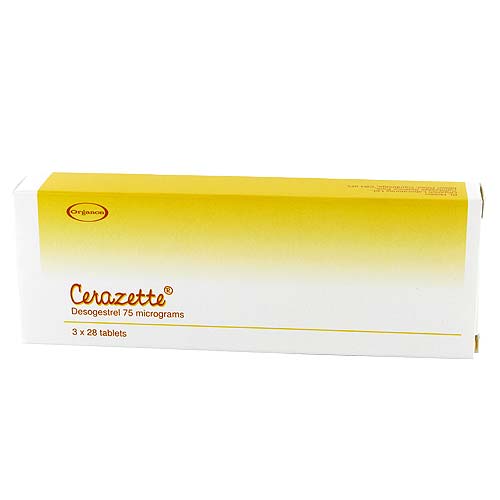
Cerazette

Viagra

Melatonin
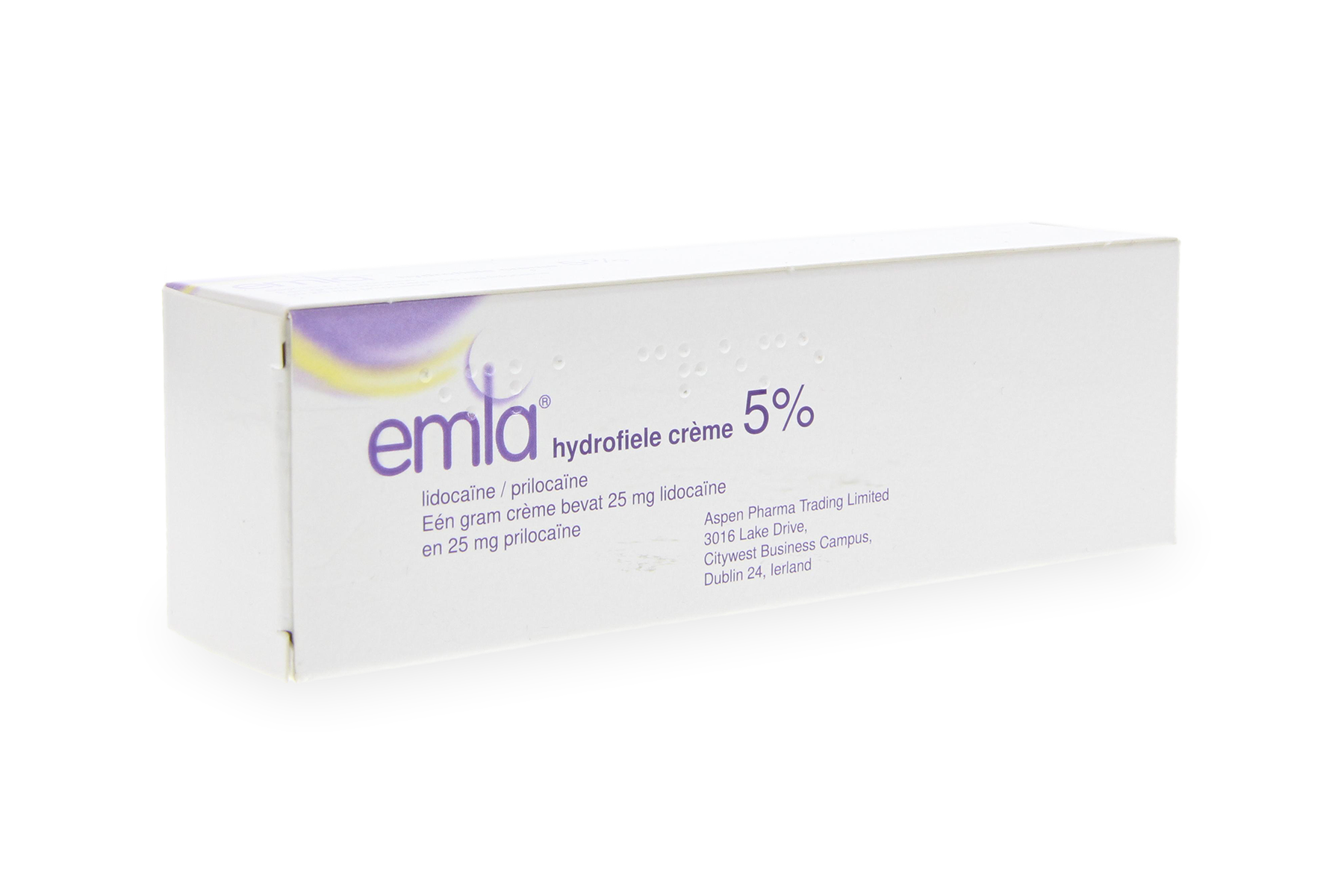
Emla Cream
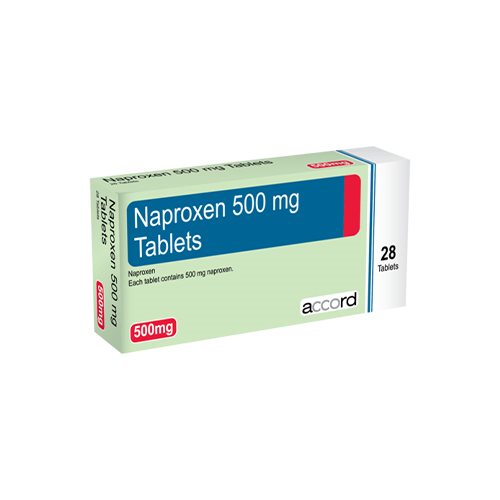
Naproxen
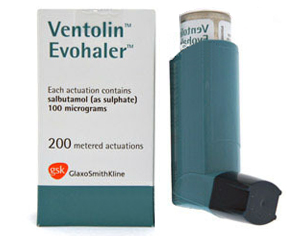
Ventolin

Bricanyl Turbohaler
Doxycycline (Malaria)
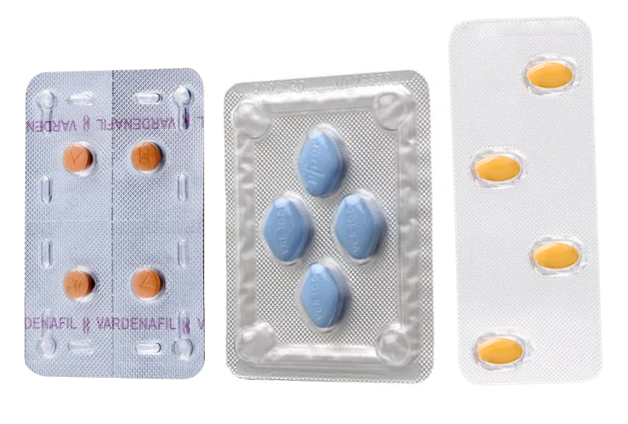
Impotence Trial Pack

Microgynon 30
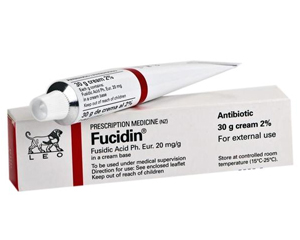
Fucidin
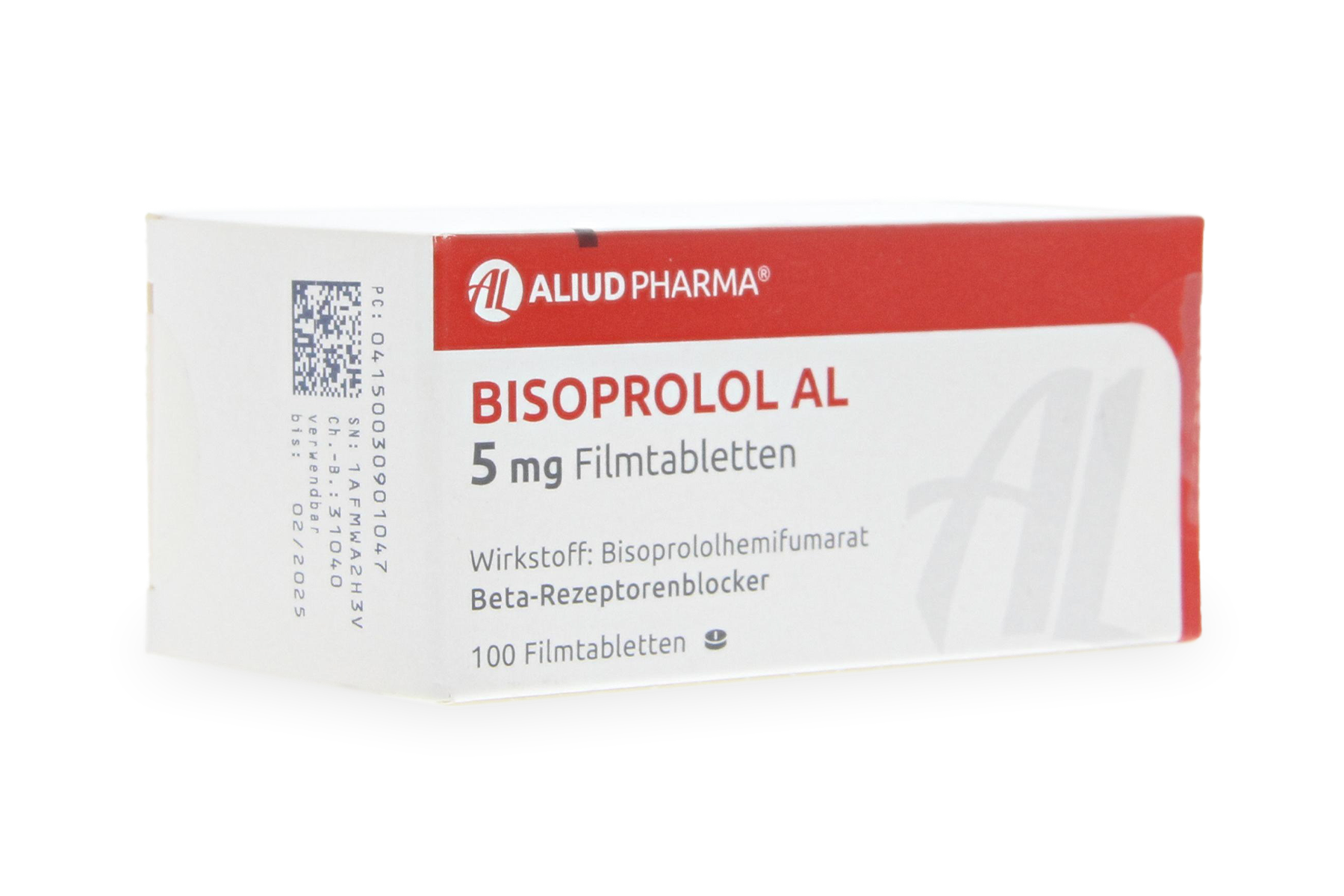
Bisoprolol
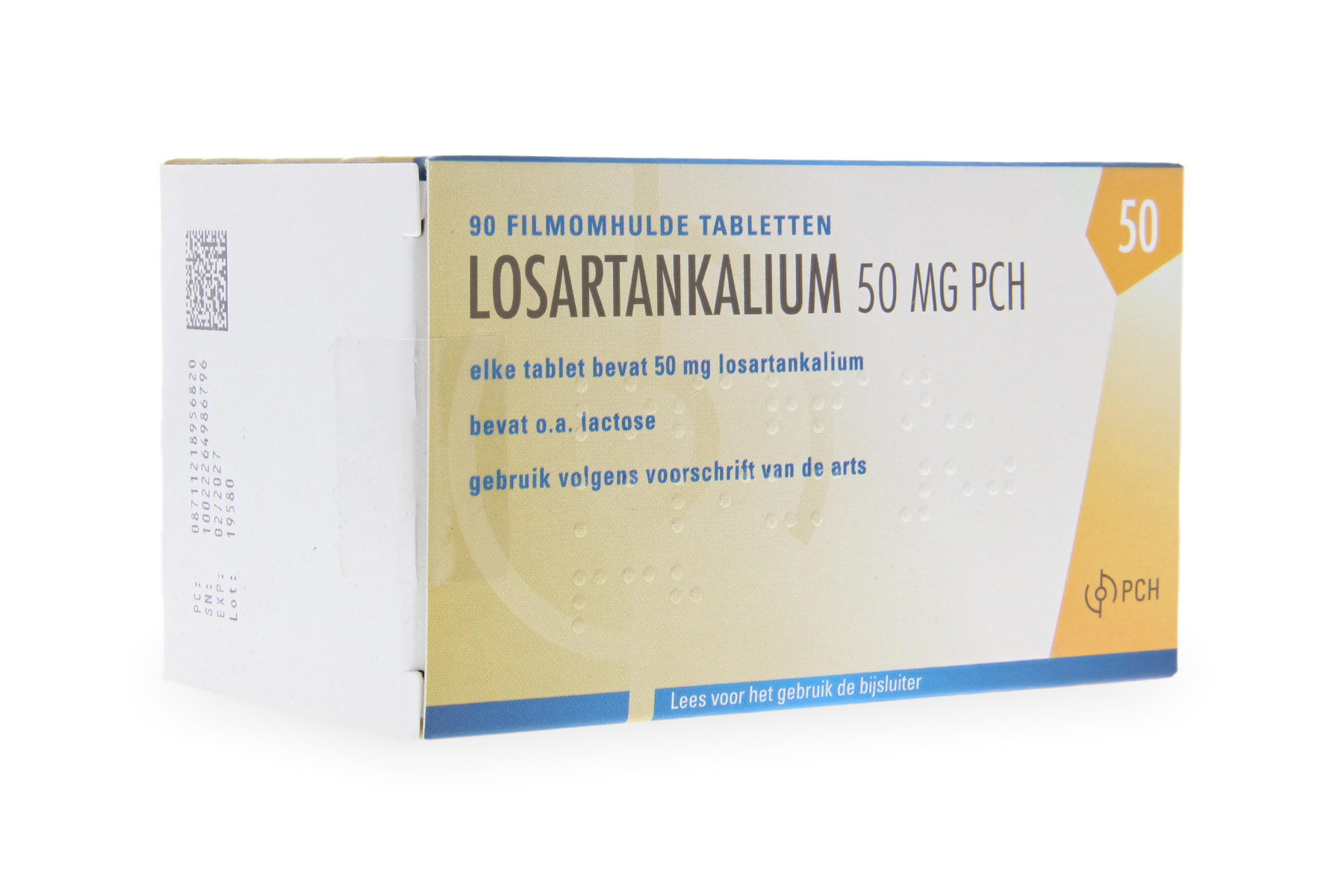
Losartan
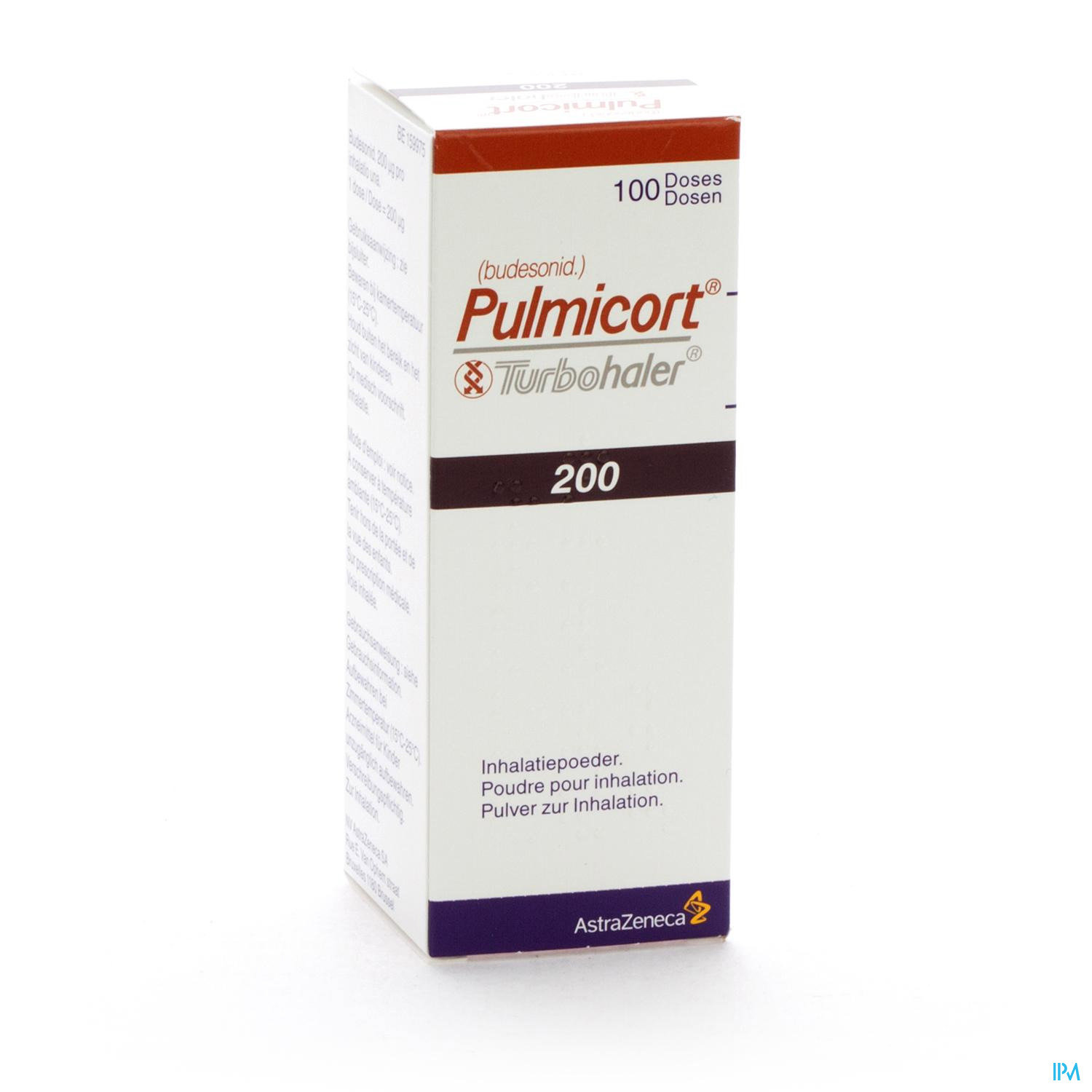
Pulmicort Turbohaler
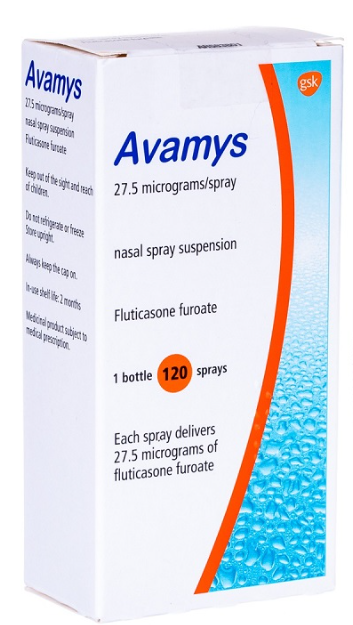
Avamys
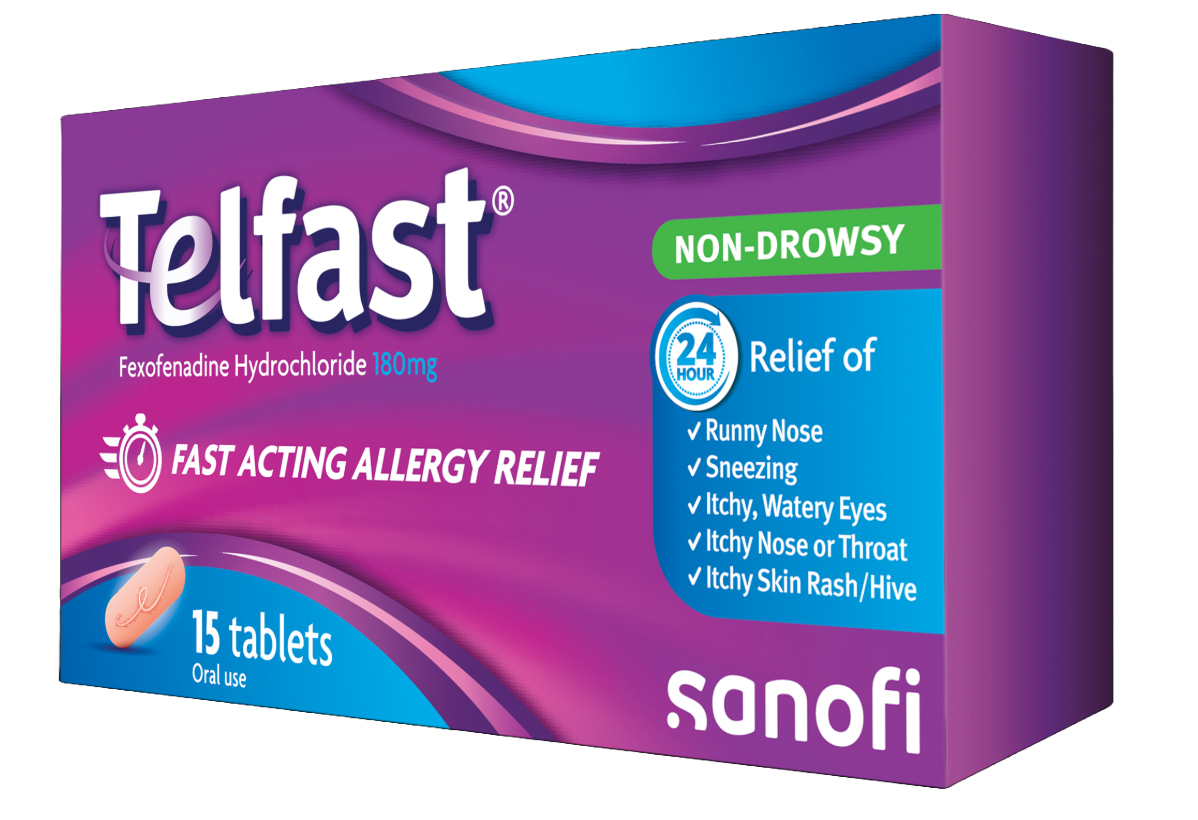
Telfast
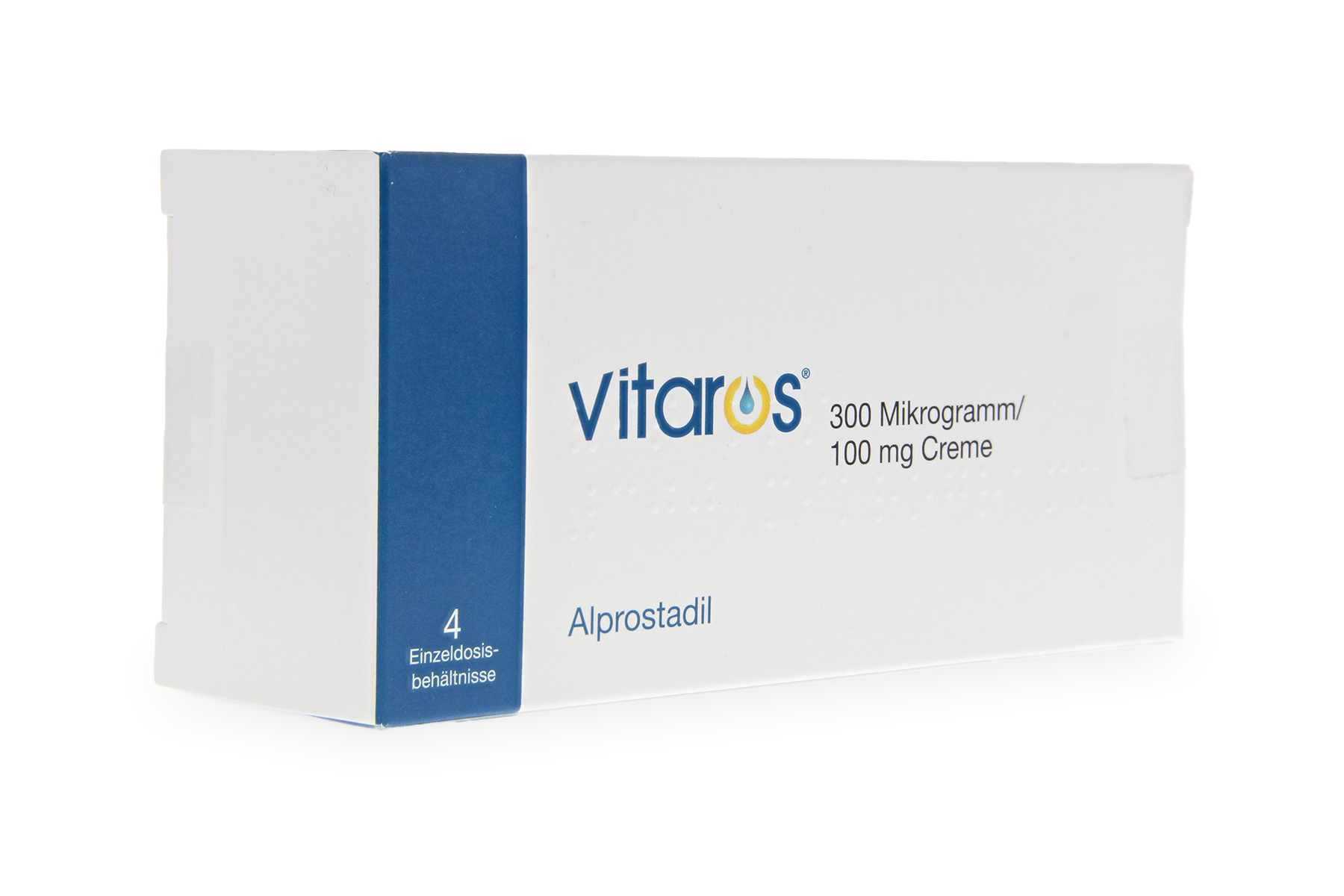
Vitaros

Zyloric
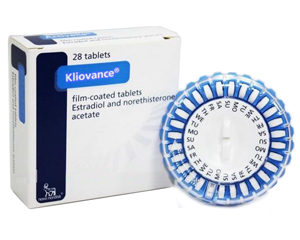
Kliovance
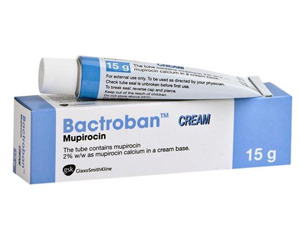
Bactroban
Elocon
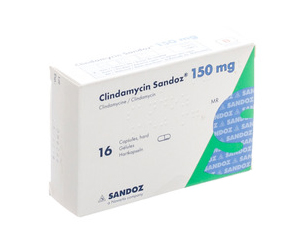
Clindamycin
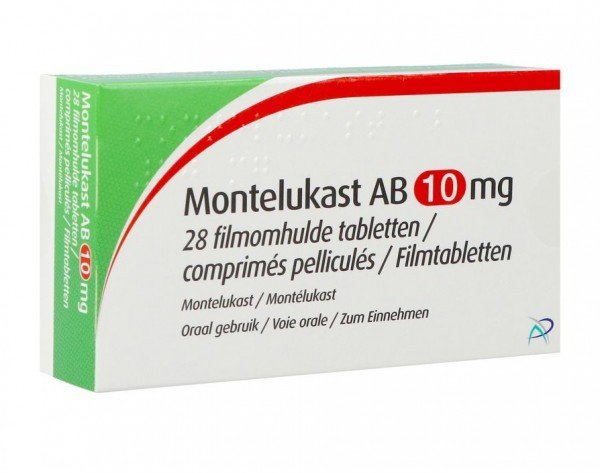
Montelukast
Aciclovir
Proscar

Differin
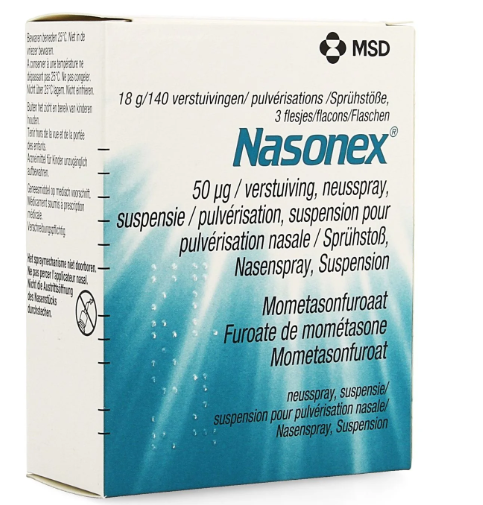
Nasonex Nasal Spray
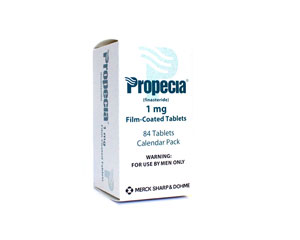
Propecia
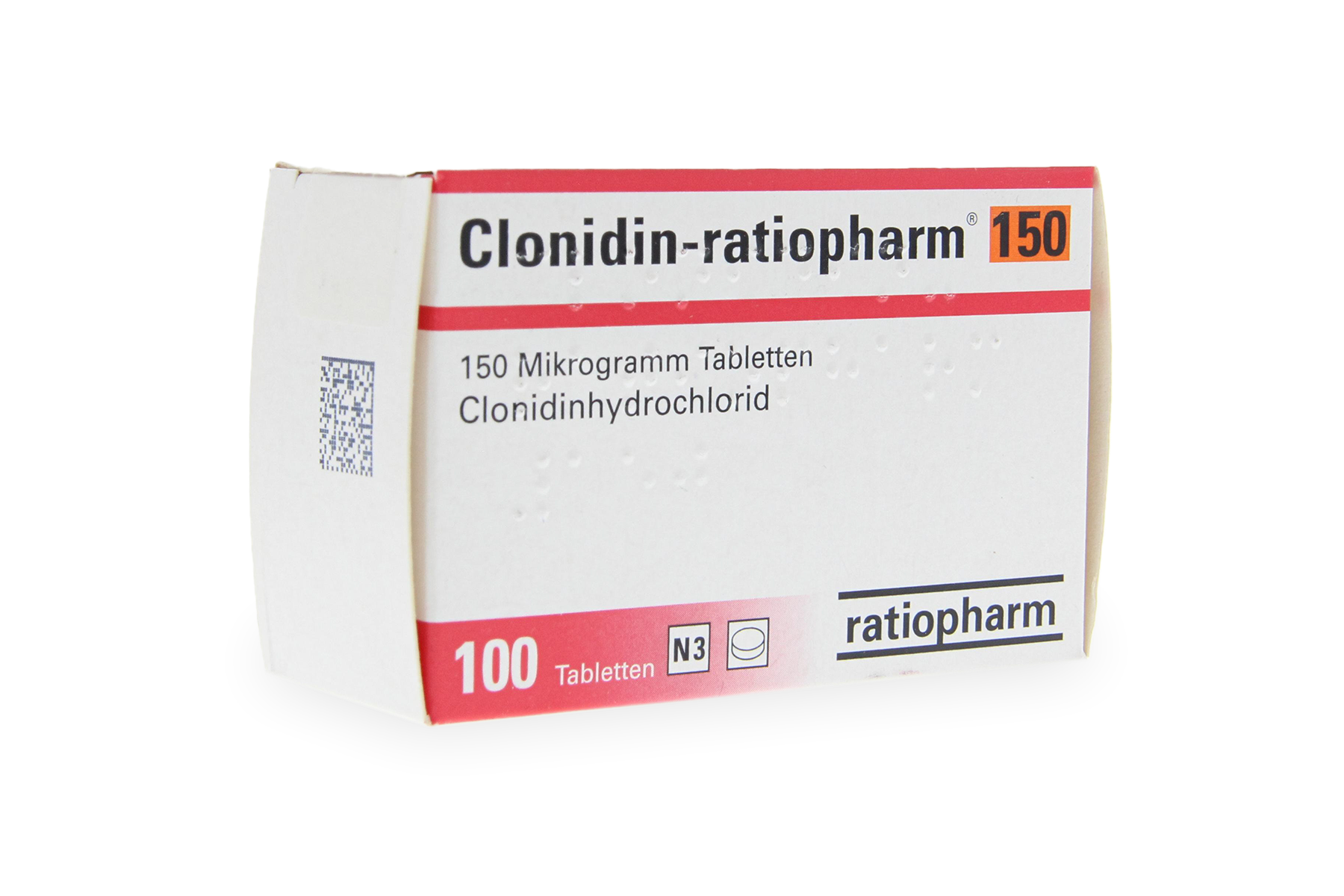
Clonidine
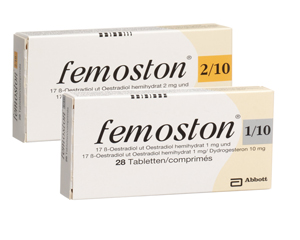
Femoston
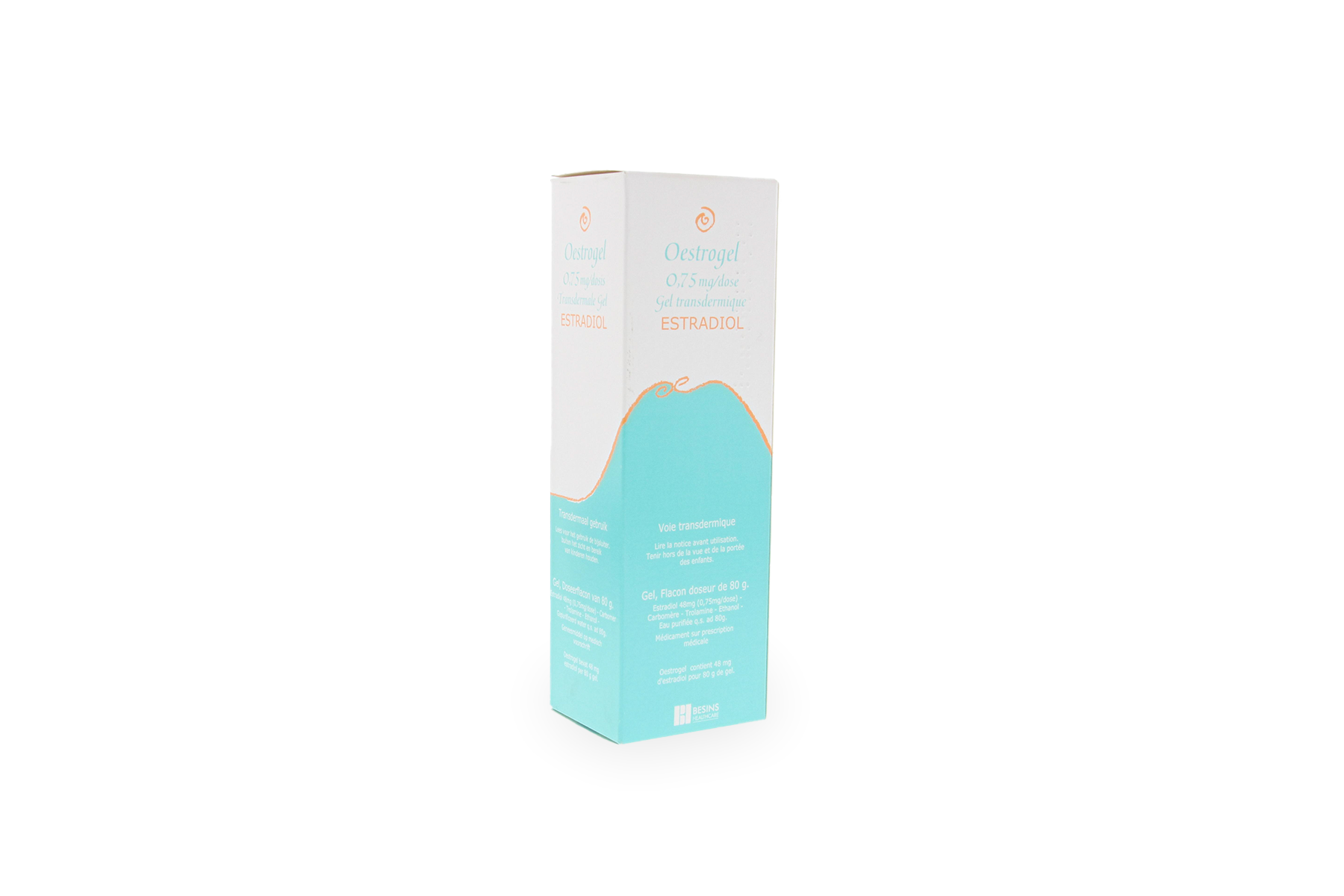
Oestrogel
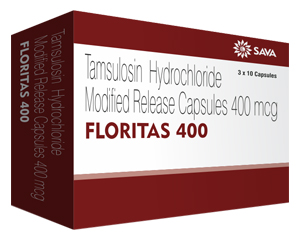
Tamsulosin MR
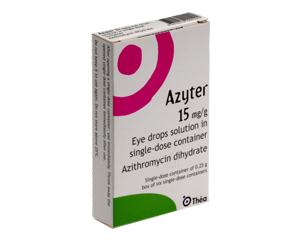
Azyter
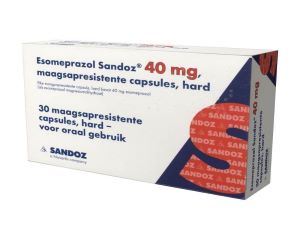
Esomeprazole
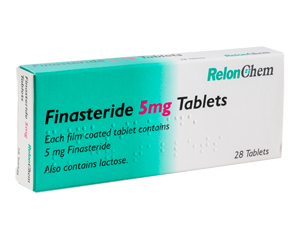
Proscar (Finasteride)
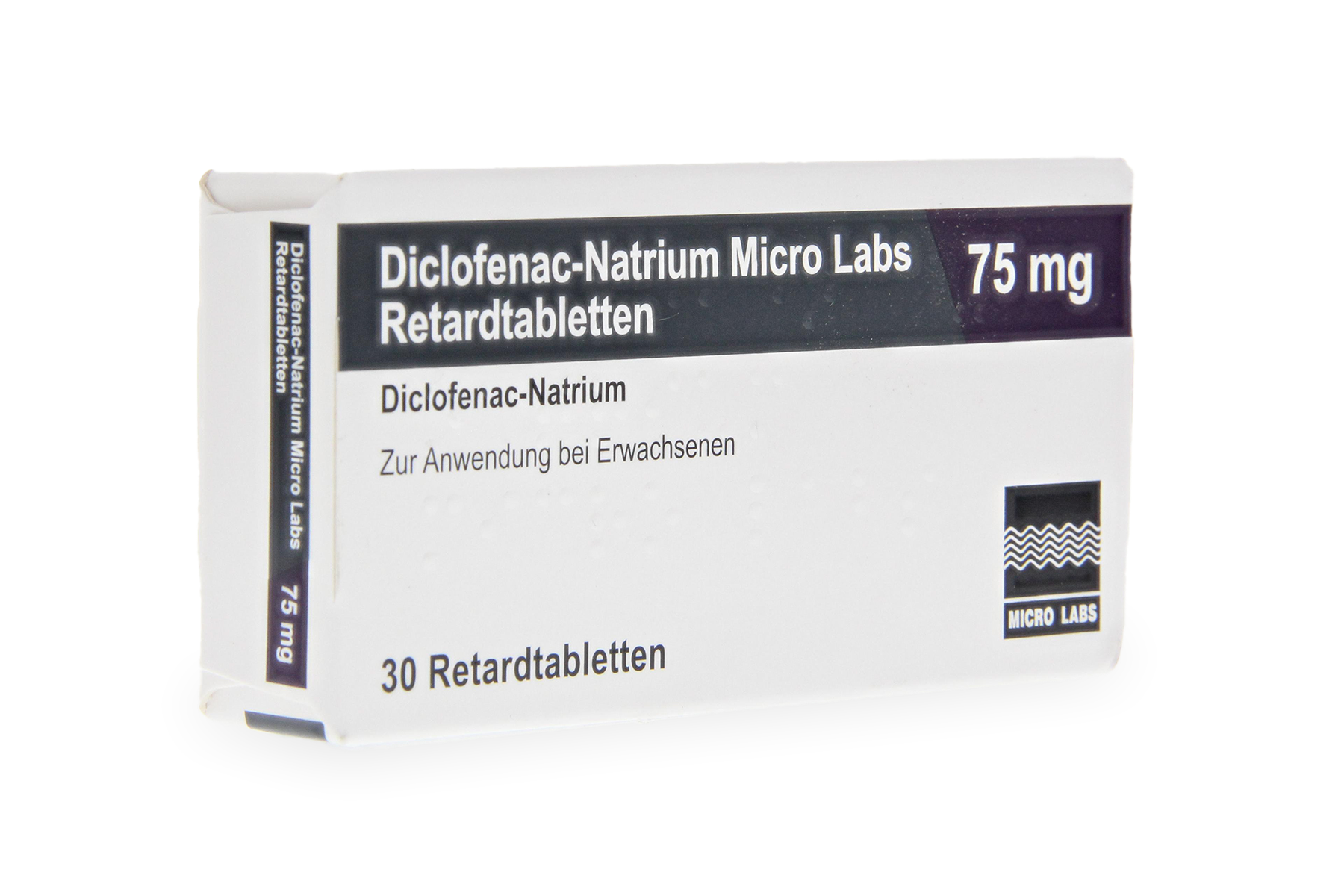
Diclofenac SR
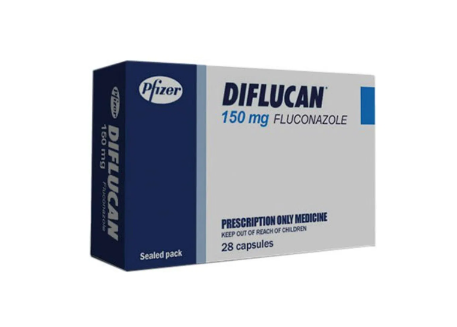
Diflucan
Crestor
Lansoprazole
Vesicare
Flixotide
Serevent
Atenolol
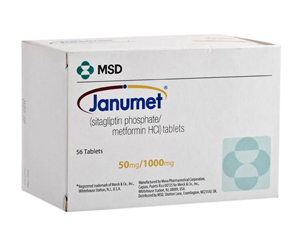
Janumet
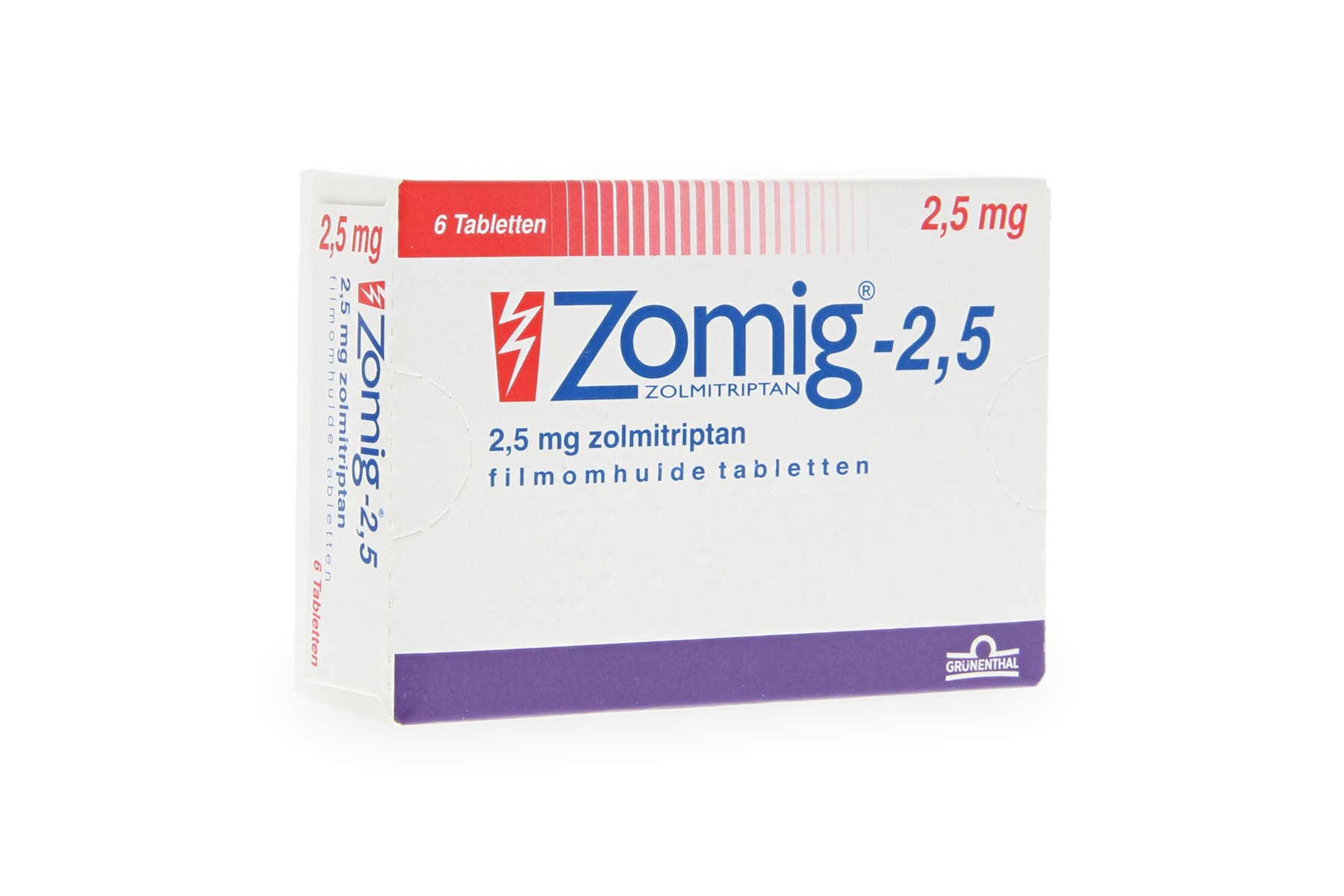
Zomig
Asthma & COPD Treatments
Living with Asthma and COPD
Asthma and chronic obstructive pulmonary disease (COPD) are two of the most prevalent respiratory conditions worldwide. While they share some symptoms, including breathlessness, wheezing, and coughing, they differ in their underlying mechanisms and typical age of onset. Asthma usually begins in childhood and is characterised by reversible airway narrowing, whereas COPD is most commonly seen in adults over 40 with a history of smoking and involves progressive, largely irreversible airflow limitation.
Both conditions involve chronic inflammation of the airways, which makes them hypersensitive to triggers such as allergens, cold air, exercise, and air pollution. During a flare-up or exacerbation, the airway muscles tighten, the lining swells, and excess mucus is produced, all of which restrict airflow and make breathing difficult.
With appropriate treatment and self-management, most people with asthma achieve excellent symptom control, and those with COPD can slow disease progression and maintain a good quality of life. The cornerstone of management for both conditions is inhaled therapy, supported by an individualised action plan.
Inhaler Types and How They Work
Inhalers fall into two broad categories: relievers and preventers. Reliever inhalers, typically containing short-acting beta-agonists such as salbutamol (Ventolin), relax the muscles around the airways within minutes and are used to treat acute symptoms. They should be carried at all times but ideally needed infrequently, as regular reliance on a reliever suggests that the underlying condition is not well controlled.
Preventer inhalers contain inhaled corticosteroids (ICS) such as beclometasone, budesonide, or fluticasone. These reduce inflammation in the airways over time and must be used daily to be effective, even when symptoms are absent. It can take several weeks of consistent use before the full protective benefit is felt.
Combination inhalers, such as Symbicort (budesonide/formoterol) and Seretide (fluticasone/salmeterol), deliver both a corticosteroid and a long-acting bronchodilator in a single device. They are commonly prescribed for patients whose asthma or COPD is not adequately controlled by a preventer alone. Choosing the right inhaler device, whether a metered-dose inhaler, dry-powder inhaler, or soft-mist inhaler, is just as important as choosing the right medication, since correct technique determines how much drug actually reaches the lungs.
Managing Triggers and Flare-Ups
Identifying and avoiding personal triggers is a vital part of respiratory disease management. Common asthma triggers include house dust mites, pet dander, pollen, mould, tobacco smoke, and strong fragrances. For COPD patients, respiratory infections and air pollution are particularly dangerous, often precipitating exacerbations that require hospital admission.
An asthma or COPD action plan, agreed with your healthcare team, provides clear instructions on what to do when symptoms worsen. This typically involves increasing your preventer medication, using your reliever more frequently, and knowing when to seek emergency help. Having a written plan has been shown to reduce hospital admissions and improve outcomes.
Annual influenza vaccination and pneumococcal vaccination are strongly recommended for anyone with a chronic respiratory condition, as infections can trigger severe flare-ups. Staying physically active, maintaining a healthy weight, and practising breathing exercises also contribute to better lung function and overall wellbeing.
Monitoring Your Condition
Regular monitoring helps detect changes in lung function before symptoms become severe. Peak flow meters are inexpensive, portable devices that measure how fast air can be expelled from the lungs. Daily peak flow readings at home allow patients and clinicians to spot trends, adjust treatment, and intervene early during a deterioration.
Spirometry, a more detailed lung function test performed in a clinic, is used to diagnose asthma and COPD and to assess severity over time. For asthma, the key finding is a reversible obstruction that improves after using a bronchodilator. For COPD, the hallmark is a fixed obstruction that does not fully reverse.
Keeping a symptom diary, noting night-time waking, exercise tolerance, and reliever use, gives your prescriber valuable information at review appointments. Many smartphone apps now offer digital tracking alongside medication reminders, making it easier to stay on top of your condition between consultations.
Ordering Respiratory Medication Online
Repeat prescriptions for well-established asthma and COPD medications can be conveniently ordered through regulated online pharmacies. This is particularly helpful for patients who have a stable diagnosis, a clear treatment plan, and simply need to replenish their supply of inhalers or other maintenance therapy.
The process involves confirming your current medication, dosage, and recent review status through an online consultation. A prescriber checks that the request is appropriate and that your condition remains under adequate control. Medications are then dispatched from a licensed pharmacy, usually with next-day delivery available.
Online ordering does not replace the need for periodic face-to-face or telephone reviews with your GP or respiratory nurse. An annual review is recommended for asthma, and more frequent assessments may be needed for COPD. If you are experiencing worsening symptoms, increased reliever use, or a new exacerbation, seek a full medical review rather than simply reordering medication.
Frequently Asked Questions
Can I order my asthma inhaler online?
What is the difference between a reliever and preventer inhaler?
How often should I have my asthma reviewed?
What is the difference between a reliever and a preventer inhaler?
Dr. Ross Elledge
General Practitioner · General & Family Medicine
Verified Healthcare Professional
TopDoctors ProfileThis website provides general information about medicines for educational purposes only. Always consult your doctor or pharmacist before taking any medication.