
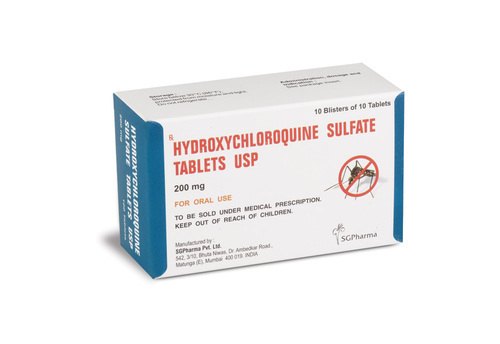
Hydroxychloroquine
View Options
This website provides general information about medicines for educational purposes only. Always consult your doctor or pharmacist before taking any medication.
Choose Your Medicine
Select dosage and quantity
Online Consultation
Reviewed by a qualified physician
Fast, Discreet Delivery
Delivered to your door
Medical Information
About This Medicine
Hydroxychloroquine is an antimalarial medication that has become an important treatment in rheumatology and dermatology. It is prescribed for the management of rheumatoid arthritis, systemic lupus erythematosus (SLE), and discoid lupus, where it helps reduce inflammation, joint pain, and skin manifestations. It is also used as an antimalarial prophylactic for travel to certain regions.
The exact mechanism by which hydroxychloroquine modulates the immune system is not fully understood, but it is believed to interfere with antigen processing in immune cells, reduce the production of pro-inflammatory cytokines, and inhibit toll-like receptor signalling. These actions dampen the overactive immune response that drives autoimmune conditions.
Usage & Dosage
How to Take Hydroxychloroquine
Take hydroxychloroquine with food or a glass of milk to reduce stomach upset. Swallow the tablet whole with water. For autoimmune conditions, the medication is taken daily and may take several weeks to months to reach its full therapeutic effect. Consistent daily use is essential for benefit.
For malaria prevention, begin taking the medication two weeks before entering the malarial area, continue throughout the stay, and for four weeks after leaving. Follow your prescriber's instructions regarding the specific dosing schedule.
For rheumatoid arthritis and lupus, the usual dose is 200 mg to 400 mg daily, taken in one or two divided doses. The dose should not exceed 5 mg per kilogram of actual body weight per day to minimise the risk of retinal toxicity. For malaria prophylaxis, the dose is 400 mg once weekly. Treatment for autoimmune conditions is typically long-term and should be reviewed regularly.
Side Effects
Common Side Effects
Common side effects include:
- Nausea and vomiting
- Diarrhoea
- Abdominal cramps
- Headache
- Skin rash
Taking the medication with food usually reduces gastrointestinal symptoms. The most important rare but serious side effect is retinal toxicity (hydroxychloroquine retinopathy), which can cause irreversible visual damage. The risk increases with prolonged use and higher cumulative doses. Regular eye examinations are essential to detect early changes before vision is affected.
Warnings & Precautions
Annual ophthalmic screening, including optical coherence tomography (OCT) and visual field testing, is recommended for all patients on long-term hydroxychloroquine therapy. Screening should ideally begin within the first year and continue annually. Report any changes in vision, including difficulty reading, blurred vision, or light sensitivity, to your prescriber immediately.
Hydroxychloroquine can prolong the QT interval and should be used with caution in patients with cardiac disease or those taking other QT-prolonging medications. It may exacerbate psoriasis in some individuals.
Contraindications
Hydroxychloroquine is contraindicated in patients with known hypersensitivity to hydroxychloroquine or 4-aminoquinoline compounds, pre-existing maculopathy (damage to the retina), and in those with known glucose-6-phosphate dehydrogenase (G6PD) deficiency where there is a risk of haemolytic anaemia.
Frequently Asked Questions
How long does hydroxychloroquine take to work for arthritis?
Why do I need regular eye tests while on hydroxychloroquine?
Can I take hydroxychloroquine during pregnancy?
Dr. Ross Elledge
General Practitioner · General & Family Medicine
Verified Healthcare Professional
TopDoctors Profile