
Contraception
Hormonal contraception is over 99% effective when used correctly. A wide range of combined and progestogen-only pills are available to suit different needs. An online doctor consultation makes it easy to start or continue your contraception.
Combined pill and mini pill options available
Over 99% effective at preventing pregnancy when taken correctly
Can also help manage periods, acne and PMS symptoms
Convenient 3–6 month supplies prescribed online

Cialis
Avodart
Ozempic

Nuvaring
Xenical
Fluconazole
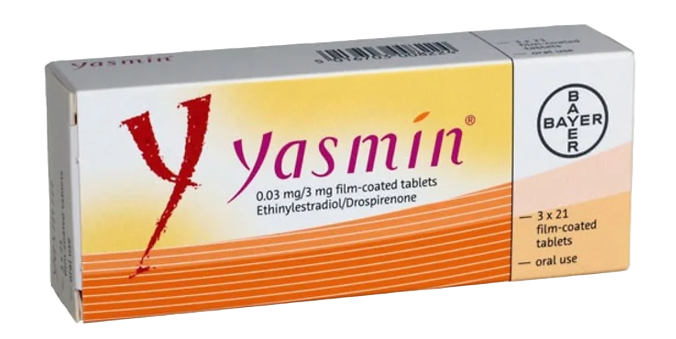
Yasmin
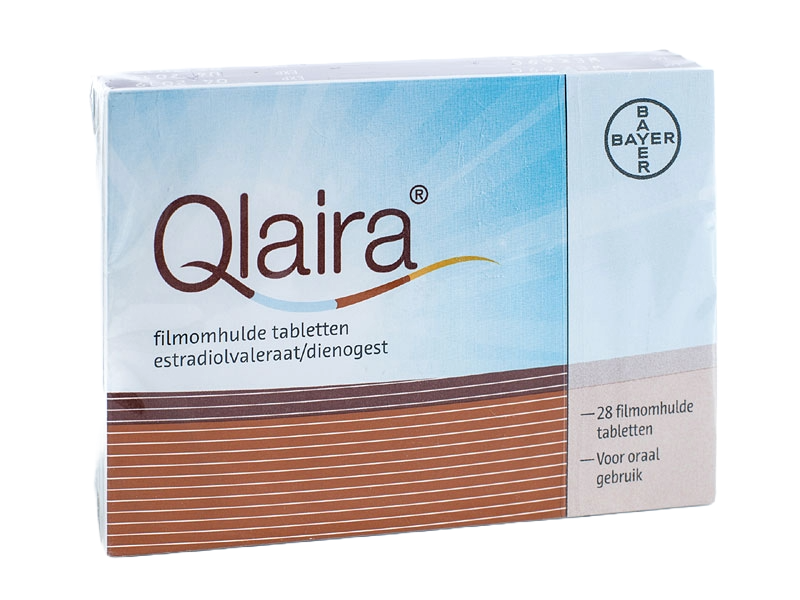
Qlaira
Ciprofloxacin
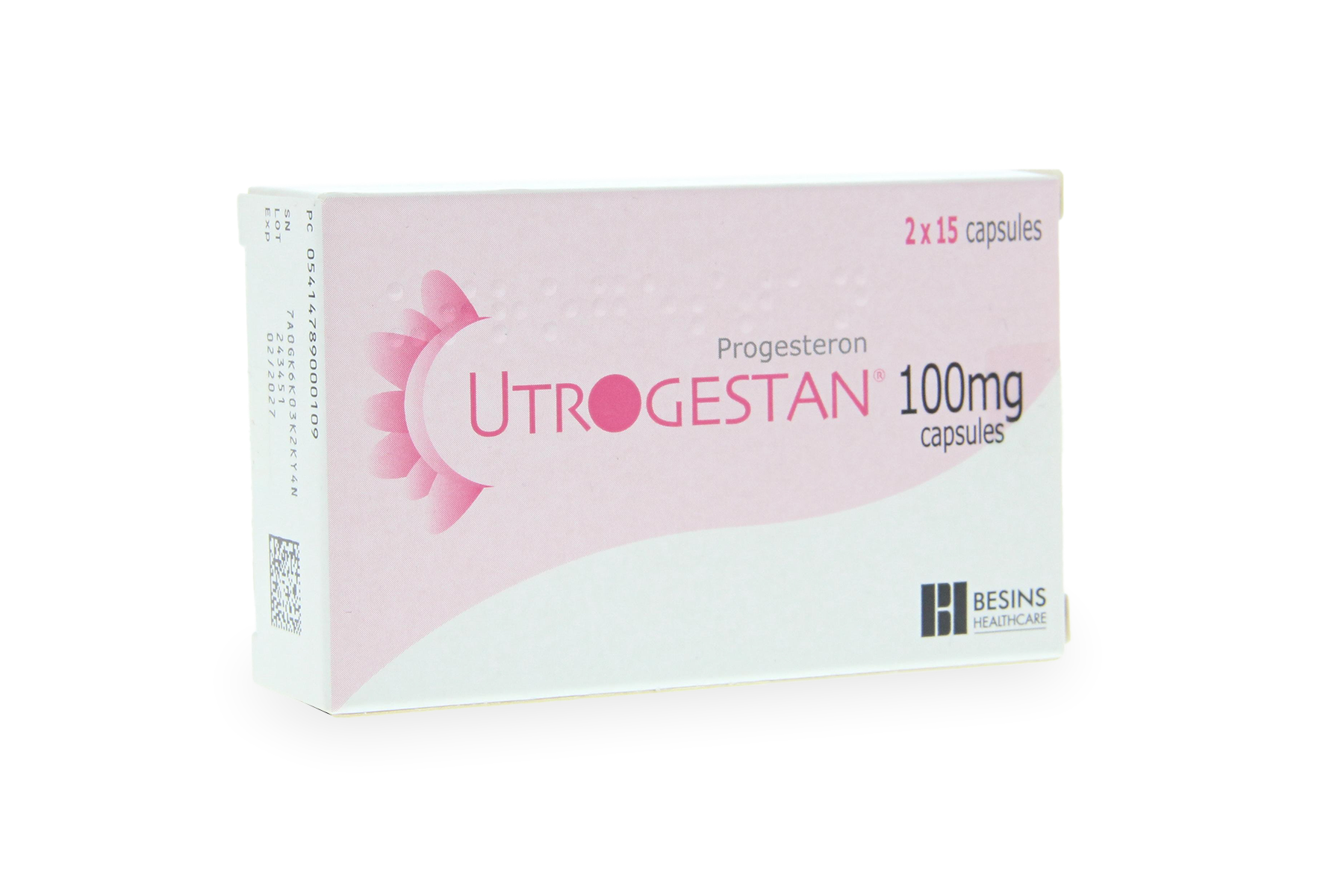
Utrogestan
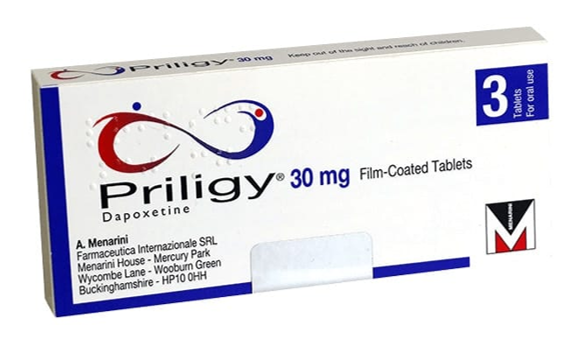
Priligy
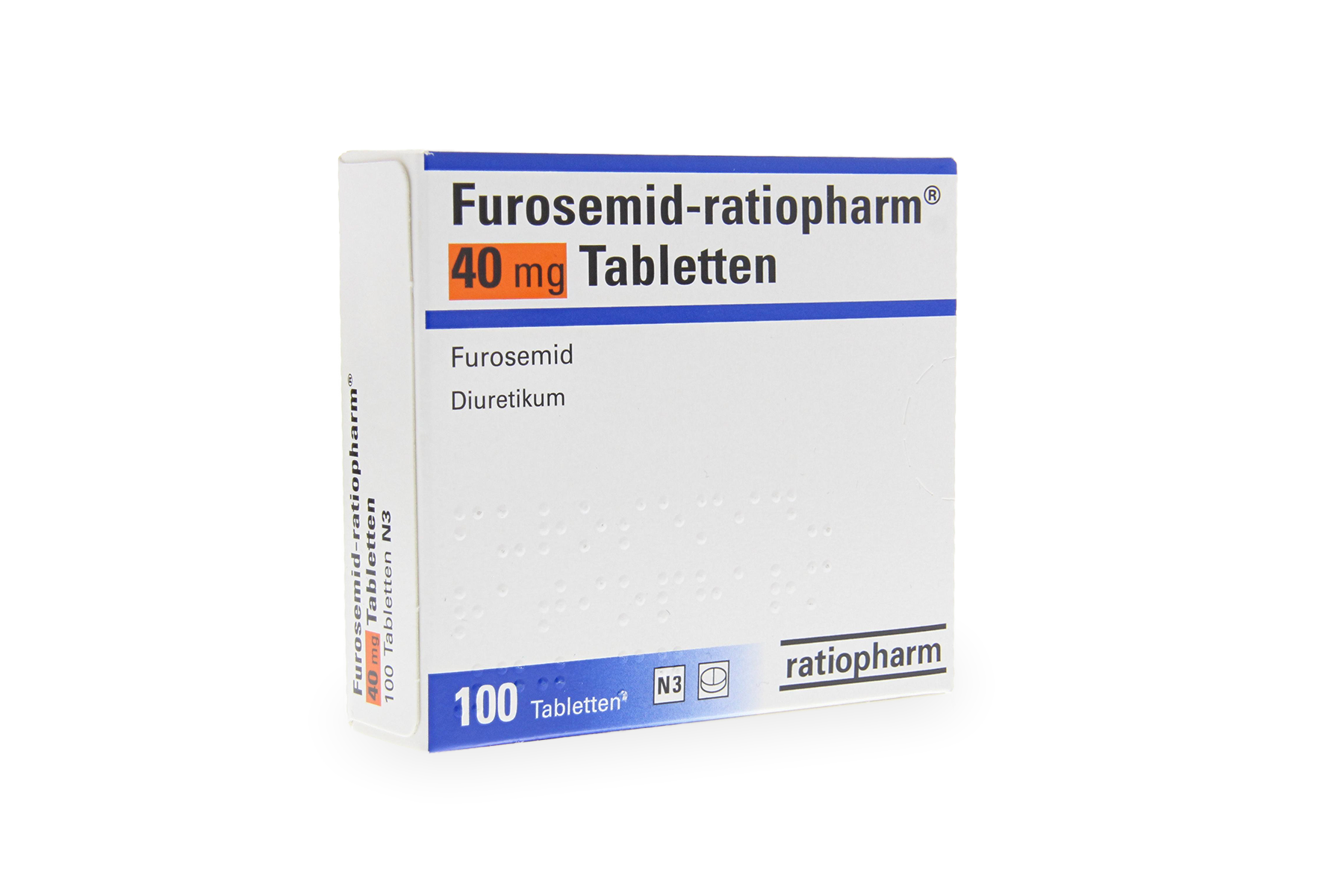
Furosemide
Omeprazole
Pantoprazole

Sildenafil
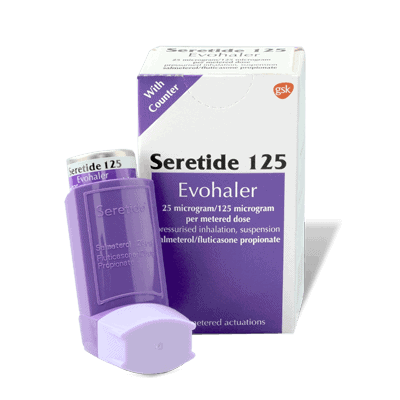
Seretide
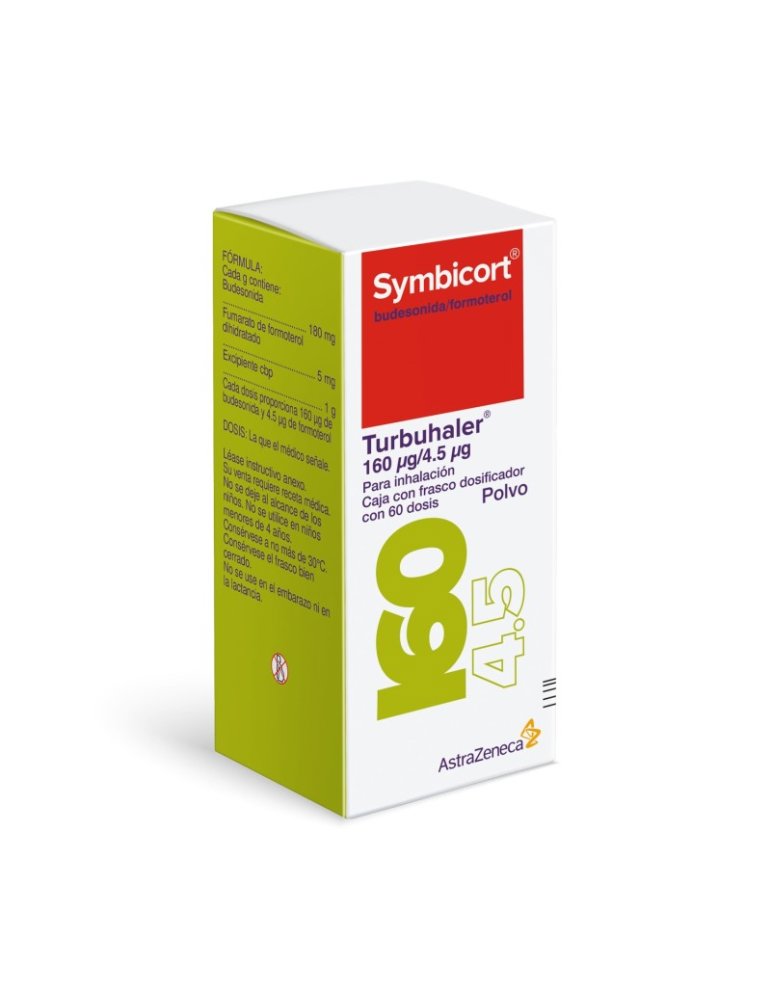
Symbicort Turbuhaler
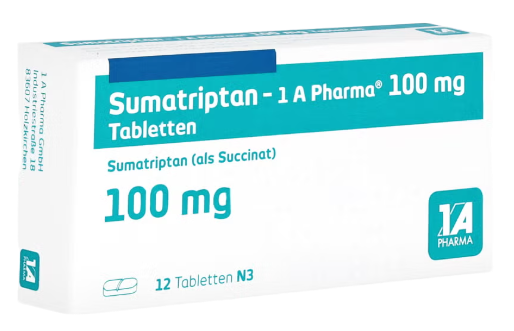
Sumatriptan
Betnovate
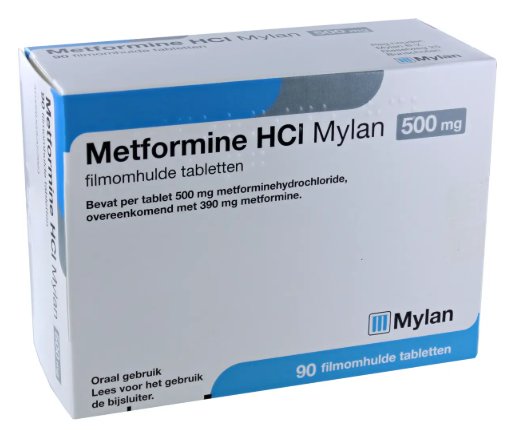
Metformin
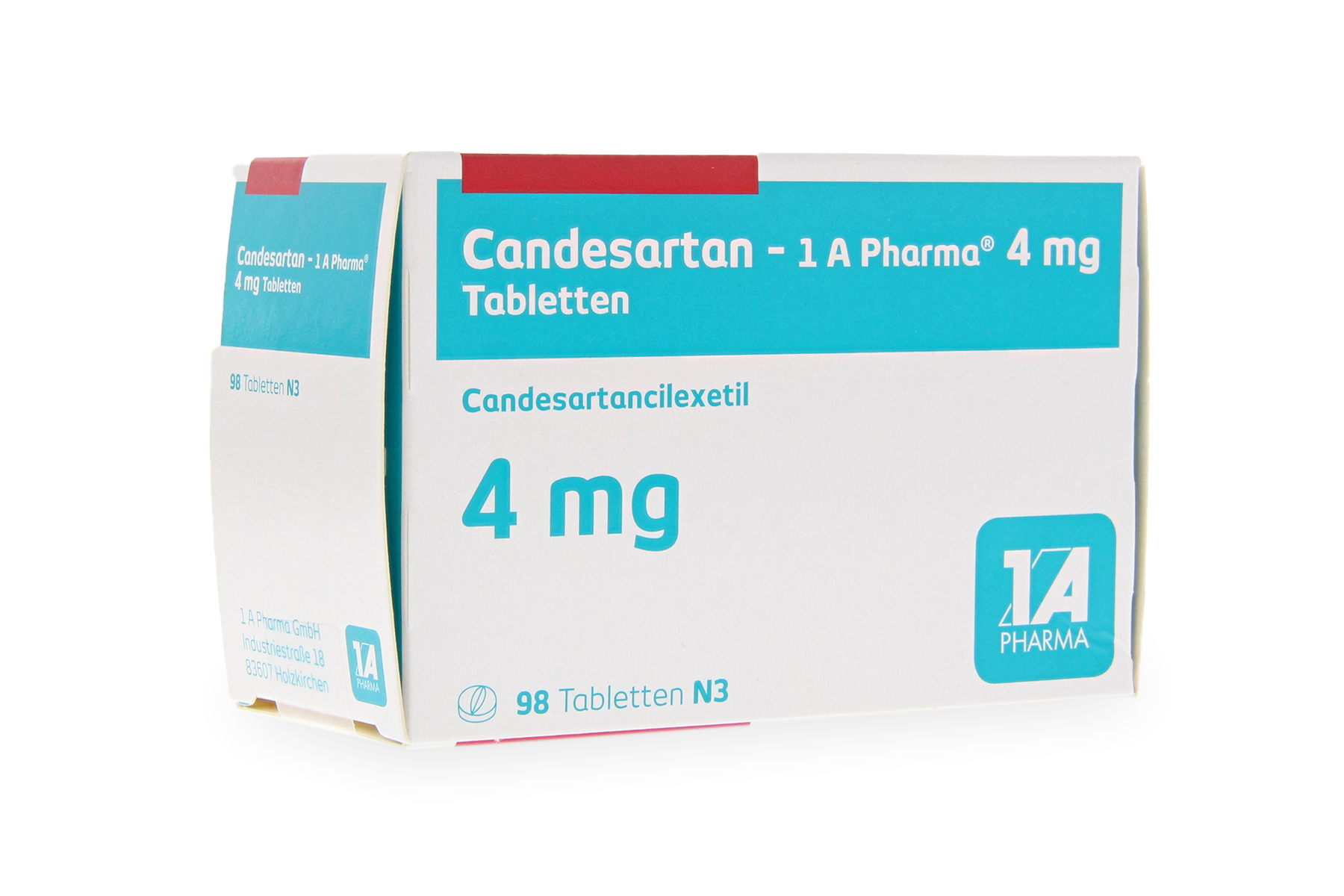
Candesartan
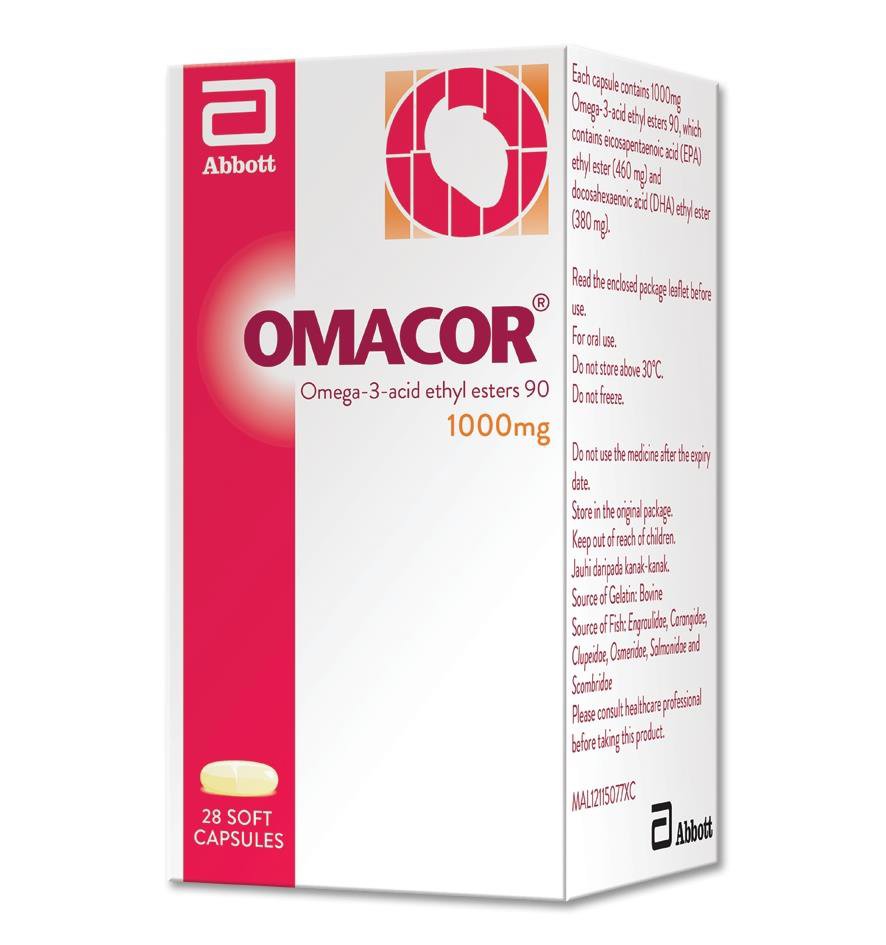
Omacor
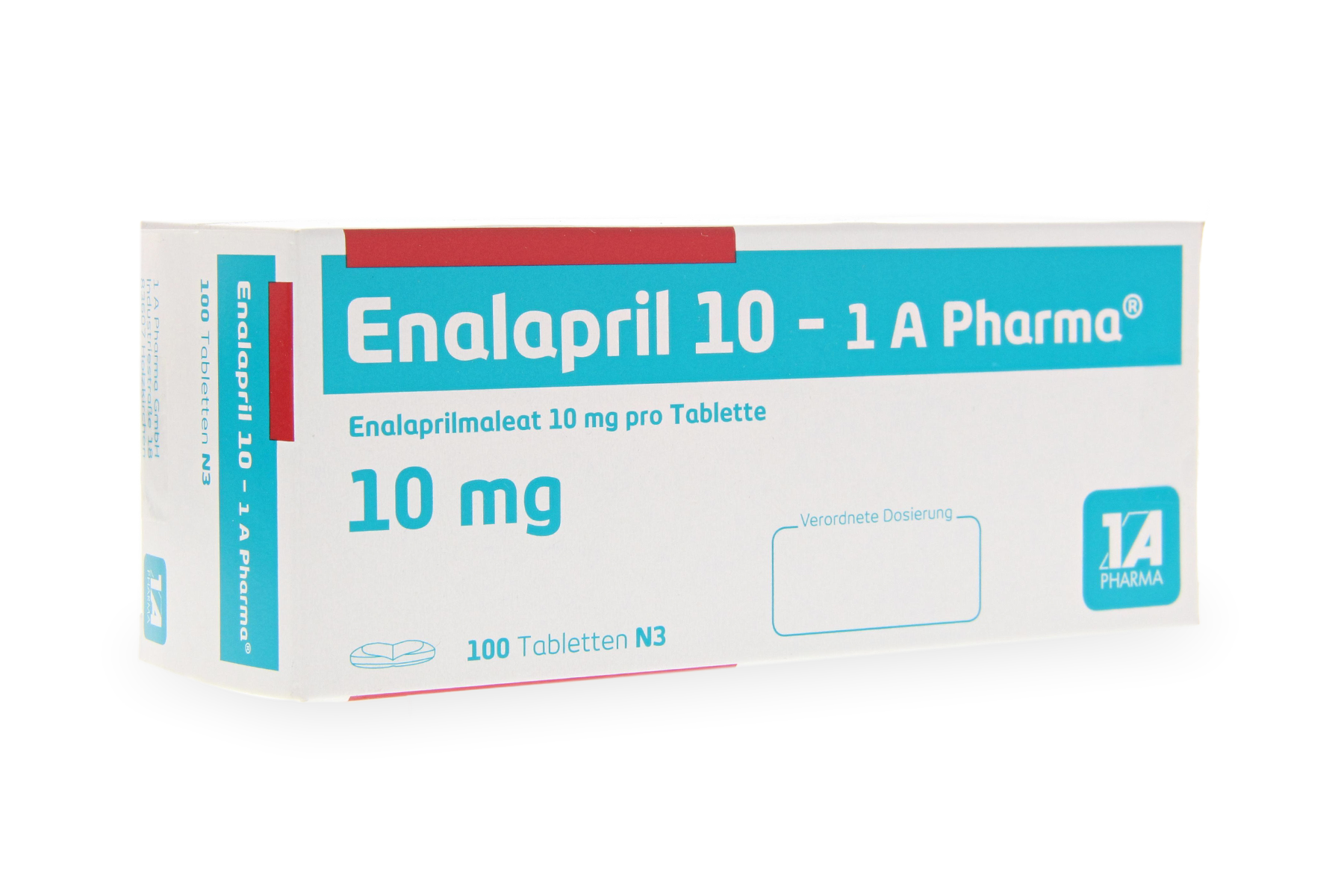
Enalapril
Ramipril
Atorvastatin
Dymista
Mirvaso

Spedra
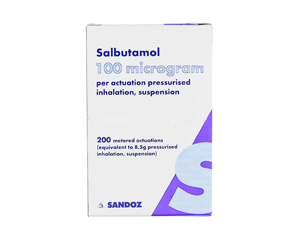
Salbutamol
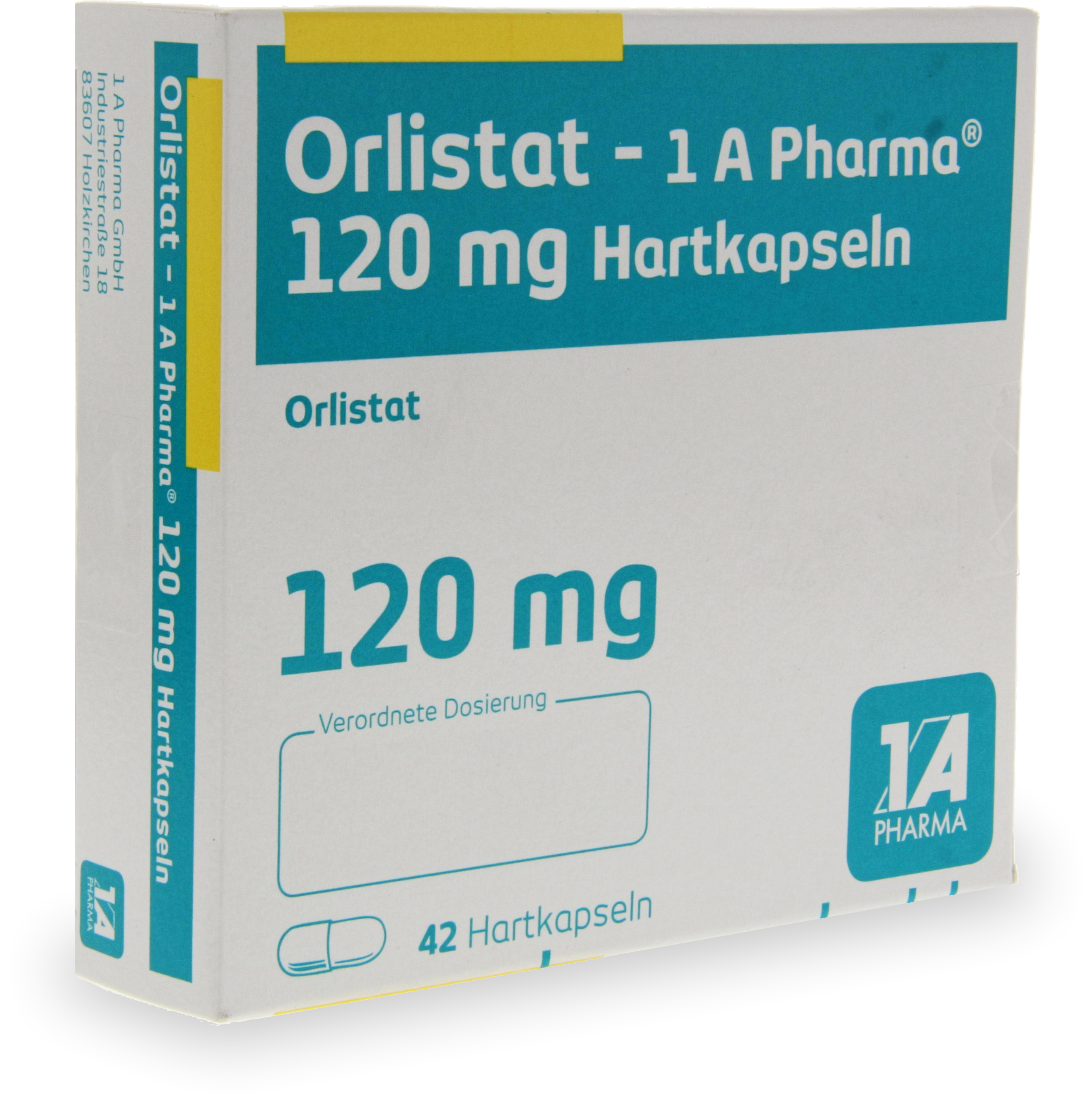
Orlistat
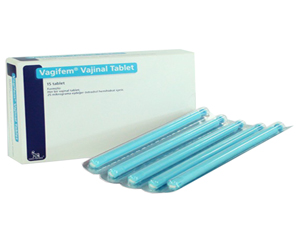
Vagifem
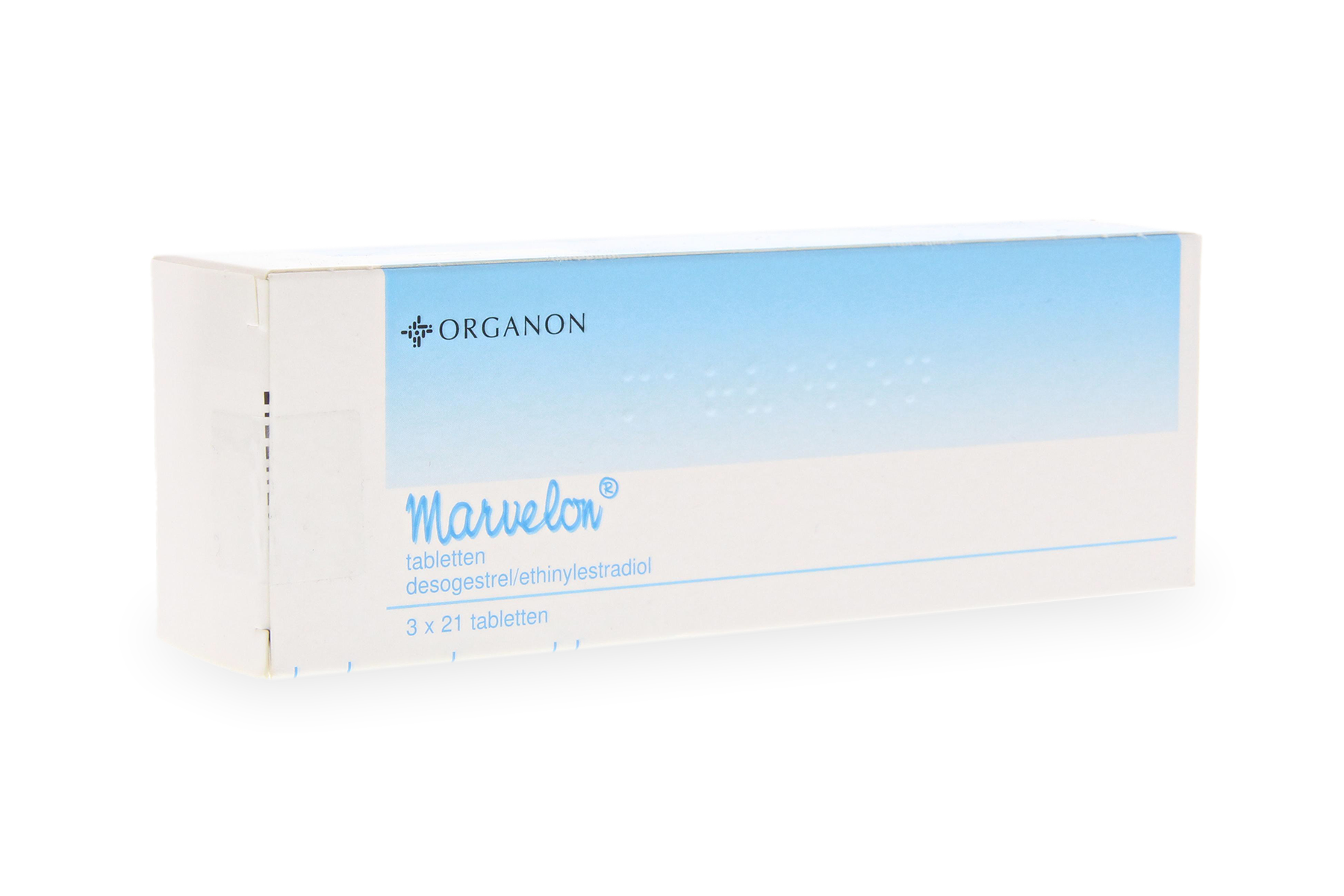
Marvelon
Desloratadine
Arcoxia
Levothyroxine
Mercilon
Adenuric

Metoclopramide
Tadalafil
Valsartan
Spironolactone
Eliquis
Xarelto

Vardenafil
Allopurinol
Hydroxychloroquine
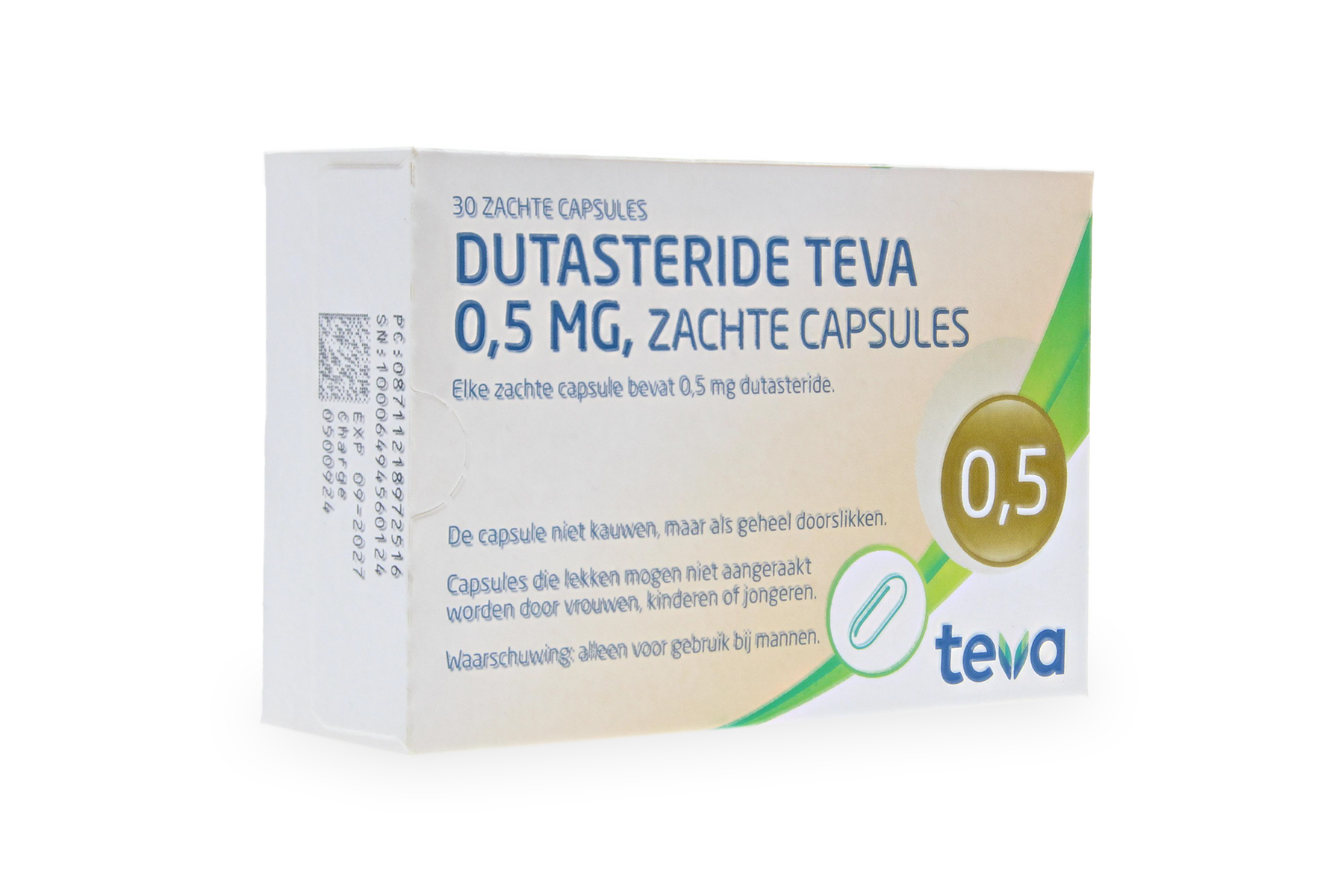
Dutasteride
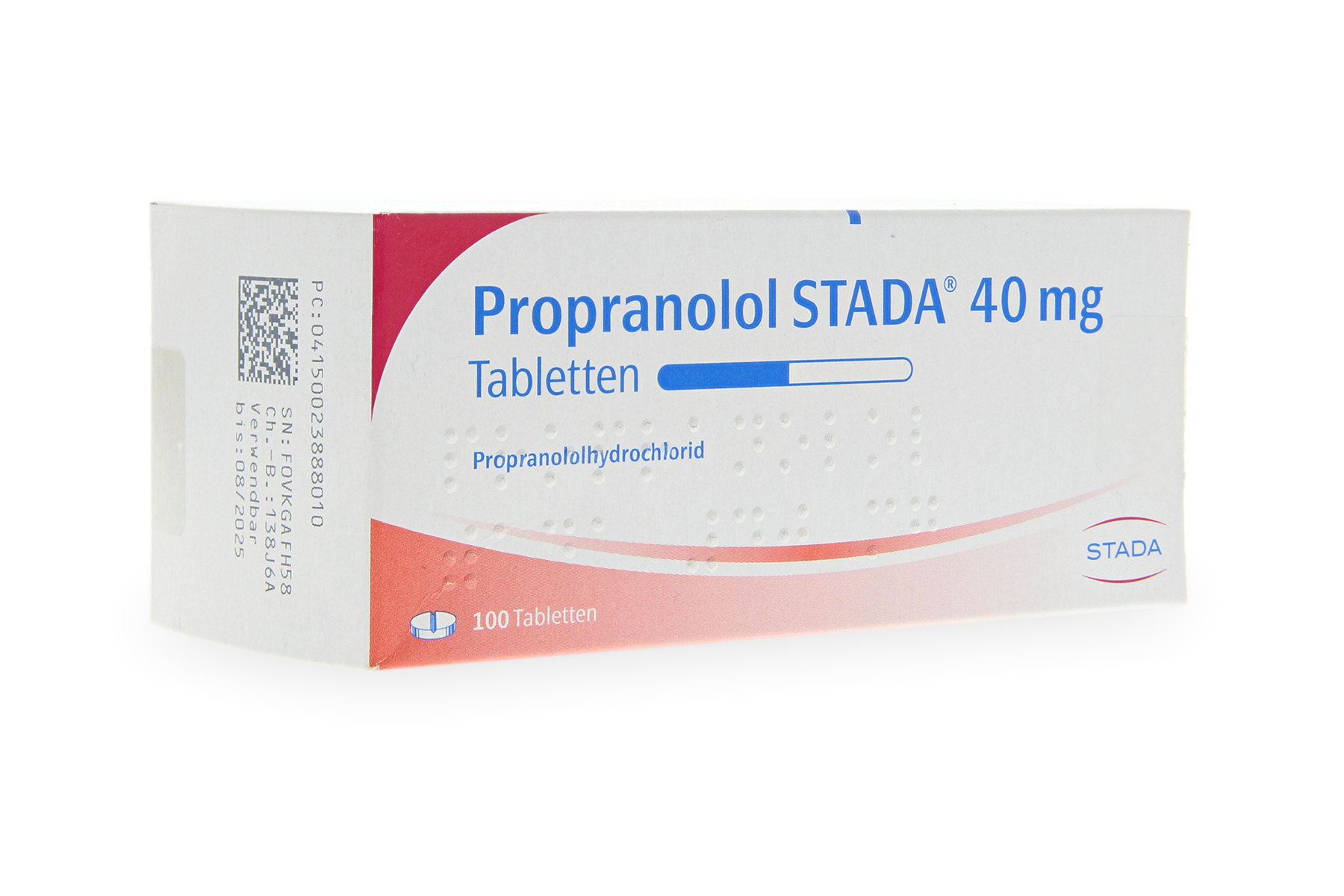
Propranolol

Wegovy
Circadin
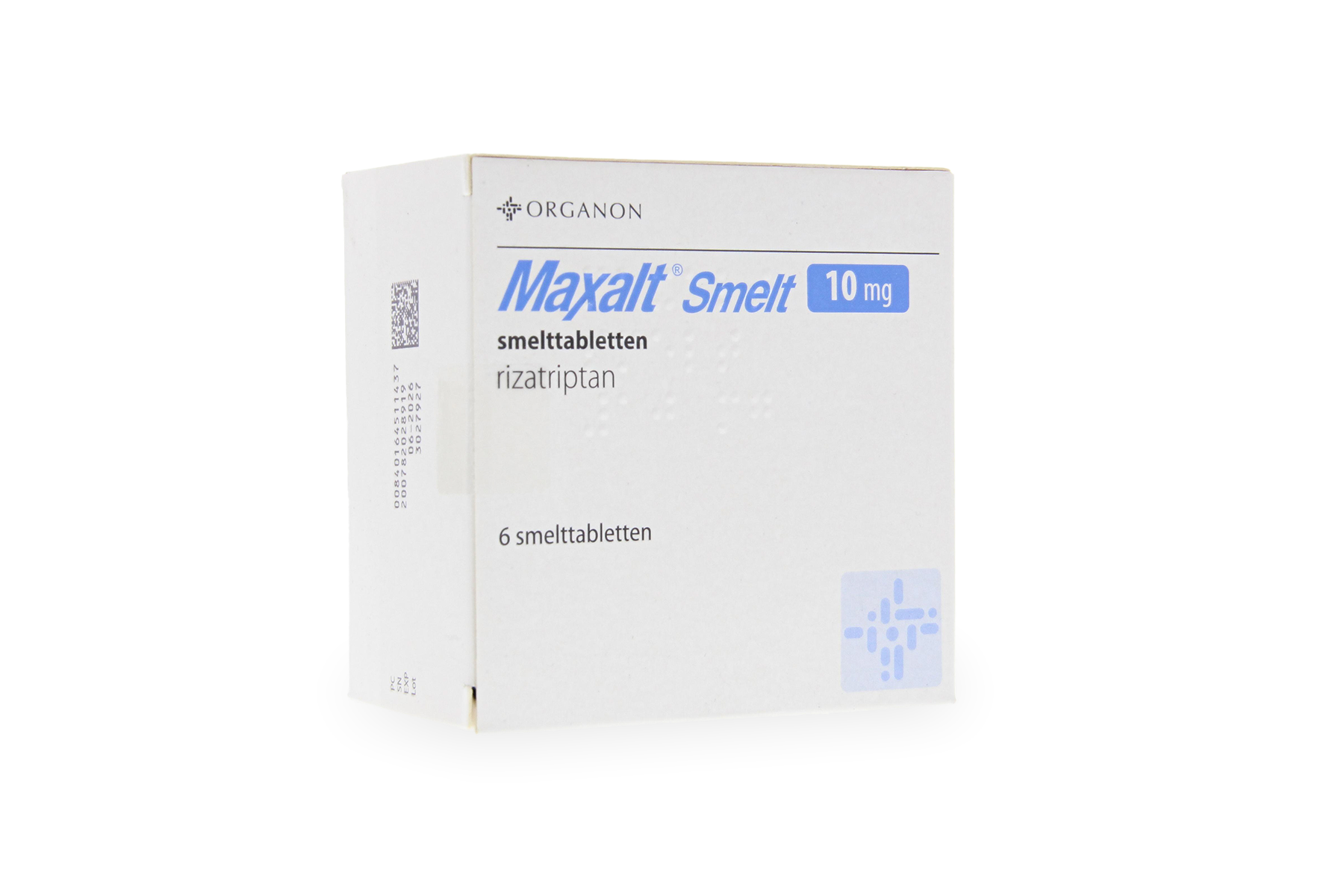
Maxalt
Amlodipine
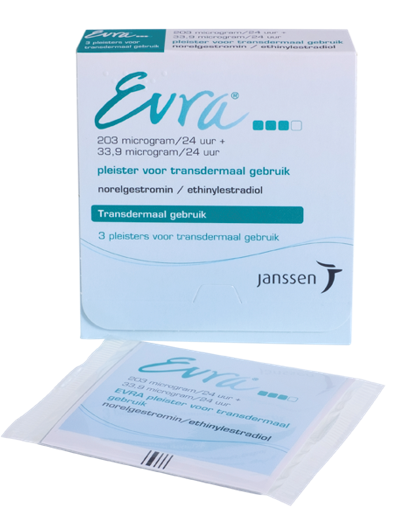
Evra Patches

Mounjaro

Dermovate
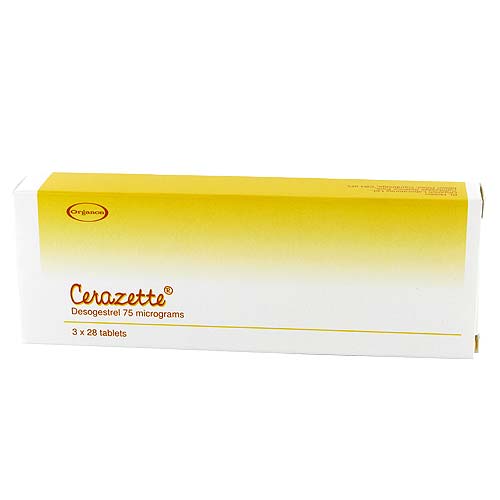
Cerazette

Viagra

Melatonin
Emla Cream
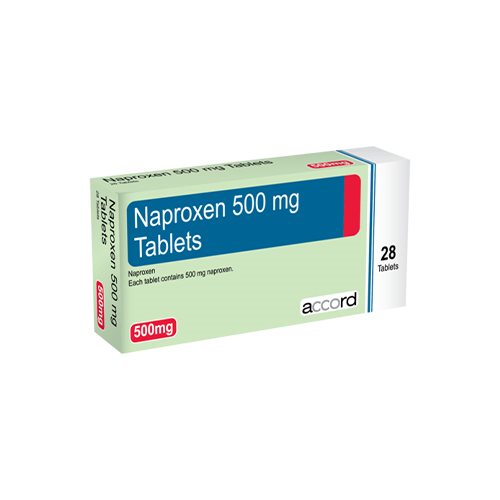
Naproxen
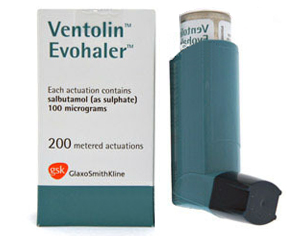
Ventolin

Bricanyl Turbohaler
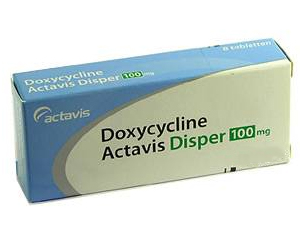
Doxycycline (Malaria)
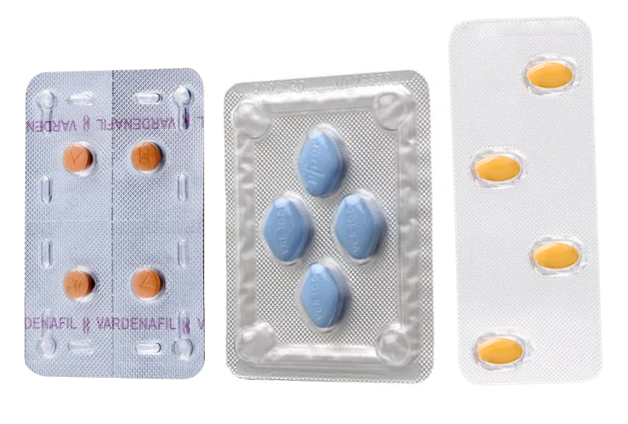
Impotence Trial Pack

Microgynon 30
Fucidin
Bisoprolol
Losartan
Pulmicort Turbohaler
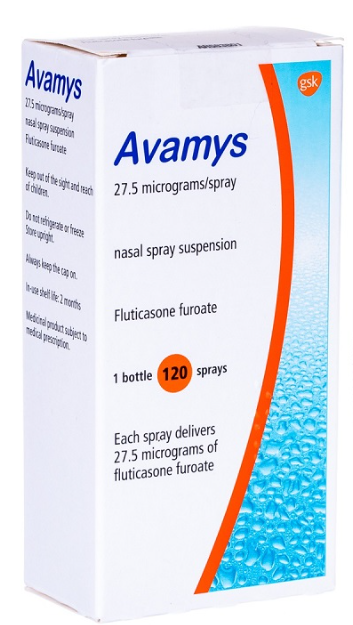
Avamys
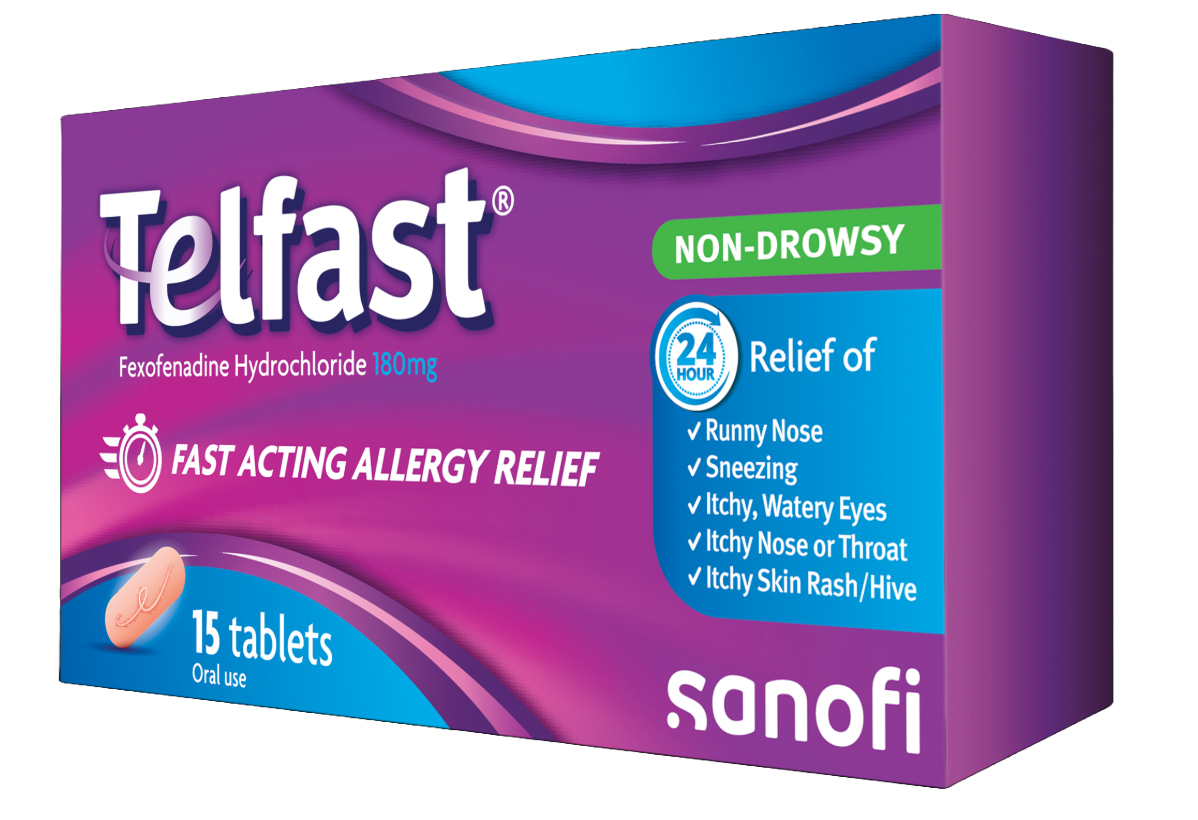
Telfast
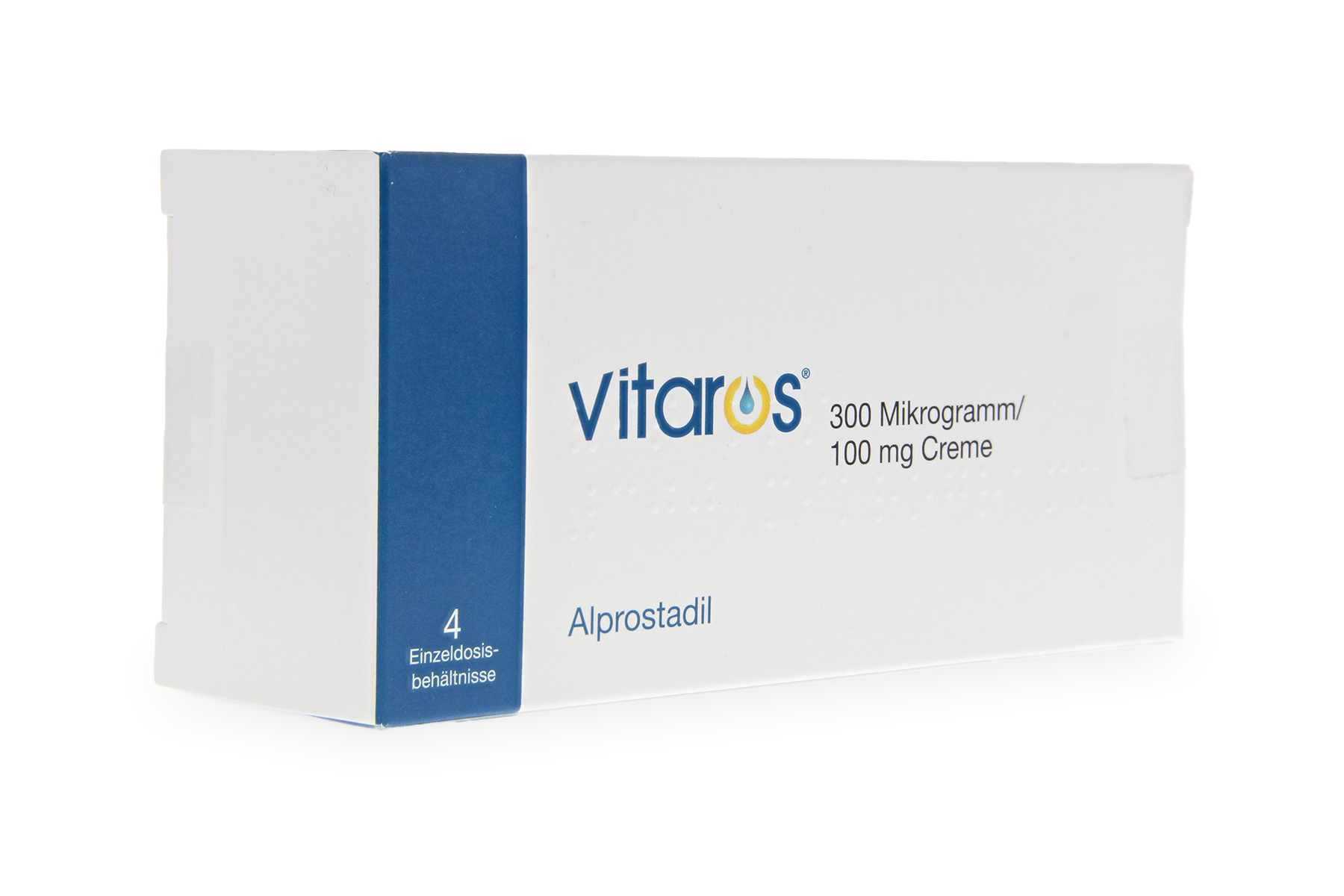
Vitaros

Zyloric
Kliovance
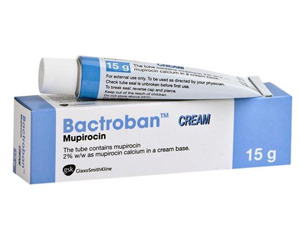
Bactroban
Elocon
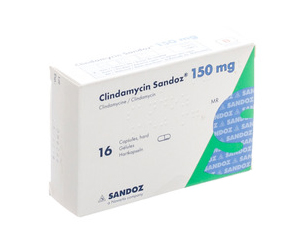
Clindamycin
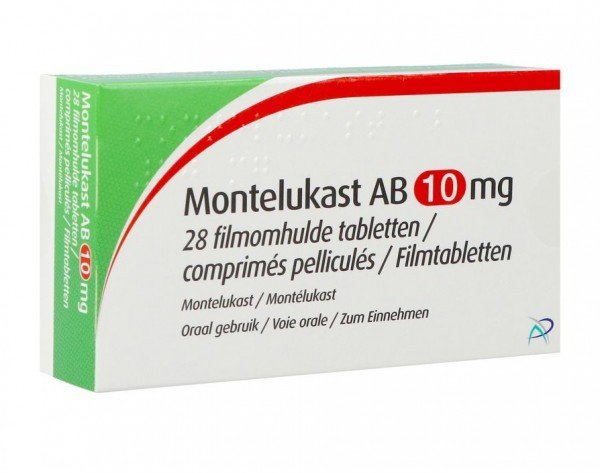
Montelukast
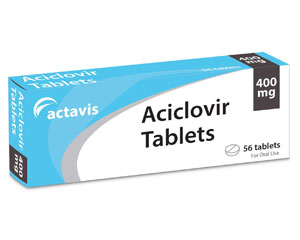
Aciclovir
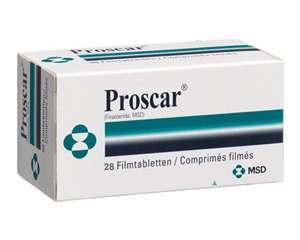
Proscar

Differin
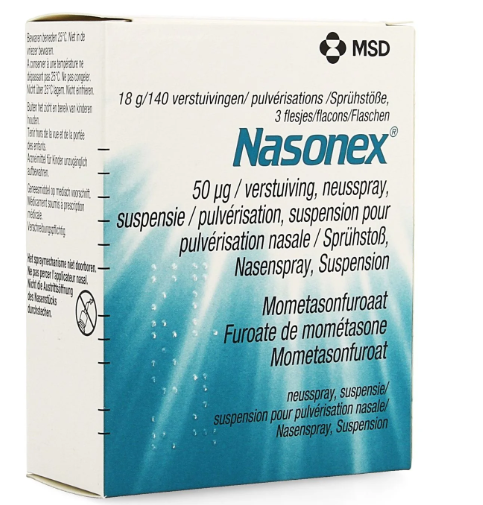
Nasonex Nasal Spray
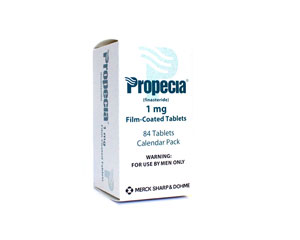
Propecia
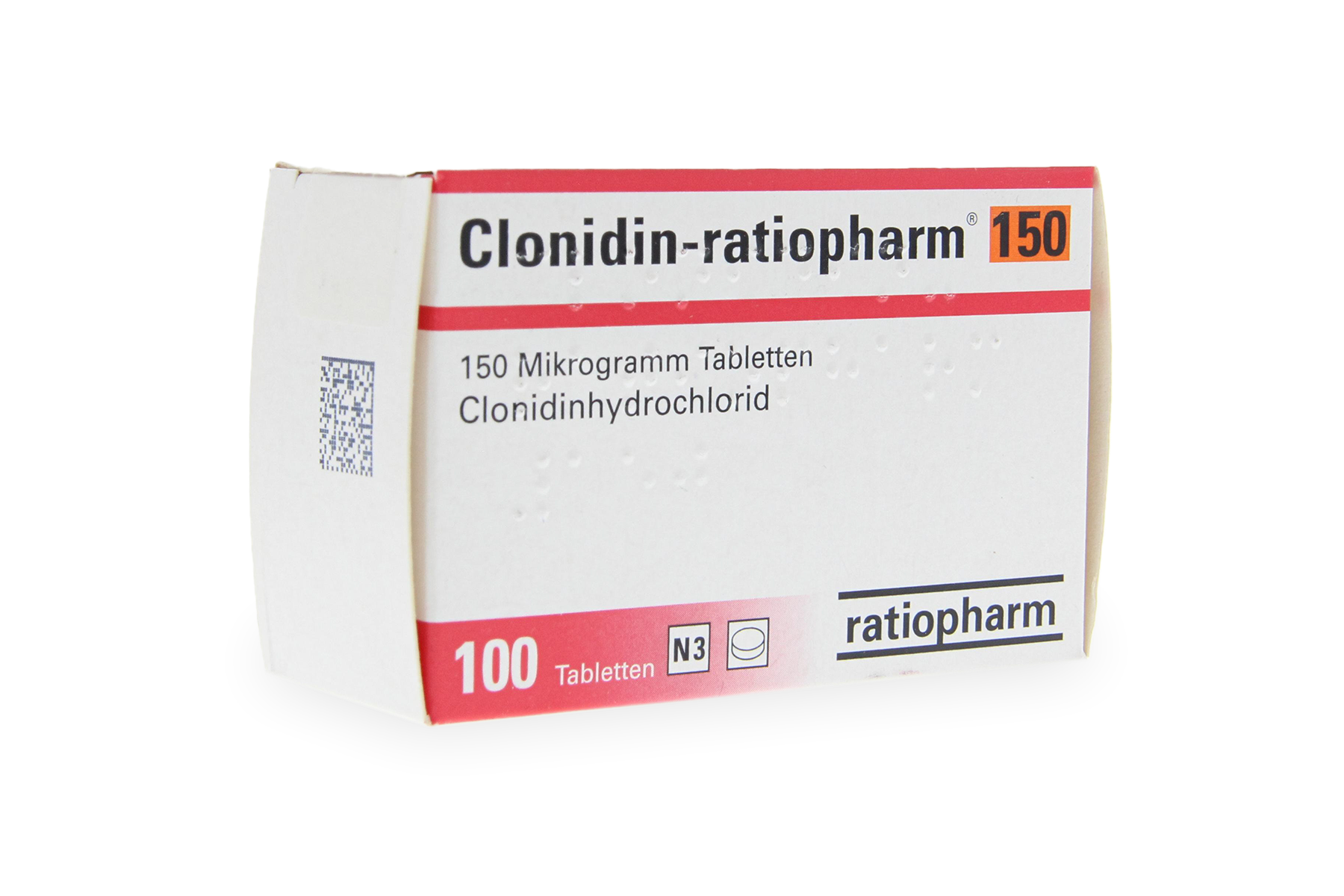
Clonidine
Femoston
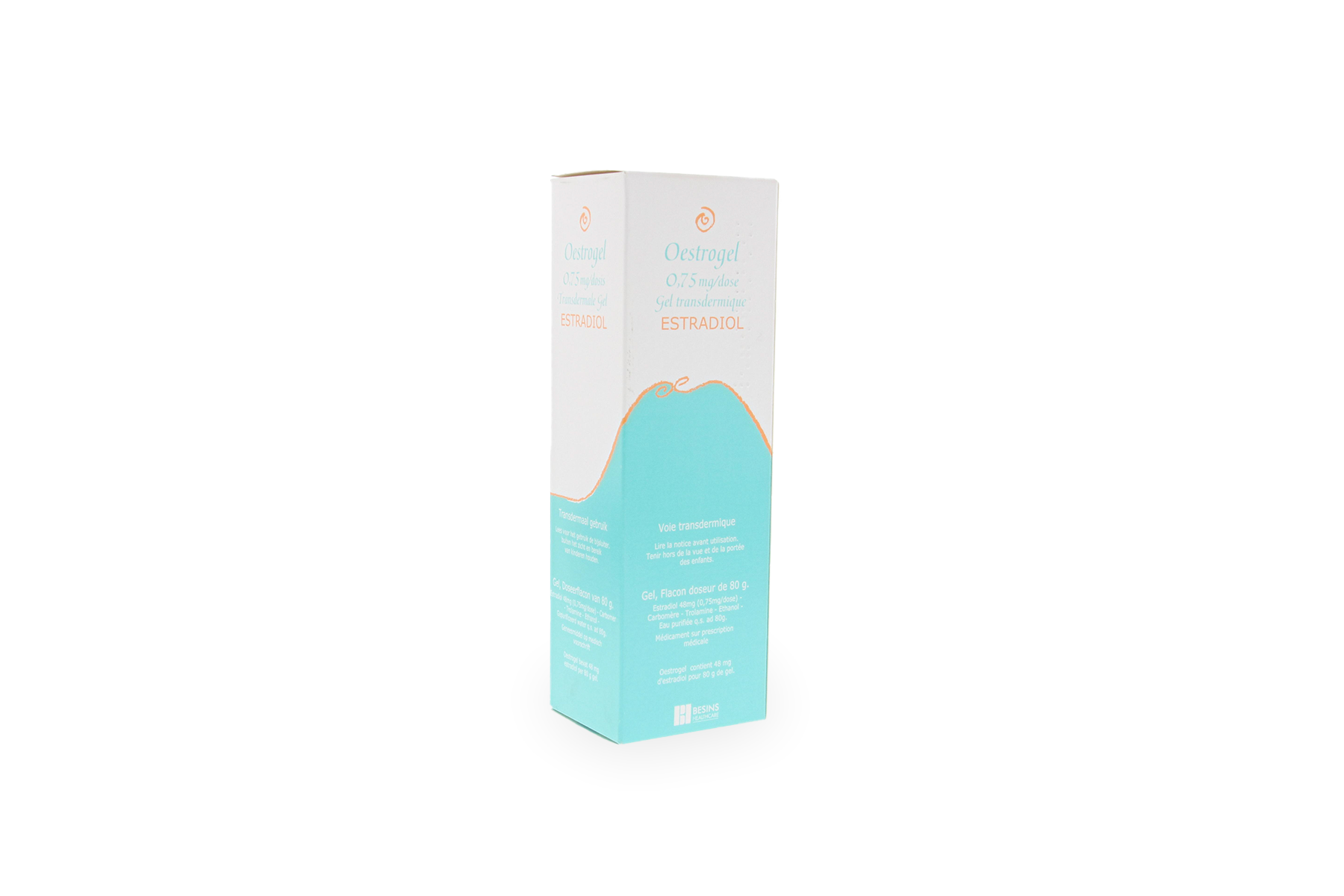
Oestrogel
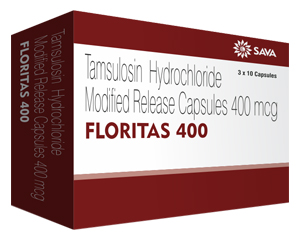
Tamsulosin MR
Azyter
Esomeprazole
Proscar (Finasteride)
Diclofenac SR
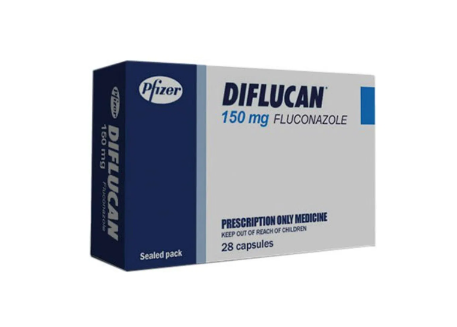
Diflucan
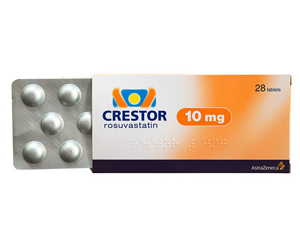
Crestor
Lansoprazole
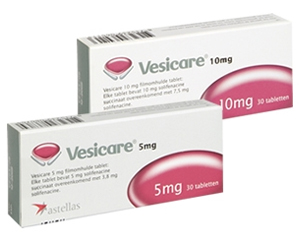
Vesicare
Flixotide
Serevent
Atenolol
Janumet
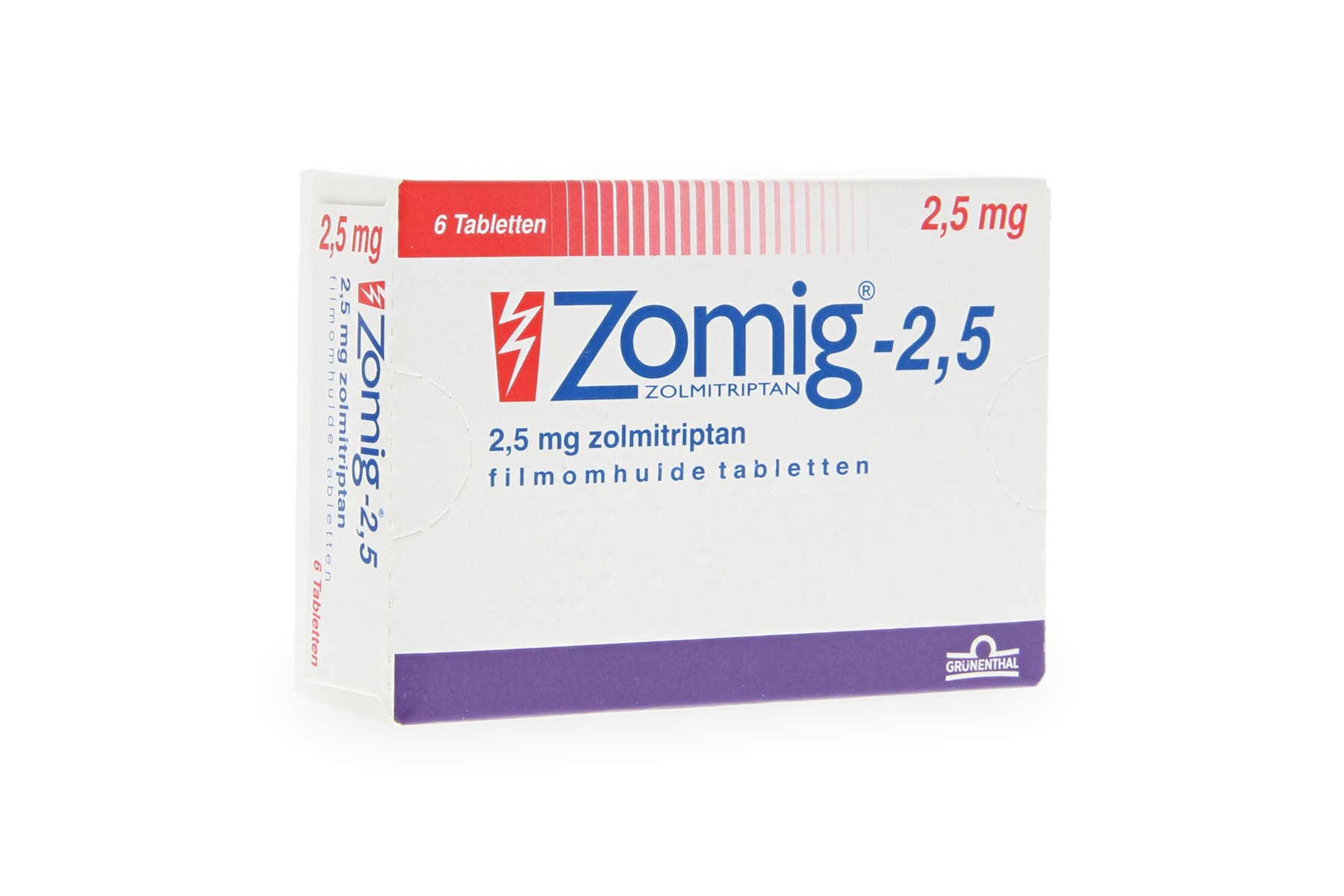
Zomig
Contraception
Choosing the Right Contraception
With over a dozen contraceptive methods available, finding the one that best suits your lifestyle, health profile, and reproductive plans can feel overwhelming. The good news is that modern contraception offers more choice and flexibility than ever before, and a method that works well for one person may not be the best fit for another.
Hormonal methods remain the most widely used form of reversible contraception. The combined oral contraceptive pill (often simply called "the pill") contains synthetic oestrogen and progestogen and is taken daily for 21 days followed by a 7-day break. Progestogen-only options include the mini-pill, the hormonal coil (IUS), the implant, and the injectable. Each has its own advantages regarding convenience, cycle control, and suitability for women with certain health conditions.
Non-hormonal methods such as the copper coil (IUD), condoms, and the diaphragm offer effective protection without altering hormone levels. They may be preferred by women who experience hormonal side effects or who have medical contraindications to oestrogen-containing products. Barrier methods also provide protection against sexually transmitted infections, which hormonal methods do not.
Hormonal Contraceptive Options
The combined pill, which includes brands such as Yasmin, Microgynon, and Cilest, is one of the most popular choices. When taken correctly, it is over 99 per cent effective. Beyond contraception, it can help regulate periods, reduce menstrual pain, and improve acne. However, it is not suitable for women over 35 who smoke, those with a history of blood clots, or those with certain types of migraine.
The progestogen-only pill (mini-pill) is an alternative for women who cannot take oestrogen. It must be taken at the same time every day (or within a 12-hour window for desogestrel-based pills) to remain effective. The contraceptive patch (Evra) and the vaginal ring (NuvaRing) deliver hormones through the skin or vaginal mucosa respectively, removing the need to remember a daily pill.
Long-acting reversible contraceptives (LARCs), including the hormonal coil, implant, and injection, are particularly effective because they do not depend on daily compliance. Once fitted or administered, they provide protection for months or years, making them an excellent choice for women who want reliable, low-maintenance contraception.
Side Effects and Safety
All hormonal contraceptives carry some risk of side effects, though many women use them without any problems at all. The most commonly reported effects include headaches, breast tenderness, mood changes, and irregular bleeding, particularly during the first few months of use. These often settle as the body adjusts to the new hormone levels.
The combined pill is associated with a small increased risk of venous thromboembolism (blood clots), which is why a thorough medical assessment is essential before prescribing. Women with specific risk factors such as obesity, immobility, or a family history of clotting disorders may be advised to use a progestogen-only method instead.
Weight gain is a common concern, but research suggests that most hormonal contraceptives do not cause significant weight increase. The injection (Depo-Provera) is the exception, with some studies showing modest weight gain over time. If you experience persistent side effects with one method, switching to a different formulation or delivery system often resolves the issue.
Missed Pills and Emergency Contraception
Missing a contraceptive pill happens to almost everyone at some point. The advice depends on which type of pill you take and how many doses you have missed. For combined pills, missing one pill usually requires no additional precautions provided you take it as soon as you remember. Missing two or more, especially at the start or end of the pill-free interval, may leave you unprotected and additional barrier contraception or emergency contraception may be needed.
Emergency contraception is available in two main forms. The emergency hormonal pill (levonorgestrel or ulipristal acetate) can be taken up to 72 or 120 hours after unprotected intercourse respectively, though effectiveness decreases with time. The copper coil, fitted within five days, is the most effective form of emergency contraception and also provides ongoing protection.
If you frequently forget pills, it may be worth discussing a longer-acting method with your prescriber. Switching to a patch, ring, implant, or coil can remove the daily burden and provide more reliable protection.
Ordering Contraception Online
For women who are already established on a particular contraceptive and simply need a repeat supply, ordering online through a regulated pharmacy is a convenient option. The consultation process involves answering questions about your health, blood pressure, and any recent changes to your medical history. A prescriber reviews this information and, if appropriate, authorises the prescription.
New users can also access contraception online in many cases, though an initial blood pressure reading and BMI assessment are usually required for combined hormonal methods. Some online services provide home blood pressure monitors or accept readings taken at a local pharmacy.
As with all medications ordered online, it is important to use a service that is registered with the appropriate pharmaceutical regulatory body. Legitimate online pharmacies will always involve a clinical review before dispensing and will refuse to supply medication if it is not safe to do so.
Frequently Asked Questions
What is the difference between the combined pill and the mini pill?
Can I get the contraceptive pill prescribed online?
How quickly does the pill start working?
What should I do if I miss a contraceptive pill?
Dr. Ross Elledge
General Practitioner · General & Family Medicine
Verified Healthcare Professional
TopDoctors ProfileThis website provides general information about medicines for educational purposes only. Always consult your doctor or pharmacist before taking any medication.