
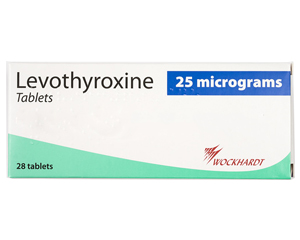
Levothyroxine
View Options
This website provides general information about medicines for educational purposes only. Always consult your doctor or pharmacist before taking any medication.
Choose Your Medicine
Select dosage and quantity
Online Consultation
Reviewed by a qualified physician
Fast, Discreet Delivery
Delivered to your door
Medical Information
About This Medicine
Levothyroxine sodium is a synthetic form of the thyroid hormone thyroxine (T4), used as replacement therapy in the treatment of hypothyroidism (underactive thyroid gland) and thyroid hormone deficiency of all causes. It is the standard treatment for hypothyroidism in the UK and worldwide, and is one of the most commonly prescribed medications in primary care.
How Levothyroxine Works
In hypothyroidism, the thyroid gland produces insufficient thyroid hormone, leading to a slowing of metabolism and the classic symptoms of the condition: fatigue, weight gain, cold intolerance, constipation, dry skin, depression, and cognitive slowing. Levothyroxine is converted in the body to triiodothyronine (T3), the more biologically active thyroid hormone, which regulates metabolism, energy production, heart function, and growth and development.
When It Is Prescribed
Levothyroxine is used in autoimmune hypothyroidism (Hashimoto's thyroiditis, the most common cause in the UK), post-thyroidectomy hormone replacement, thyroid ablation after radioiodine therapy, and congenital hypothyroidism. It is also sometimes used in the management of differentiated thyroid cancer to suppress TSH.
Usage & Dosage
How to Take Levothyroxine
Take levothyroxine once daily on an empty stomach, 30–60 minutes before breakfast or at bedtime (at least 4 hours after eating). Consistency in timing and food intake is critical, as food, calcium, iron, and many other substances significantly reduce levothyroxine absorption. Swallow the tablet whole with a full glass of water.
Important Timing Rules
Do not take levothyroxine within 4 hours of calcium supplements, calcium-containing antacids, iron supplements, cholestyramine, sucralfate, or proton pump inhibitors, as these all significantly reduce absorption. Coffee and soya products also interfere with absorption. Taking levothyroxine at bedtime (after a 4-hour fast) is an evidence-based alternative that some patients find more convenient and that may improve absorption.
Levothyroxine tablets are available in 25 mcg, 50 mcg, 75 mcg, 100 mcg, 125 mcg, and 150 mcg strengths. Initial dosing in healthy young adults is typically 50–100 mcg daily. In elderly patients, patients with cardiovascular disease, and in severe hypothyroidism, a starting dose of 12.5–25 mcg is used, with gradual increases. The maintenance dose is typically 100–200 mcg daily, guided by TSH levels. Dose adjustments should be made every 6–8 weeks based on TSH results.
Side Effects
Signs of Over-Replacement
The side effects of levothyroxine are almost exclusively those of over-treatment (iatrogenic hyperthyroidism). These include palpitations, rapid heart rate (tachycardia), atrial fibrillation, tremor, anxiety, irritability, insomnia, excessive sweating, heat intolerance, diarrhoea, weight loss, and osteoporosis with long-term over-replacement. These symptoms should prompt a TSH check and likely dose reduction.
Under-Treatment
Symptoms of under-treatment (insufficient dose) include persistence of hypothyroid symptoms: fatigue, weight gain, cold intolerance, depression, constipation, and brain fog. Dose insufficiency is confirmed by an elevated TSH on blood testing.
Warnings & Precautions
Levothyroxine increases the sensitivity of the heart to catecholamines and should be used with great caution in patients with cardiovascular disease, angina, or cardiac arrhythmias. Start with very low doses in these patients. Levothyroxine can enhance the anticoagulant effect of warfarin — monitor INR closely when starting or adjusting doses. It can also increase the effects of antidiabetic medications, necessitating dose adjustments. Do not switch between different brands of levothyroxine without medical advice, as absorption may vary slightly.
Contraindications
Levothyroxine is contraindicated in patients with untreated adrenal insufficiency (adrenal crisis may be precipitated), untreated thyrotoxicosis, and known hypersensitivity to levothyroxine or excipients. It should not be used for weight reduction in euthyroid patients.
Frequently Asked Questions
Why do I need to take levothyroxine before breakfast?
How often will I need blood tests on levothyroxine?
Will I need to take levothyroxine for life?
Dr. Ross Elledge
General Practitioner · General & Family Medicine
Verified Healthcare Professional
TopDoctors Profile