
Erectile Dysfunction Treatments
Erectile dysfunction (ED) affects around 50% of men aged 40–70. Effective prescription treatments are available online through a licensed doctor consultation. Most men see results within 30–60 minutes of taking oral ED medication.
PDE5 inhibitors like sildenafil and tadalafil are first-line treatments
A quick online consultation replaces the need for an in-person GP visit
Treatments are available in various dosages to suit individual needs
Discreet packaging and fast UK delivery as standard

Cialis
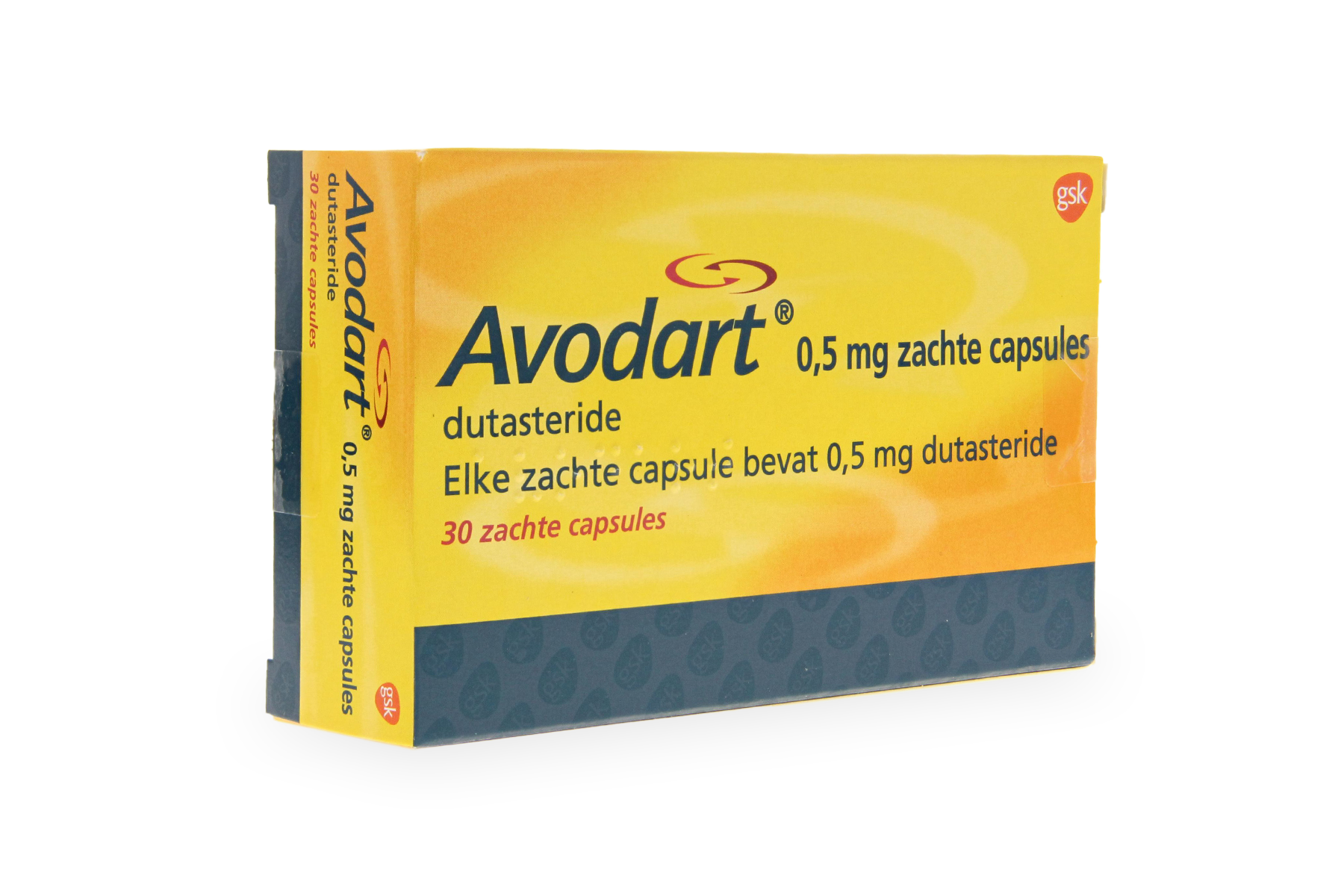
Avodart
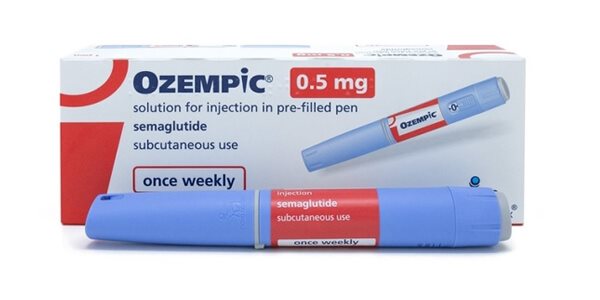
Ozempic

Nuvaring
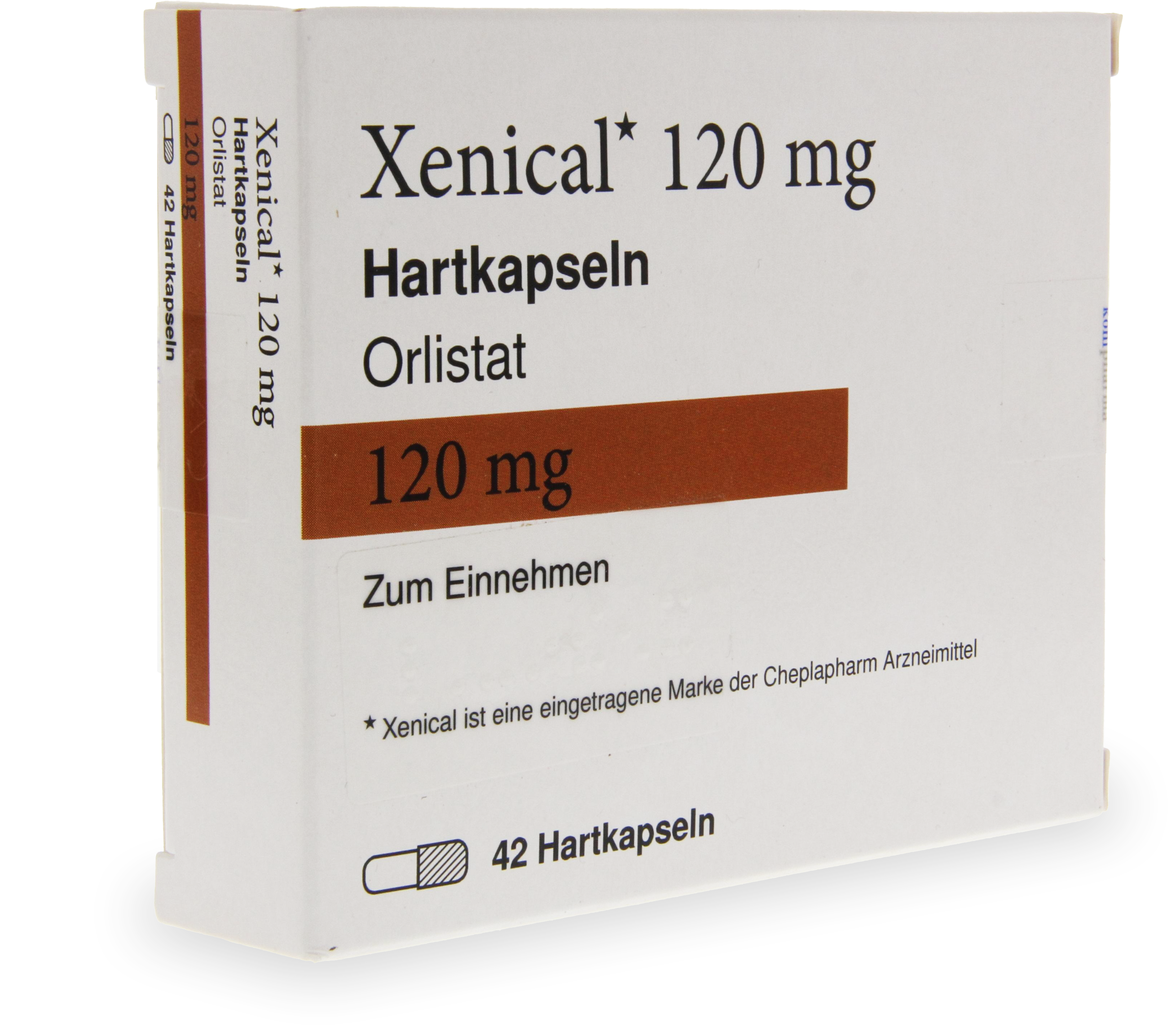
Xenical
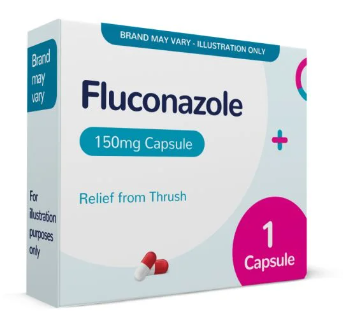
Fluconazole
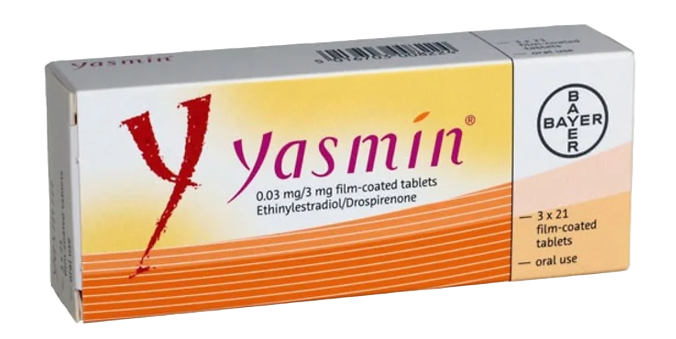
Yasmin
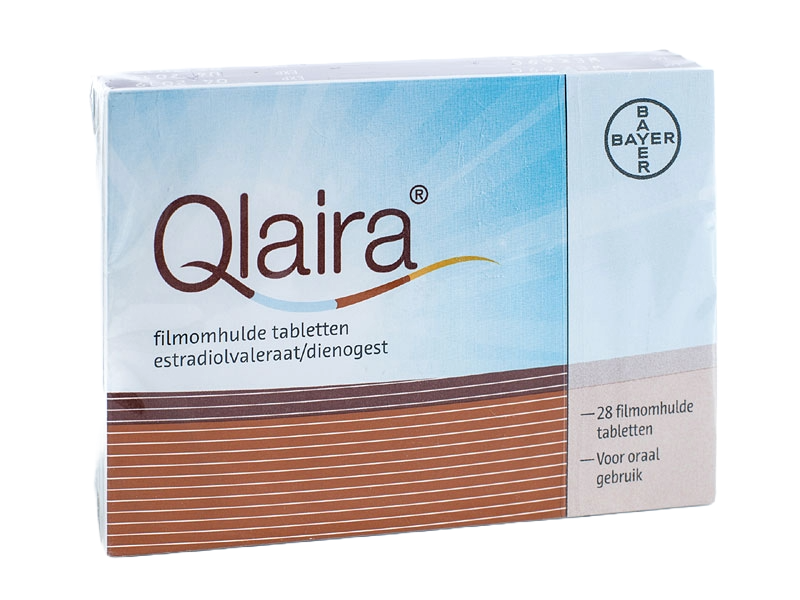
Qlaira
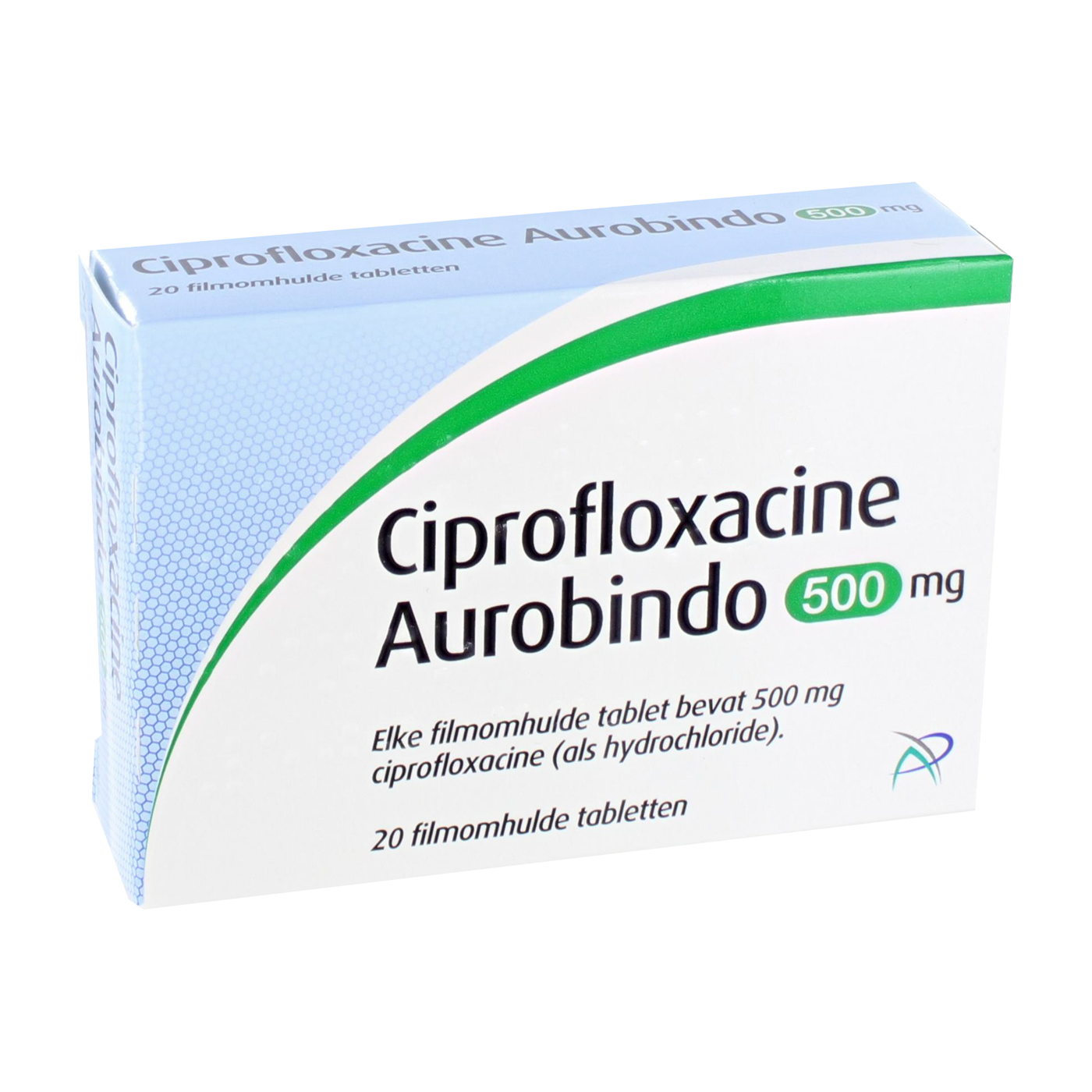
Ciprofloxacin
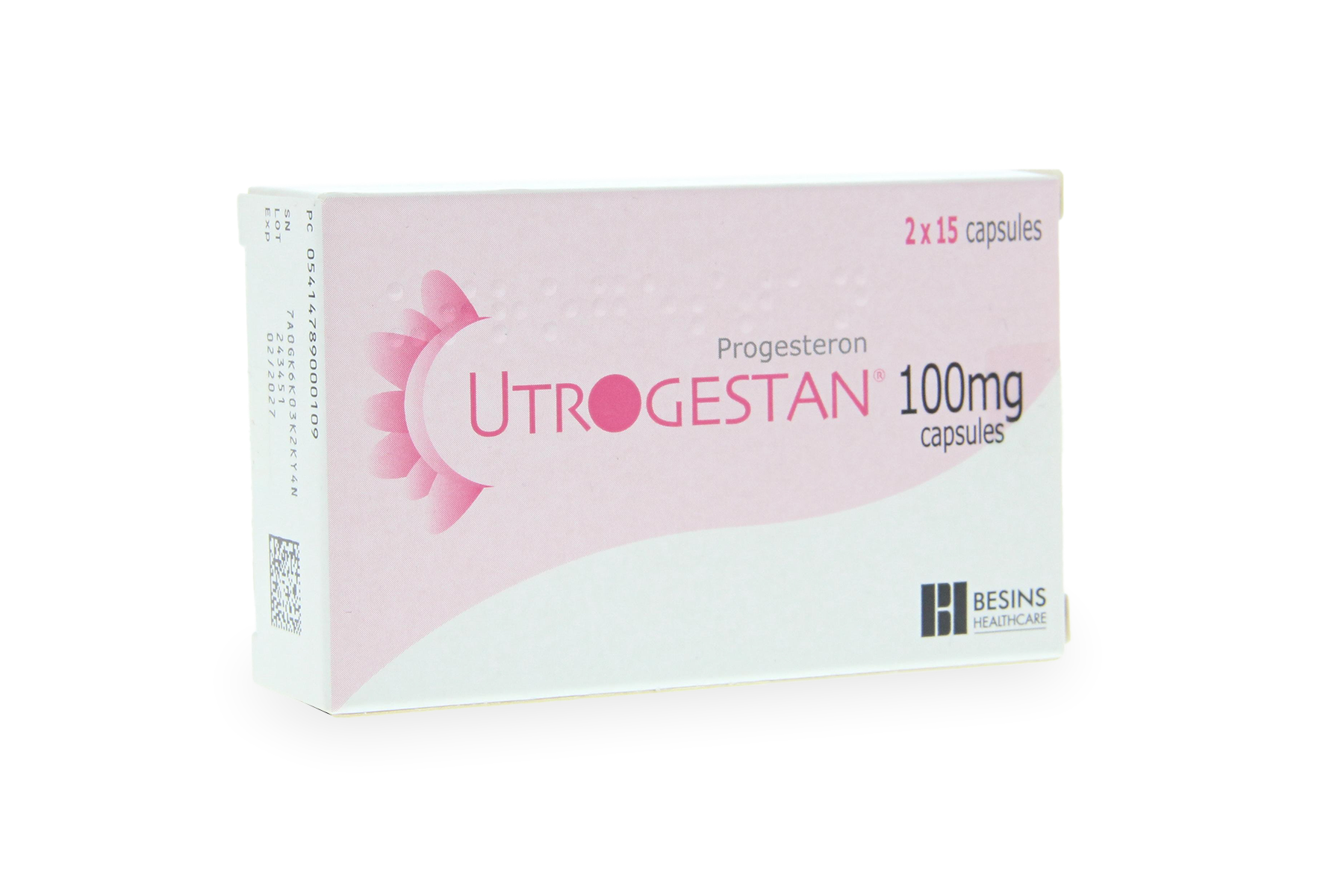
Utrogestan
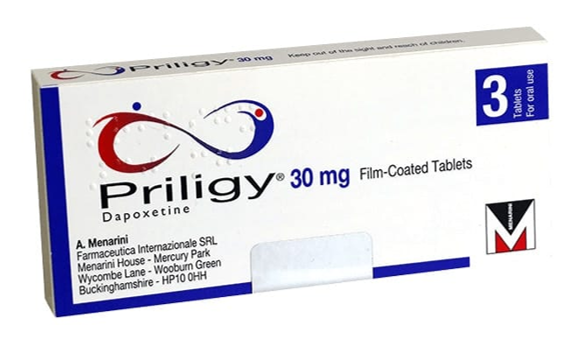
Priligy
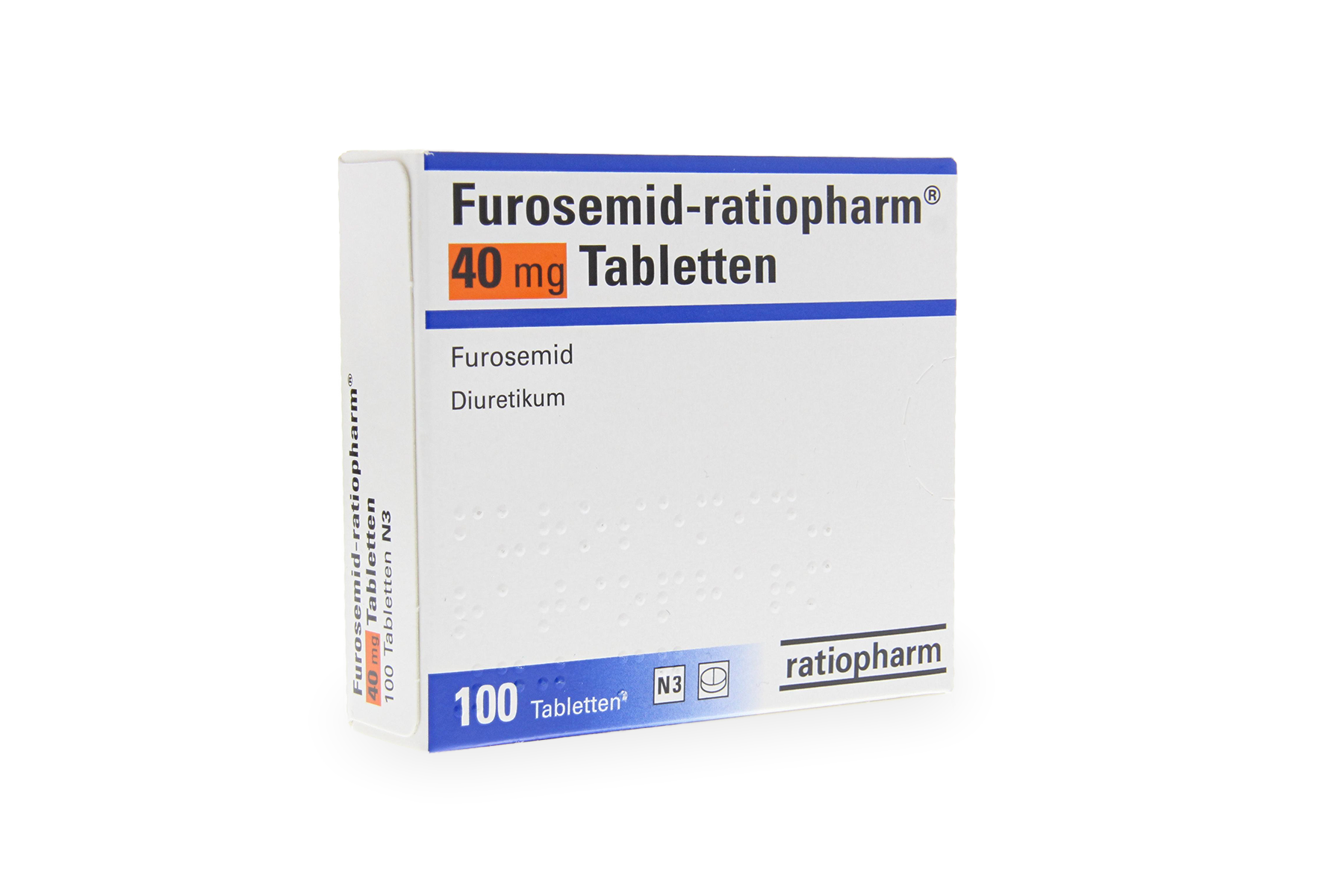
Furosemide
Omeprazole
Pantoprazole

Sildenafil
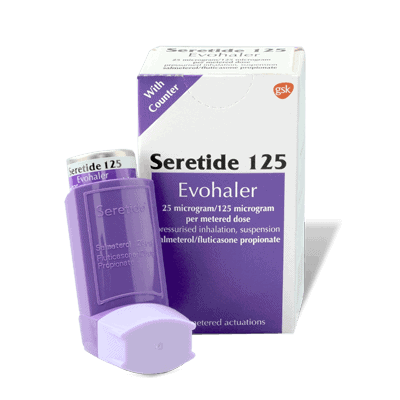
Seretide
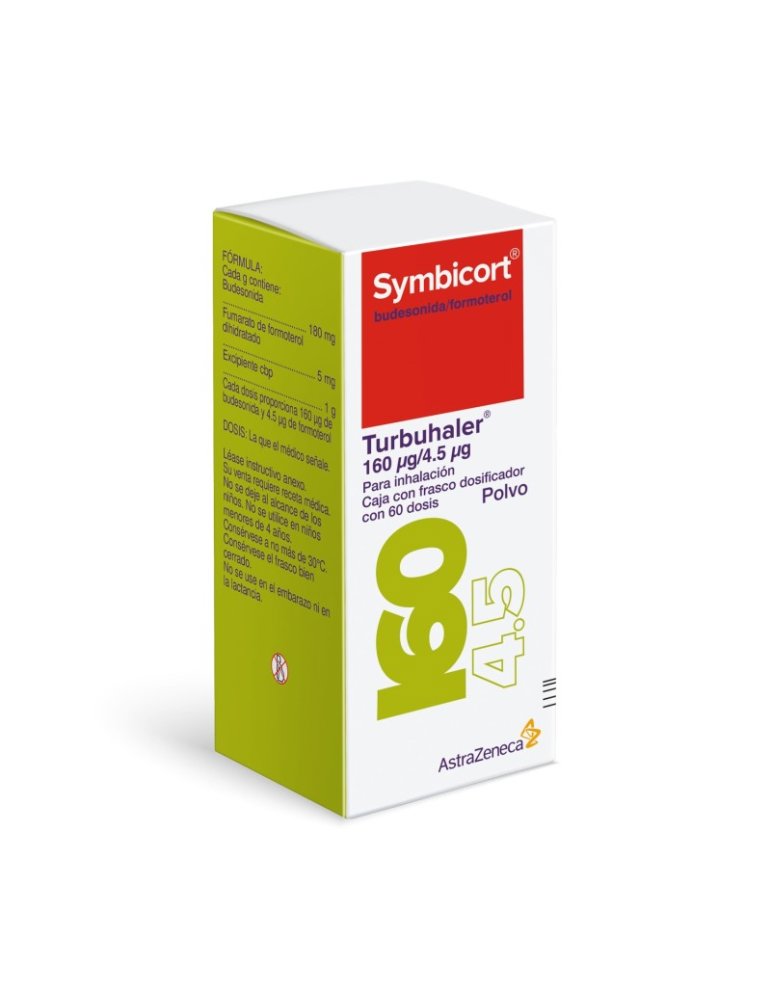
Symbicort Turbuhaler
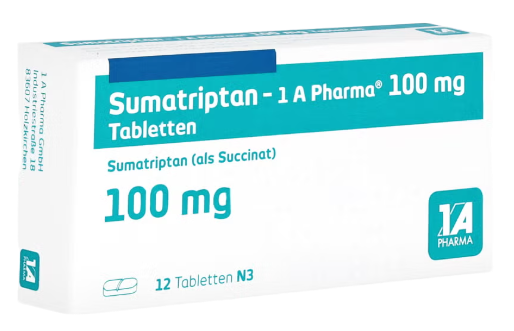
Sumatriptan
Betnovate
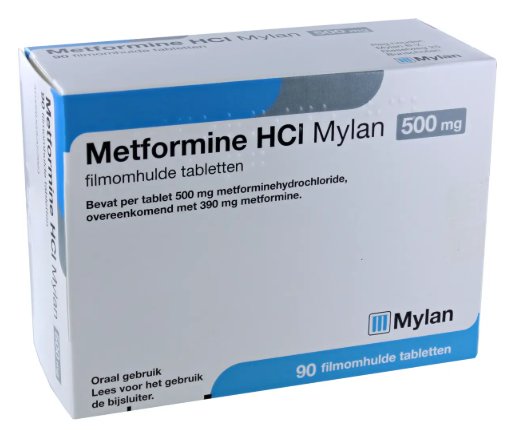
Metformin
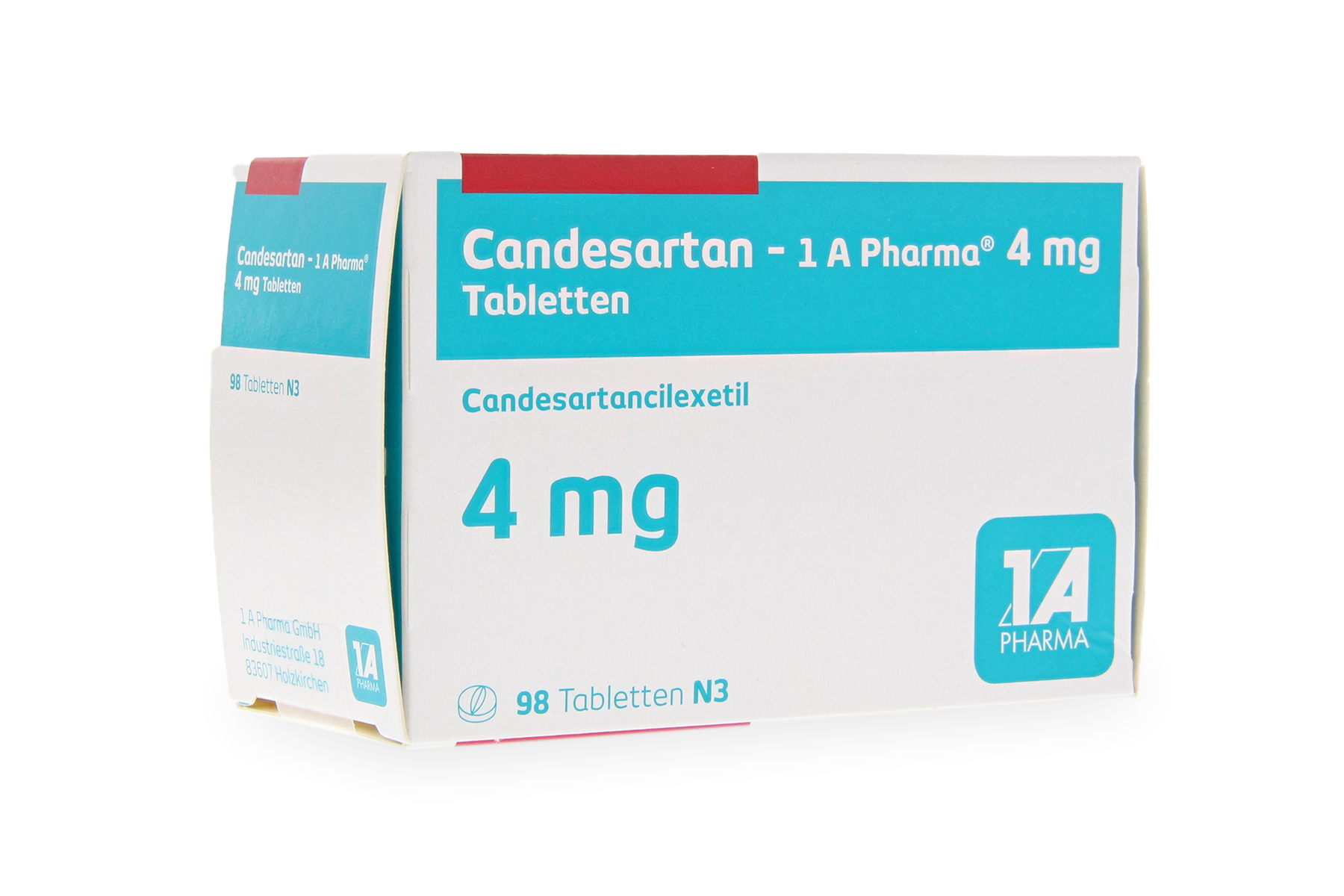
Candesartan
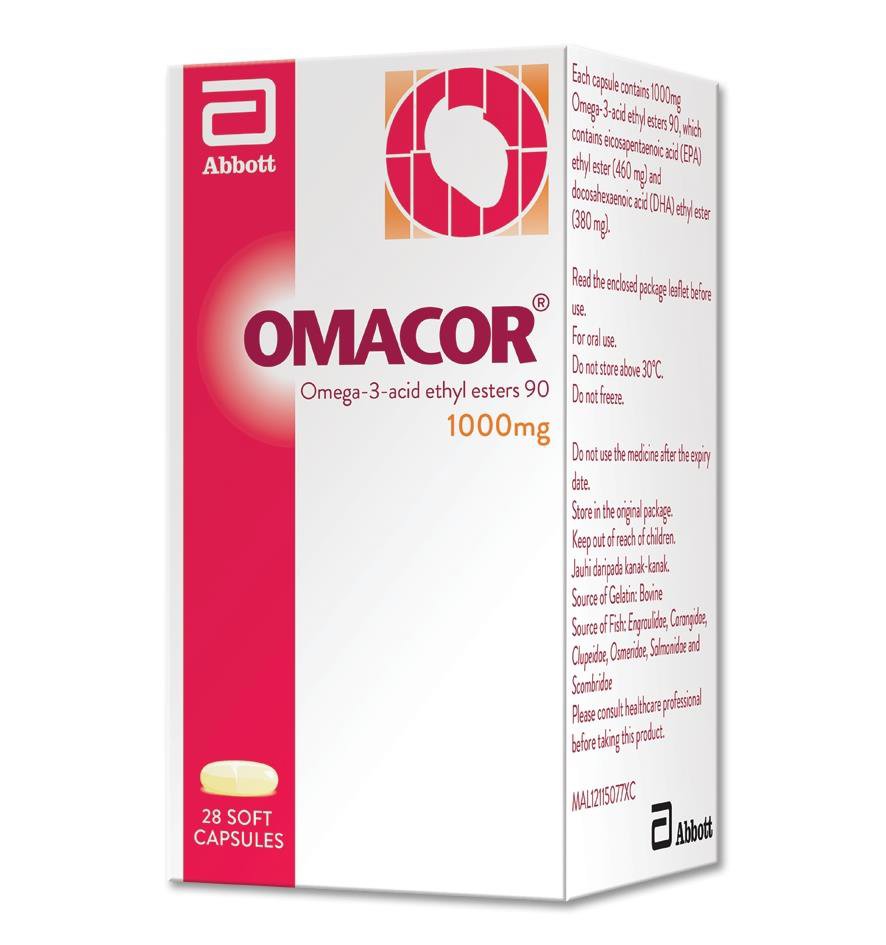
Omacor
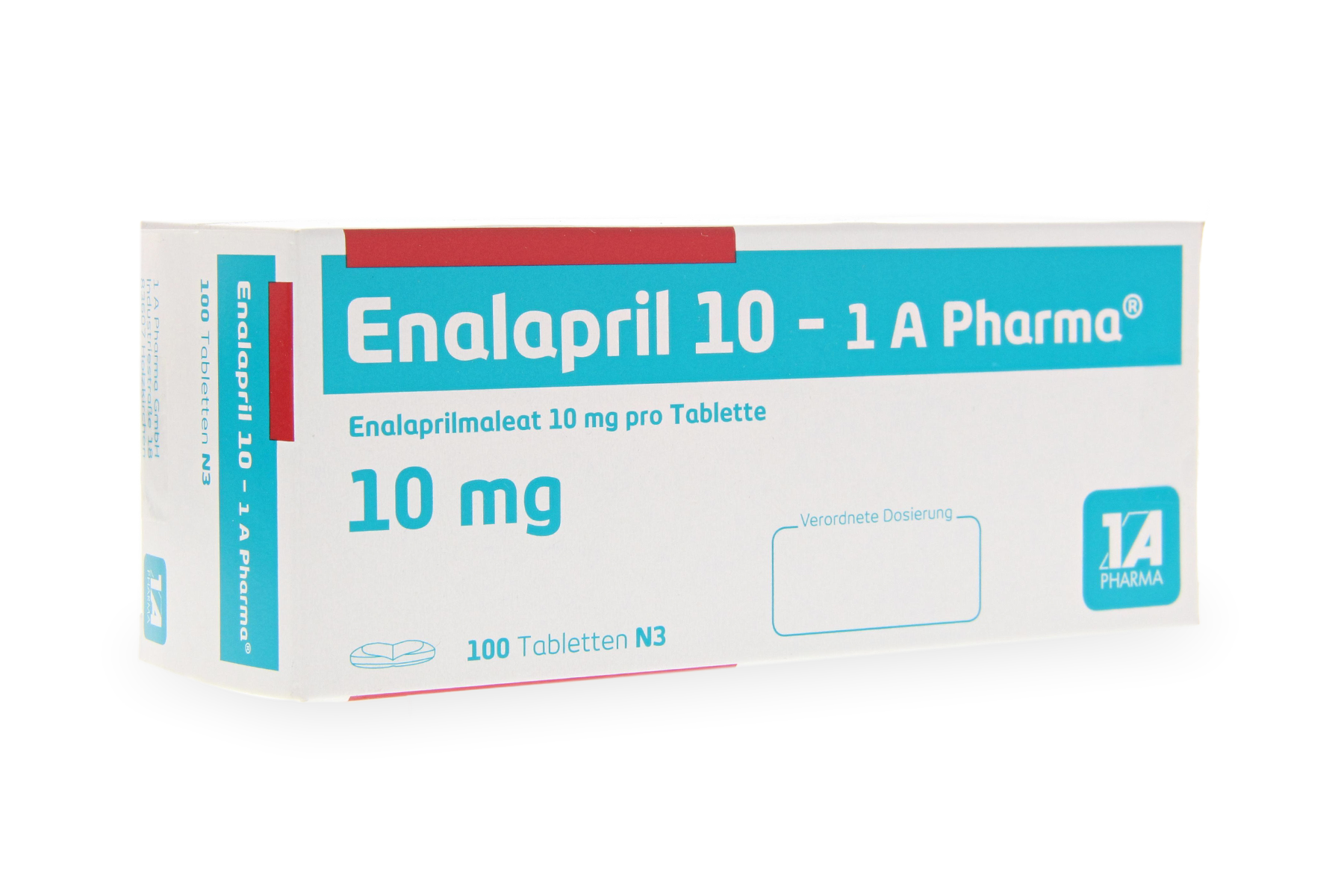
Enalapril
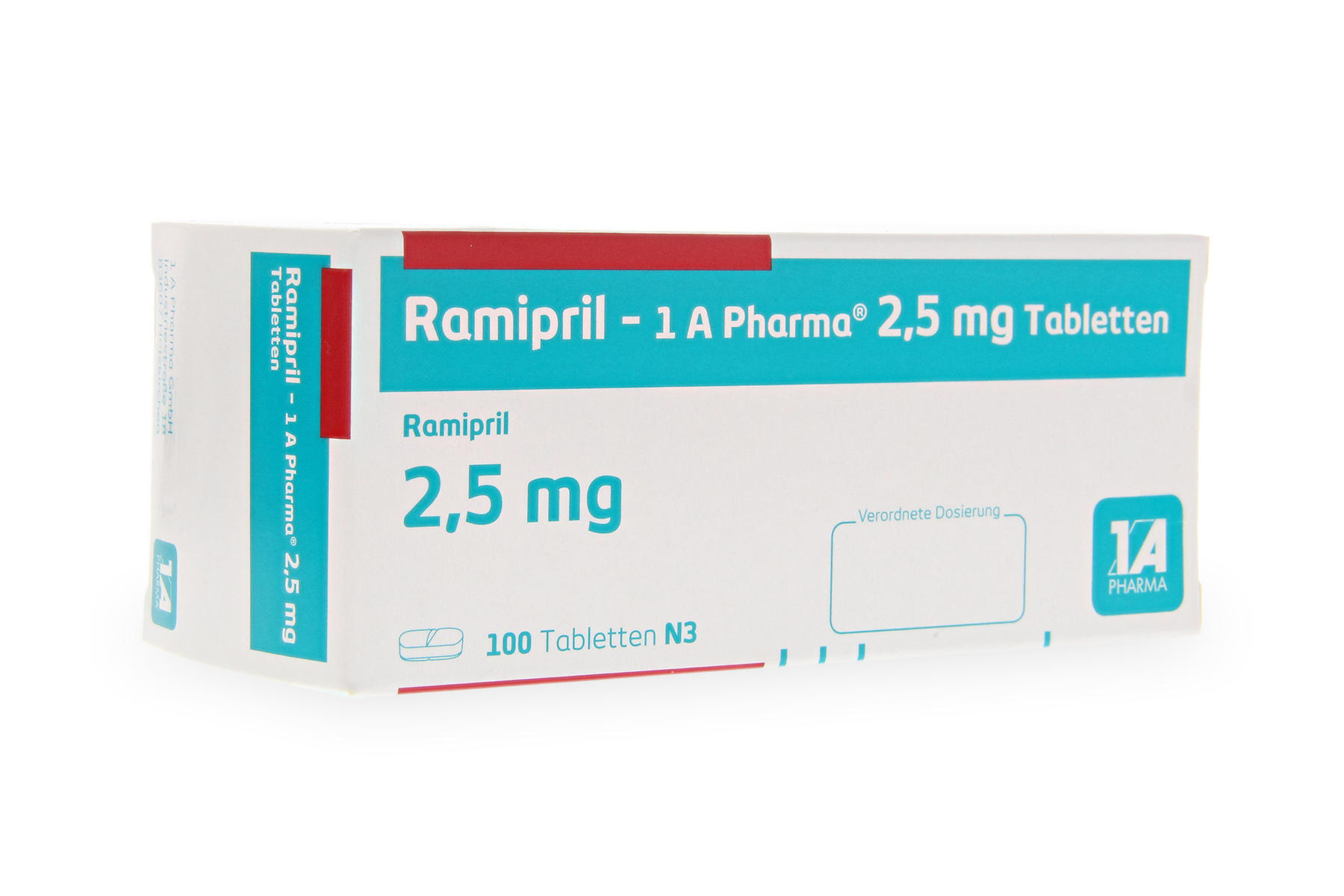
Ramipril
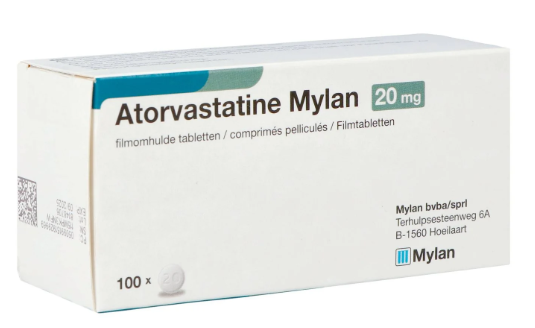
Atorvastatin
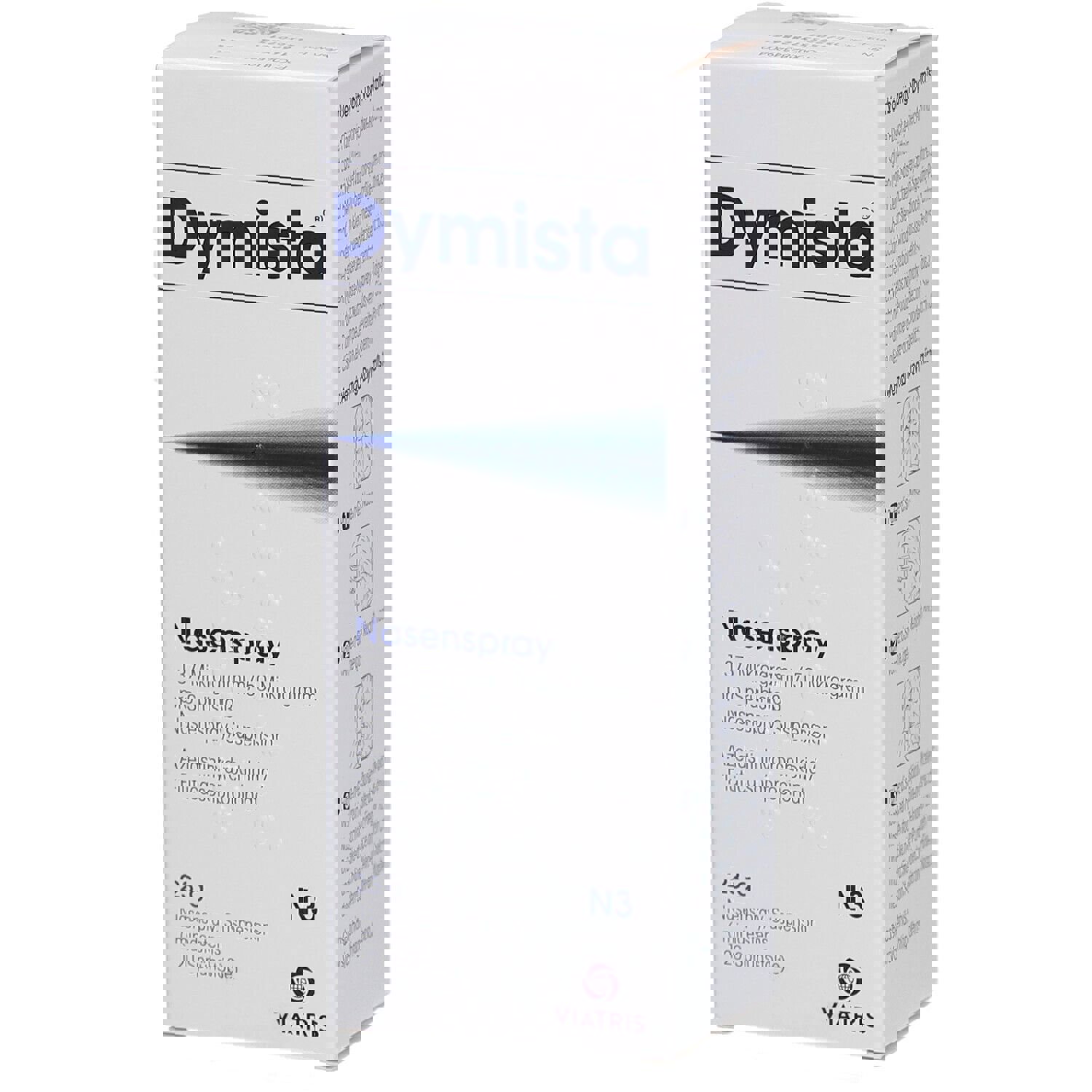
Dymista
Mirvaso

Spedra
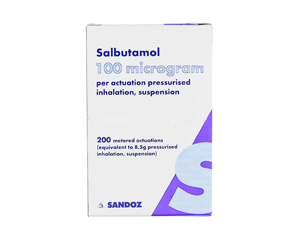
Salbutamol
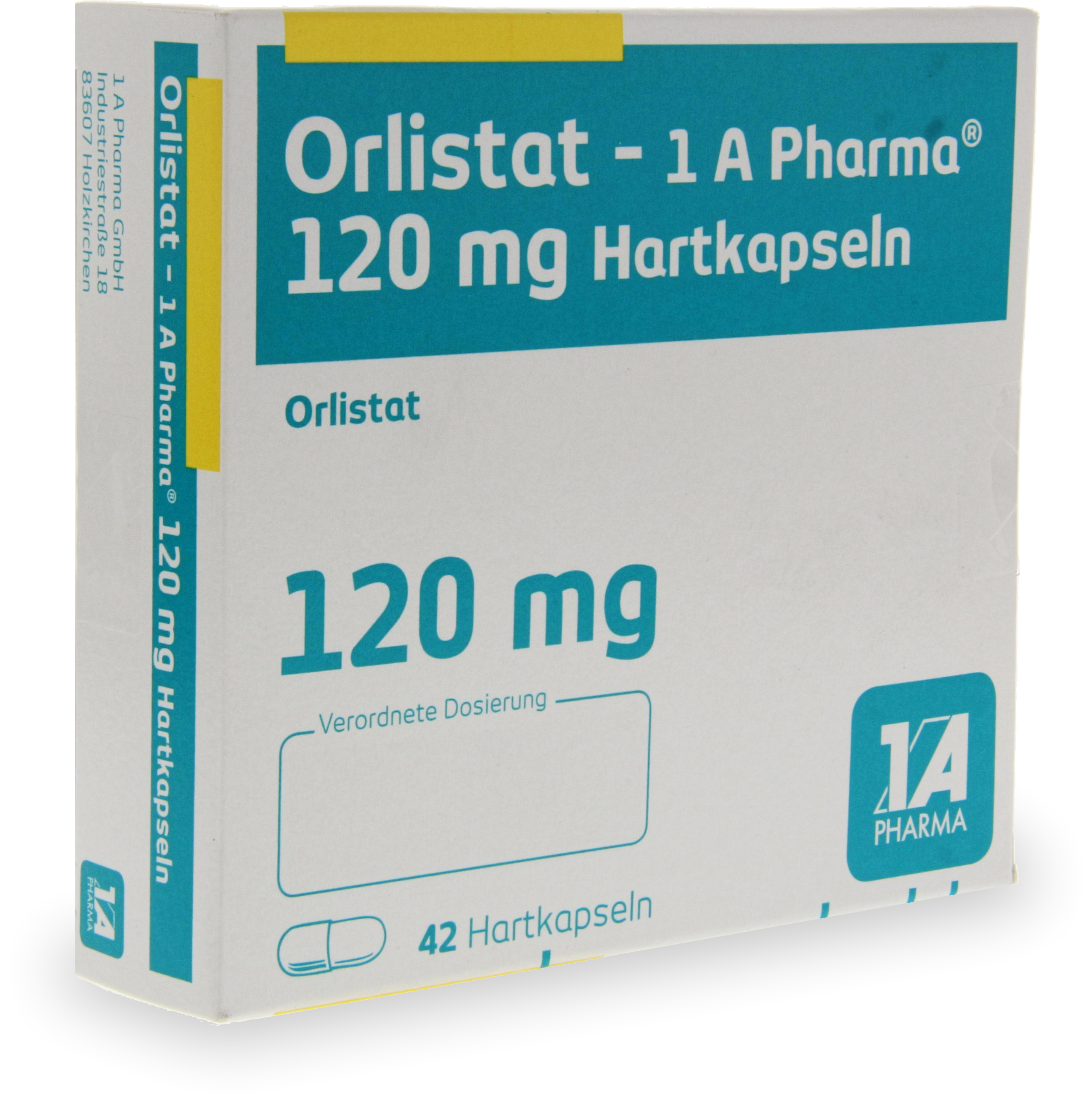
Orlistat
Vagifem
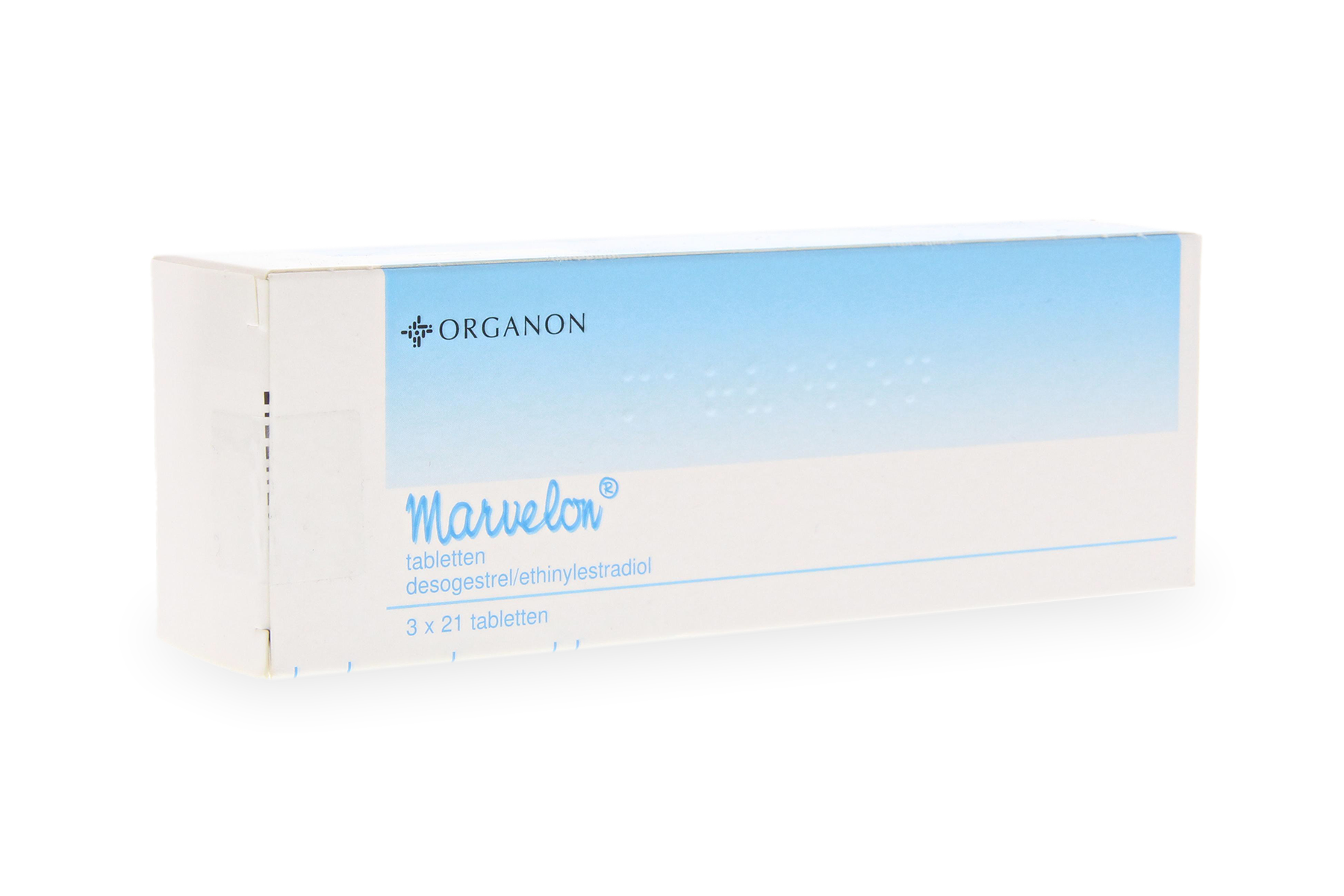
Marvelon
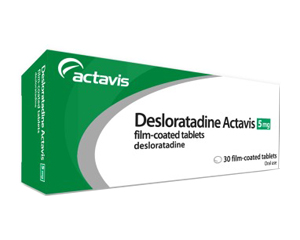
Desloratadine
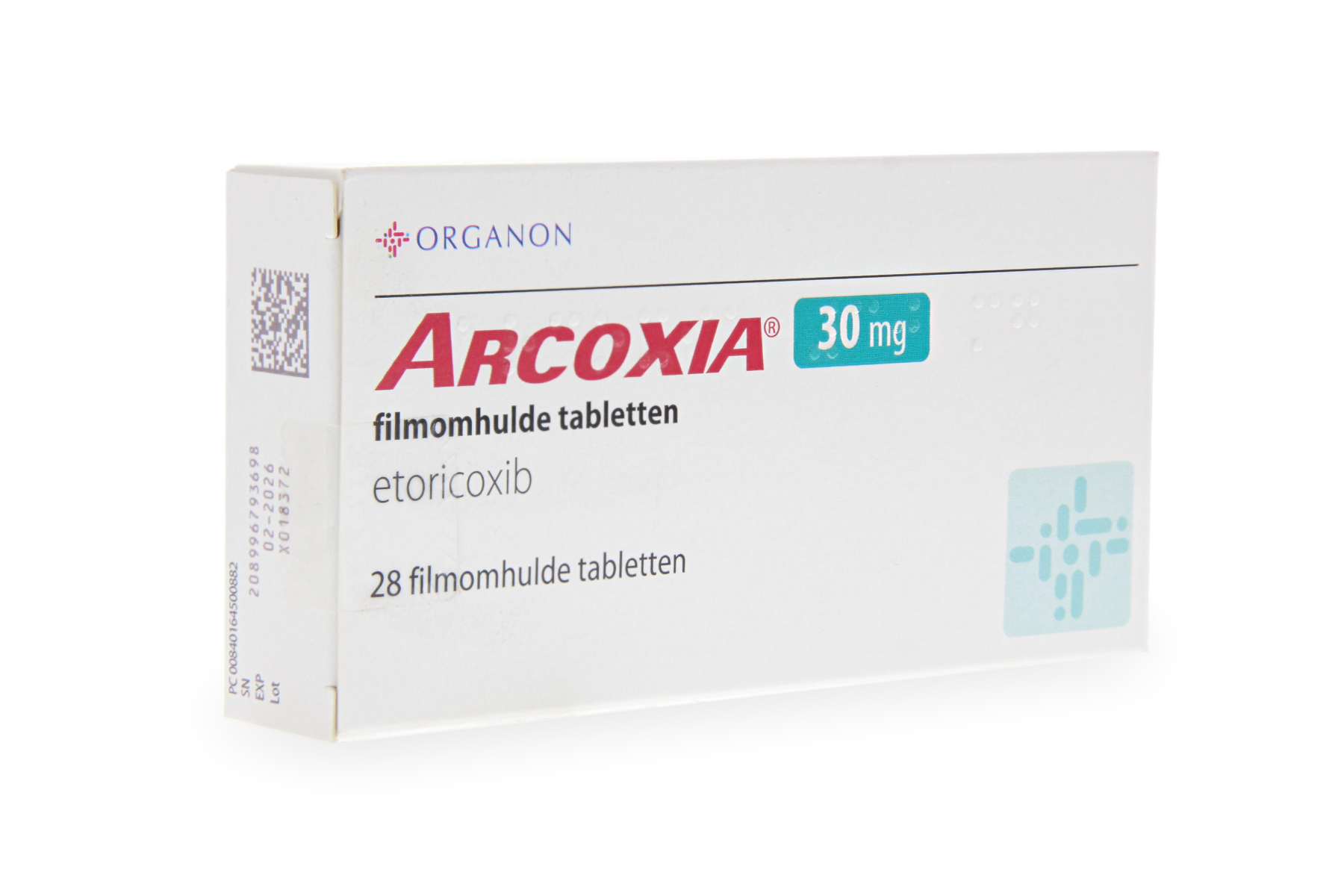
Arcoxia
Levothyroxine
Mercilon
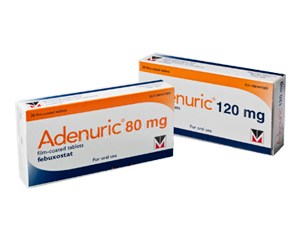
Adenuric

Metoclopramide
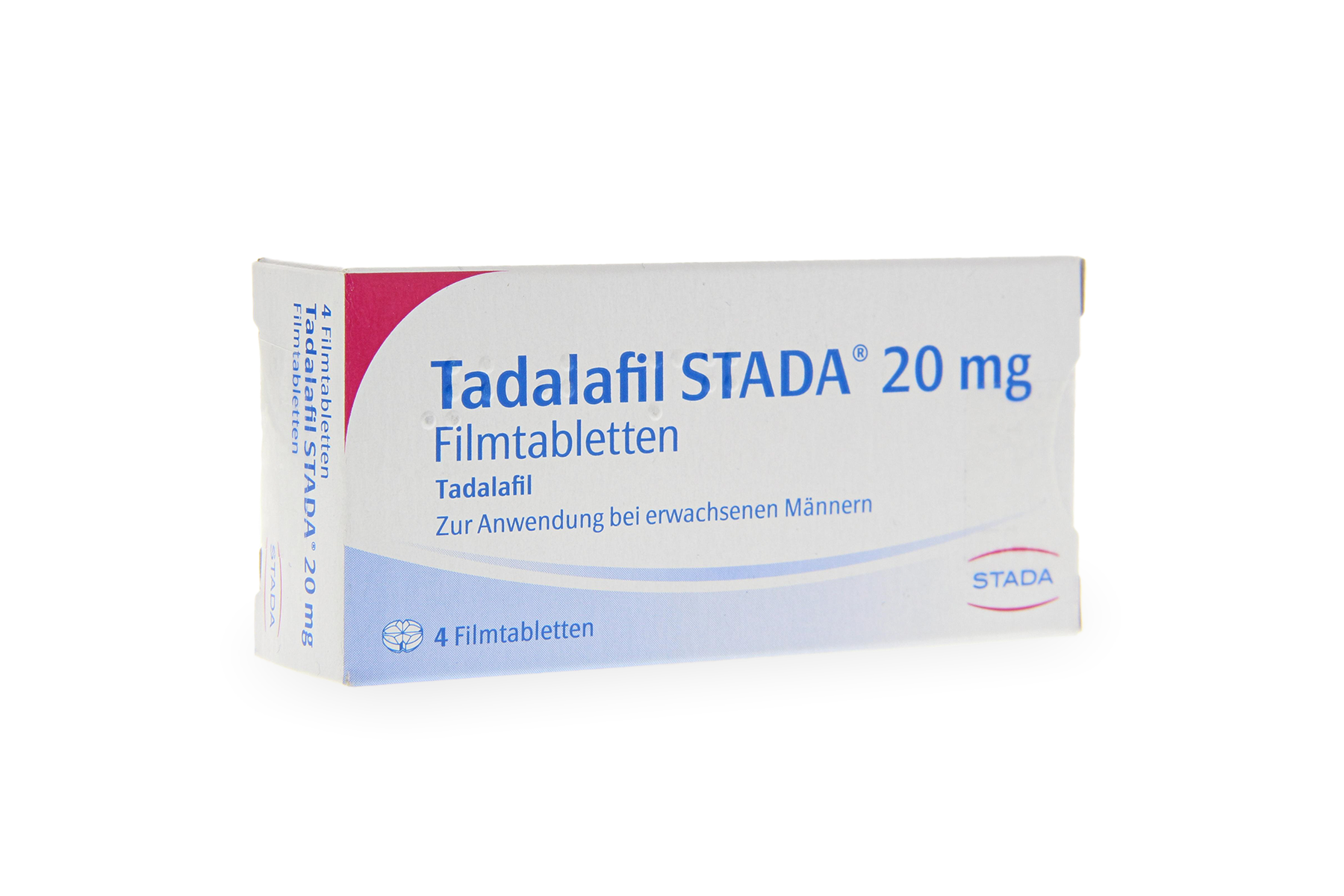
Tadalafil
Valsartan
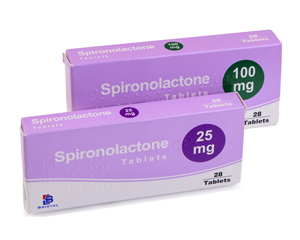
Spironolactone
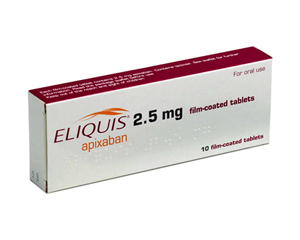
Eliquis
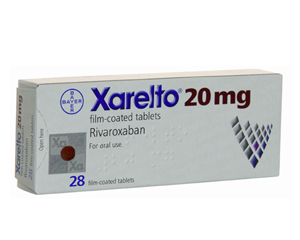
Xarelto

Vardenafil
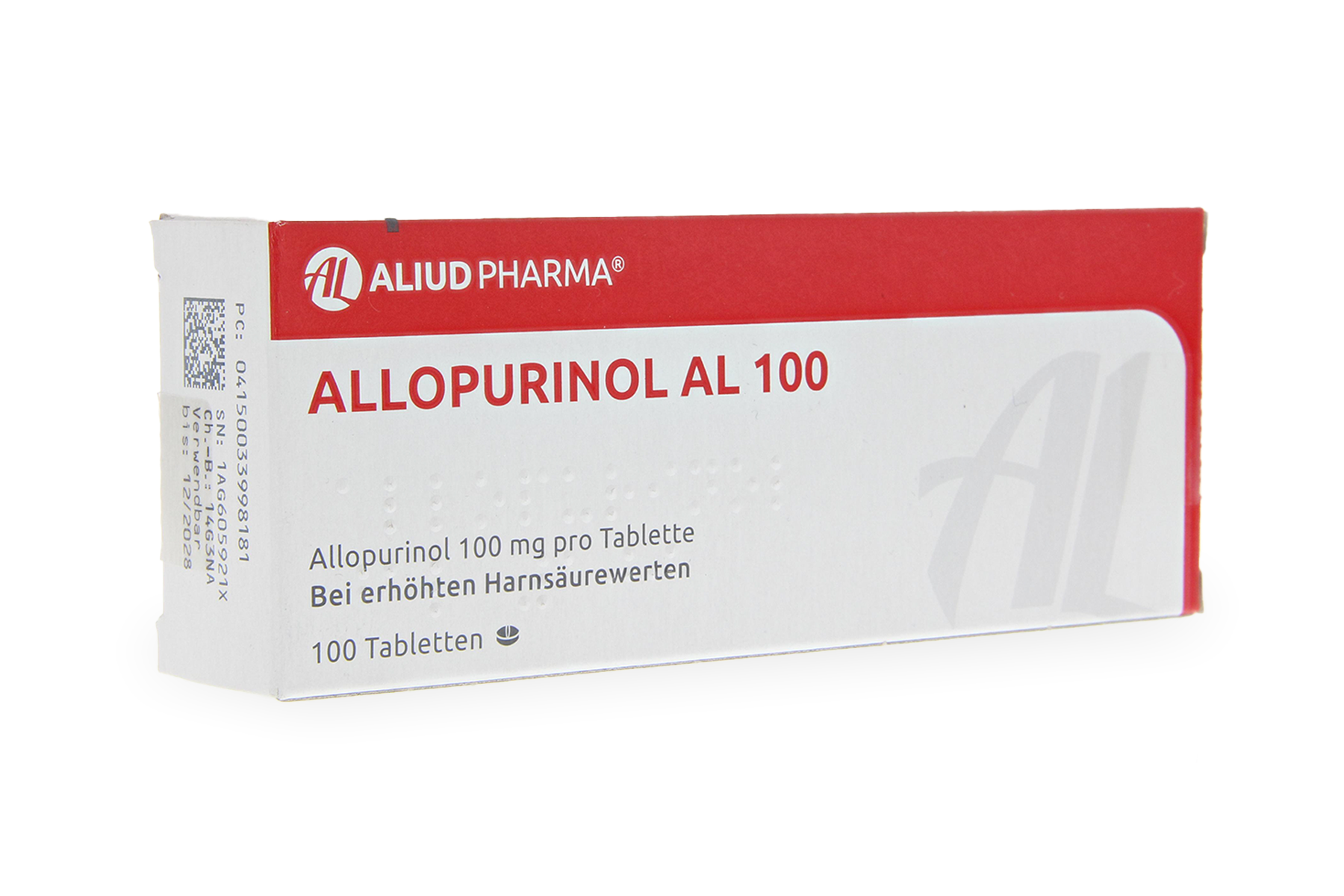
Allopurinol
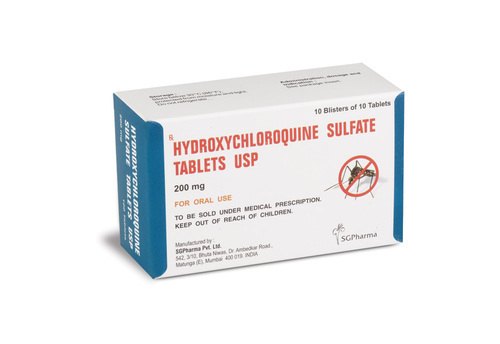
Hydroxychloroquine
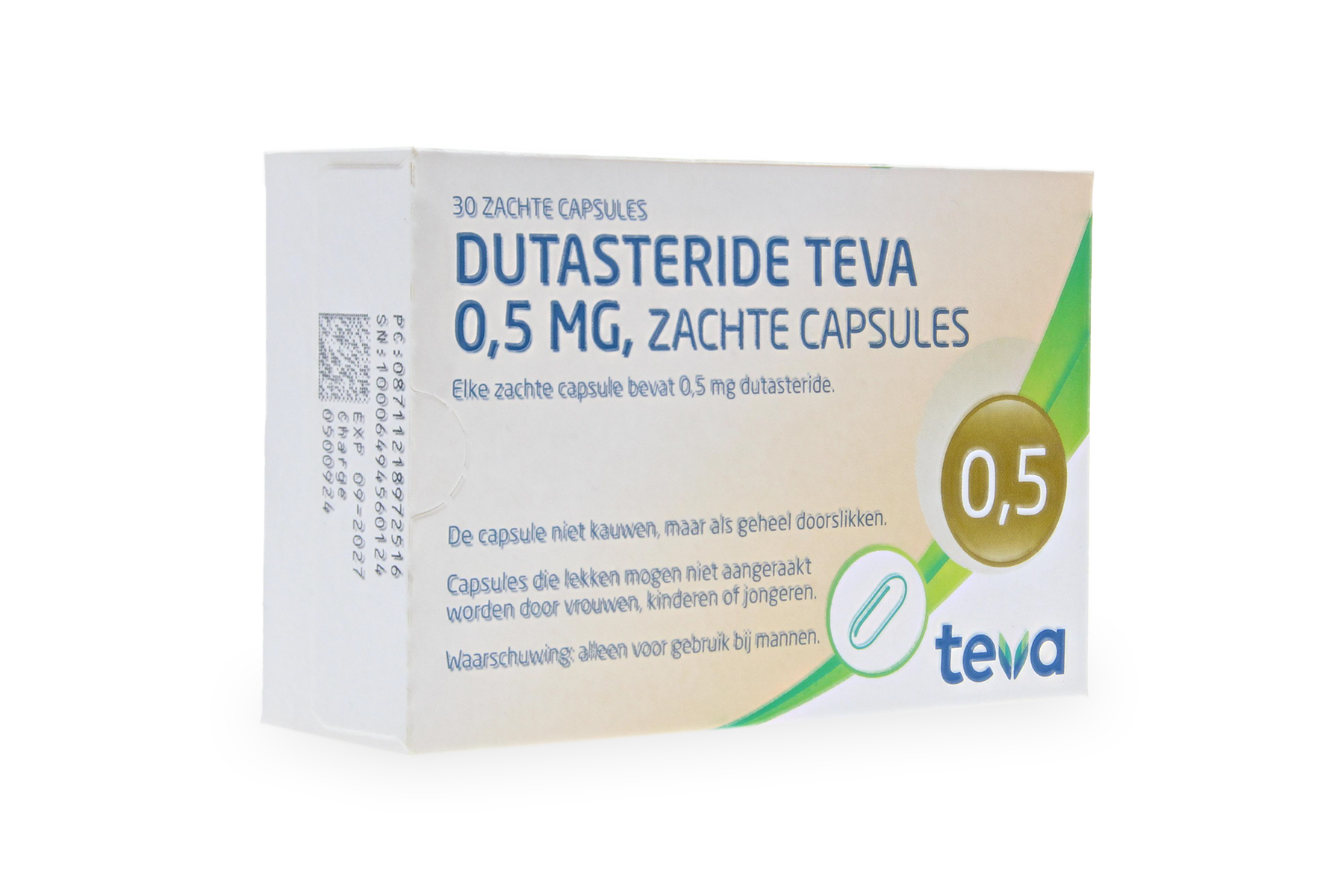
Dutasteride
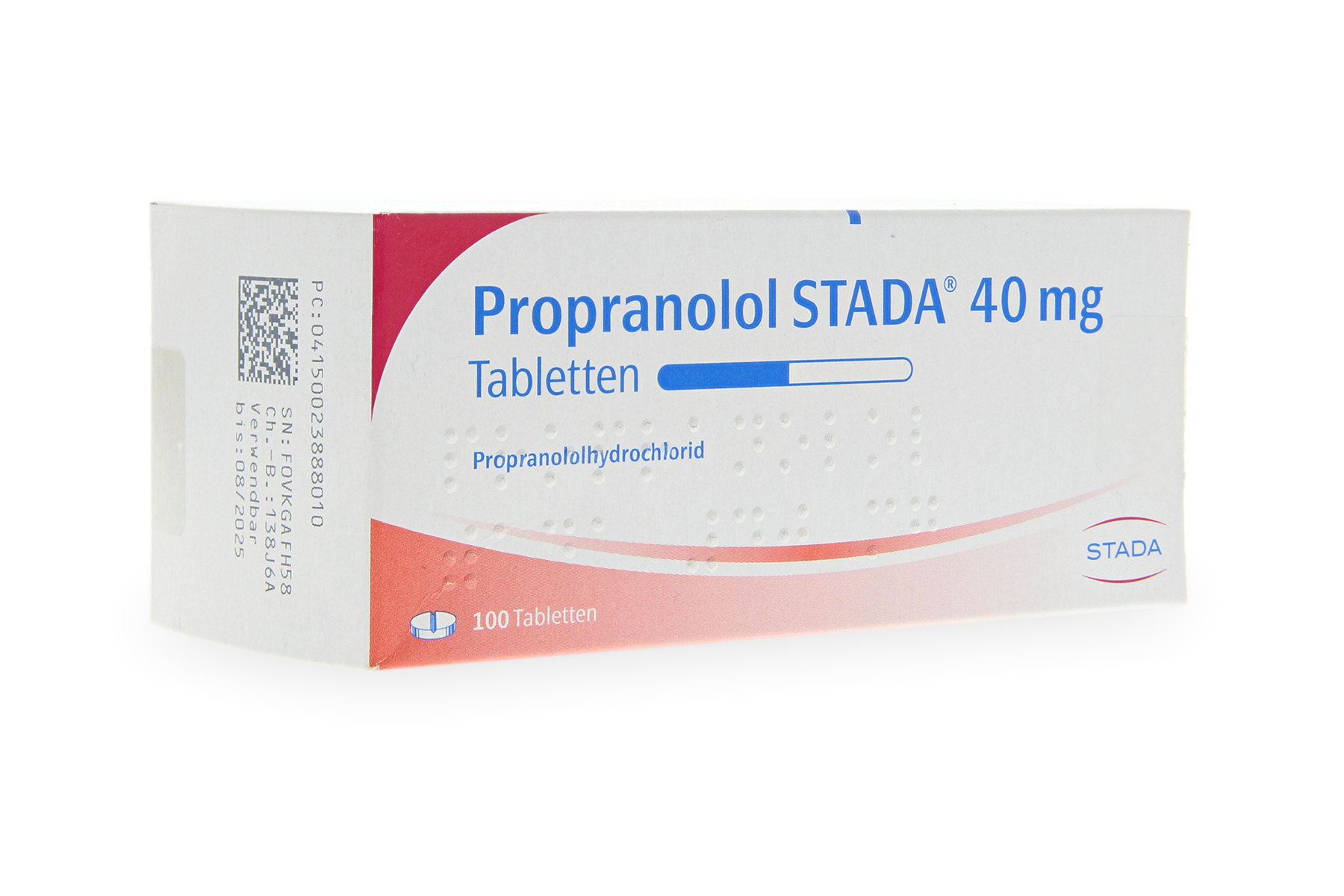
Propranolol

Wegovy
Circadin
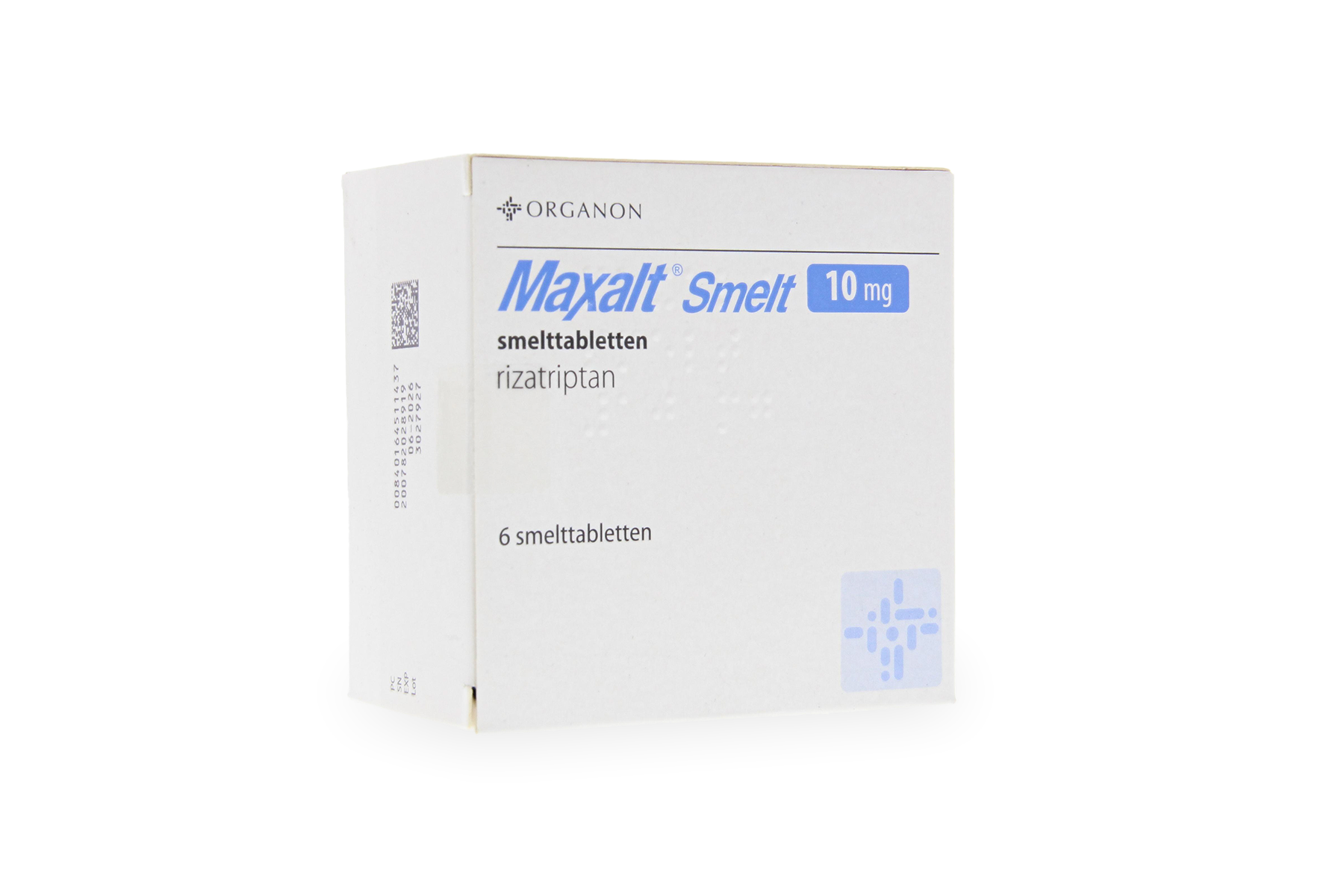
Maxalt
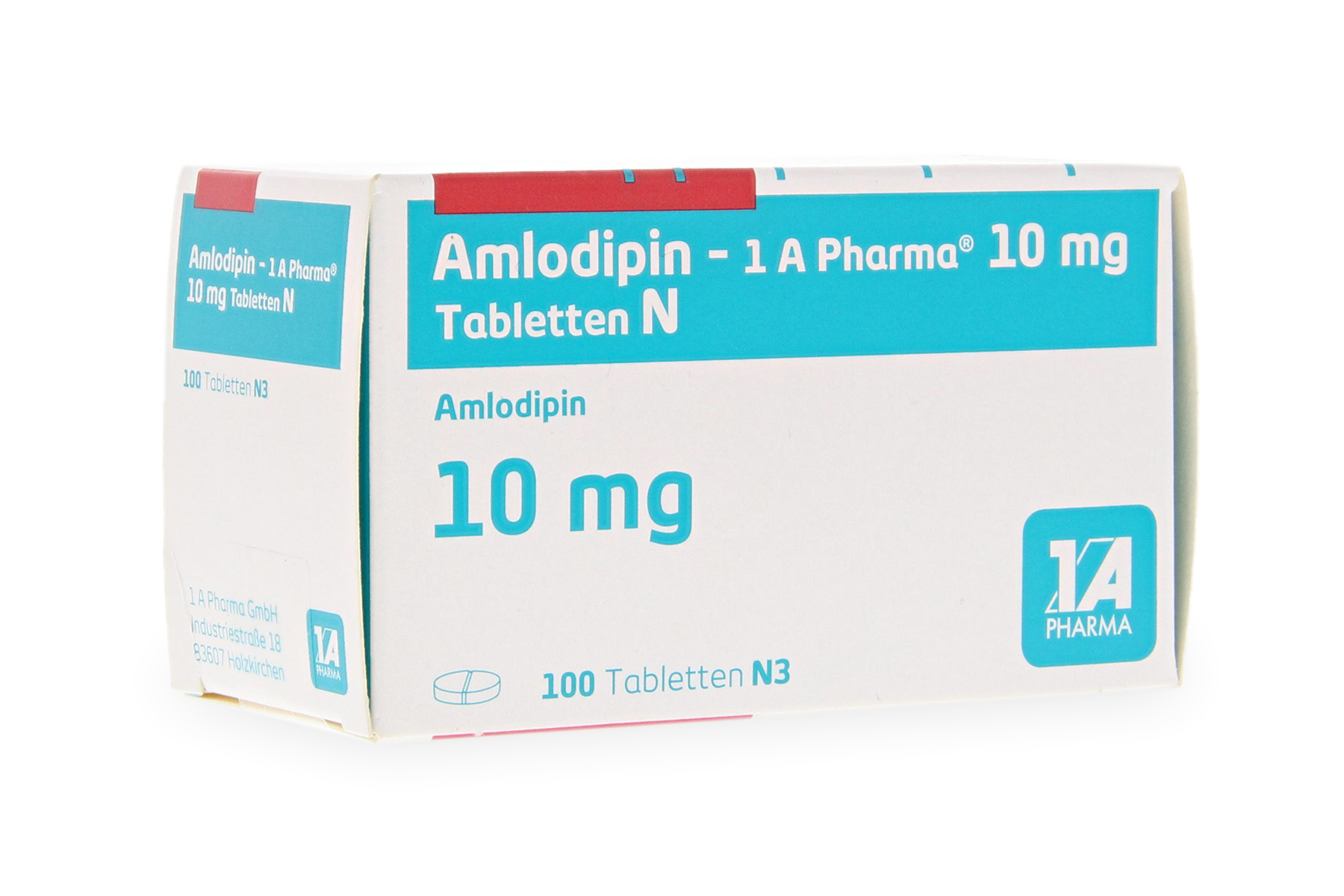
Amlodipine
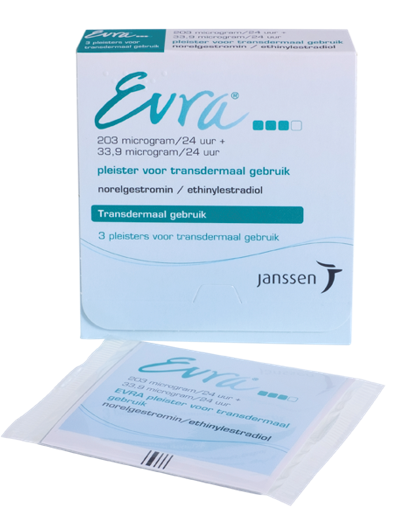
Evra Patches

Mounjaro
Dermovate

Cerazette

Viagra

Melatonin
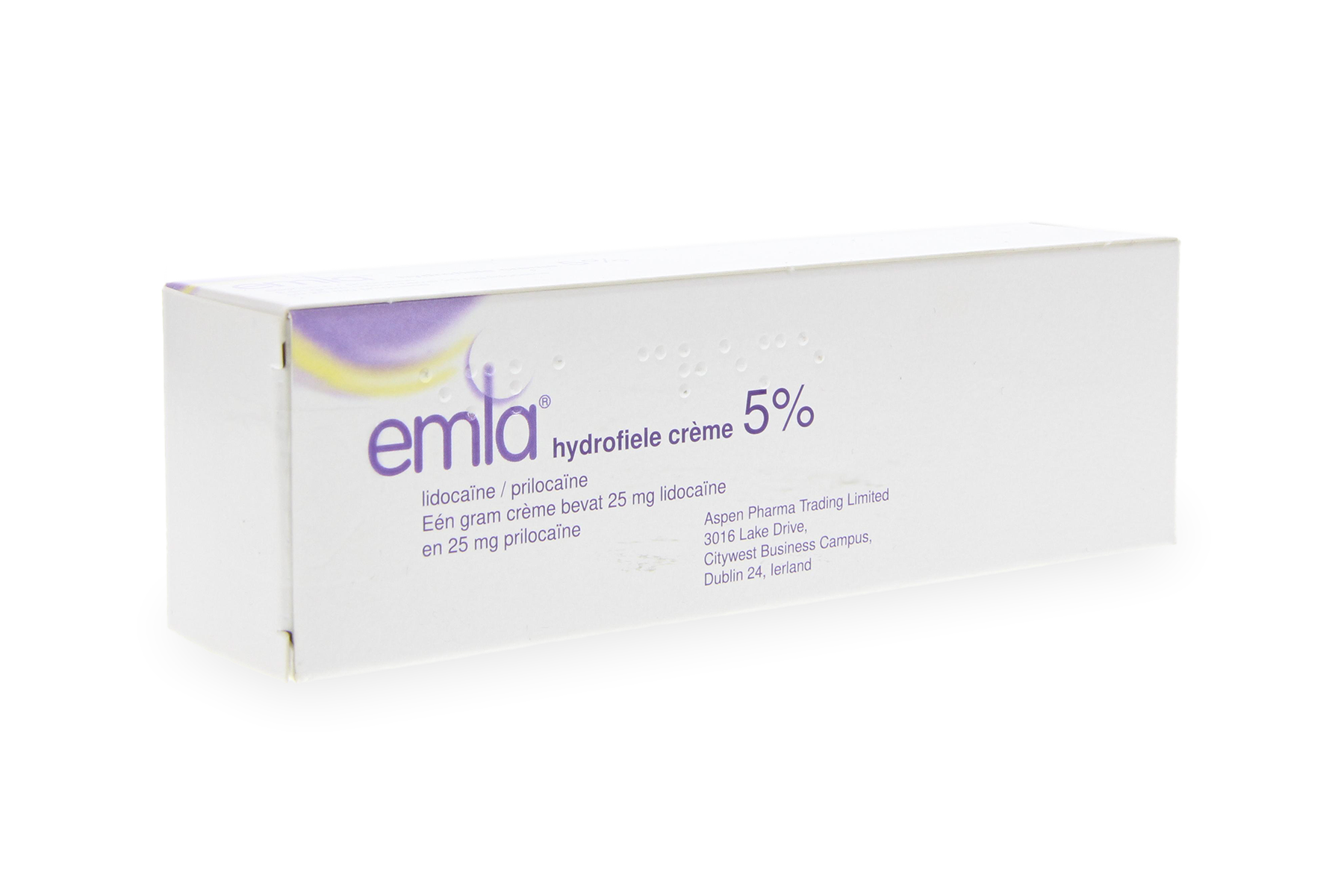
Emla Cream
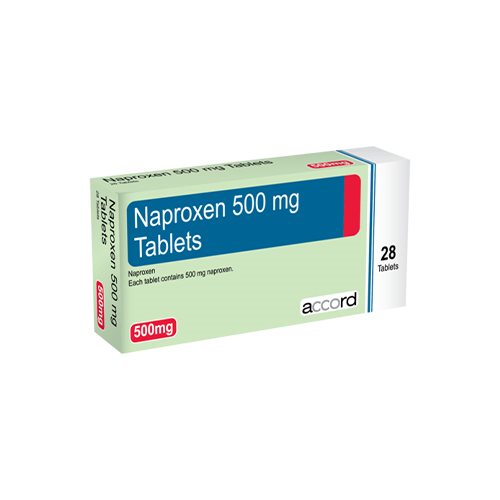
Naproxen
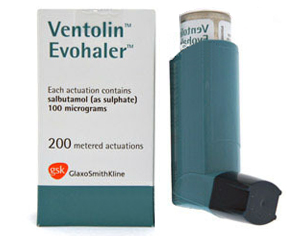
Ventolin

Bricanyl Turbohaler
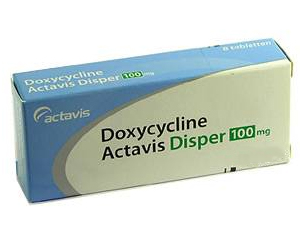
Doxycycline (Malaria)
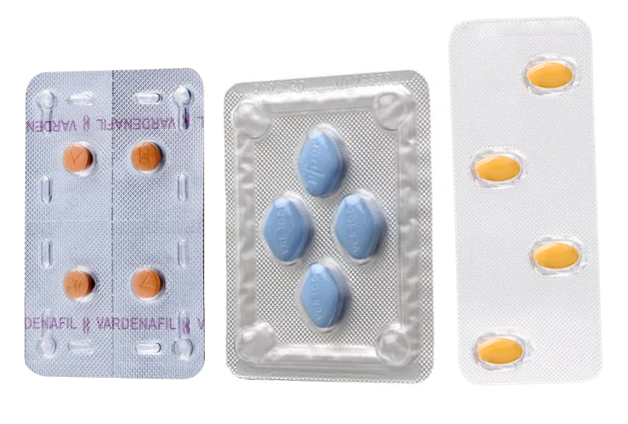
Impotence Trial Pack

Microgynon 30
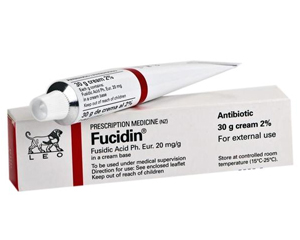
Fucidin
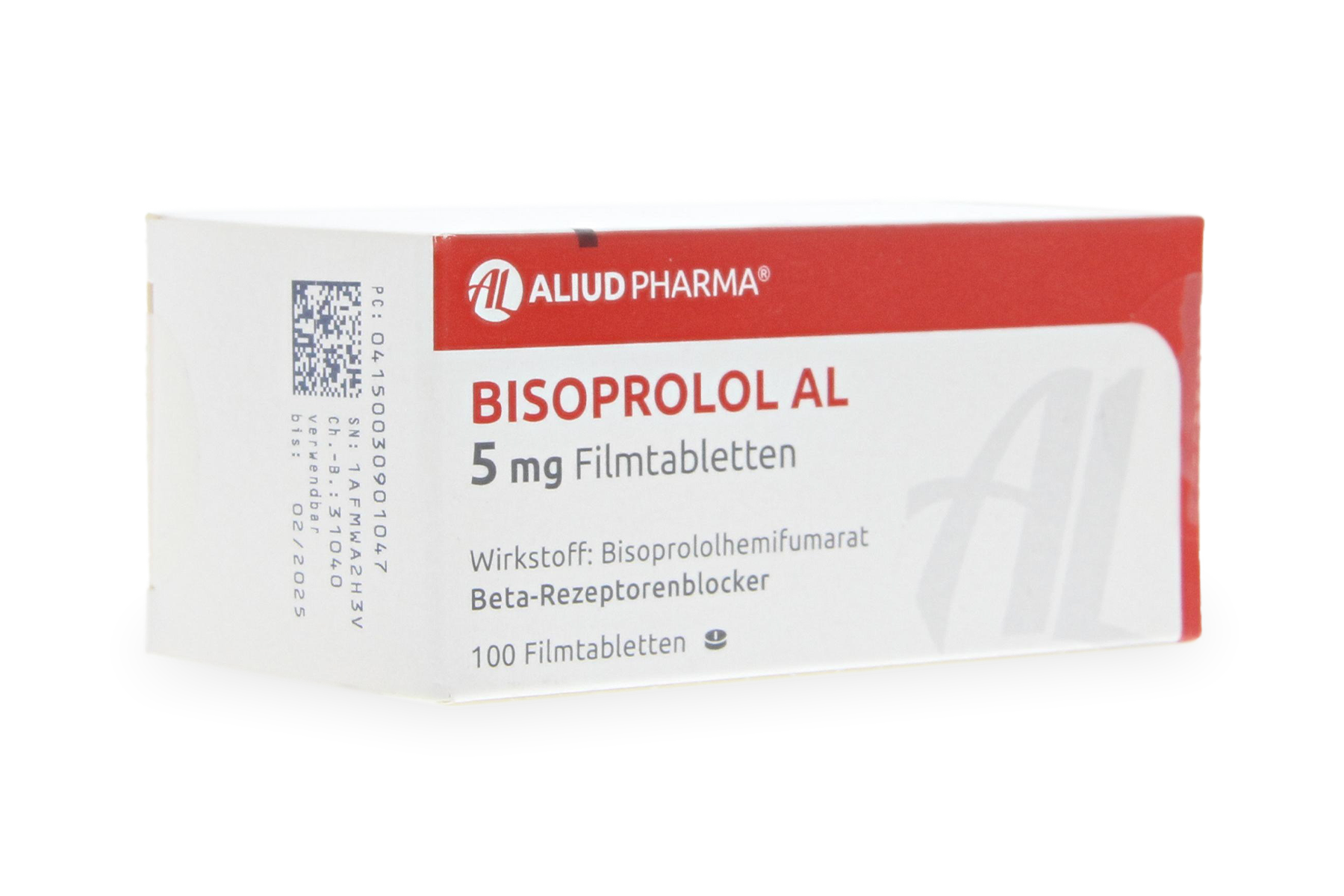
Bisoprolol
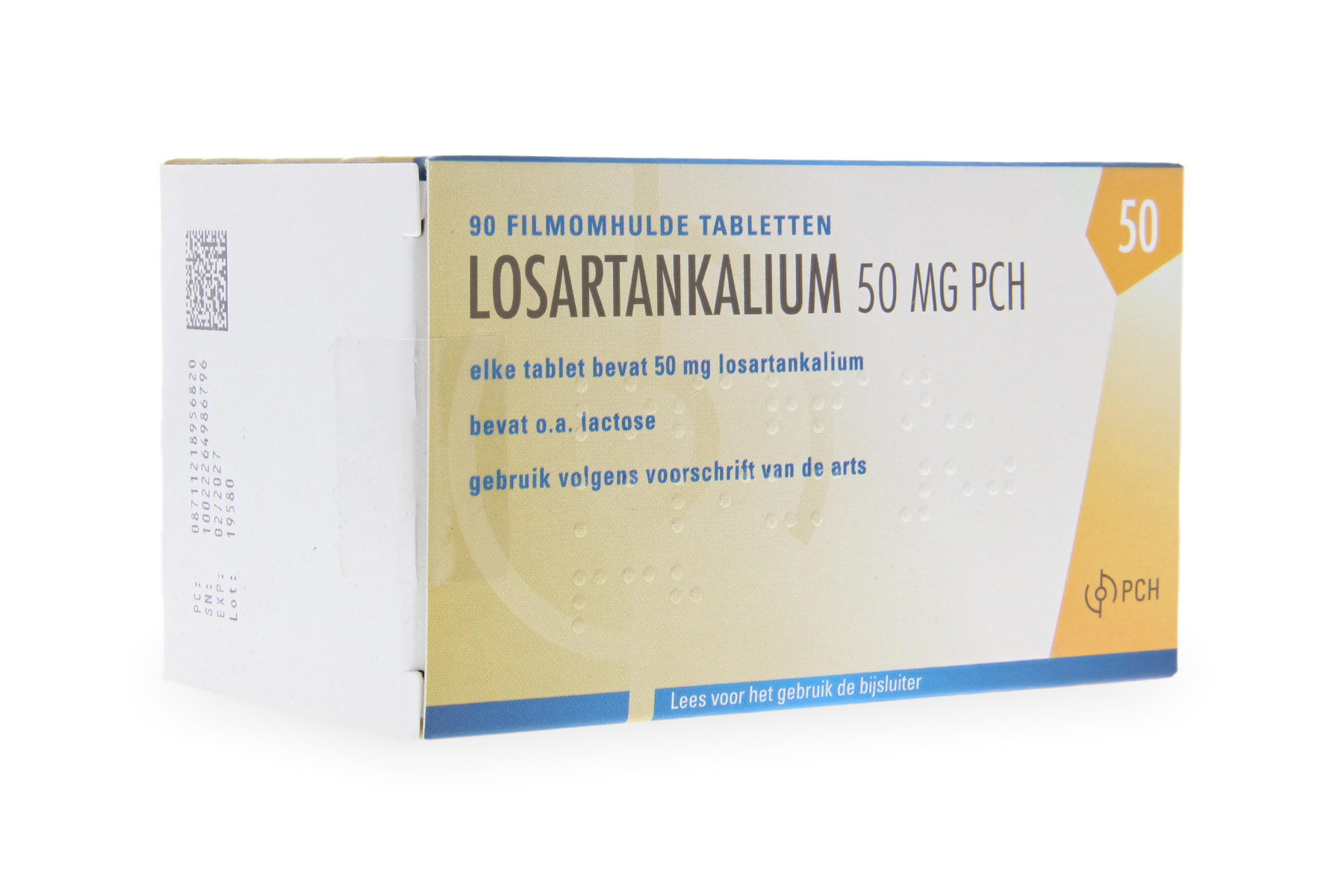
Losartan
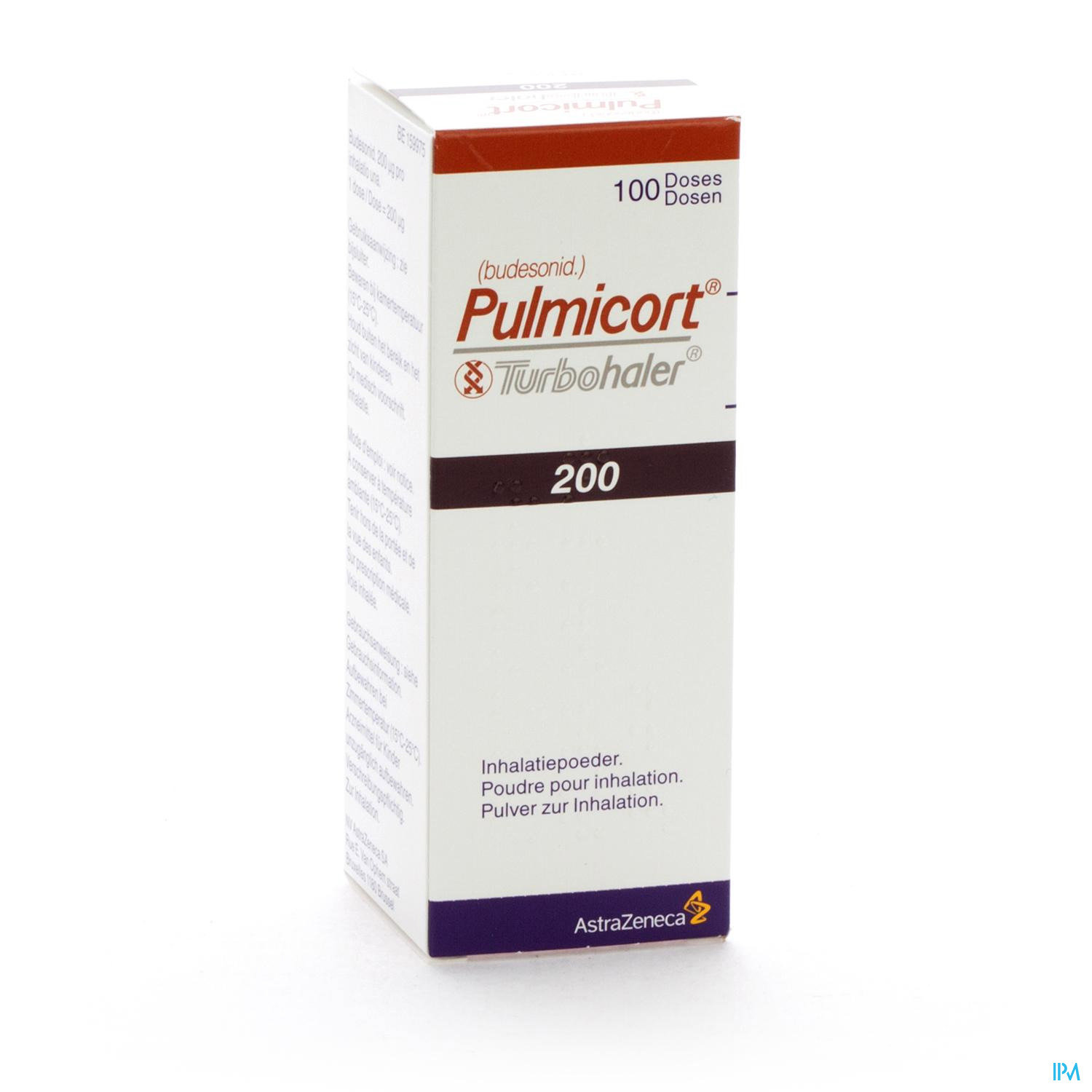
Pulmicort Turbohaler
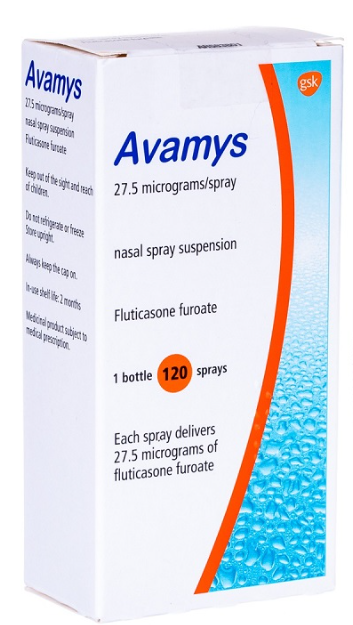
Avamys
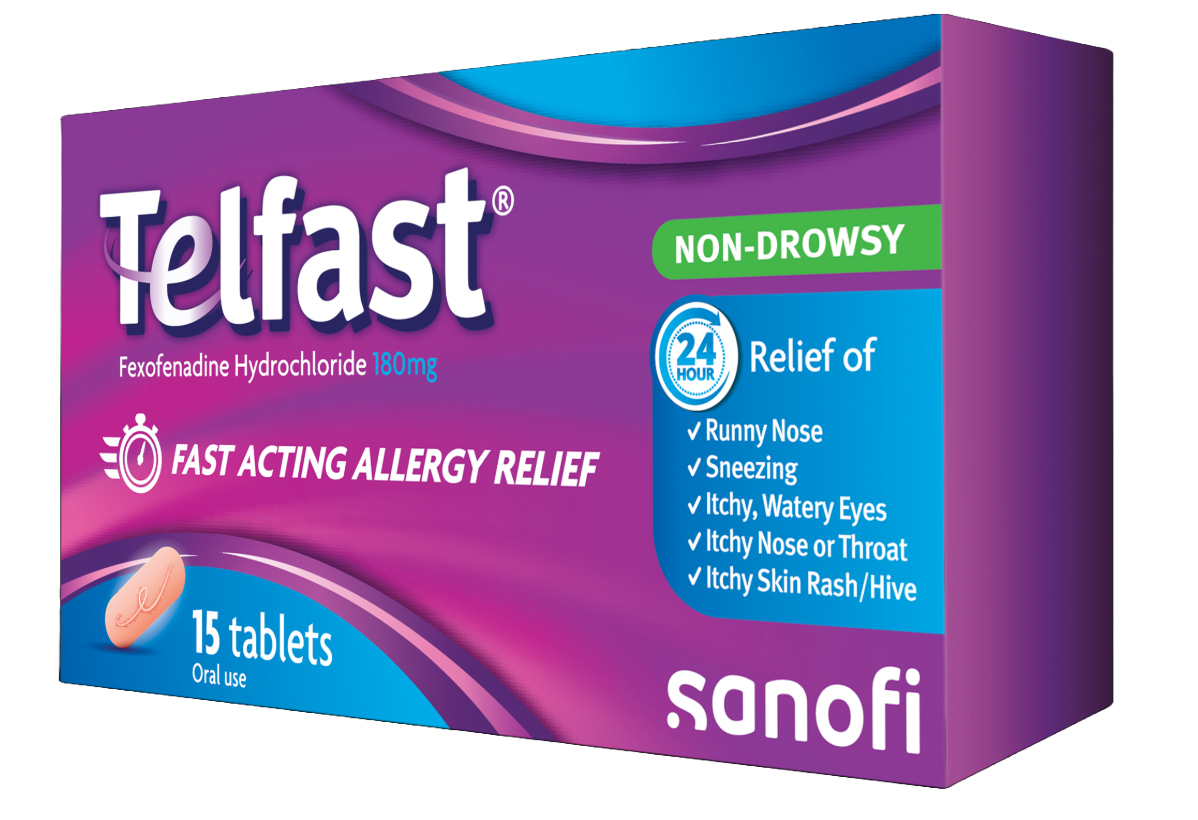
Telfast
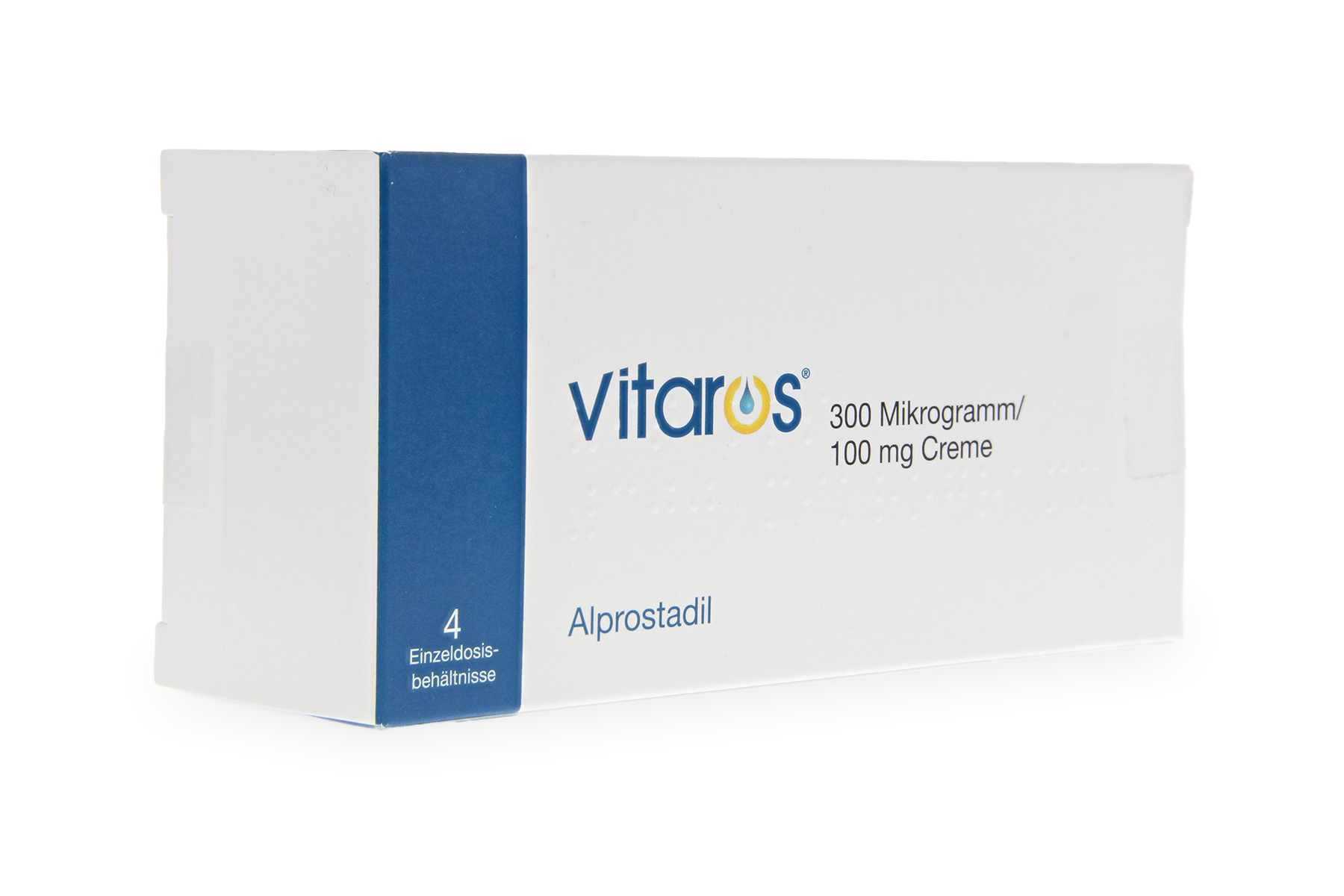
Vitaros

Zyloric
Kliovance
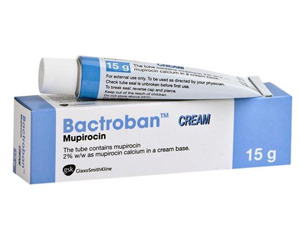
Bactroban
Elocon
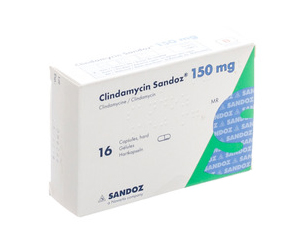
Clindamycin
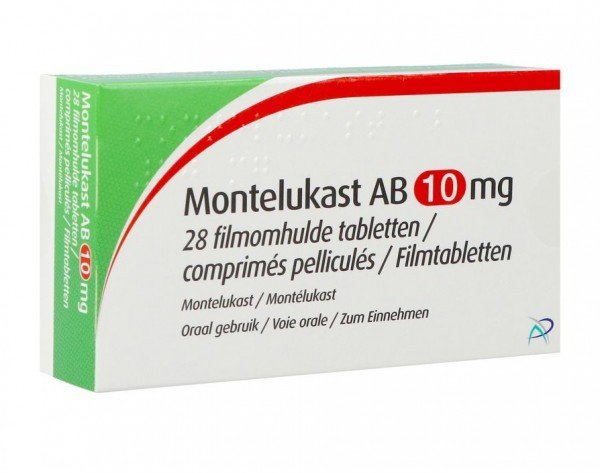
Montelukast
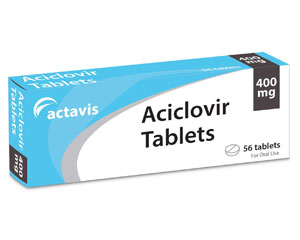
Aciclovir
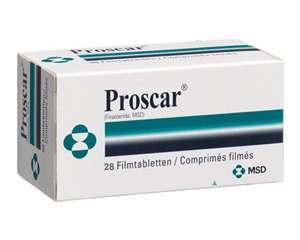
Proscar

Differin
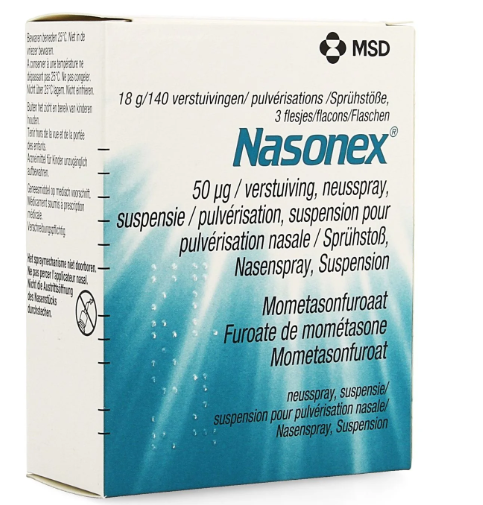
Nasonex Nasal Spray
Propecia
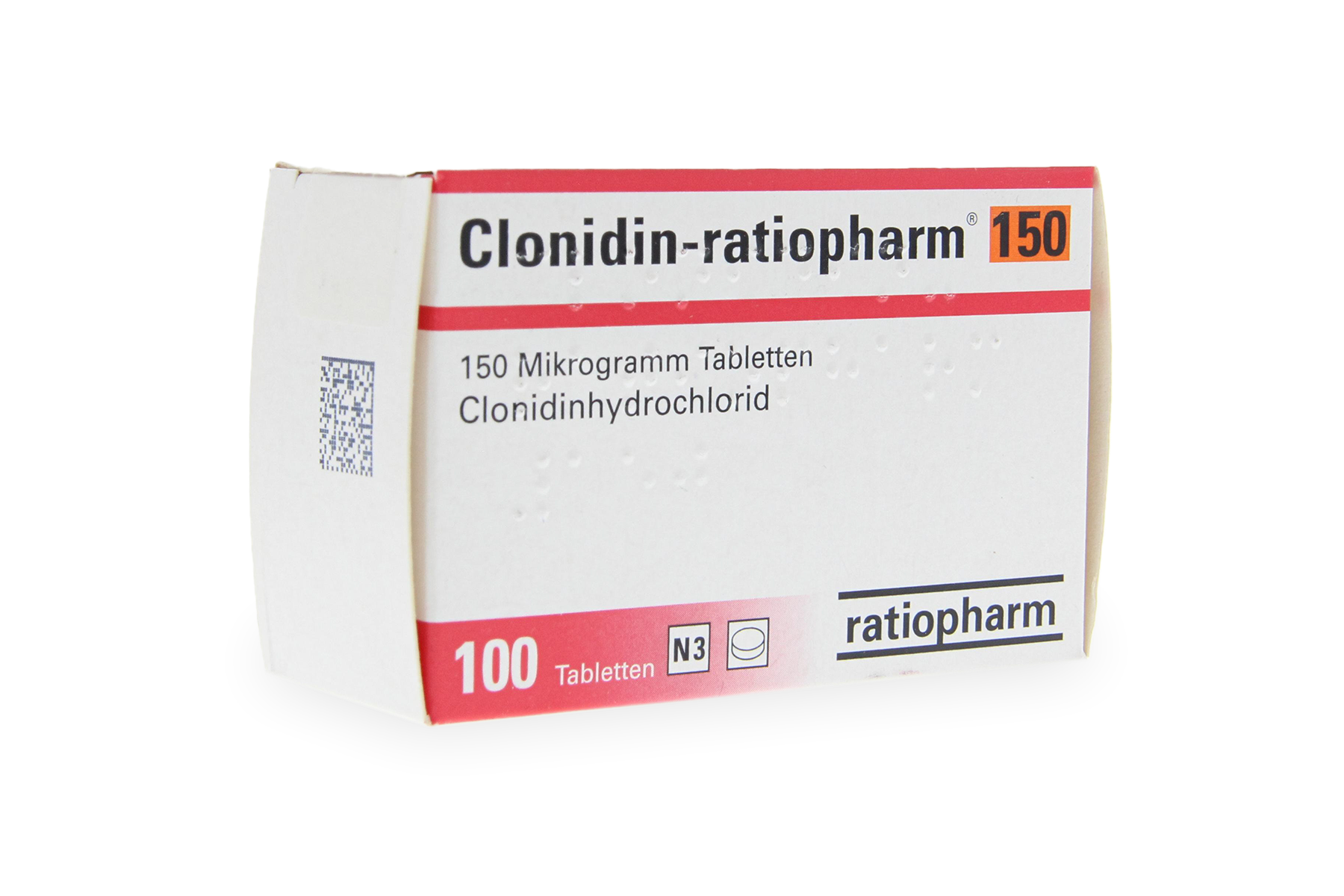
Clonidine
Femoston
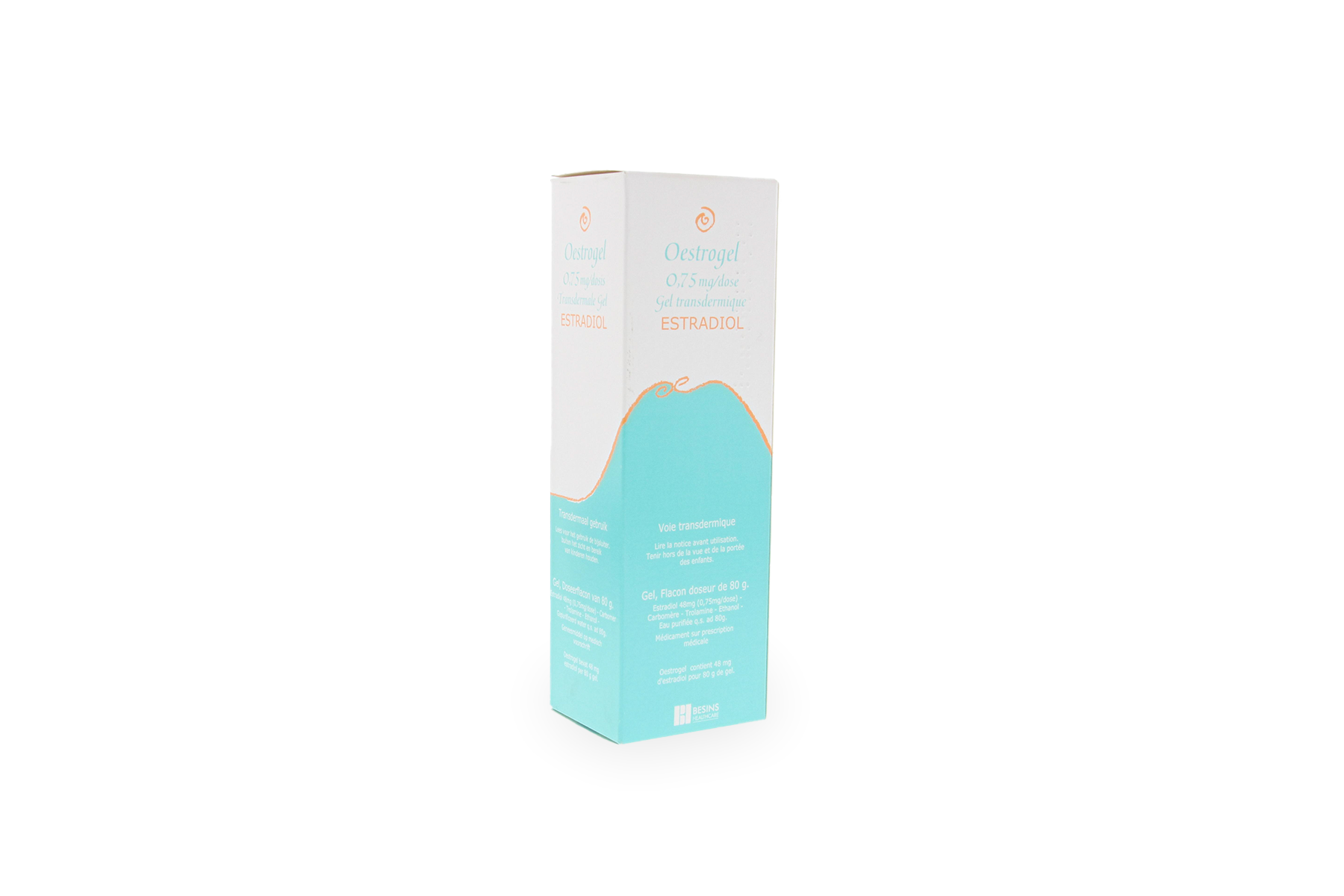
Oestrogel
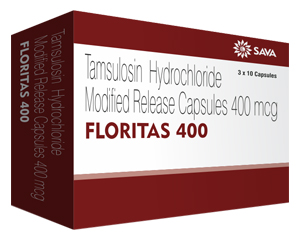
Tamsulosin MR
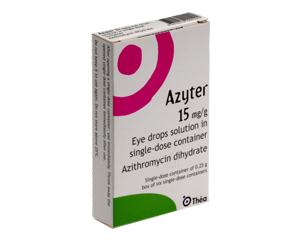
Azyter
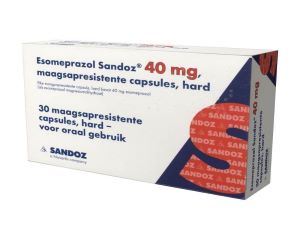
Esomeprazole
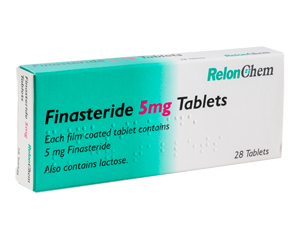
Proscar (Finasteride)
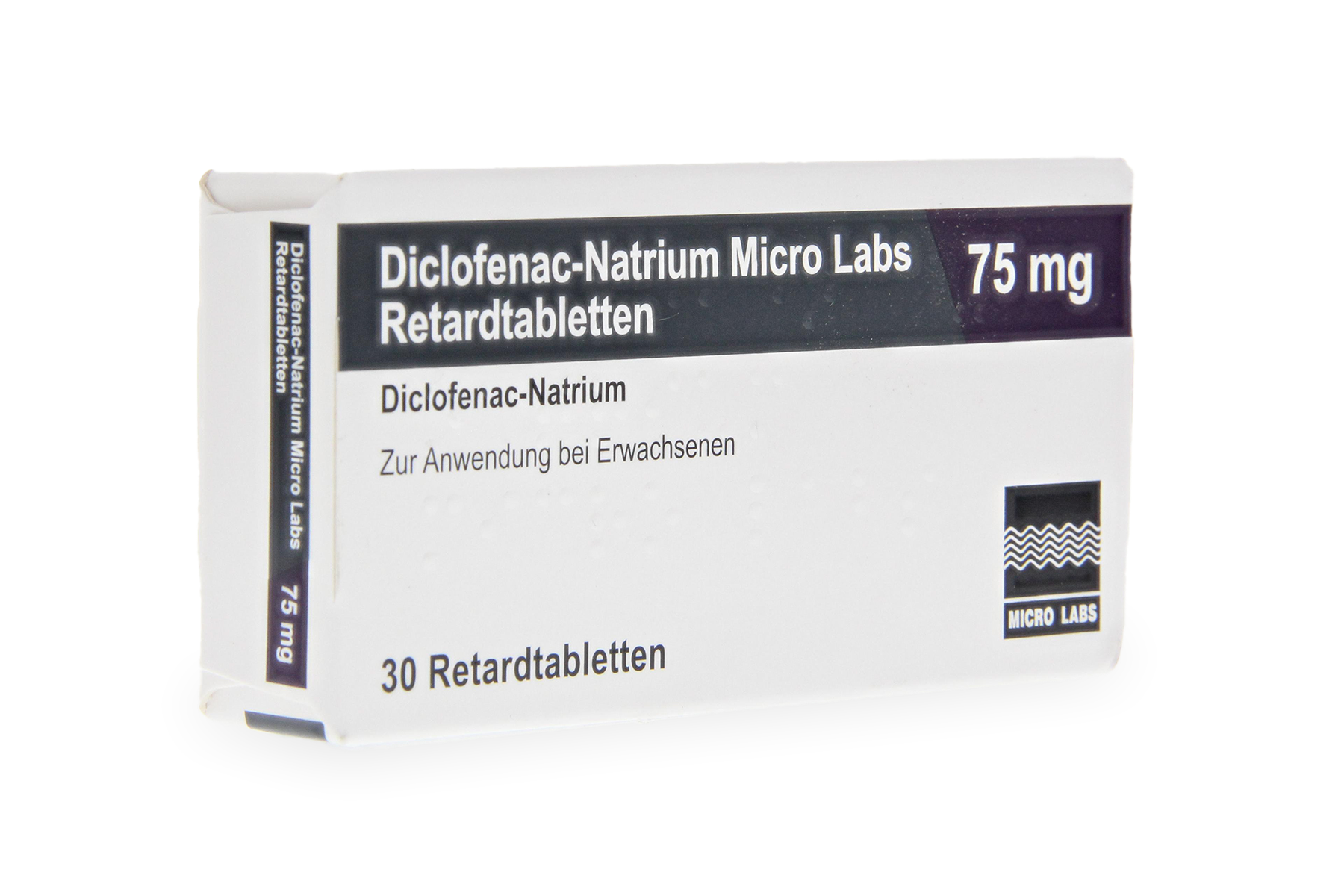
Diclofenac SR
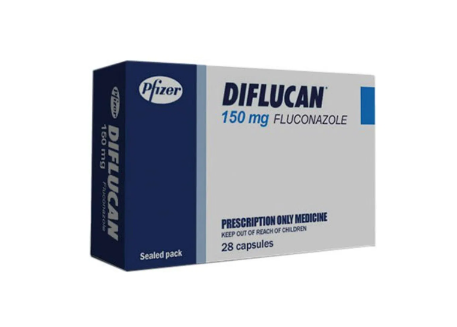
Diflucan
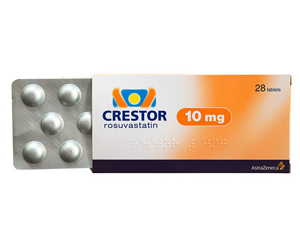
Crestor
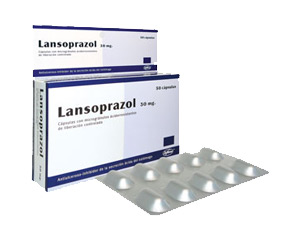
Lansoprazole
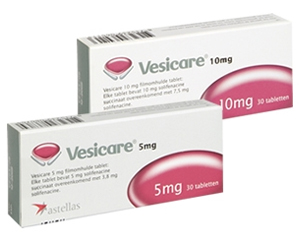
Vesicare
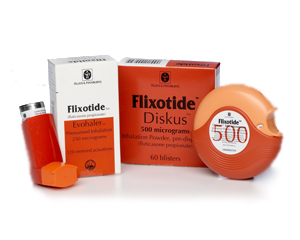
Flixotide
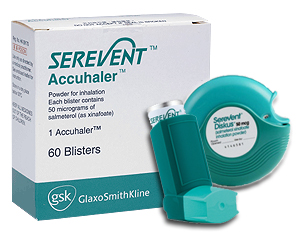
Serevent
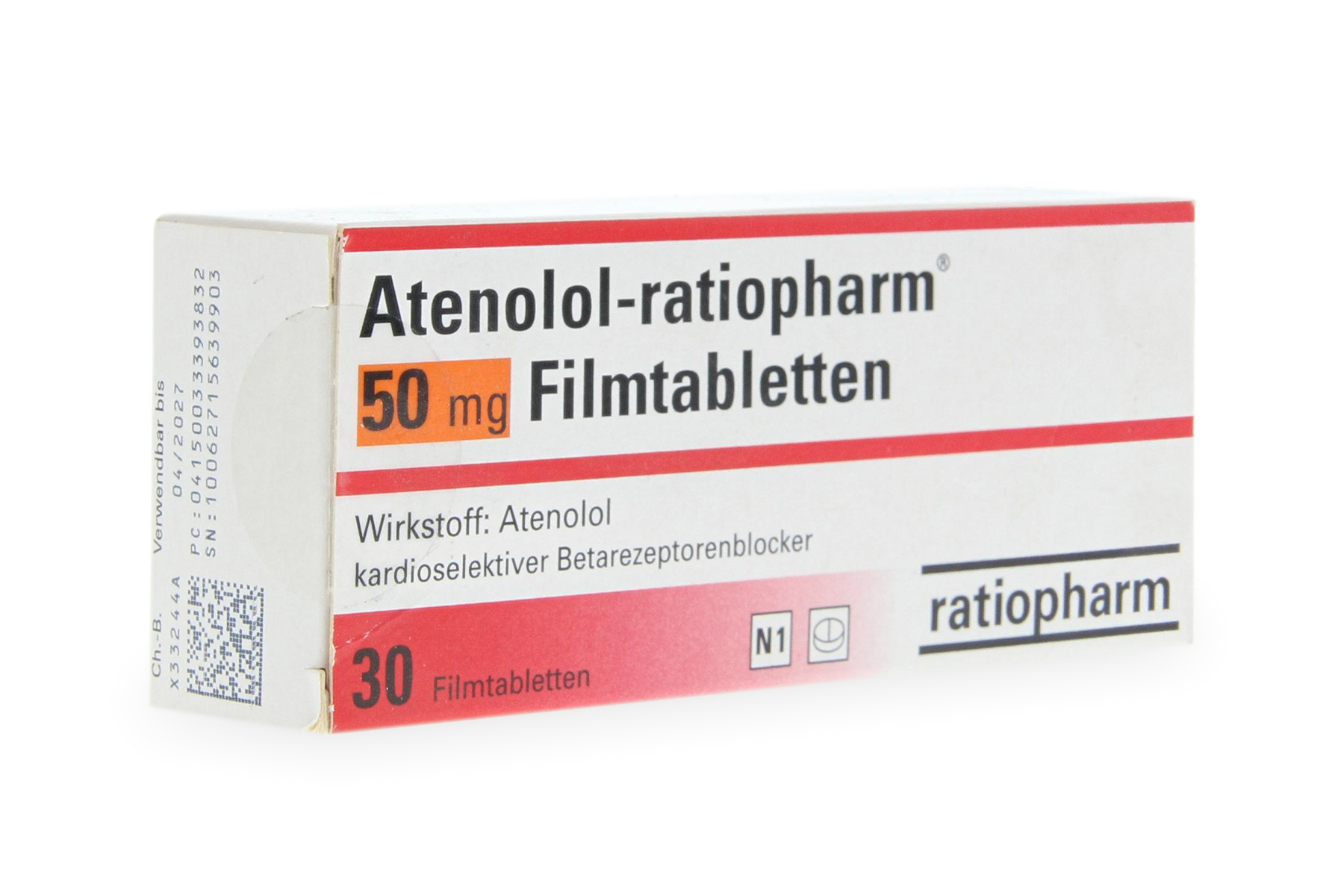
Atenolol
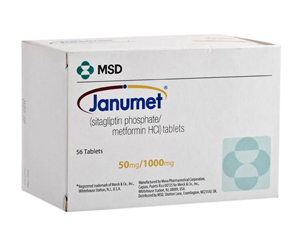
Janumet
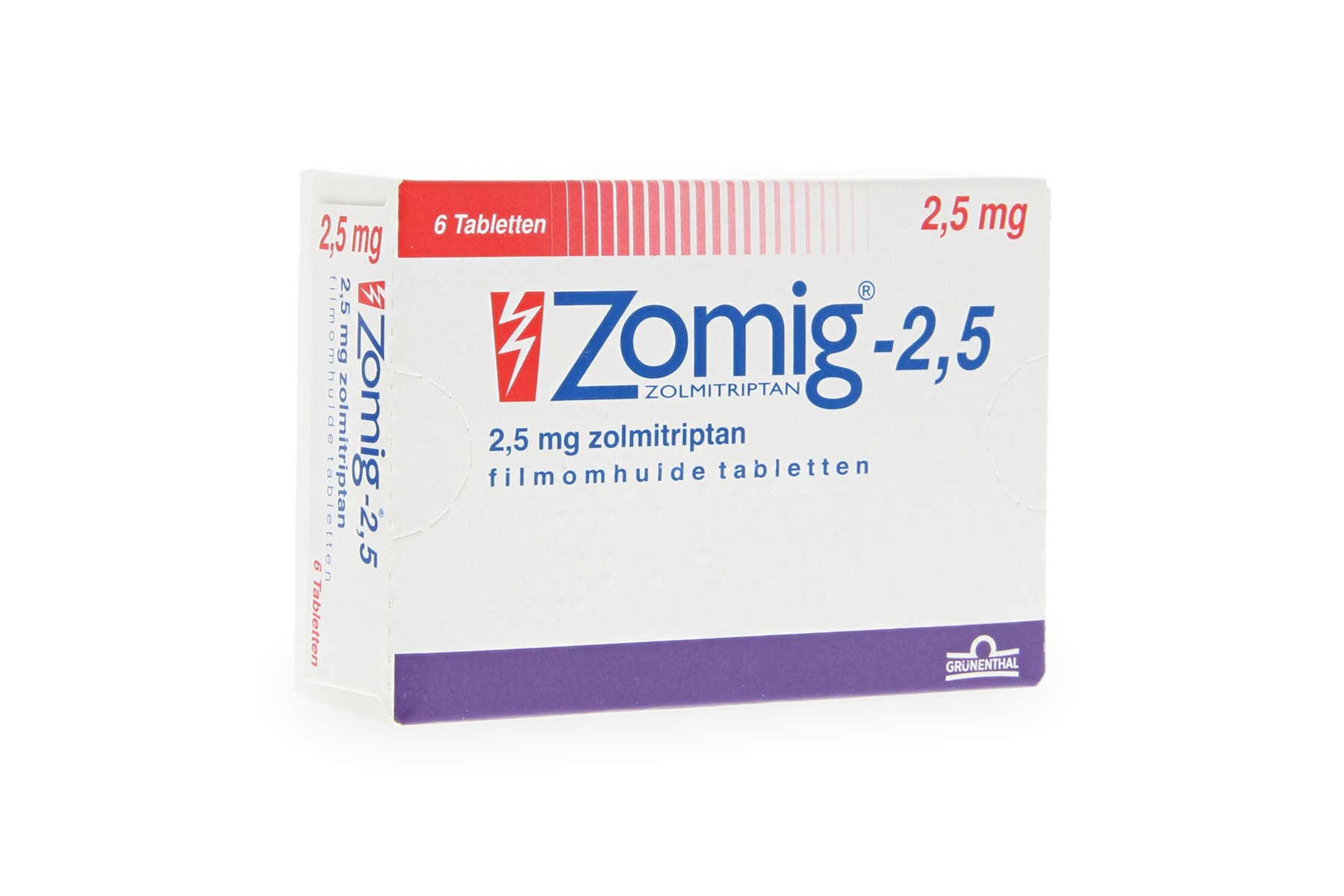
Zomig
Erectile Dysfunction Treatments
What Is Erectile Dysfunction?
Erectile dysfunction affects millions of men across the UK and Europe, yet it remains one of the most under-discussed health concerns. At its core, ED is the persistent inability to achieve or maintain an erection firm enough for satisfactory sexual activity. While the occasional difficulty is perfectly normal, especially during periods of stress or fatigue, a recurring pattern may signal an underlying issue worth investigating.
The causes of ED span a broad spectrum. Vascular problems, including atherosclerosis and high blood pressure, restrict blood flow to the penis and account for the majority of cases in men over 40. Neurological conditions such as multiple sclerosis or spinal cord injuries can disrupt the nerve signals required for an erection. Hormonal imbalances, particularly low testosterone, also play a role, as do psychological factors like performance anxiety, depression, and relationship difficulties.
Lifestyle choices matter more than many men realise. Smoking damages the lining of blood vessels, excess alcohol suppresses the central nervous system, and obesity is closely linked to both cardiovascular disease and hormonal disruption. The encouraging news is that many of these risk factors are modifiable, meaning that positive lifestyle changes can complement medical treatment and sometimes resolve the problem entirely.
Prescription Treatments for ED
The introduction of PDE5 inhibitors revolutionised the treatment of erectile dysfunction. Medications such as sildenafil (the active ingredient in Viagra), tadalafil (Cialis), and vardenafil (Levitra) work by relaxing the smooth muscle in penile blood vessels, allowing increased blood flow when a man is sexually aroused. They do not cause spontaneous erections and require stimulation to be effective.
Each PDE5 inhibitor has a slightly different profile. Sildenafil typically takes effect within 30 to 60 minutes and lasts around four to six hours. Tadalafil, often called "the weekend pill," can remain active for up to 36 hours, and a low daily dose is available for men who prefer spontaneity. Vardenafil sits somewhere between the two in terms of duration.
Choosing the right treatment depends on individual circumstances including how frequently you are sexually active, any other medications you take, and your general health. A prescribing clinician will review your medical history, current medication list, and cardiovascular risk before recommending a specific option.
Getting a Prescription Online
Obtaining ED medication through a regulated online pharmacy is straightforward, discreet, and clinically safe. The process typically involves completing a medical questionnaire that covers your symptoms, health history, and current medications. A qualified prescriber reviews your answers and, if appropriate, issues a prescription.
This approach removes the awkwardness that some men feel when discussing sexual health face to face. It also provides a written record of the consultation, which can be shared with your GP if you wish. Reputable platforms are registered with the relevant national medicines authority and employ licensed pharmacists who check every order before dispatch.
Delivery is usually in plain, unmarked packaging, and many services offer next-day or even same-day options. If the prescriber determines that treatment is not suitable for you, no charge is made, and you will be advised to consult your doctor in person.
Lifestyle Changes That Help
Medication is only part of the picture. Research consistently shows that lifestyle modifications can significantly improve erectile function, particularly when ED has a vascular or metabolic component. Regular aerobic exercise, even brisk walking for 30 minutes a day, enhances cardiovascular health and blood flow throughout the body, including to the penis.
Dietary improvements also make a difference. A Mediterranean-style diet rich in fruits, vegetables, whole grains, and healthy fats has been associated with a lower risk of ED in several large studies. Reducing processed food, refined sugar, and excessive salt helps manage weight and blood pressure, both of which influence erectile health.
Quitting smoking is one of the single most effective steps a man can take. Within weeks of stopping, blood vessel function begins to improve. Moderating alcohol intake, managing stress through mindfulness or counselling, and ensuring adequate sleep all contribute to better overall sexual wellbeing.
When to See a Doctor
While mild or occasional erectile difficulties are common and usually resolve on their own, there are situations where professional medical advice is important. If ED develops suddenly, it may indicate an acute vascular event or a side effect of a new medication. Gradual onset, on the other hand, is more often linked to chronic conditions such as diabetes, hypertension, or cardiovascular disease.
ED can also serve as an early warning sign of serious health problems. Studies have shown that men who develop erectile difficulties are at increased risk of a heart attack or stroke within the following five to ten years. For this reason, a thorough cardiovascular assessment is advisable for any man presenting with new-onset ED, especially those over the age of 40.
If you have already tried lifestyle changes and over-the-counter remedies without improvement, or if your symptoms are accompanied by other concerns such as reduced libido, pain, or urinary problems, a consultation with your GP or a specialist urologist is the sensible next step.
Frequently Asked Questions
How quickly do ED tablets work?
Do I need a prescription for ED medication in the UK?
What is the difference between Viagra and Cialis?
Are online ED prescriptions safe?
Dr. Ross Elledge
General Practitioner · General & Family Medicine
Verified Healthcare Professional
TopDoctors ProfileThis website provides general information about medicines for educational purposes only. Always consult your doctor or pharmacist before taking any medication.