
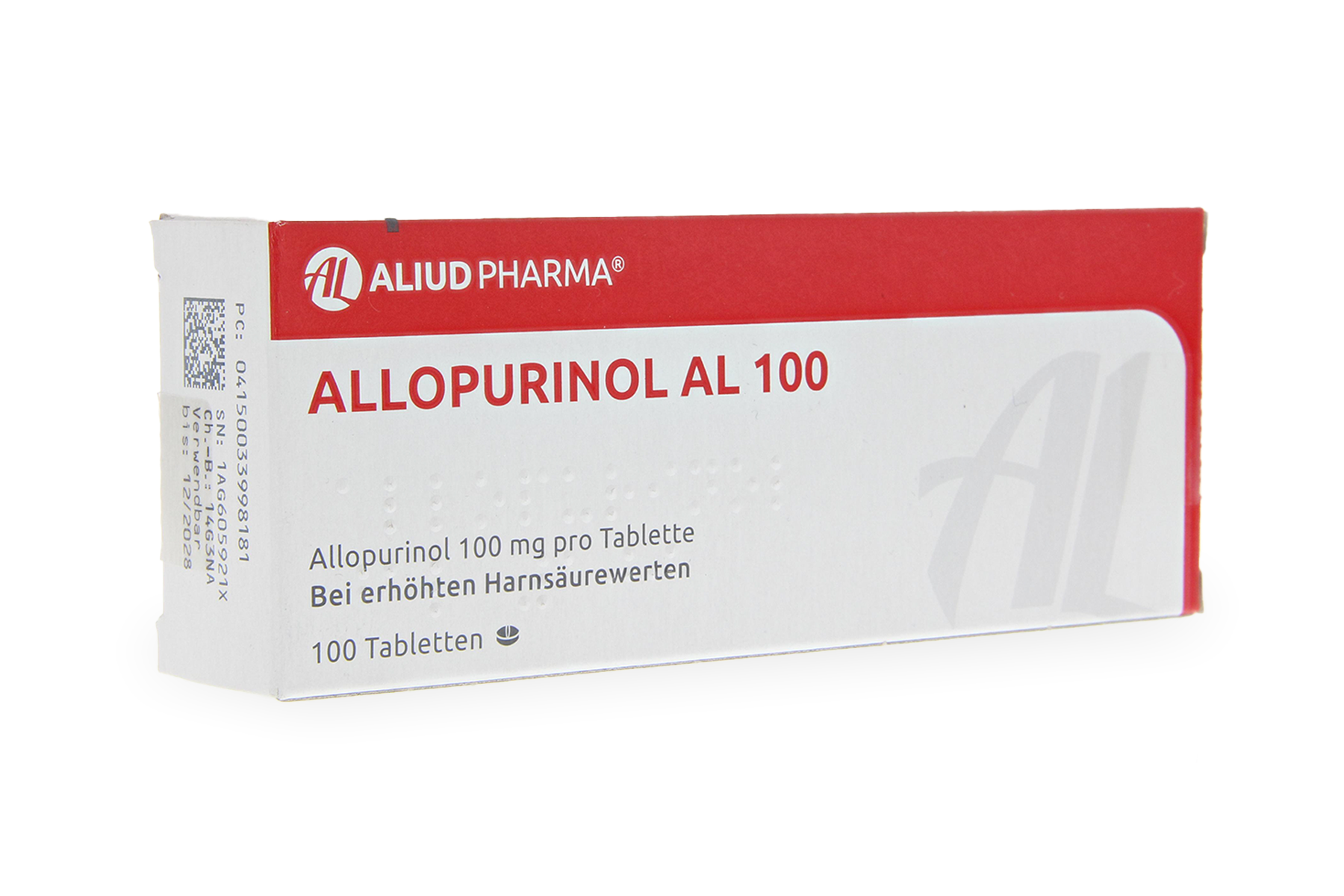
Allopurinol
View Options
This website provides general information about medicines for educational purposes only. Always consult your doctor or pharmacist before taking any medication.
Choose Your Medicine
Select dosage and quantity
Online Consultation
Reviewed by a qualified physician
Fast, Discreet Delivery
Delivered to your door
Medical Information
About This Medicine
Allopurinol is a prescription medicine used for the long-term prevention of gout, the treatment of hyperuricaemia (high blood uric acid levels), and the management of uric acid kidney stones (uric acid nephrolithiasis). It is one of the most widely prescribed urate-lowering medicines globally and has been in clinical use since the 1960s, with a well-established evidence base for reducing the frequency and severity of gout attacks and preventing the complications of chronic hyperuricaemia.
The Role of Uric Acid in Gout
Uric acid is the end product of purine metabolism in humans. When serum uric acid levels are persistently elevated, monosodium urate crystals can deposit in joints, tendons, and surrounding tissues, triggering episodes of acute gouty arthritis, the development of tophi (firm deposits of urate crystals under the skin), and potentially kidney damage. Conditions associated with hyperuricaemia include a rich diet high in meat, seafood, and alcohol; genetic factors; renal insufficiency; and the use of certain medicines such as diuretics, low-dose aspirin, and ciclosporin.
How Allopurinol Prevents Gout
Allopurinol reduces uric acid production by inhibiting the enzyme xanthine oxidase, which catalyses the final steps in purine degradation that produce uric acid. By blocking this enzyme, allopurinol lowers both serum and urinary uric acid levels, preventing crystal formation and gradually dissolving existing deposits over months to years of treatment. Sustained reduction of serum uric acid below the crystallisation threshold (generally below 360 micromol/L) leads to progressive resolution of tophi and a reduction in gout attack frequency.
Beyond Gout
Allopurinol is also used prophylactically during chemotherapy to prevent tumour lysis syndrome, a potentially life-threatening metabolic complication that occurs when rapid cell destruction releases large quantities of purines, dramatically raising uric acid levels. It may additionally be used in patients with enzyme disorders of purine metabolism such as Lesch-Nyhan syndrome. It is available as 100mg and 300mg tablets.
Usage & Dosage
When to Start Allopurinol
Never start allopurinol during an acute gout attack. Starting while an attack is ongoing can prolong or worsen it. Begin allopurinol only when the acute attack has fully resolved, typically at least two to four weeks after all inflammation has settled.
How to Take Allopurinol
Take allopurinol once daily, preferably after food to reduce stomach irritation. Take with a full glass of water. Drinking at least 2 litres of fluid daily during treatment helps maintain urine output and reduces the risk of kidney stones. Serum uric acid should be checked four to eight weeks after starting or changing the dose, and adjusted until the target level is reached.
During the first three to six months, your doctor will usually prescribe a low dose of colchicine or an NSAID alongside allopurinol to prevent transitional gout flares as urate crystals begin to dissolve.
The standard starting dose of allopurinol is 100mg once daily, taken after food. The dose is then increased in 100mg increments every two to four weeks based on serum uric acid levels and tolerability, up to the dose required to achieve a target serum uric acid below 360 micromol/L. Most patients require between 200mg and 400mg per day; some patients need up to 900mg per day, though this is less common.
Renal impairment (critical): Oxipurinol is excreted renally, and dose reduction is mandatory in renal impairment to prevent accumulation and serious toxicity. For a creatinine clearance of 60-89 mL/min, a starting dose of 100mg is appropriate, with careful titration. For 30-59 mL/min, a maximum of 100mg per day or every other day is recommended. For creatinine clearance below 30 mL/min, very low doses (as little as 50mg on alternate days) should be used under specialist guidance. Haemodialysis patients may require supplemental dosing after each session.
Elderly patients often have reduced renal function and should be started on lower doses with careful monitoring. Hepatic impairment does not significantly affect allopurinol dosing, as metabolism to oxipurinol is largely renal.
Side Effects
Common Side Effects
Allopurinol is generally well tolerated at recommended doses. Common side effects include:
- Gout flares, particularly in the first weeks to months of treatment during dose titration
- Skin rash (maculopapular rash), which is one of the most frequently reported side effects and may require dose reduction or discontinuation
- Nausea, vomiting, or gastrointestinal upset, which are less common when the tablet is taken after food
- Headache and drowsiness
- Diarrhoea or altered bowel habits
- Altered liver function tests (usually mild and reversible)
- Peripheral neuropathy (rare at standard doses)
Serious Side Effects
The most clinically important serious adverse effects of allopurinol include:
- Severe cutaneous adverse reactions (SCARs): These include Stevens-Johnson syndrome (SJS), toxic epidermal necrolysis (TEN), and drug reaction with eosinophilia and systemic symptoms (DRESS). These are potentially life-threatening and present as widespread skin blistering, mucous membrane involvement, fever, and systemic illness. Any skin rash developing during allopurinol treatment should be assessed promptly, and the drug should be stopped immediately if a serious reaction is suspected.
- Agranulocytosis (severe reduction in white blood cell count) and aplastic anaemia (rare)
- Hepatitis, cholestatic jaundice, and hepatic failure (rare)
- Hypersensitivity vasculitis affecting multiple organ systems
Warnings & Precautions
Skin Reactions and HLA-B*58:01 Testing
Allopurinol carries a significant warning regarding severe skin reactions. Stevens-Johnson syndrome and toxic epidermal necrolysis are rare but potentially fatal reactions. The risk is significantly higher in patients of Han Chinese, Thai, or Korean ancestry, who have a much higher prevalence of the HLA-B*58:01 allele, a genetic marker strongly associated with allopurinol-induced SCARs. Genetic testing for this allele before starting allopurinol is recommended in these populations. Any new rash developing during allopurinol treatment should be taken seriously, and the medicine should be stopped immediately if a severe reaction is suspected, pending medical review.
Drug Interactions
Allopurinol significantly inhibits the metabolism of azathioprine and mercaptopurine. If these medicines are taken together, the dose of azathioprine or mercaptopurine must be reduced to approximately 25% of the usual dose, and blood counts must be monitored closely. Failure to reduce the dose when combining these medicines can cause potentially fatal bone marrow suppression. Allopurinol also interacts with ampicillin and amoxicillin (increased skin rash risk), warfarin (may prolong prothrombin time), ciclosporin (increased ciclosporin levels), and theophylline (increased theophylline toxicity). Always review all concurrent medicines before starting allopurinol.
Contraindications
Allopurinol is contraindicated or must be used with great caution in the following situations:
- Known hypersensitivity to allopurinol or oxipurinol
- Acute gout attack (do not initiate treatment until the attack has fully resolved)
- Severe renal impairment without appropriate dose reduction and specialist supervision
- Concurrent use of azathioprine or mercaptopurine without corresponding dose reduction of those agents
- Concurrent use of didanosine (HIV treatment), as allopurinol significantly increases didanosine toxicity
- Patients who are HLA-B*58:01 positive (particularly those of Han Chinese, Thai, or Korean ancestry) should only receive allopurinol after careful risk-benefit discussion
- Known history of severe cutaneous adverse reaction (SJS, TEN, or DRESS) to allopurinol or oxipurinol
- Haemochromatosis, as allopurinol may worsen iron deposition
- Pregnancy (use only if clearly necessary and under specialist supervision, as safety data are limited)
Frequently Asked Questions
Why am I still getting gout attacks after starting allopurinol?
What is the target uric acid level on allopurinol treatment?
What should I do if I develop a rash while taking allopurinol?
Do I need to take allopurinol for life?
Can I drink alcohol while taking allopurinol?
Dr. Ross Elledge
General Practitioner · General & Family Medicine
Verified Healthcare Professional
TopDoctors Profile