
Weight Loss Treatments
Prescription weight loss medications can help when diet and exercise alone are not enough. GLP-1 receptor agonists like semaglutide have shown average weight reductions of 10–15% in clinical trials. A licensed online doctor can assess suitability and prescribe the right treatment.
GLP-1 medications reduce appetite and slow gastric emptying
Prescription weight loss aids are for BMI 30+ or BMI 27+ with comorbidities
Clinical trials show 10–15% body weight reduction with semaglutide
Regular follow-ups ensure safe, sustained weight management

Cialis
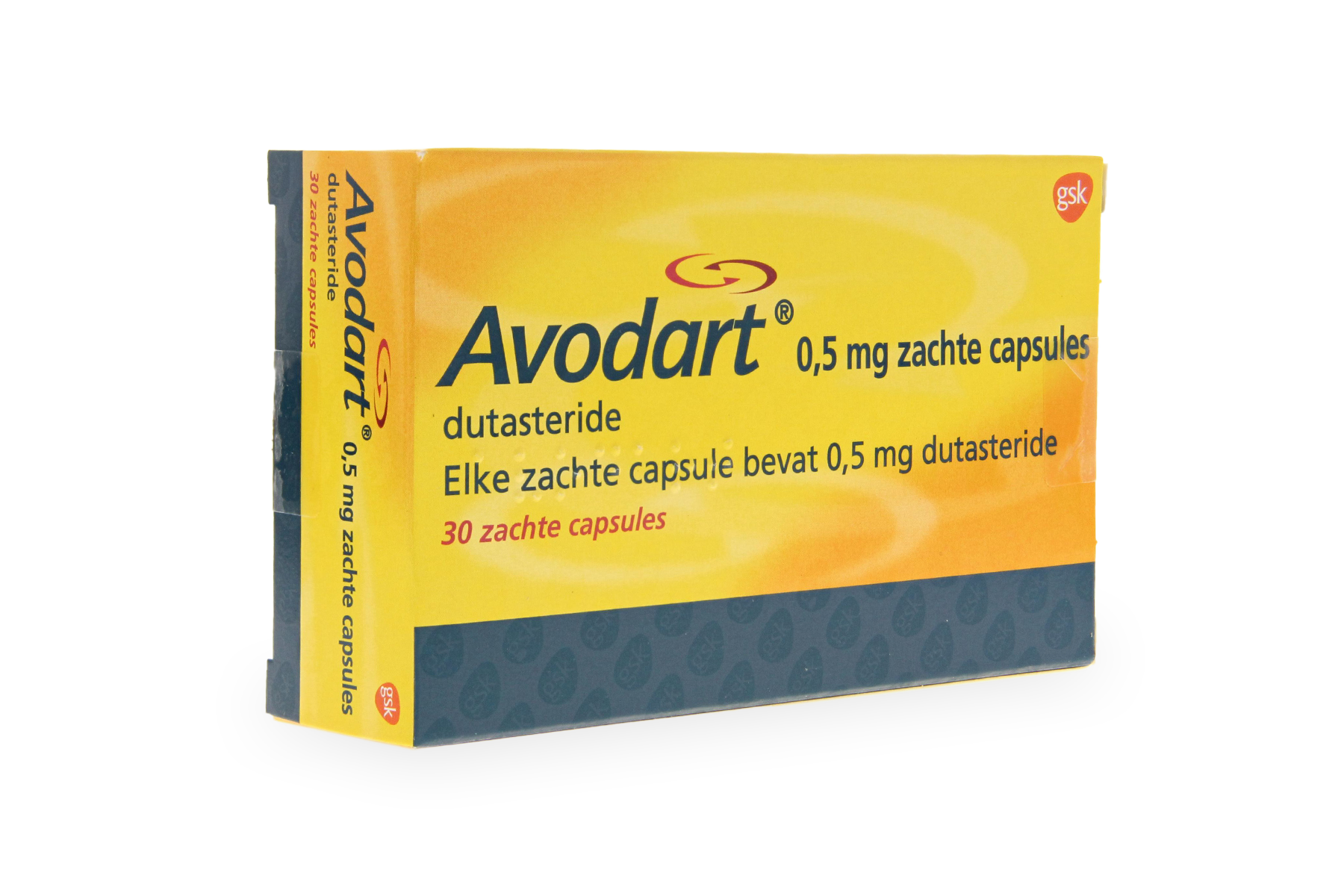
Avodart
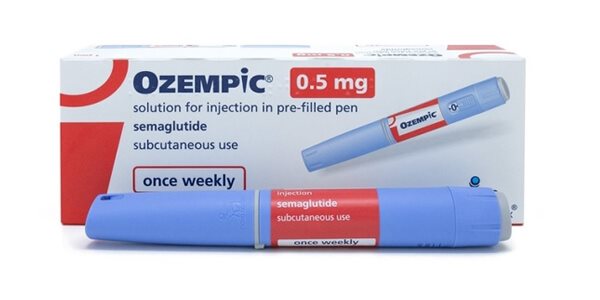
Ozempic

Nuvaring
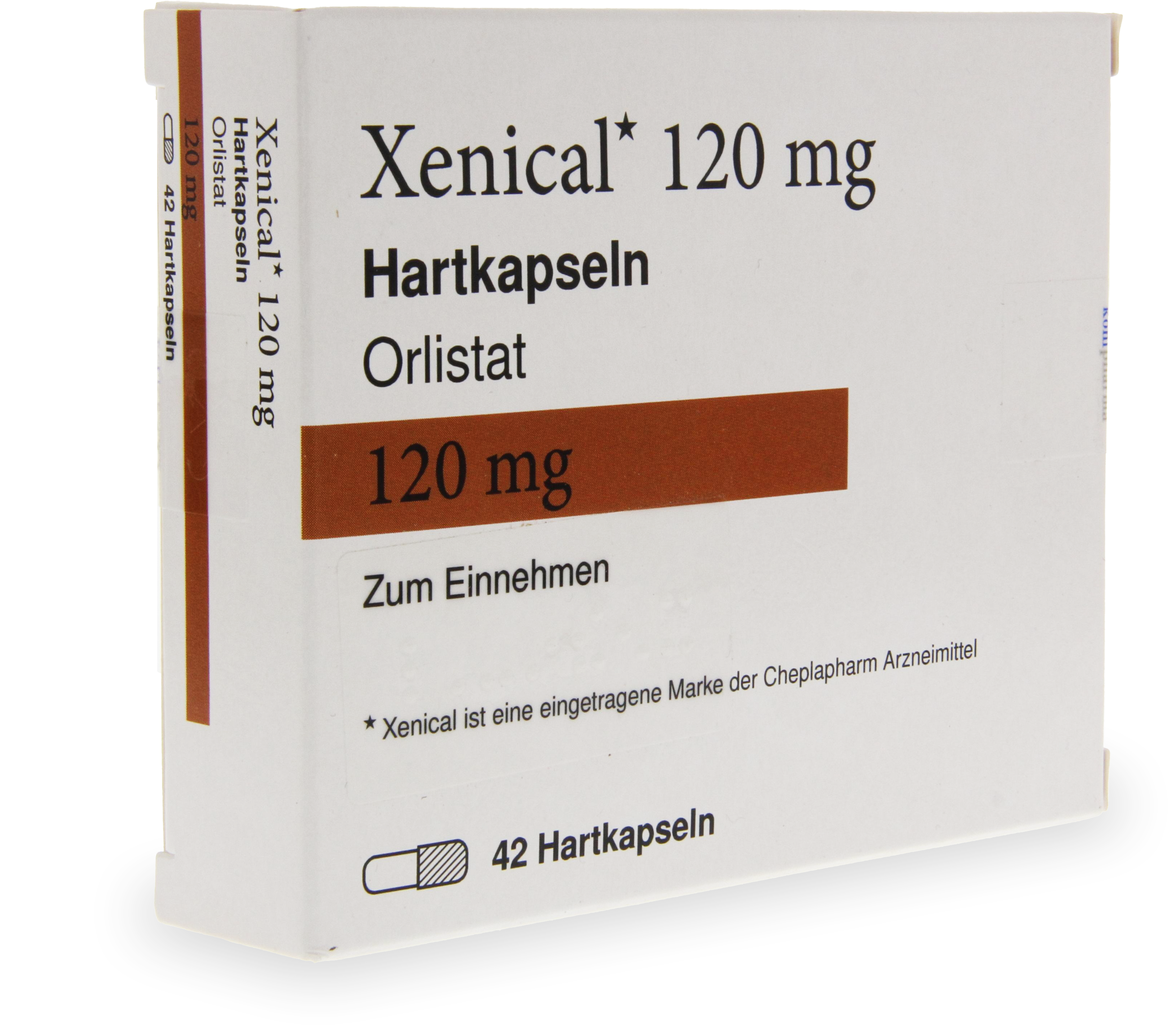
Xenical

Fluconazole

Yasmin
Qlaira
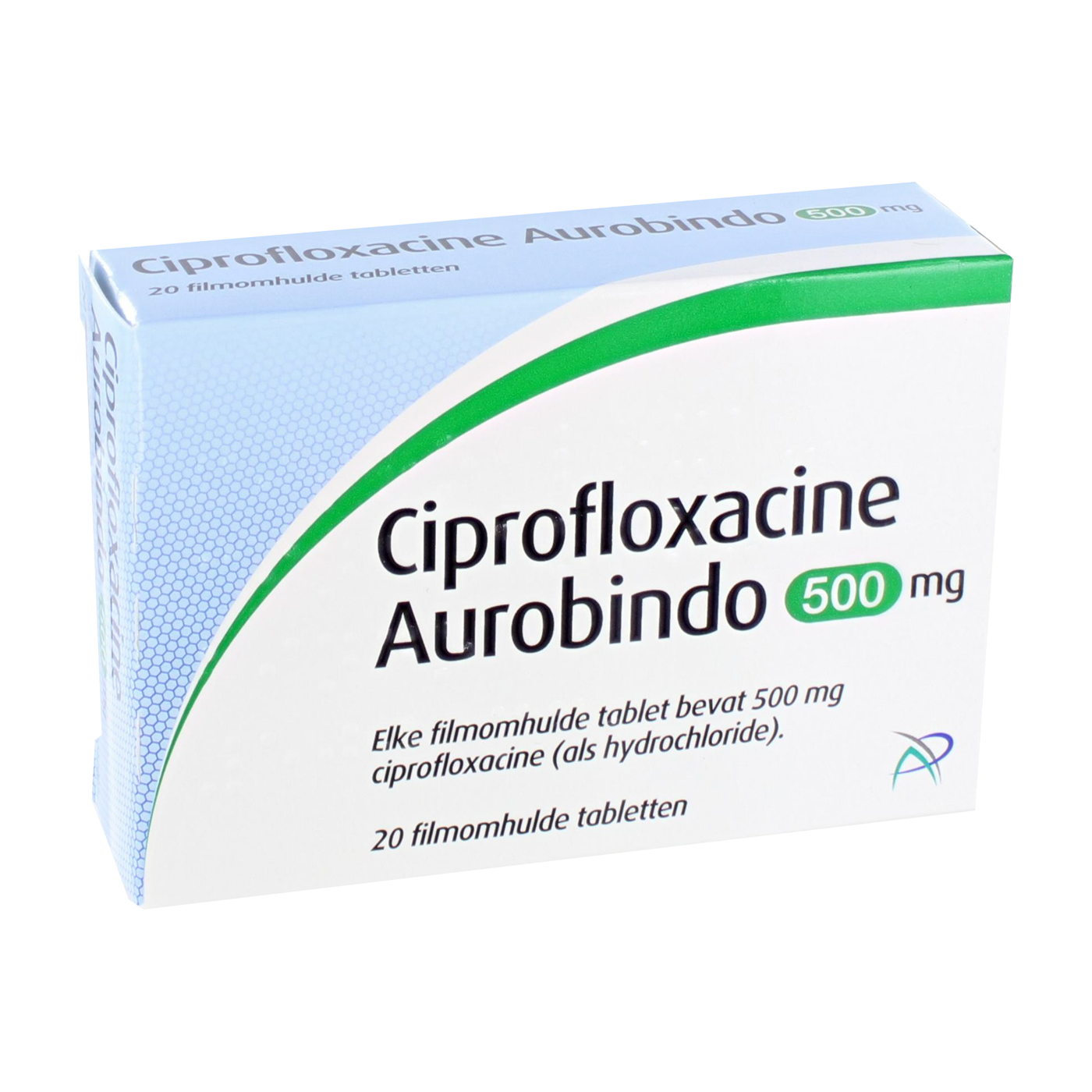
Ciprofloxacin
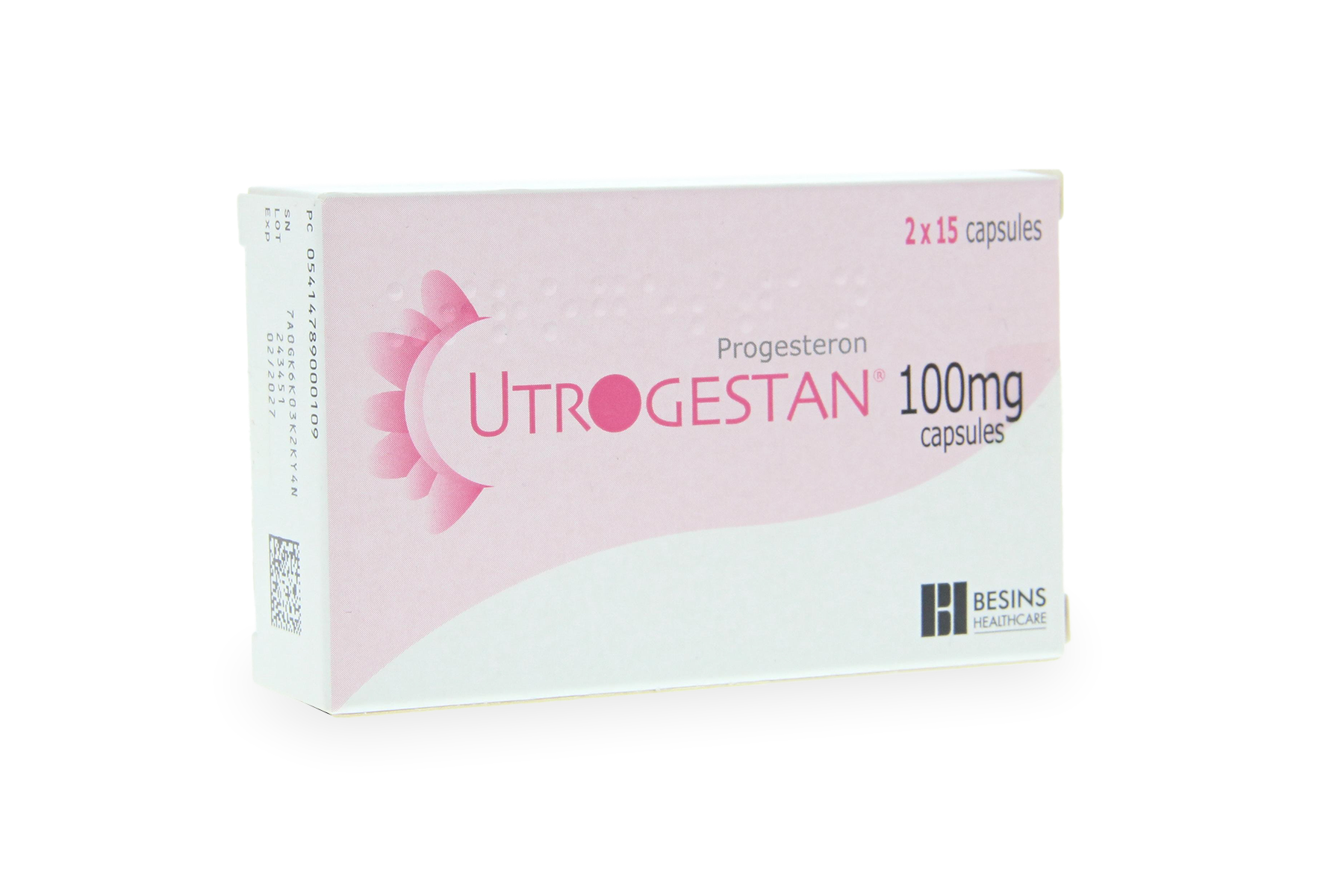
Utrogestan

Priligy
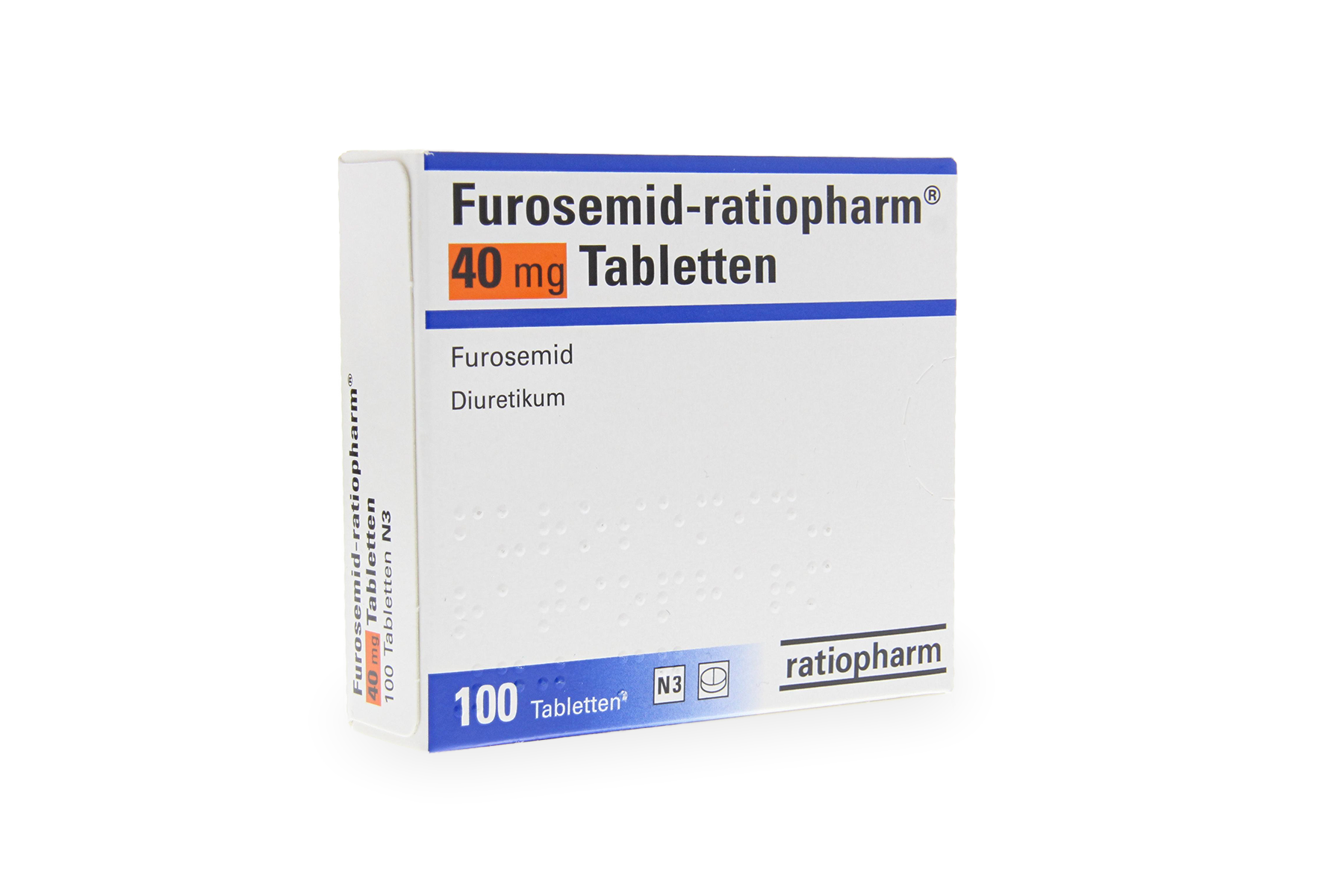
Furosemide
Omeprazole

Pantoprazole

Sildenafil

Seretide
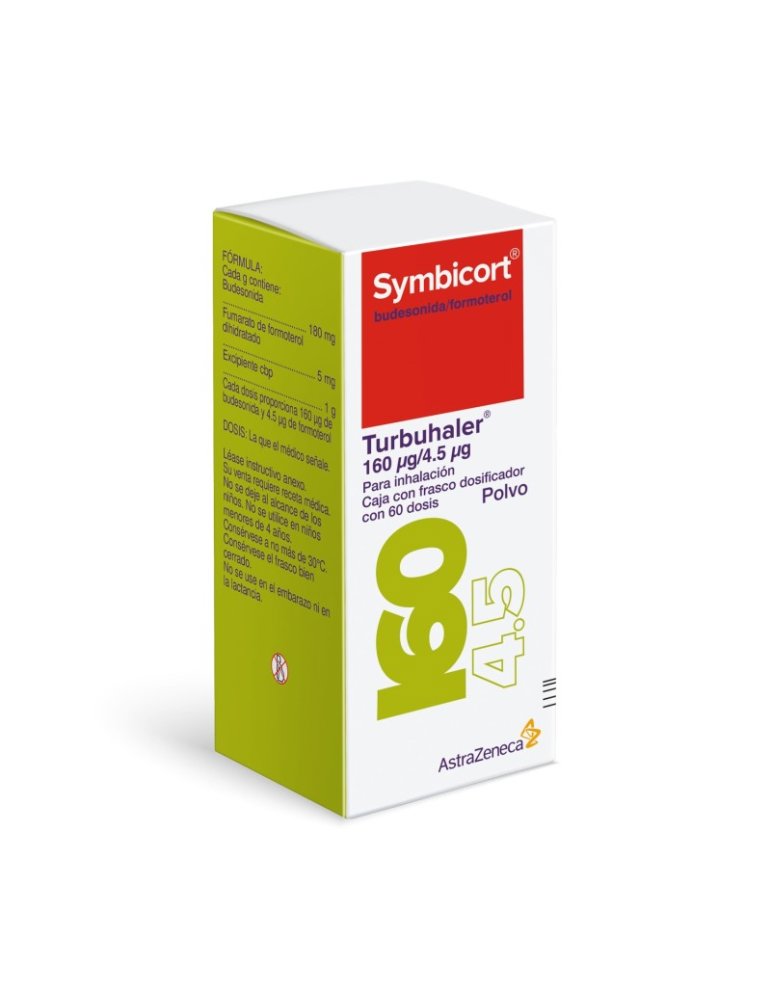
Symbicort Turbuhaler
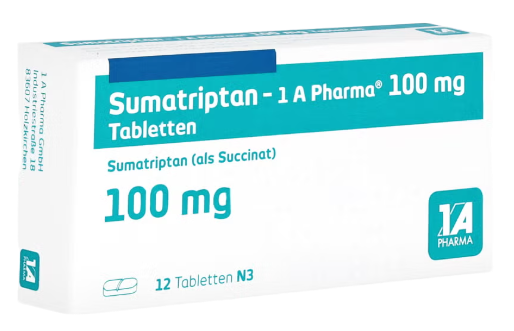
Sumatriptan

Betnovate
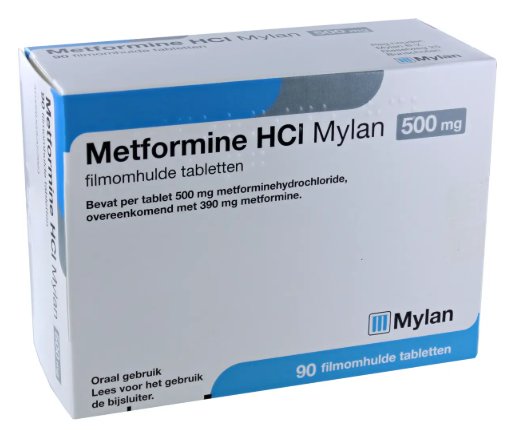
Metformin
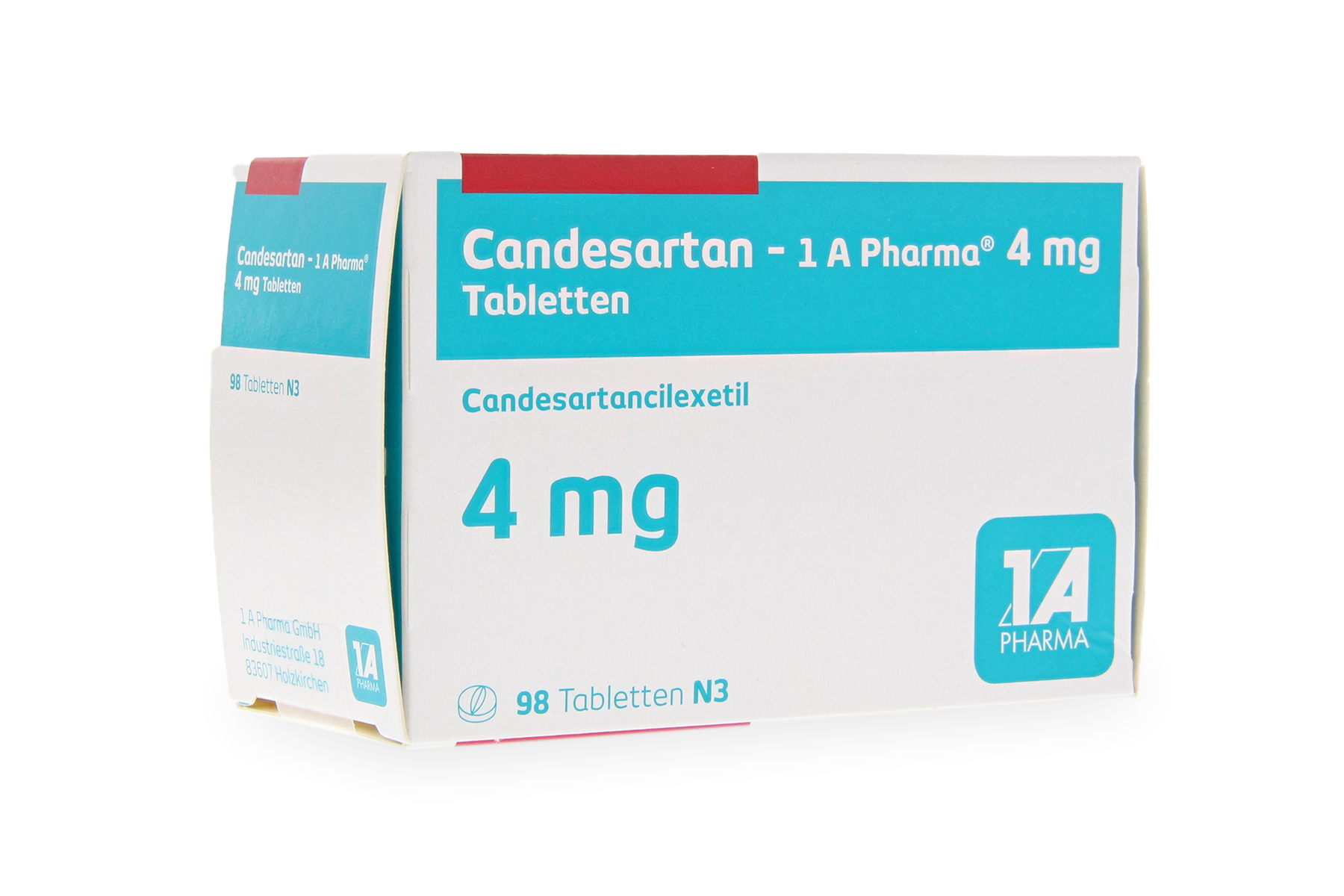
Candesartan
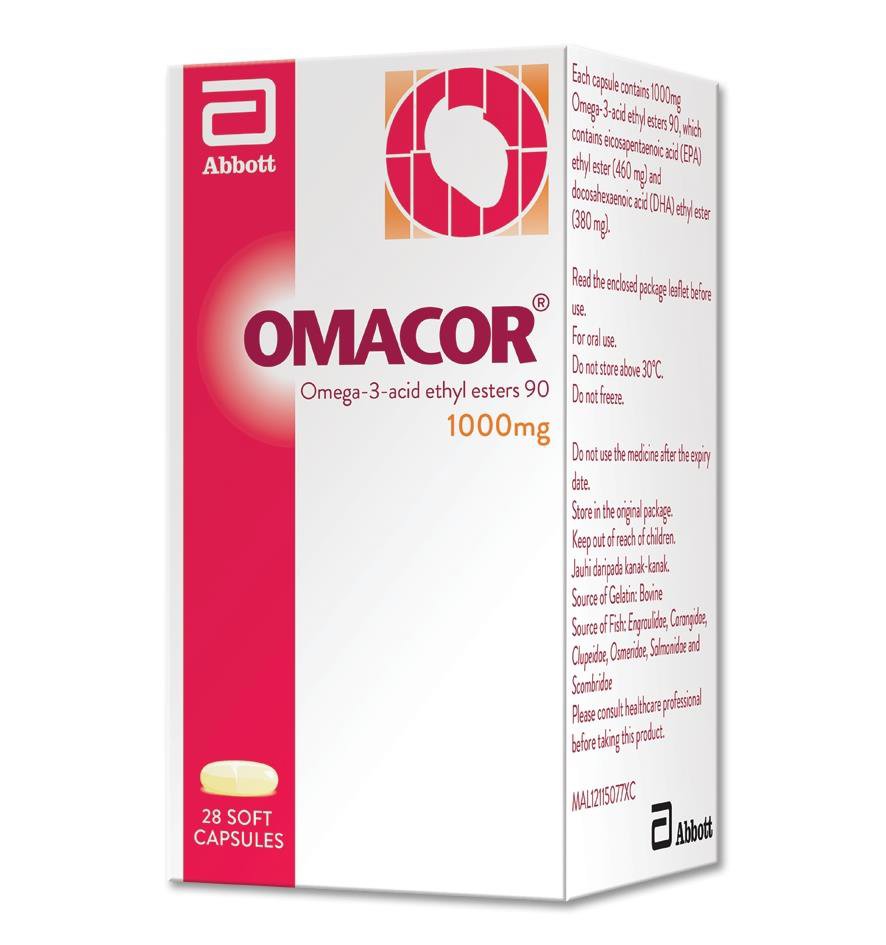
Omacor
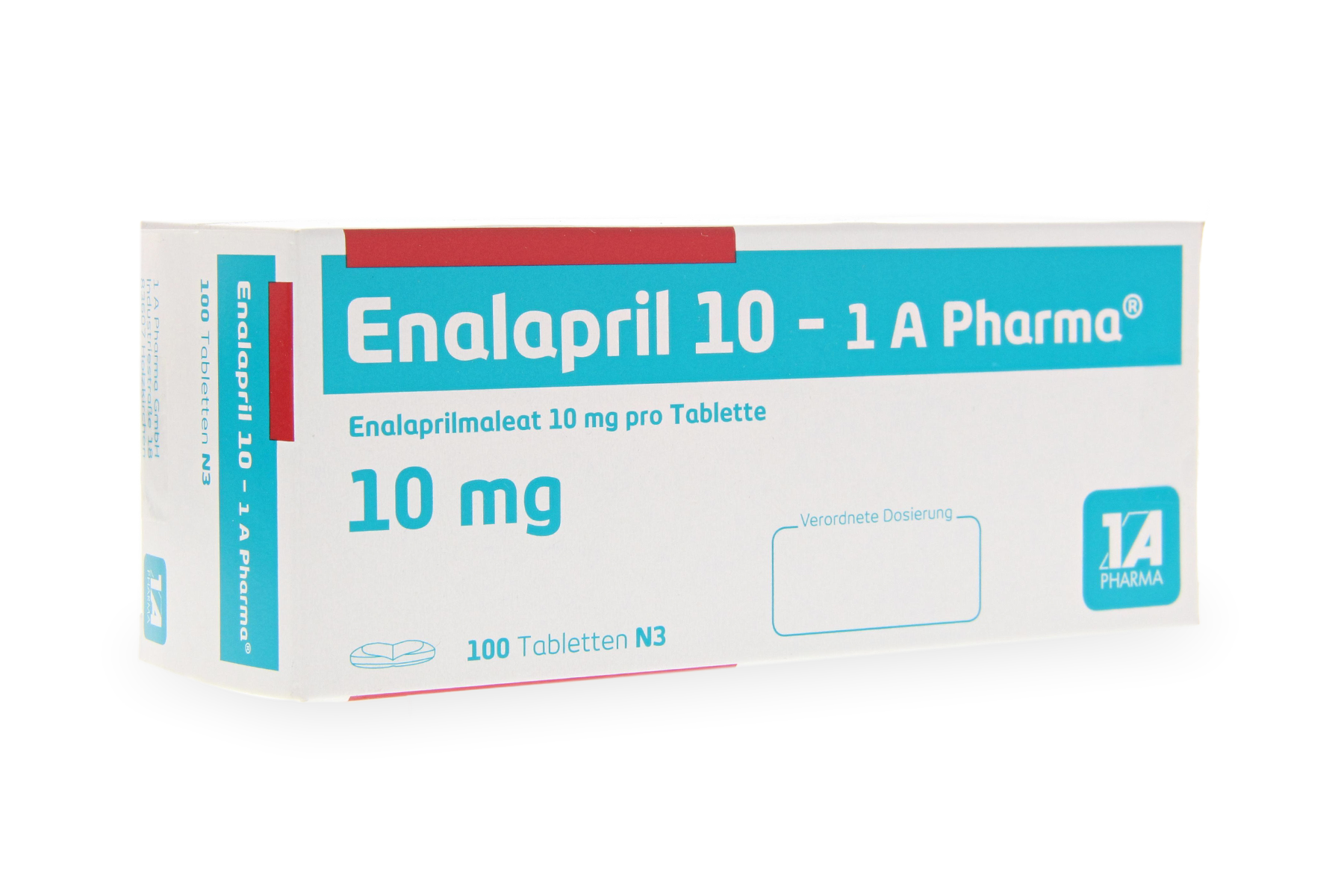
Enalapril
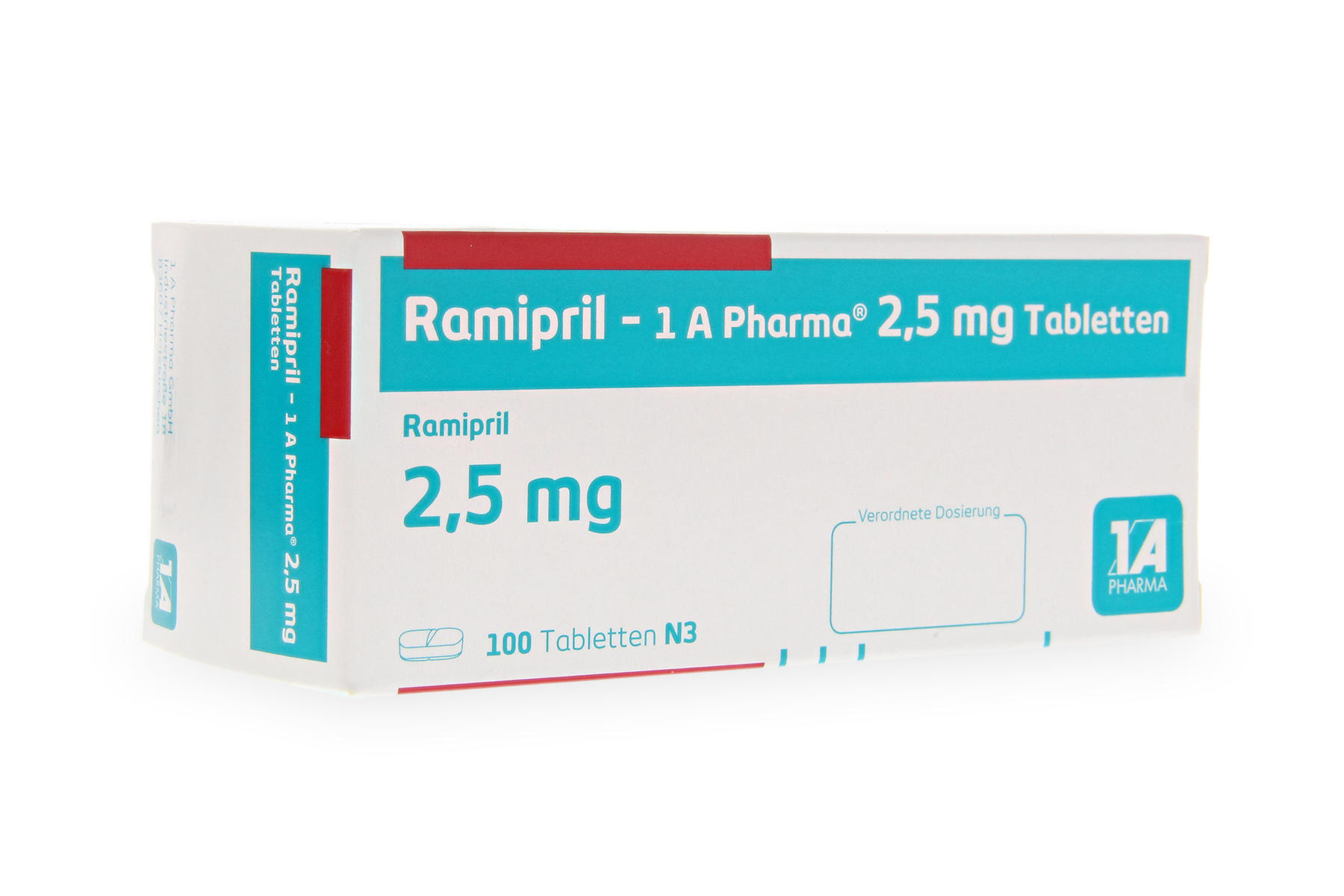
Ramipril
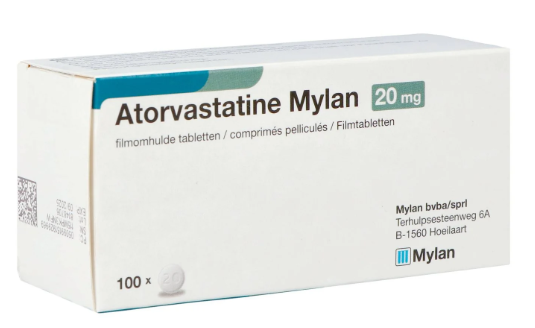
Atorvastatin
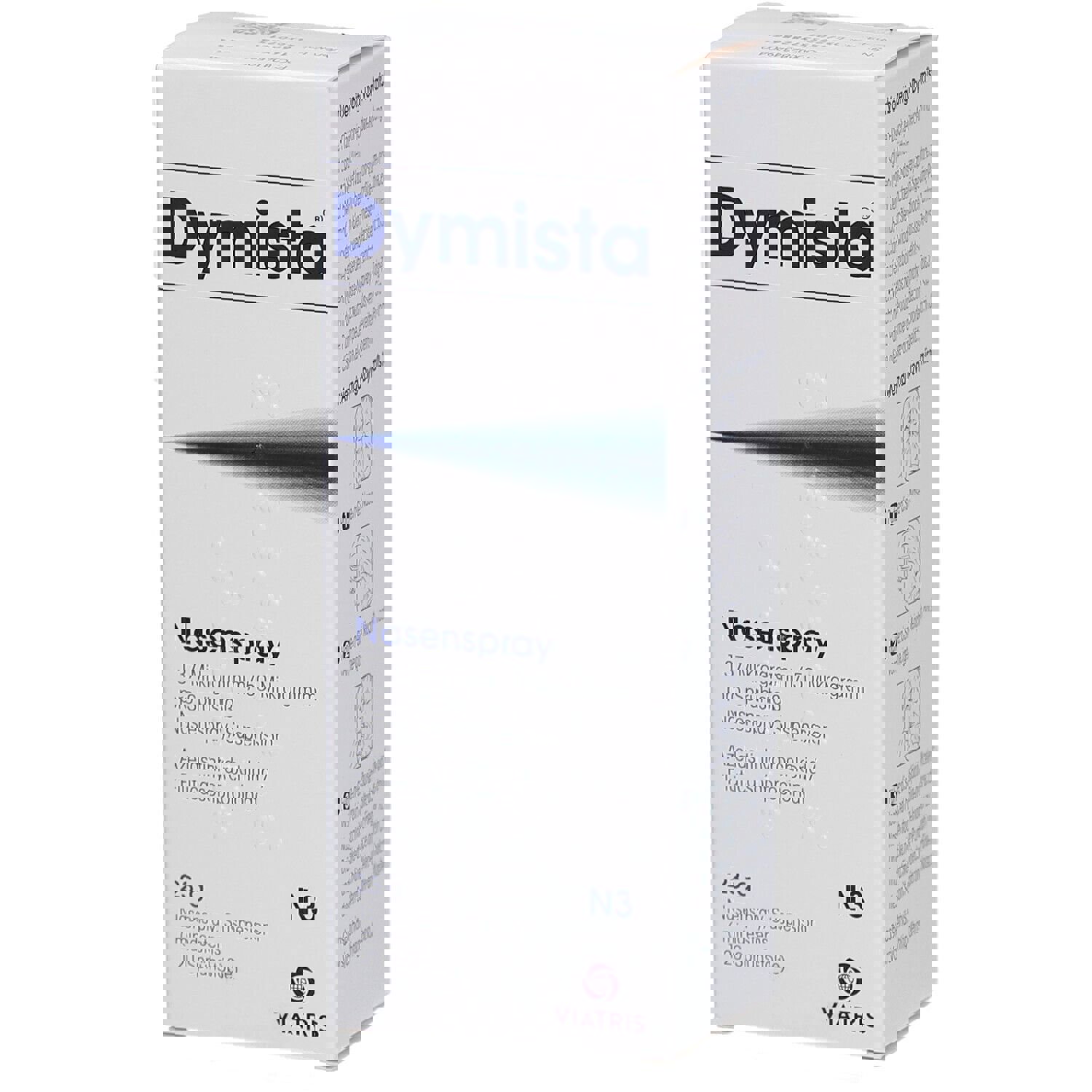
Dymista
Mirvaso

Spedra

Salbutamol
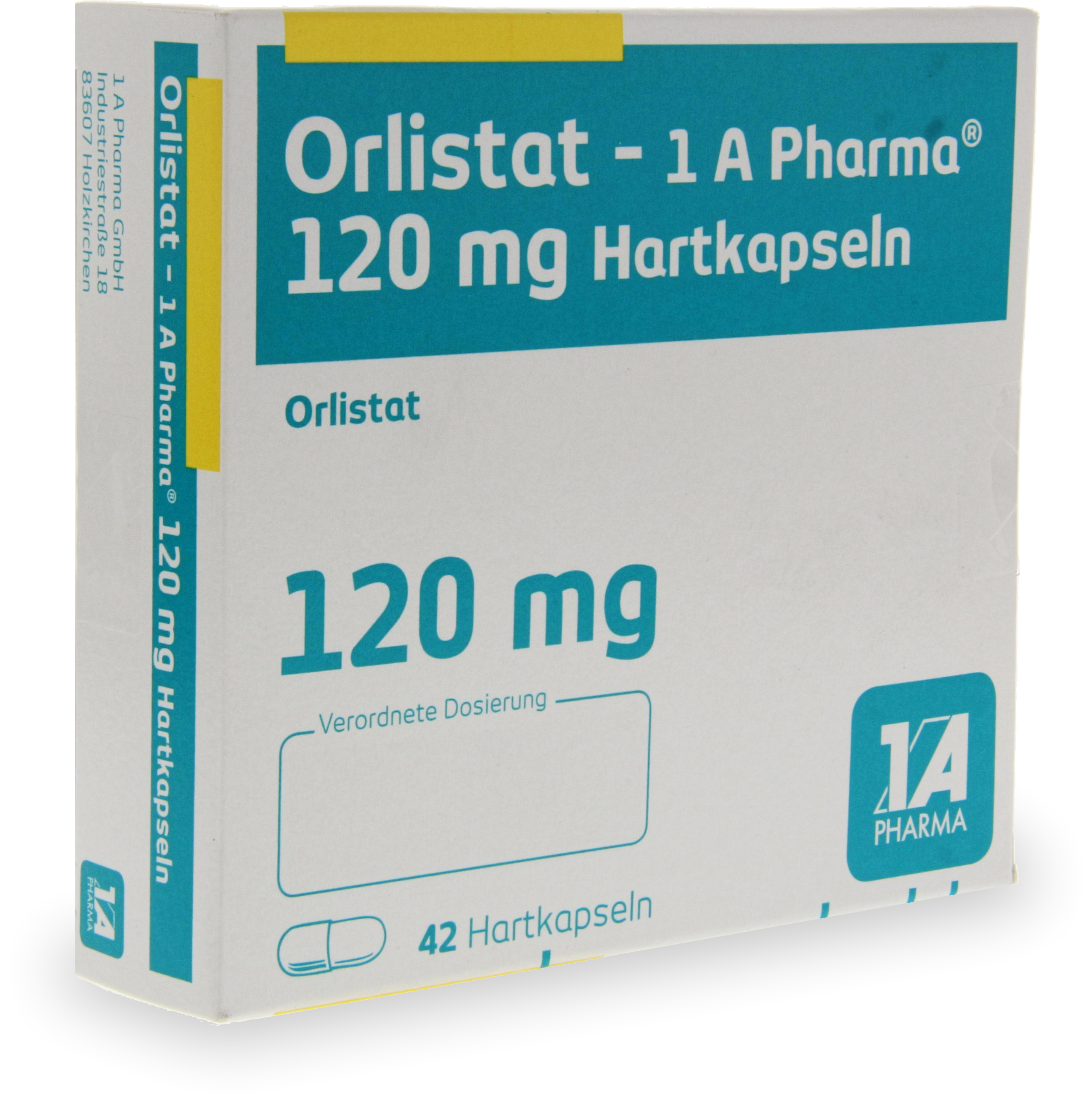
Orlistat

Vagifem

Marvelon
Desloratadine
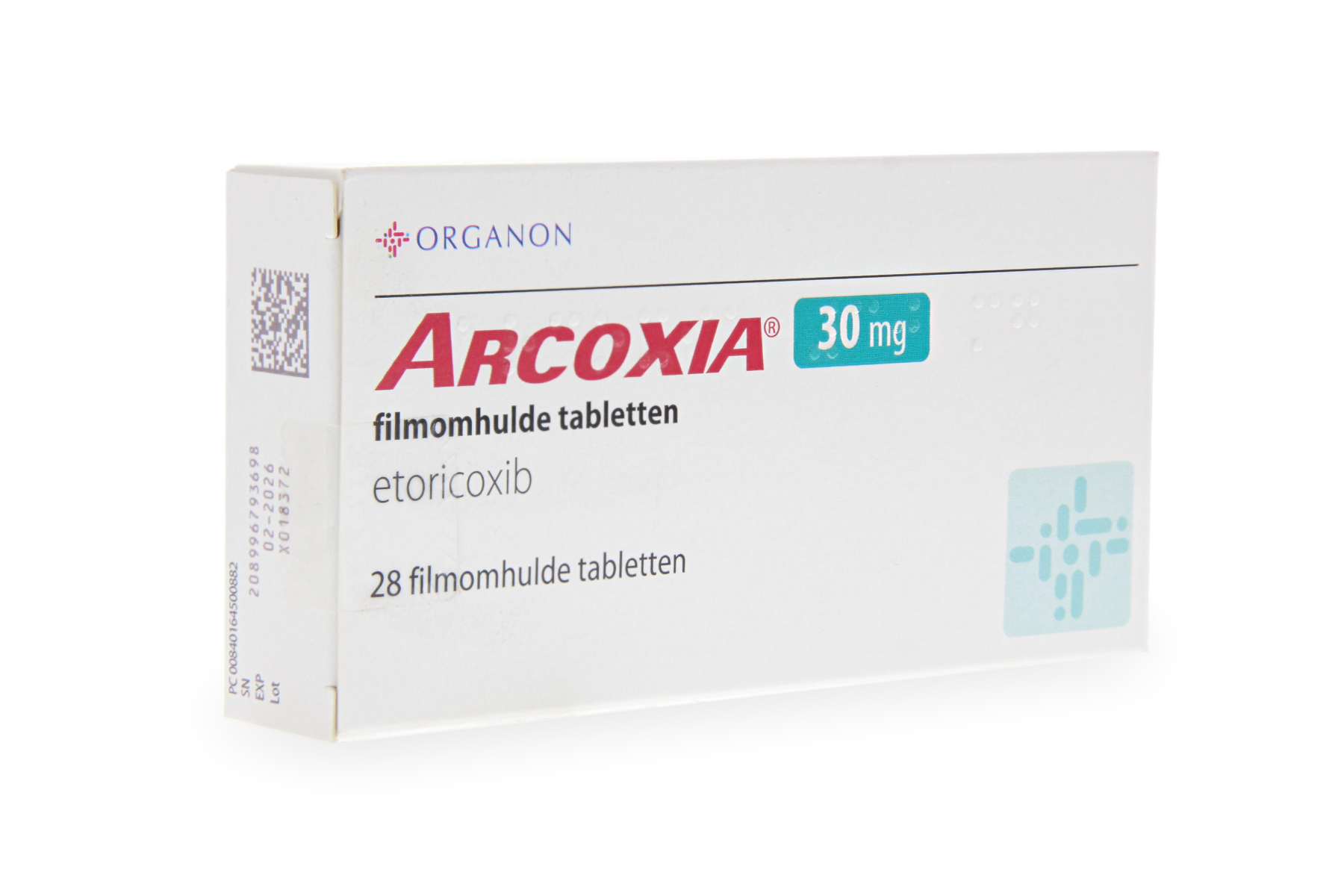
Arcoxia
Levothyroxine
Mercilon
Adenuric

Metoclopramide
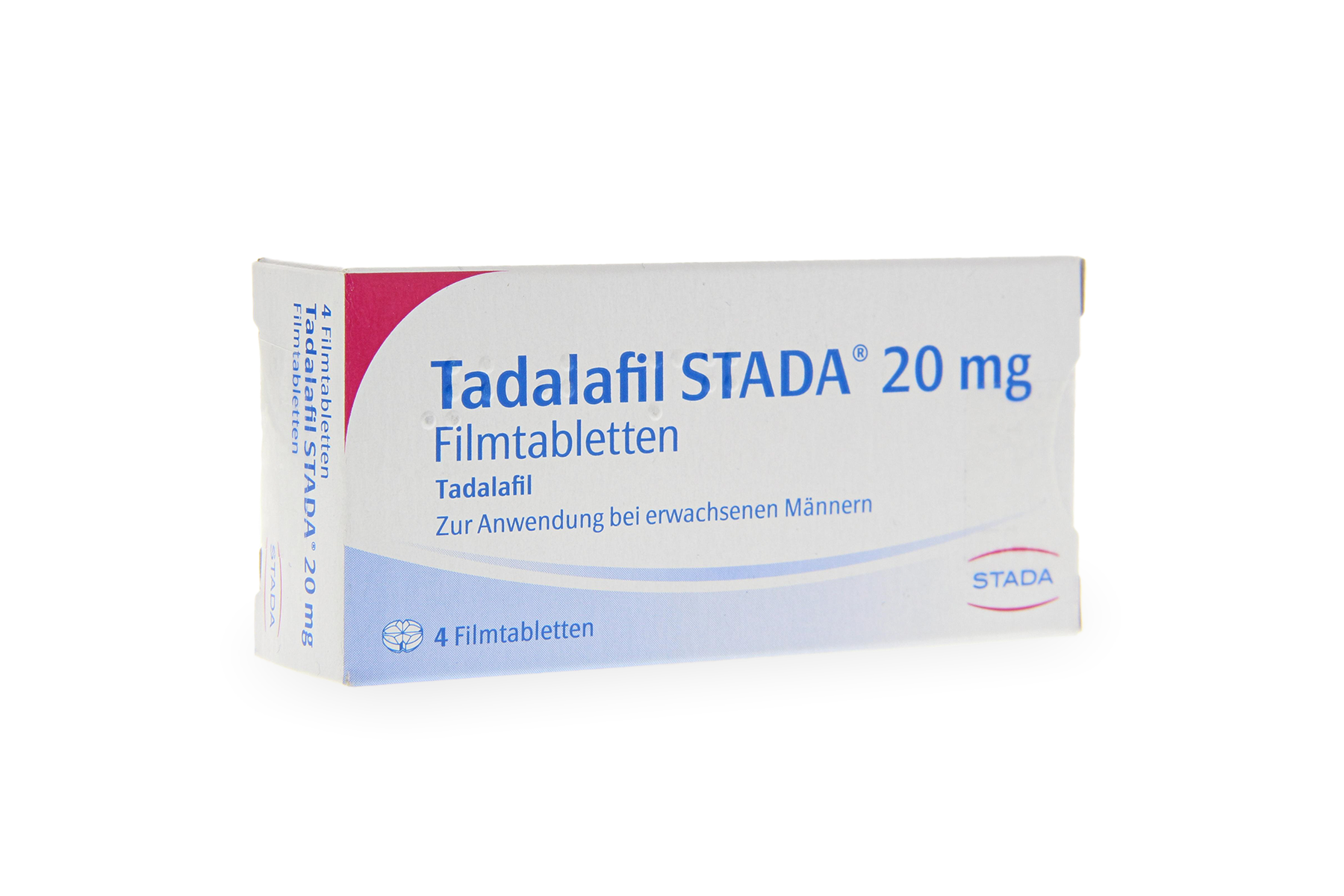
Tadalafil
Valsartan
Spironolactone
Eliquis
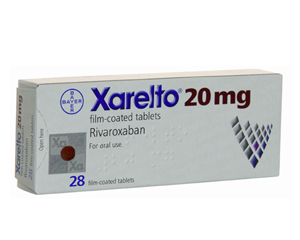
Xarelto

Vardenafil
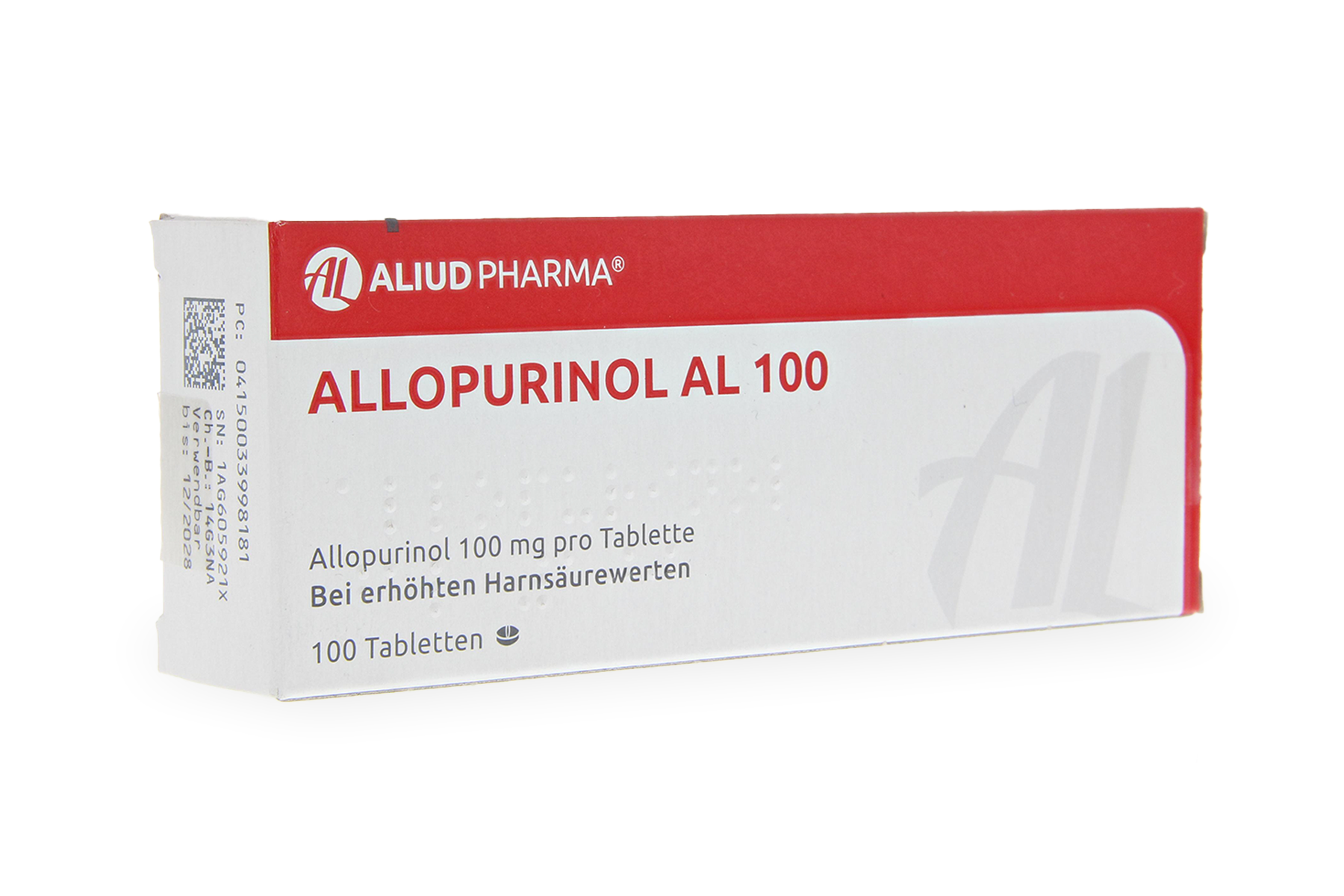
Allopurinol
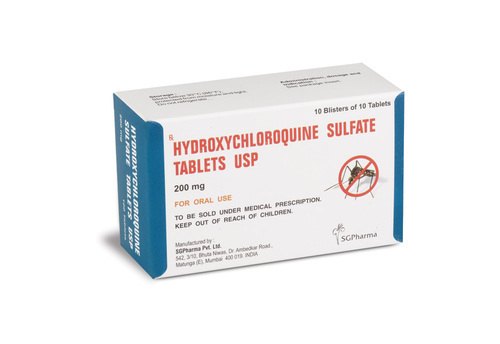
Hydroxychloroquine
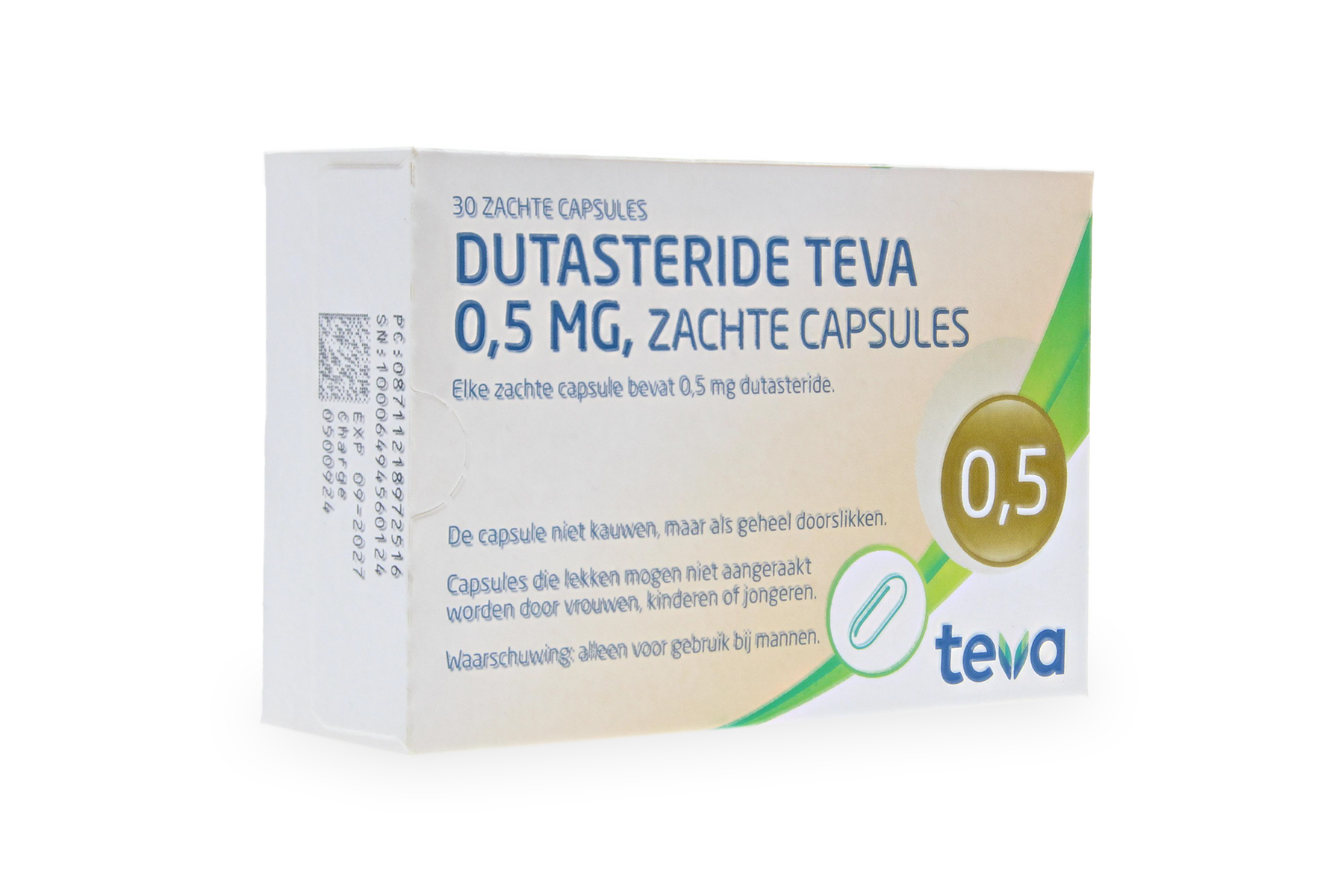
Dutasteride
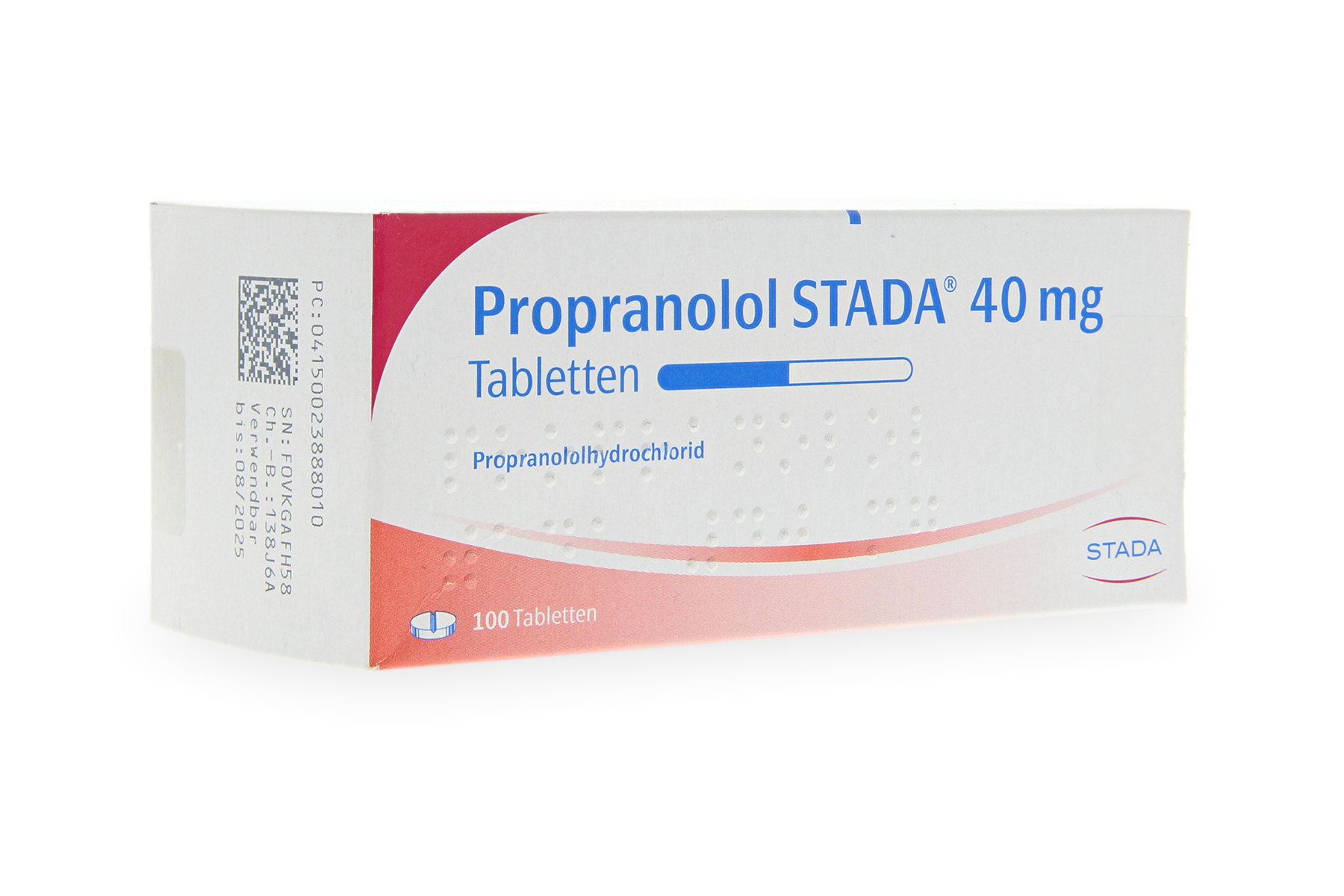
Propranolol

Wegovy
Circadin

Maxalt
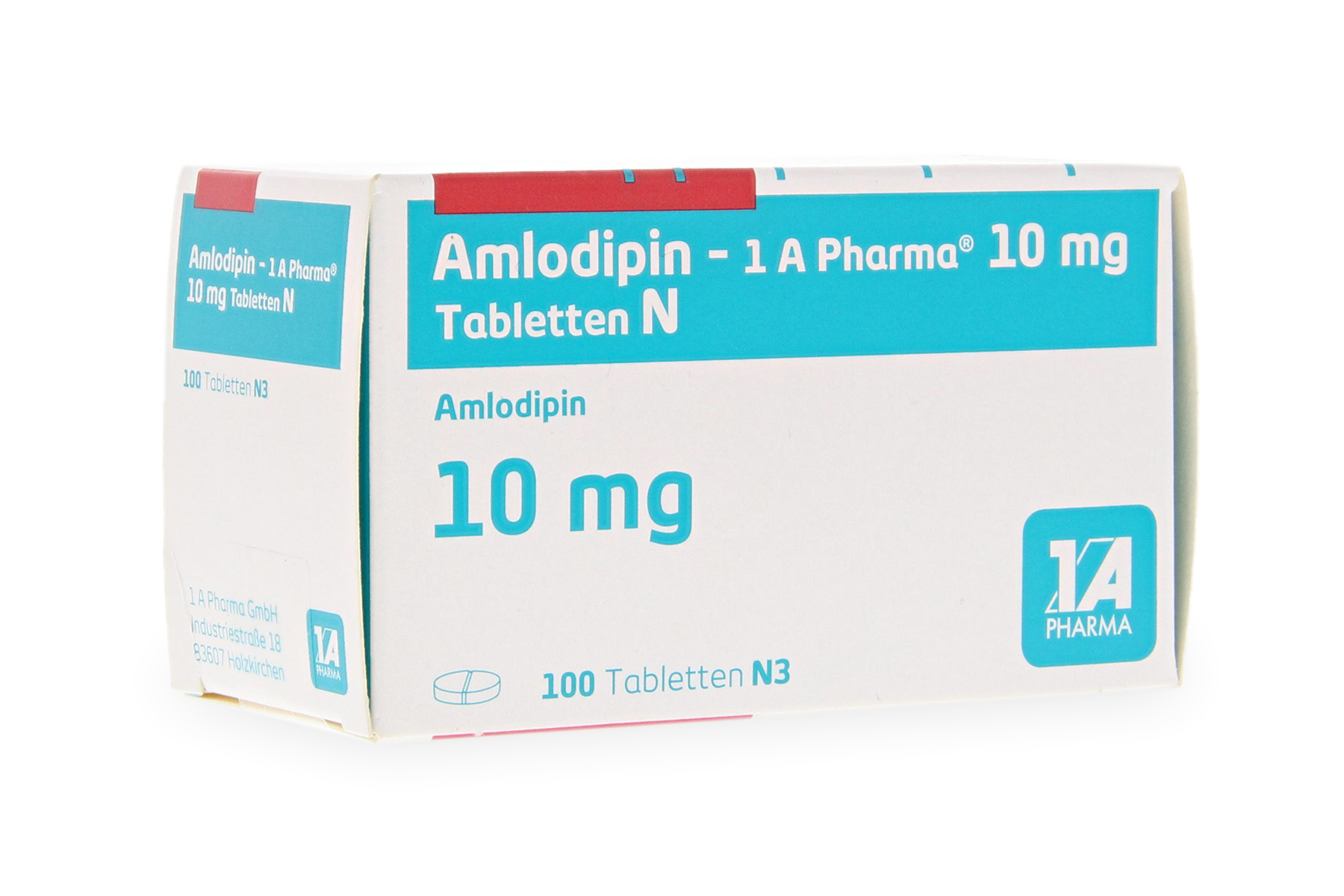
Amlodipine
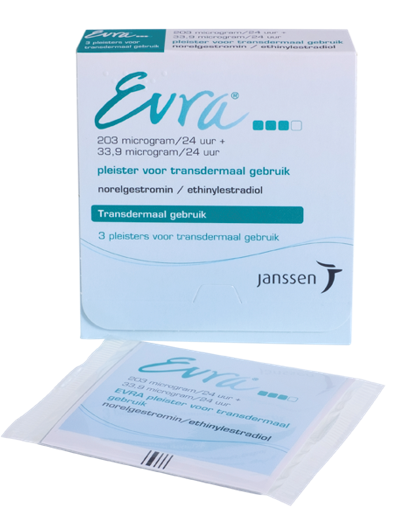
Evra Patches

Mounjaro

Dermovate

Cerazette

Viagra

Melatonin
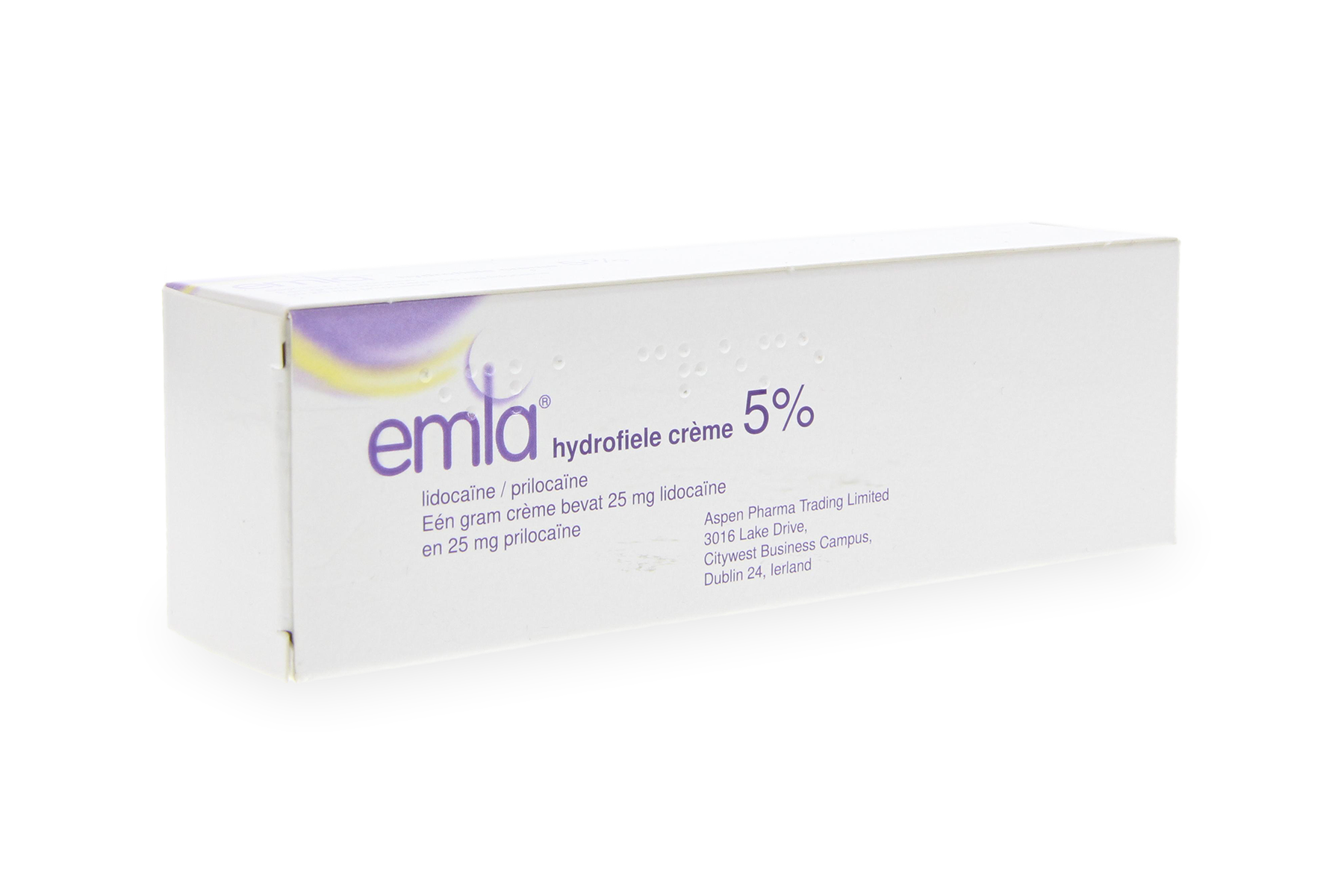
Emla Cream
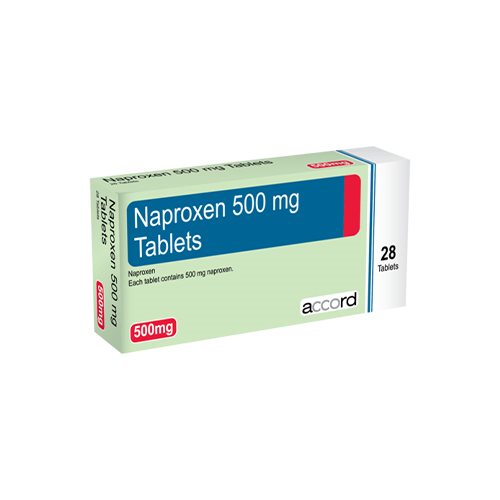
Naproxen

Ventolin

Bricanyl Turbohaler
Doxycycline (Malaria)

Impotence Trial Pack

Microgynon 30
Fucidin
Bisoprolol
Losartan
Pulmicort Turbohaler

Avamys

Telfast
Vitaros

Zyloric
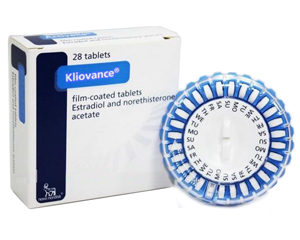
Kliovance

Bactroban
Elocon
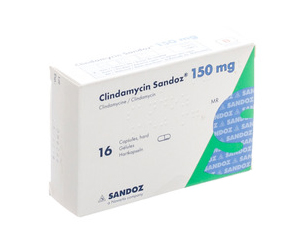
Clindamycin
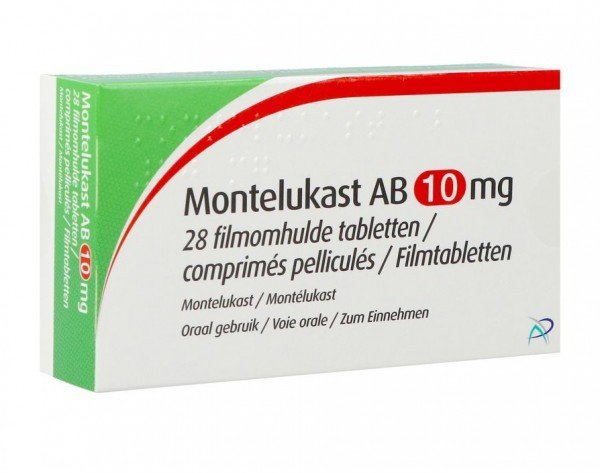
Montelukast
Aciclovir
Proscar

Differin
Nasonex Nasal Spray

Propecia
Clonidine

Femoston

Oestrogel
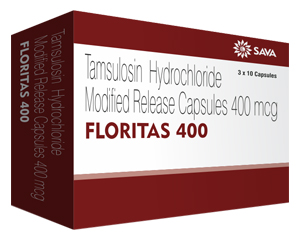
Tamsulosin MR
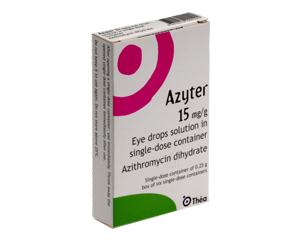
Azyter
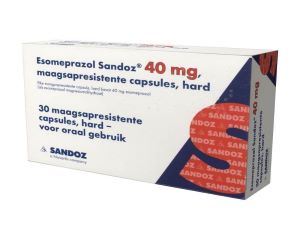
Esomeprazole
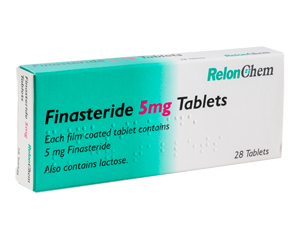
Proscar (Finasteride)

Diclofenac SR
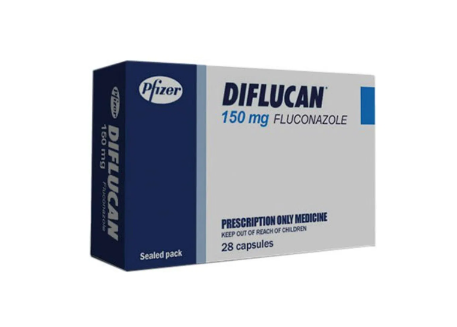
Diflucan
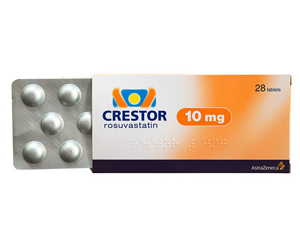
Crestor
Lansoprazole
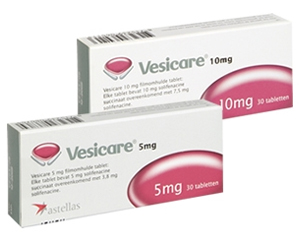
Vesicare
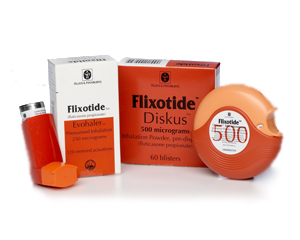
Flixotide
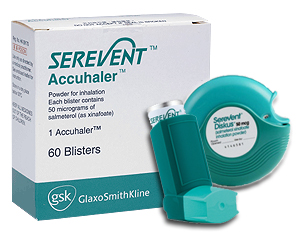
Serevent
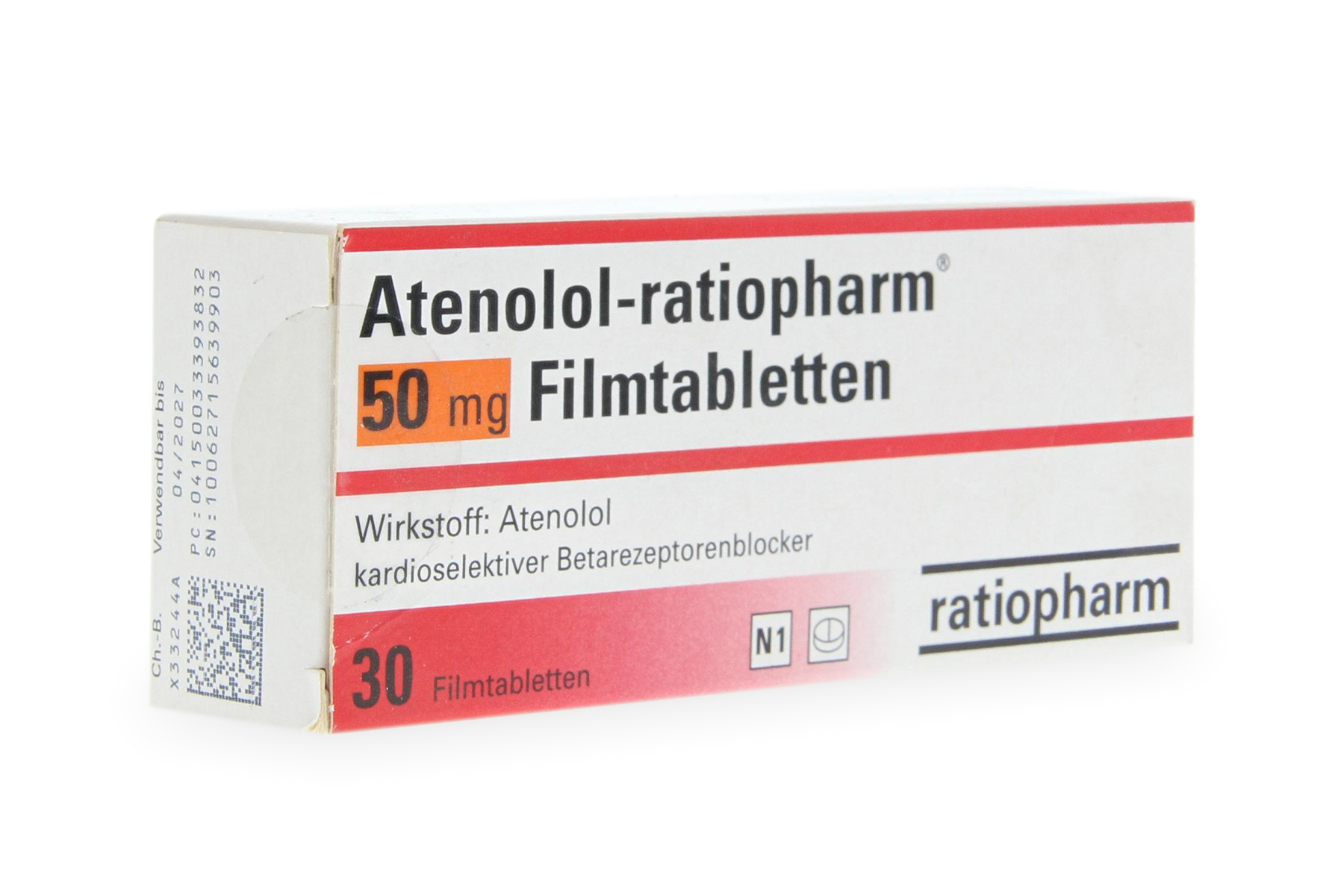
Atenolol
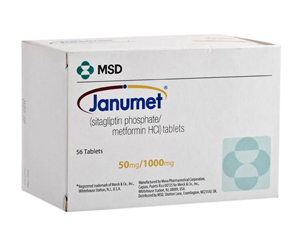
Janumet
Zomig
Weight Loss Treatments
Understanding Weight Management
Carrying excess weight places significant strain on almost every system in the body. From increased cardiovascular risk and joint pain to a higher likelihood of developing type 2 diabetes, the health implications extend far beyond appearance. For many people, conventional diet and exercise alone are not enough, particularly when metabolic, hormonal, or genetic factors are at play.
The science of weight management has advanced considerably in recent years. We now understand that body weight is regulated by a complex interplay of hormones, including leptin, ghrelin, and insulin, which influence appetite, satiety, and fat storage. This biological reality means that willpower alone is rarely sufficient for sustained weight loss, especially for individuals with a BMI above 30.
Modern prescription treatments work alongside these biological pathways rather than against them. By targeting appetite regulation at a hormonal level, medications such as GLP-1 receptor agonists and lipase inhibitors can help patients achieve clinically meaningful weight loss when combined with dietary changes and increased physical activity.
Prescription Weight-Loss Treatments
Several prescription options are available for adults who meet the clinical criteria for pharmacological weight management. Orlistat (sold as Xenical or in a lower-dose form as Alli) works in the gut by blocking roughly one third of dietary fat from being absorbed. It is taken with meals and is most effective when paired with a reduced-fat diet.
Semaglutide and liraglutide, originally developed for type 2 diabetes, have transformed the weight-loss landscape. These GLP-1 receptor agonists mimic a natural hormone that signals fullness to the brain, reducing appetite and calorie intake. Clinical trials have demonstrated average weight reductions of 10 to 15 per cent of body weight over 12 months, making them some of the most effective non-surgical options available.
Eligibility for prescription weight-loss medication generally requires a BMI of 30 or above, or a BMI of 27 or above with at least one weight-related health condition such as hypertension, type 2 diabetes, or obstructive sleep apnoea. Your prescriber will assess your individual circumstances before recommending a treatment plan.
Building Sustainable Habits
No medication replaces the need for long-term behavioural change. The most successful weight-management programmes combine pharmacological support with practical lifestyle adjustments that patients can maintain indefinitely. Small, consistent changes tend to outperform dramatic short-term diets that are difficult to sustain.
Focusing on nutrient-dense whole foods, controlling portion sizes, and establishing a regular meal pattern helps stabilise blood sugar and reduce cravings. Increasing protein intake at meals promotes satiety, while fibre-rich vegetables and whole grains support digestive health. Keeping a food diary, even briefly, can reveal patterns and triggers that sabotage progress.
Physical activity does not need to be extreme. Walking, swimming, cycling, or any movement that raises the heart rate for at least 150 minutes per week delivers substantial health benefits. Strength training is particularly valuable during weight loss because it helps preserve lean muscle mass, which in turn supports a healthy metabolic rate.
What to Expect from Treatment
Realistic expectations are essential for staying motivated. Most prescription weight-loss treatments produce noticeable results within the first four to eight weeks, though the rate of loss varies between individuals. A steady reduction of 0.5 to 1 kg per week is considered both safe and sustainable.
Side effects differ depending on the medication. Orlistat can cause oily stools and flatulence, particularly if fat intake is too high, which in itself encourages dietary compliance. GLP-1 receptor agonists commonly cause nausea during the initial dose-escalation phase, but this typically settles within a few weeks. Gradual titration of the dose helps minimise gastrointestinal discomfort.
Regular follow-up consultations are an important part of the process. They allow your prescriber to monitor progress, adjust the treatment plan if needed, and check for any emerging side effects. Blood tests to assess metabolic markers such as blood glucose, cholesterol, and liver function may be requested at intervals throughout the course of treatment.
Health Benefits Beyond the Scales
The benefits of losing even a modest amount of weight extend well beyond what the scales show. A reduction of just 5 to 10 per cent of body weight can lower blood pressure, improve cholesterol levels, and significantly reduce the risk of developing type 2 diabetes. For those already living with diabetes, weight loss frequently leads to better blood sugar control and, in some cases, remission.
Joint pain and mobility often improve as excess load is taken off the hips, knees, and lower back. Sleep quality tends to get better, particularly for those with obstructive sleep apnoea, and energy levels rise as cardiovascular fitness improves. Many patients also report improvements in mood, self-confidence, and overall quality of life.
These cumulative health gains underscore why weight management is treated as a medical priority rather than a cosmetic concern. If you have been struggling to lose weight through diet and exercise alone, speaking to a healthcare professional about prescription options could be the step that makes a lasting difference.
Frequently Asked Questions
Who qualifies for prescription weight loss medication?
How does Wegovy work for weight loss?
How much weight can I expect to lose?
Are weight loss injections safe?
Dr. Ross Elledge
General Practitioner · General & Family Medicine
Verified Healthcare Professional
TopDoctors ProfileThis website provides general information about medicines for educational purposes only. Always consult your doctor or pharmacist before taking any medication.