
Antibiotics
Antibiotics treat bacterial infections by killing bacteria or preventing their growth. A licensed online doctor can assess your symptoms and prescribe the appropriate antibiotic. Completing the full course is essential to prevent antibiotic resistance.
Available for urinary tract infections, skin infections and more
Online doctors can prescribe after a thorough medical assessment
Always complete the full course to prevent antibiotic resistance
Most antibiotics begin working within 24–48 hours

Cialis
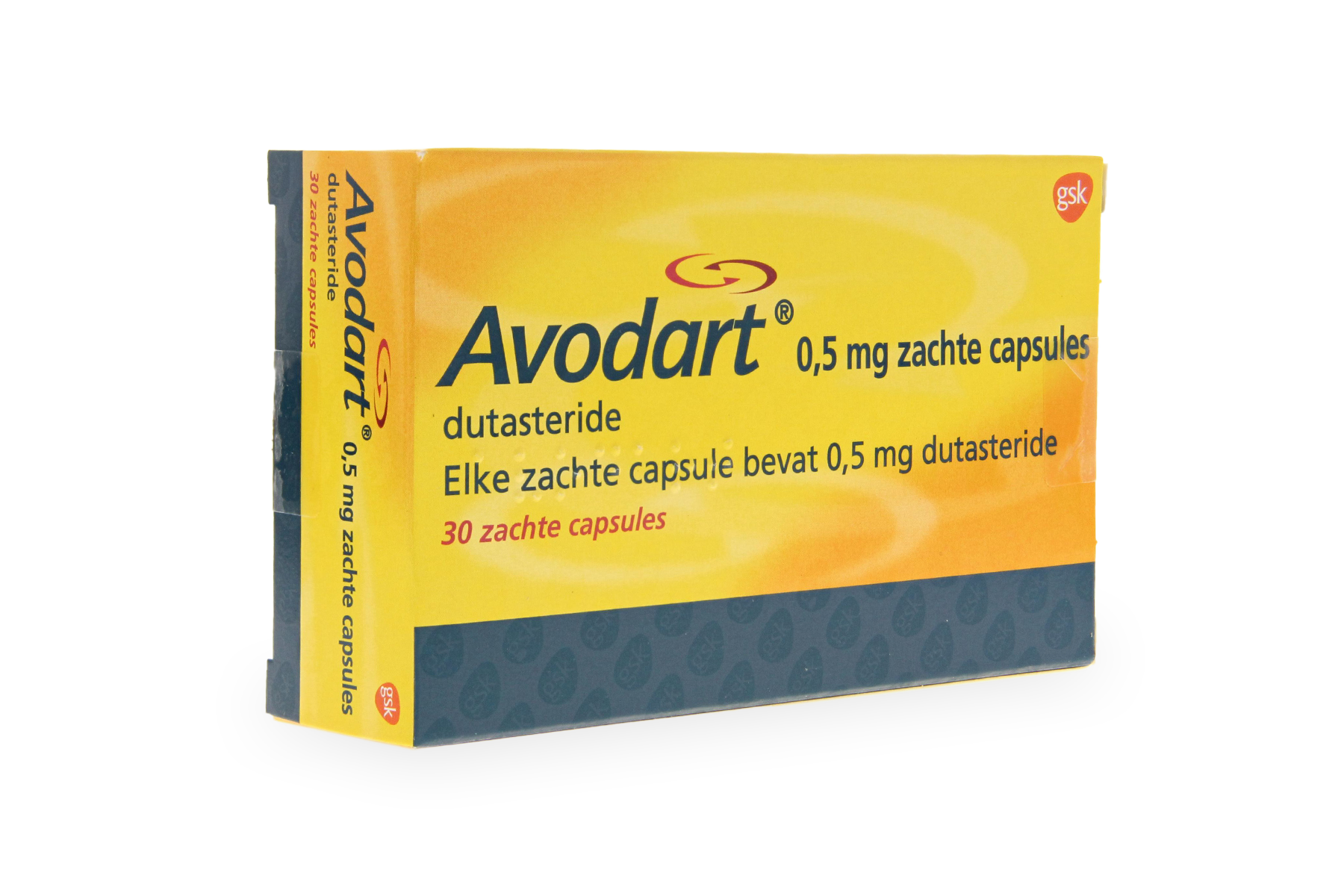
Avodart

Ozempic

Nuvaring
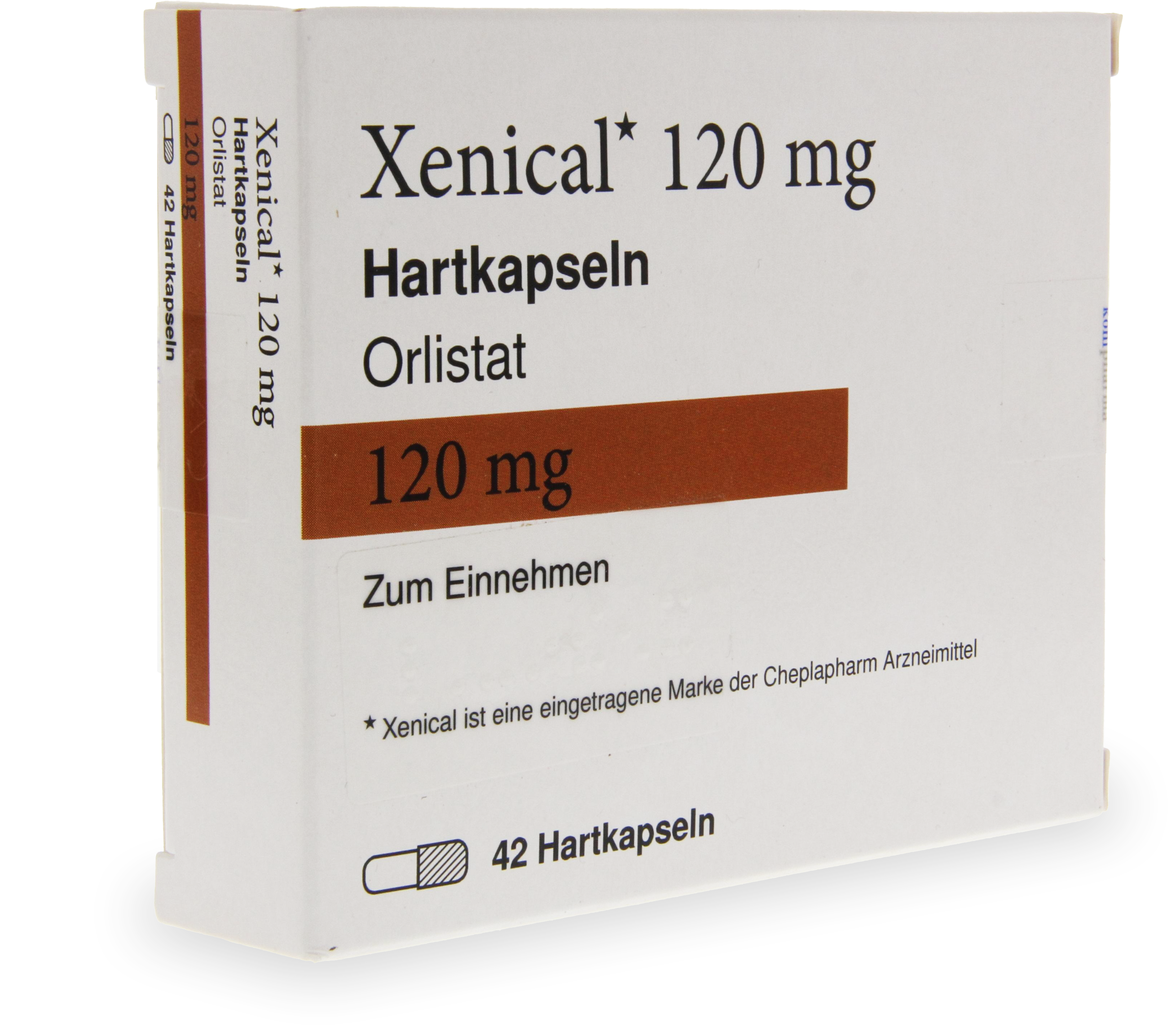
Xenical

Fluconazole

Yasmin

Qlaira
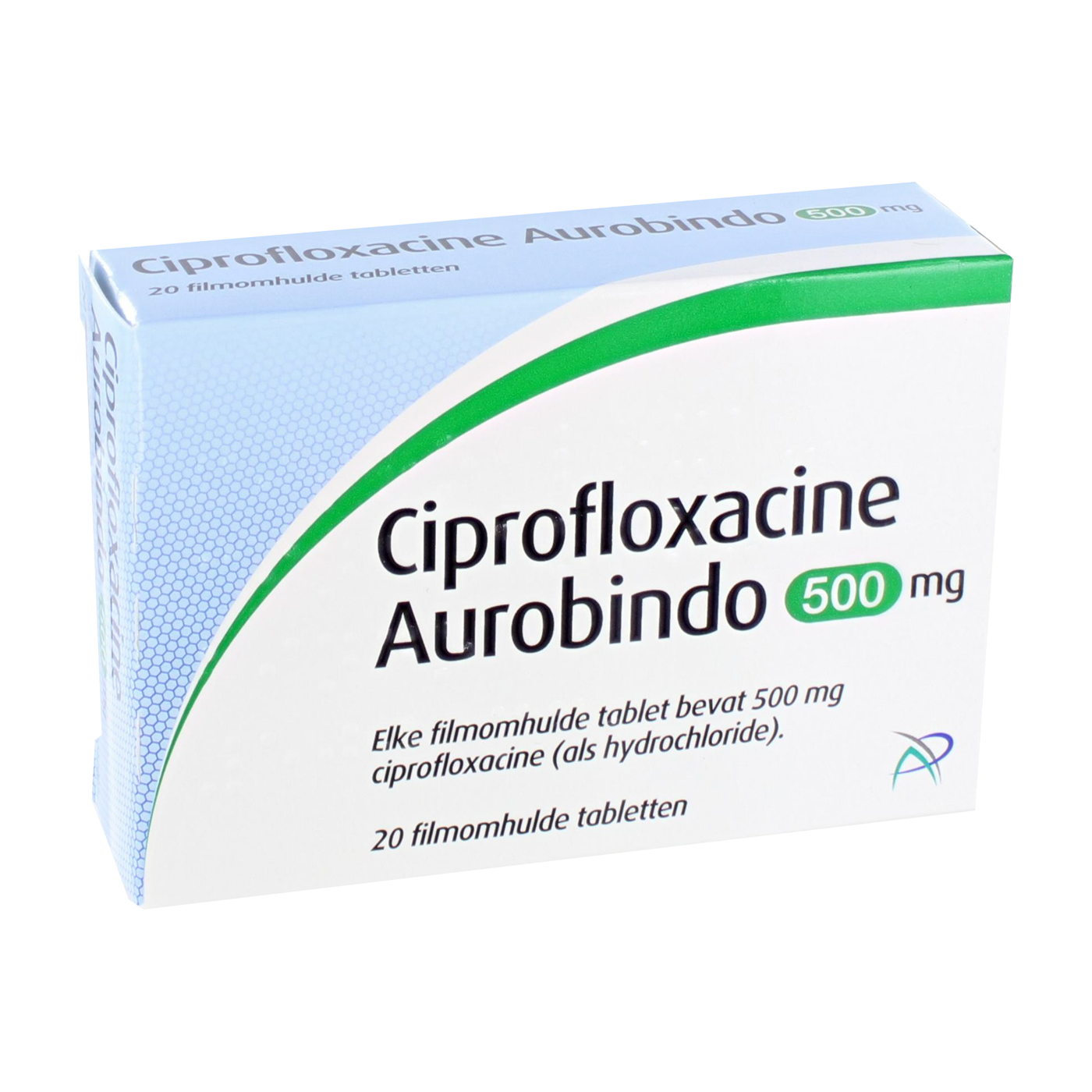
Ciprofloxacin

Utrogestan

Priligy

Furosemide

Omeprazole

Pantoprazole

Sildenafil

Seretide

Symbicort Turbuhaler
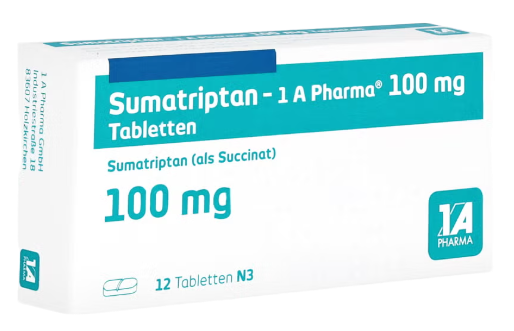
Sumatriptan

Betnovate

Metformin
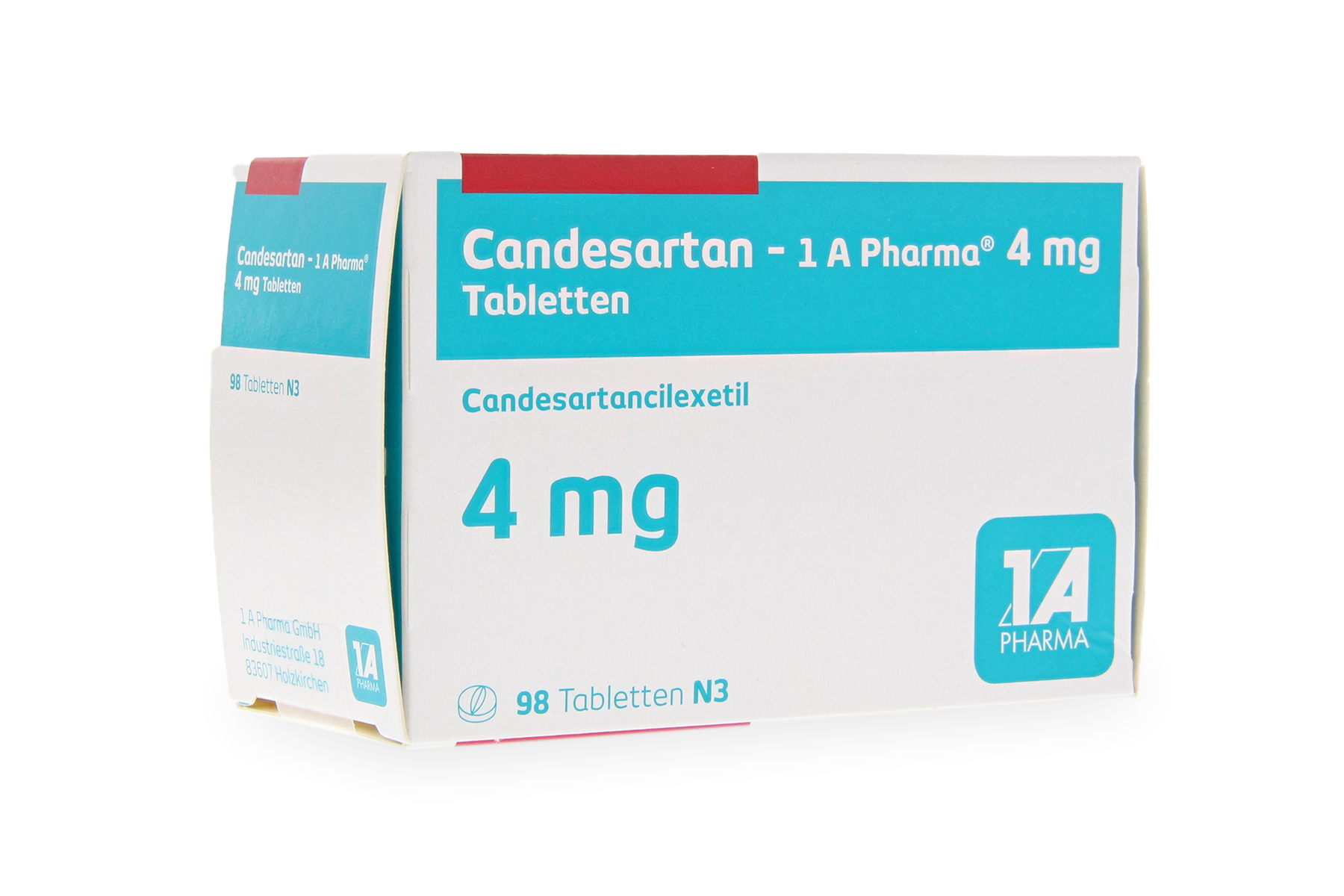
Candesartan
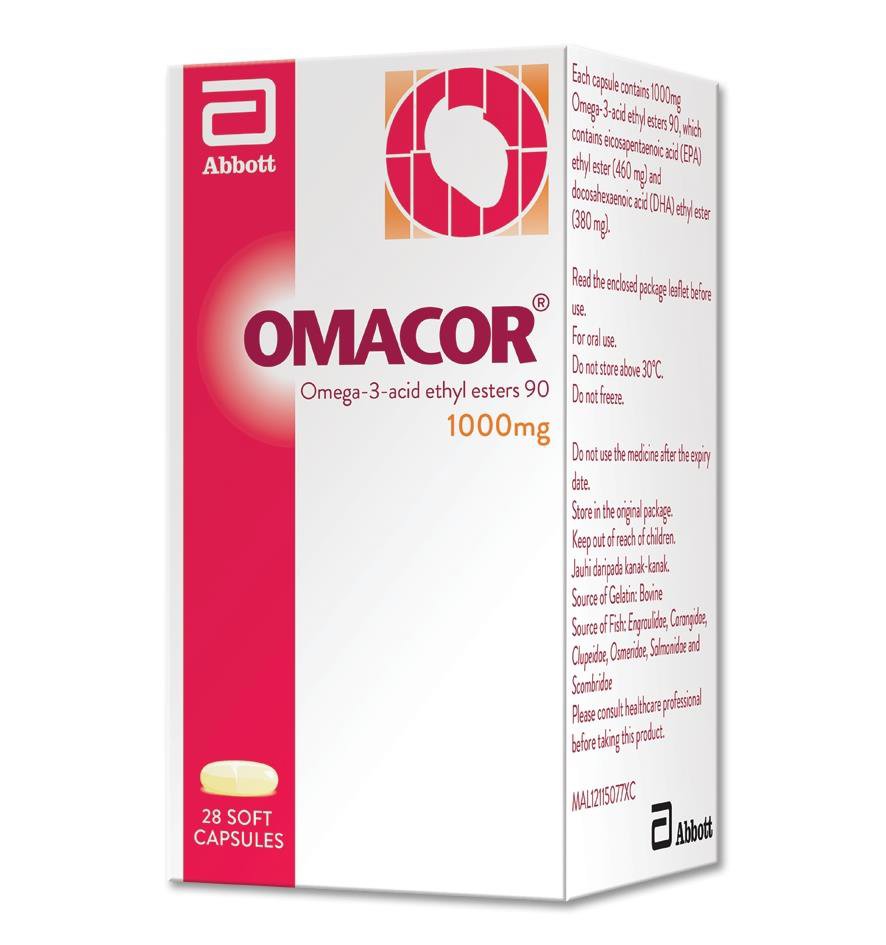
Omacor
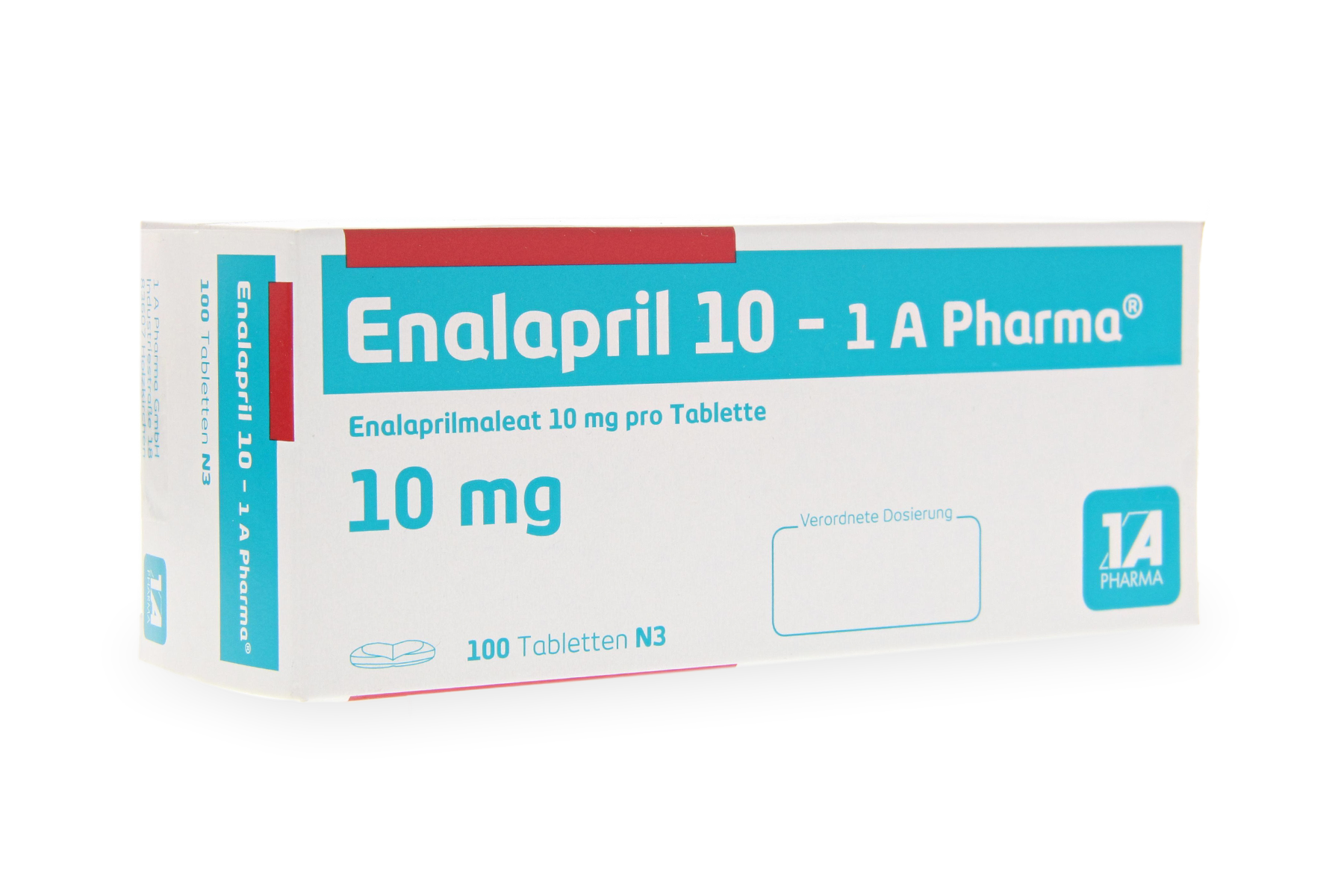
Enalapril
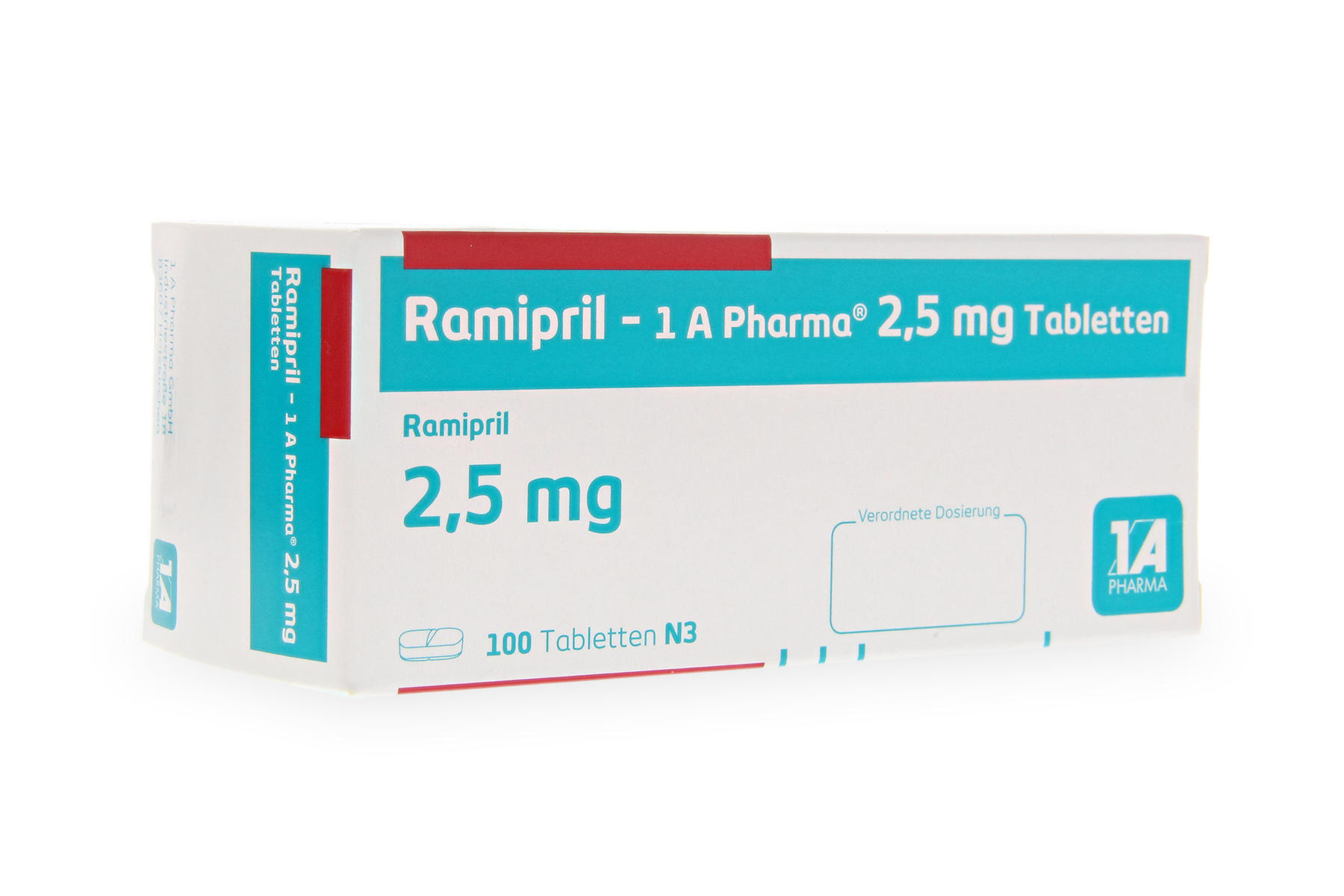
Ramipril

Atorvastatin

Dymista
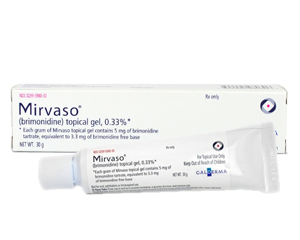
Mirvaso

Spedra

Salbutamol
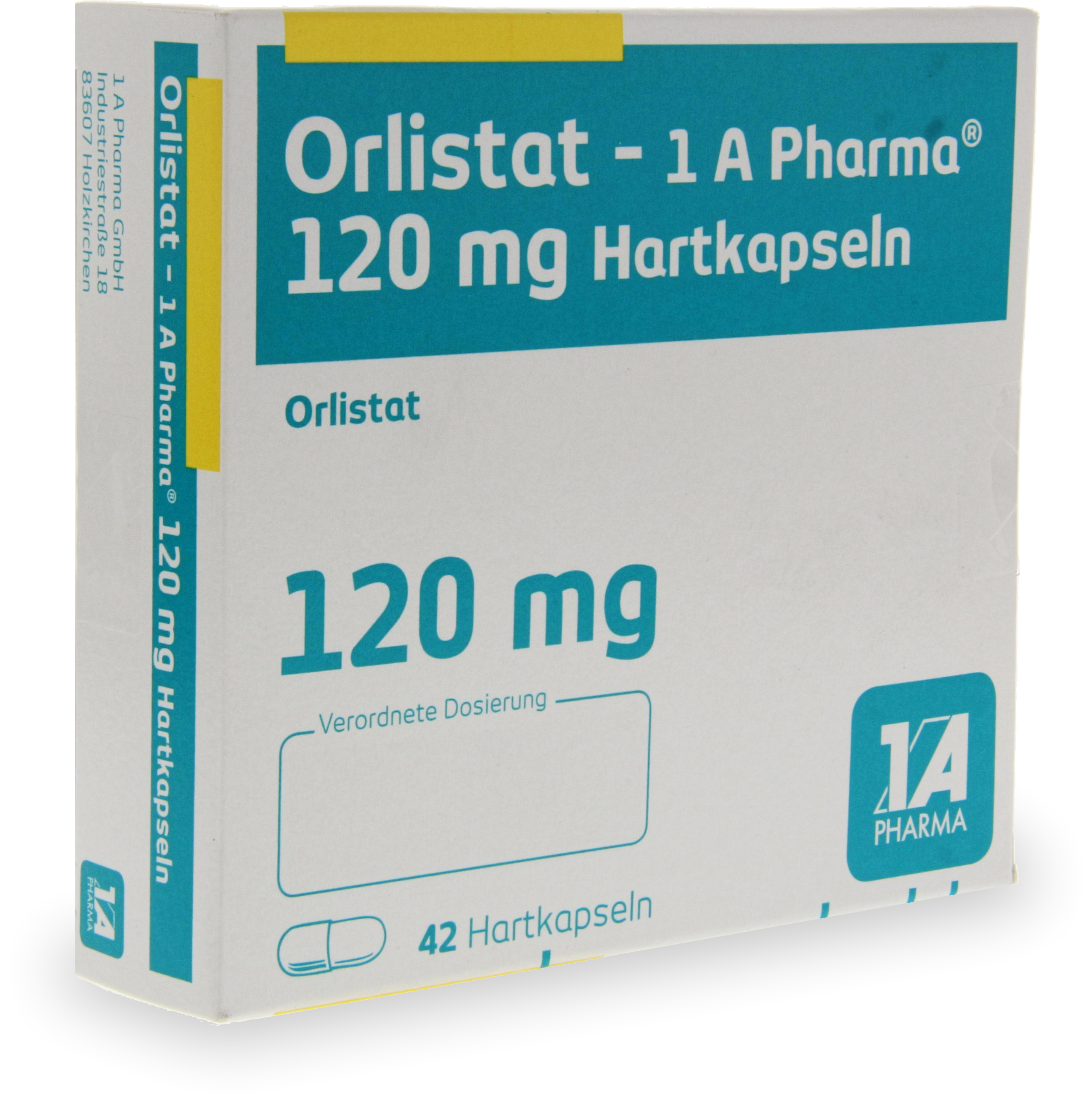
Orlistat

Vagifem

Marvelon

Desloratadine
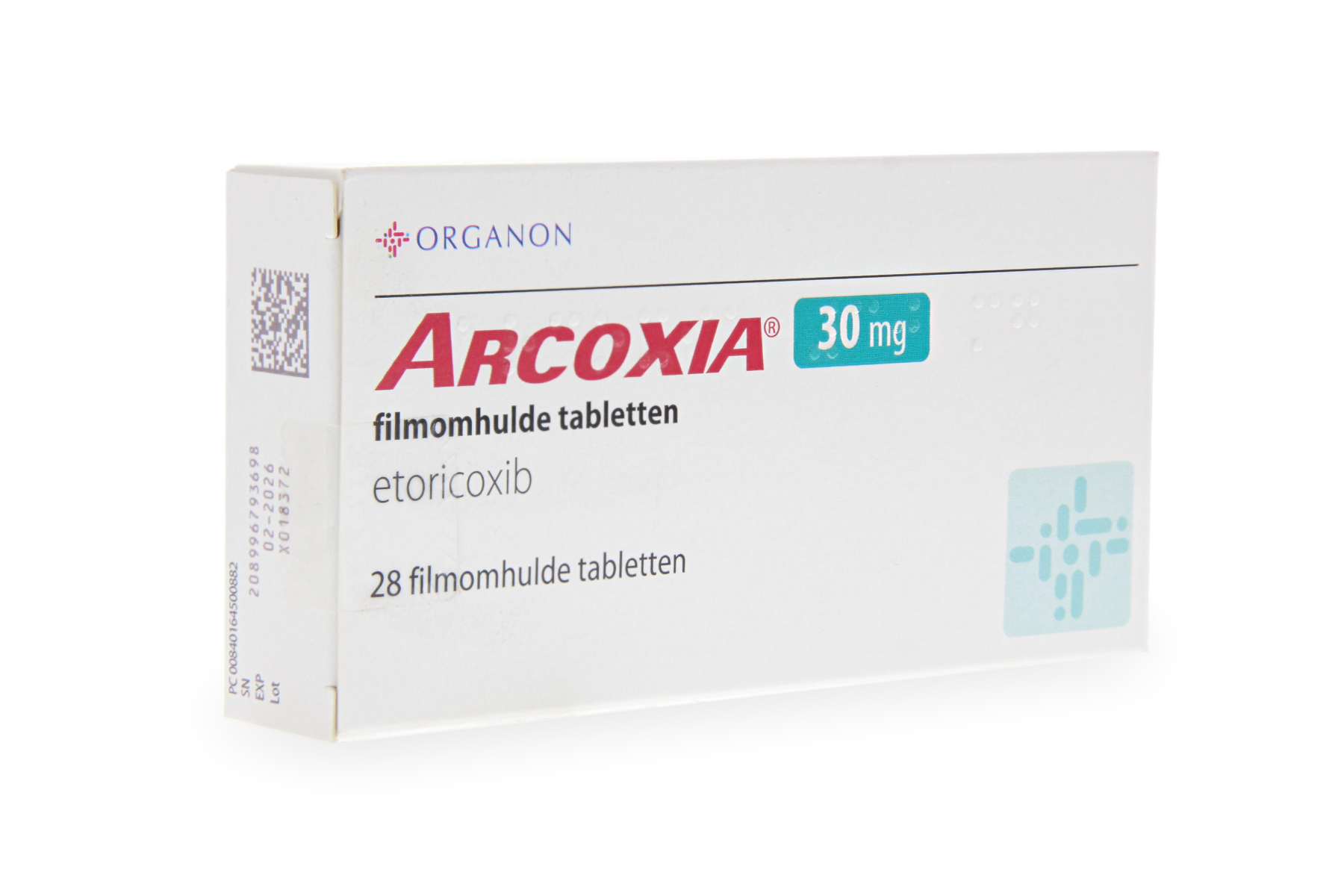
Arcoxia
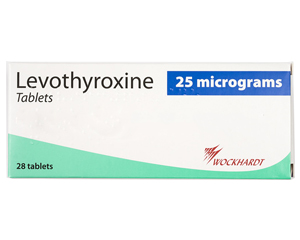
Levothyroxine

Mercilon

Adenuric

Metoclopramide

Tadalafil

Valsartan

Spironolactone

Eliquis
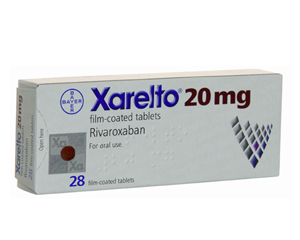
Xarelto

Vardenafil
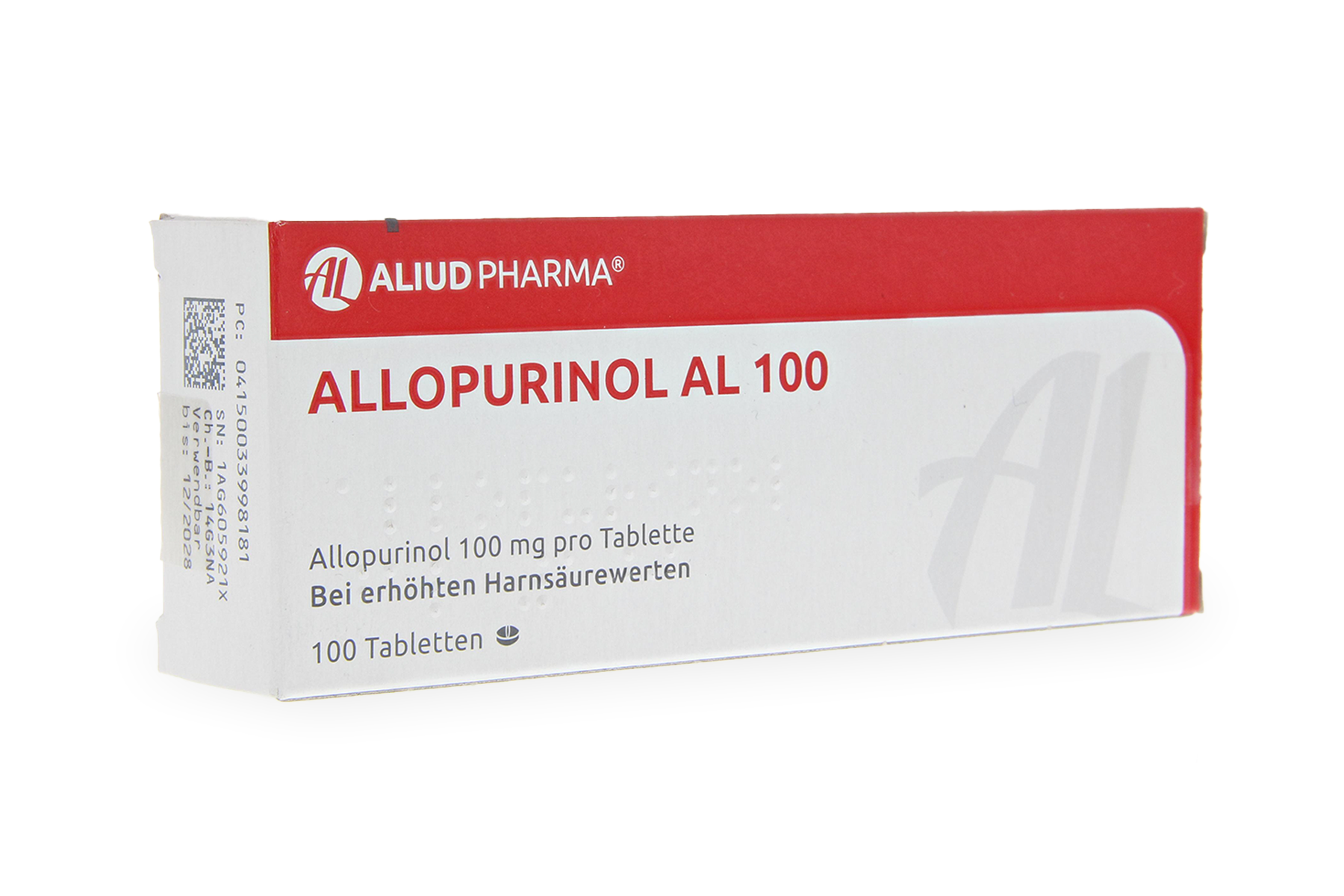
Allopurinol
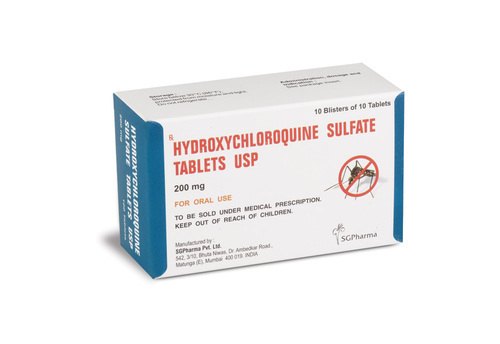
Hydroxychloroquine
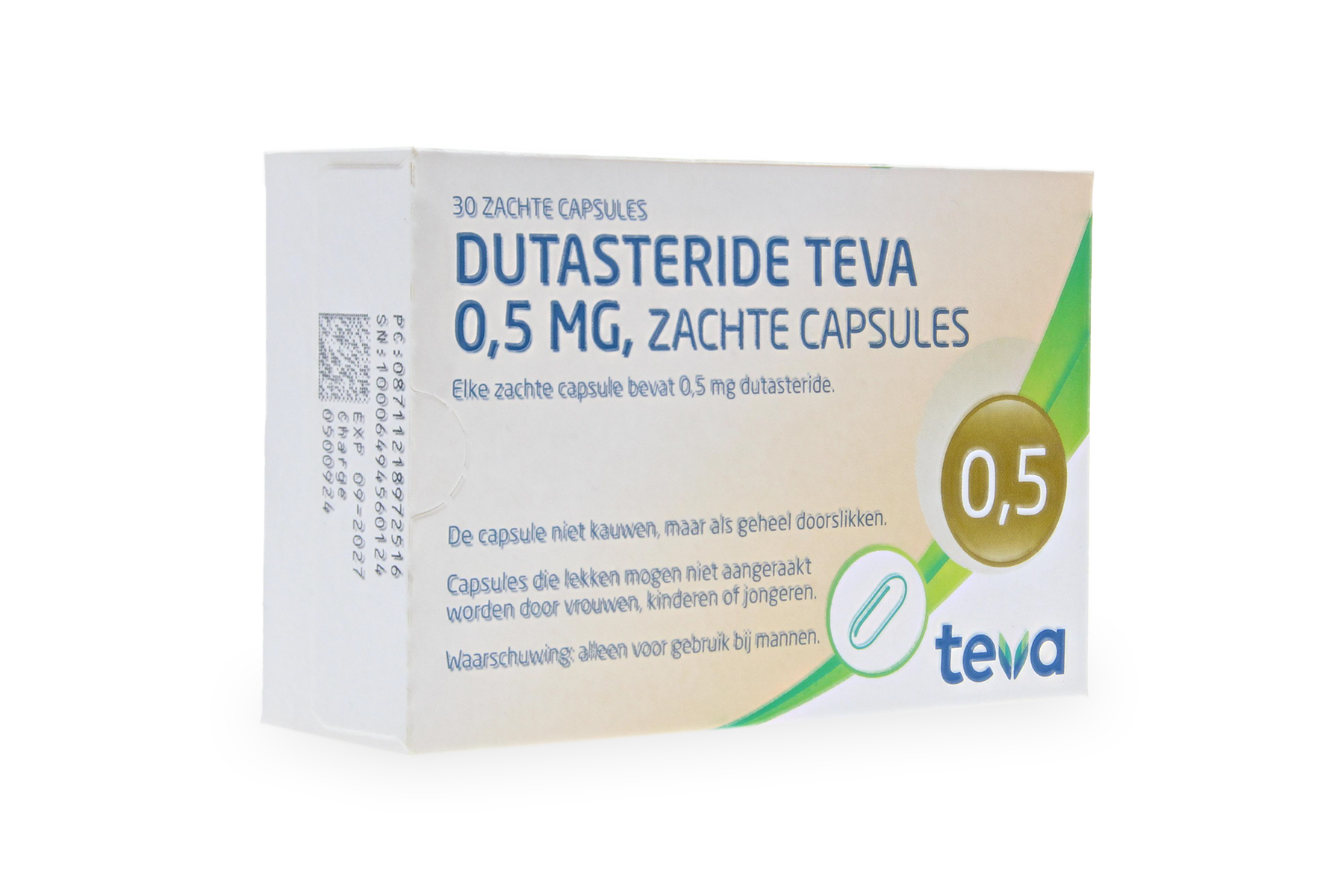
Dutasteride
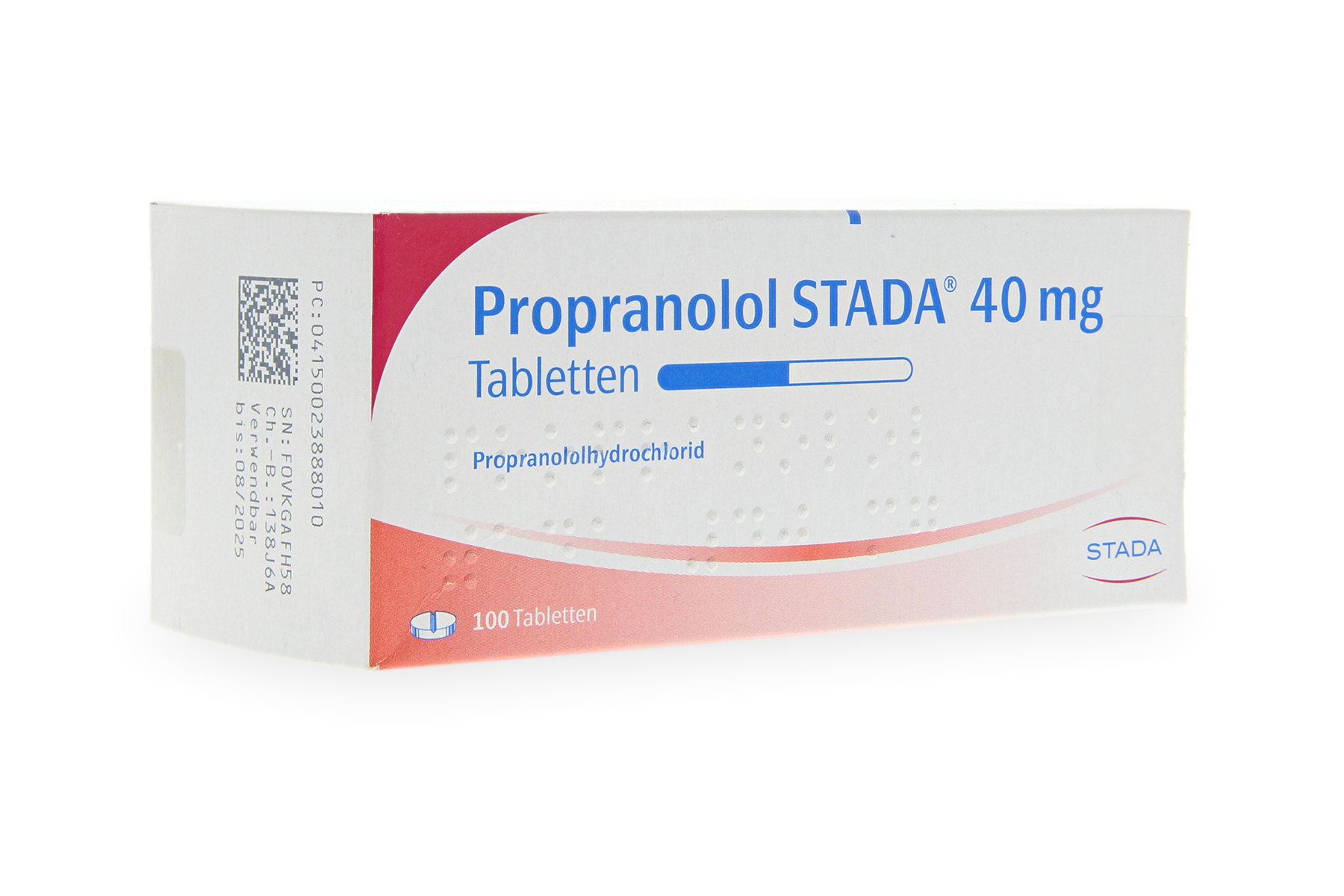
Propranolol

Wegovy

Circadin

Maxalt

Amlodipine

Evra Patches

Mounjaro

Dermovate

Cerazette

Viagra

Melatonin
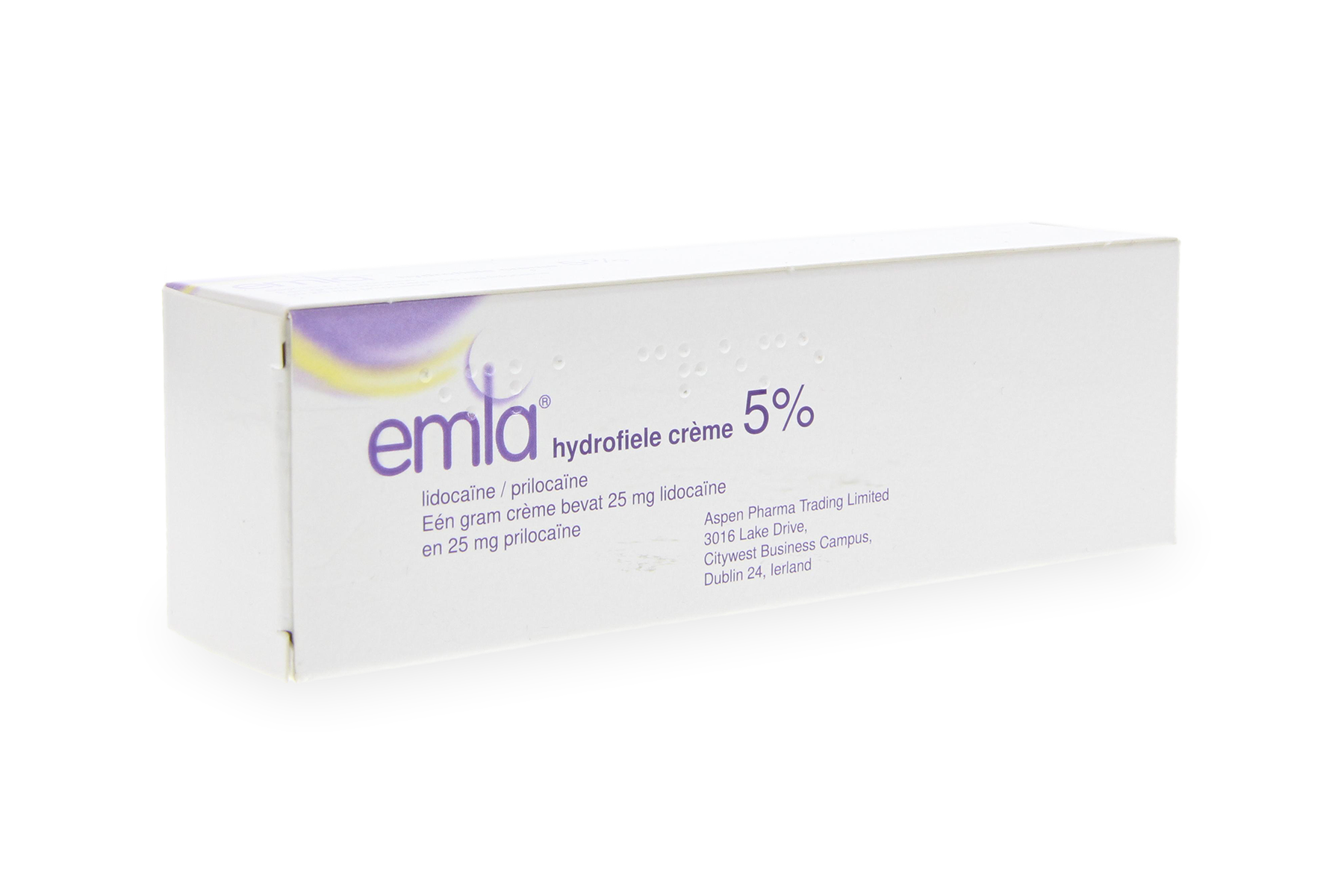
Emla Cream
Naproxen

Ventolin

Bricanyl Turbohaler
Doxycycline (Malaria)

Impotence Trial Pack

Microgynon 30

Fucidin

Bisoprolol

Losartan

Pulmicort Turbohaler

Avamys

Telfast

Vitaros

Zyloric

Kliovance

Bactroban

Elocon

Clindamycin

Montelukast

Aciclovir

Proscar

Differin
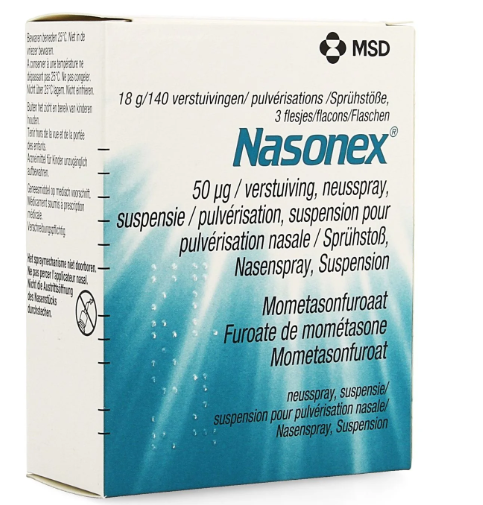
Nasonex Nasal Spray

Propecia

Clonidine

Femoston

Oestrogel

Tamsulosin MR

Azyter

Esomeprazole

Proscar (Finasteride)

Diclofenac SR

Diflucan

Crestor

Lansoprazole

Vesicare

Flixotide

Serevent

Atenolol

Janumet

Zomig
Antibiotics
How Antibiotics Work
Antibiotics are among the most important medical discoveries of the twentieth century. They treat bacterial infections by either killing the bacteria directly (bactericidal action) or preventing them from reproducing (bacteriostatic action), giving the immune system time to clear the infection.
Different classes of antibiotics target different parts of the bacterial cell. Penicillins and cephalosporins, for example, disrupt the formation of the bacterial cell wall, causing the organism to burst. Macrolides and tetracyclines interfere with protein synthesis, while fluoroquinolones block the enzymes bacteria need to replicate their DNA.
It is essential to understand that antibiotics are effective only against bacterial infections. They have no effect on viral illnesses such as the common cold, influenza, or most sore throats. Using antibiotics when they are not needed contributes to antimicrobial resistance, one of the most pressing public health challenges of our time.
Common Antibiotic Treatments
The choice of antibiotic depends on the type of infection, the suspected or confirmed causative organism, and the patient's medical history. Amoxicillin, a broad-spectrum penicillin, is frequently prescribed for respiratory tract infections, ear infections, and urinary tract infections. It is well tolerated by most patients and available in both capsule and liquid form.
Doxycycline, a tetracycline antibiotic, is commonly used for skin infections, sexually transmitted infections such as chlamydia, and certain respiratory infections. It is also prescribed as a malaria prophylactic for travellers. Azithromycin, a macrolide, is valued for its short treatment course and is often chosen when penicillin allergy is a concern.
Ciprofloxacin, a fluoroquinolone, is reserved for more serious infections including complicated urinary tract infections and certain gastrointestinal infections. Due to the risk of tendon and nerve side effects, fluoroquinolones are generally prescribed only when other antibiotics are not suitable.
Taking Antibiotics Safely
Completing the full prescribed course of antibiotics is crucial, even if symptoms improve before the medication runs out. Stopping early can leave surviving bacteria in the body, increasing the risk of the infection returning and potentially contributing to resistance.
Some antibiotics interact with food, drinks, or other medications. Tetracyclines, for instance, should not be taken with dairy products or antacids, as calcium and magnesium can reduce absorption. Metronidazole must not be combined with alcohol, which can cause severe nausea and vomiting. Always read the patient information leaflet and follow your prescriber's advice.
Common side effects of antibiotics include gastrointestinal upset, including nausea, diarrhoea, and stomach cramps. Taking a probiotic supplement during and after your course can help restore the balance of beneficial gut bacteria. If you develop a rash, difficulty breathing, or severe swelling, seek medical attention immediately as these may indicate an allergic reaction.
Antibiotic Resistance
Antimicrobial resistance (AMR) occurs when bacteria evolve to survive exposure to antibiotics that would previously have killed them. The World Health Organisation has declared AMR one of the top ten global public health threats, with the potential to render common infections untreatable if left unchecked.
Resistance develops faster when antibiotics are overused, used unnecessarily for viral infections, or not taken as prescribed. In agriculture, the routine use of antibiotics in livestock feed has also contributed to the spread of resistant organisms into the human food chain.
Individuals can help combat resistance by never pressuring a doctor for antibiotics when they are not indicated, always finishing a prescribed course, never sharing antibiotics with others, and practising good hygiene to prevent infections in the first place. The responsible use of antibiotics today protects their effectiveness for future generations.
Getting Antibiotics Prescribed Online
For certain straightforward bacterial infections, obtaining antibiotics through a regulated online consultation is a convenient and clinically appropriate option. Conditions such as uncomplicated urinary tract infections, some skin infections, and sexually transmitted infections like chlamydia can often be diagnosed and treated based on symptoms and medical history alone.
The online consultation process involves completing a detailed medical questionnaire. A registered prescriber reviews your answers, and if antibiotics are deemed appropriate, a prescription is issued and the medication is dispatched from a licensed pharmacy. If your symptoms suggest a condition that requires physical examination or laboratory testing, you will be directed to see a healthcare provider in person.
It is important to use only reputable, regulated online pharmacies. Look for registration with the General Pharmaceutical Council (GPhC) in the UK or the equivalent authority in your country, and check that the website displays the EU common distance-selling logo if applicable.
Frequently Asked Questions
Can I get antibiotics prescribed online?
How quickly do antibiotics work?
Why must I finish the full course of antibiotics?
What are the common side effects of antibiotics?
Dr. Ross Elledge
General Practitioner · General & Family Medicine
Verified Healthcare Professional
TopDoctors ProfileThis website provides general information about medicines for educational purposes only. Always consult your doctor or pharmacist before taking any medication.