
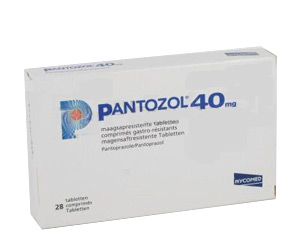
Pantoprazole
View Options
This website provides general information about medicines for educational purposes only. Always consult your doctor or pharmacist before taking any medication.
Choose Your Medicine
Select dosage and quantity
Online Consultation
Reviewed by a qualified physician
Fast, Discreet Delivery
Delivered to your door
Medical Information
About This Medicine
Pantoprazole is a proton pump inhibitor (PPI) used to treat conditions caused by excess stomach acid, including gastro-oesophageal reflux disease (GORD), peptic ulcers, and the rare hypersecretory condition known as Zollinger-Ellison syndrome. Available under the brand name Protium as well as in generic form, pantoprazole works by irreversibly blocking the hydrogen-potassium ATPase enzyme system in the stomach lining — effectively switching off the acid pumps responsible for producing gastric acid. It is one of the most widely prescribed medicines in the UK and is available in both 20 mg and 40 mg tablet strengths.
Clinical Uses and Advantages
Pantoprazole is indicated for the healing and maintenance of erosive oesophagitis, the relief of symptoms associated with non-erosive reflux disease, and the treatment of gastric and duodenal ulcers. It is also used as part of eradication regimens for Helicobacter pylori infection when combined with appropriate antibiotics. One practical advantage of pantoprazole over some other PPIs, particularly omeprazole, is its relatively lower inhibition of the liver enzyme CYP2C19. This makes it a preferred choice in patients who also take clopidogrel (an antiplatelet drug), as high-level CYP2C19 inhibition by other PPIs may reduce the effectiveness of clopidogrel by impairing its conversion to its active form.
How Pantoprazole is Taken
Pantoprazole tablets should be swallowed whole with water, ideally 30-60 minutes before eating, as food significantly affects the rate of absorption. The tablets are enteric-coated to prevent dissolution in the stomach and ensure they reach the small intestine intact, where absorption occurs. The medication should not be crushed or chewed. It is available as both a standard tablet and a gastro-resistant form; an intravenous preparation is also used in hospital settings for patients who cannot take oral medication.
Long-term Considerations
While pantoprazole is generally well tolerated for short-term use, prolonged treatment (beyond 12 months) is associated with a small increased risk of hypomagnesaemia, vitamin B12 deficiency, and bone fractures. Patients on long-term therapy should be reviewed regularly by their prescriber, and periodic monitoring of magnesium and vitamin B12 levels may be advised, particularly in older adults or those with additional risk factors.
Usage & Dosage
How to Take Pantoprazole
Pantoprazole is used across a broad range of acid-related gastrointestinal conditions. For GORD, it relieves symptoms such as heartburn, acid regurgitation, and dysphagia, and heals erosive changes in the oesophageal lining. For peptic ulcers, it promotes healing by maintaining gastric pH above 4. In H. pylori eradication, pantoprazole is combined with two antibiotics (typically clarithromycin and amoxicillin, or metronidazole) in a 7 to 14 day triple therapy course.
Zollinger-Ellison Syndrome
In Zollinger-Ellison syndrome, a gastrin-secreting tumour (gastrinoma) drives excessive acid production. Pantoprazole at higher doses (80 mg daily or more, titrated to response) effectively controls hypersecretion and prevents severe ulceration. Regular dose reviews are required for these patients.
Administration Tips
Tablets should be taken 30 to 60 minutes before the first meal of the day. If a second daily dose is required, take it 30 to 60 minutes before the evening meal rather than at bedtime. For patients who have difficulty swallowing, pantoprazole granules may be dispersed in water or apple juice according to the product instructions.
For GORD and erosive oesophagitis: the standard dose is 40 mg once daily for 4-8 weeks, followed by 20 mg daily for maintenance. For mild, non-erosive reflux disease, 20 mg daily may suffice. For peptic ulcer treatment: 40 mg once daily for 4 weeks (duodenal ulcer) or 8 weeks (gastric ulcer). For H. pylori eradication: 40 mg twice daily as part of a triple therapy regimen for 7-14 days. For Zollinger-Ellison syndrome: starting dose of 80 mg daily, titrated up to a maximum of 240 mg daily in divided doses based on acid output measurements. No dose adjustment is required in mild to moderate renal or hepatic impairment. In severe hepatic impairment, the daily dose should not exceed 20 mg. Pantoprazole is not recommended in children under 12 years for reflux disease.
Side Effects
Common Side Effects
- Headache
- Diarrhoea
- Nausea or vomiting
- Abdominal pain and bloating
- Flatulence and constipation
- Dizziness
- Elevated liver enzymes (usually transient)
- Sleep disturbances
Serious Side Effects
- Hypomagnesaemia: low magnesium levels causing muscle cramps, tetany, seizures, or cardiac arrhythmias — particularly with long-term use
- Clostridium difficile-associated diarrhoea — PPIs alter gut flora and increase susceptibility
- Acute interstitial nephritis — rare but warrants discontinuation
- Severe cutaneous reactions including Stevens-Johnson syndrome — rare
- Vitamin B12 deficiency with prolonged use, particularly in older patients
Warnings & Precautions
Pantoprazole should not be used as a first-line treatment for symptoms that have not been adequately investigated. In patients aged 55 or over with new or recently changed dyspepsia symptoms, or in those with alarm features (unexplained weight loss, progressive dysphagia, persistent vomiting, haematemesis, or melaena), endoscopic investigation should precede or accompany treatment.
Long-term Use Risks
Long-term PPI use has been associated with an increased risk of hip, wrist, and spine fractures, particularly in older adults at high risk for osteoporosis. Patients on long-term pantoprazole should ensure adequate calcium and vitamin D intake. Regular monitoring of serum magnesium is recommended in patients taking pantoprazole for more than three months, particularly those also taking digoxin or medications that may cause hypomagnesaemia.
Drug Interactions
Pantoprazole may reduce the absorption of drugs requiring an acidic environment, including atazanavir, ketoconazole, erlotinib, and iron salts. Although pantoprazole has a lower interaction profile with clopidogrel than omeprazole, caution remains warranted. Patients should inform their prescriber of all medications, including over-the-counter medicines and supplements.
Contraindications
- Hypersensitivity to pantoprazole, other substituted benzimidazoles, or any excipient
- Co-administration with atazanavir or nelfinavir (antiretroviral drugs requiring acidic pH for absorption)
- Pregnancy (unless clearly necessary)
- Breastfeeding
- Children under 12 years for reflux disease
- Use without prior investigation in patients with alarm symptoms (unexplained weight loss, dysphagia, haematemesis)
Frequently Asked Questions
Is pantoprazole better than omeprazole for people taking clopidogrel?
How long does it take for pantoprazole to work?
Can I take pantoprazole long-term?
Should I take pantoprazole before or after food?
What happens if I stop taking pantoprazole suddenly?
Dr. Ross Elledge
General Practitioner · General & Family Medicine
Verified Healthcare Professional
TopDoctors Profile