
Pain Relief Treatments
Chronic pain affects around 28 million UK adults. Prescription pain management goes beyond over-the-counter options to provide targeted, effective relief. An online consultation allows a doctor to assess your condition and prescribe appropriate treatment.
Prescription-strength NSAIDs for inflammatory pain
Neuropathic pain medications for nerve-related conditions
Treatment plans tailored to the type and severity of pain
Regular reviews ensure ongoing safe and effective management

Cialis
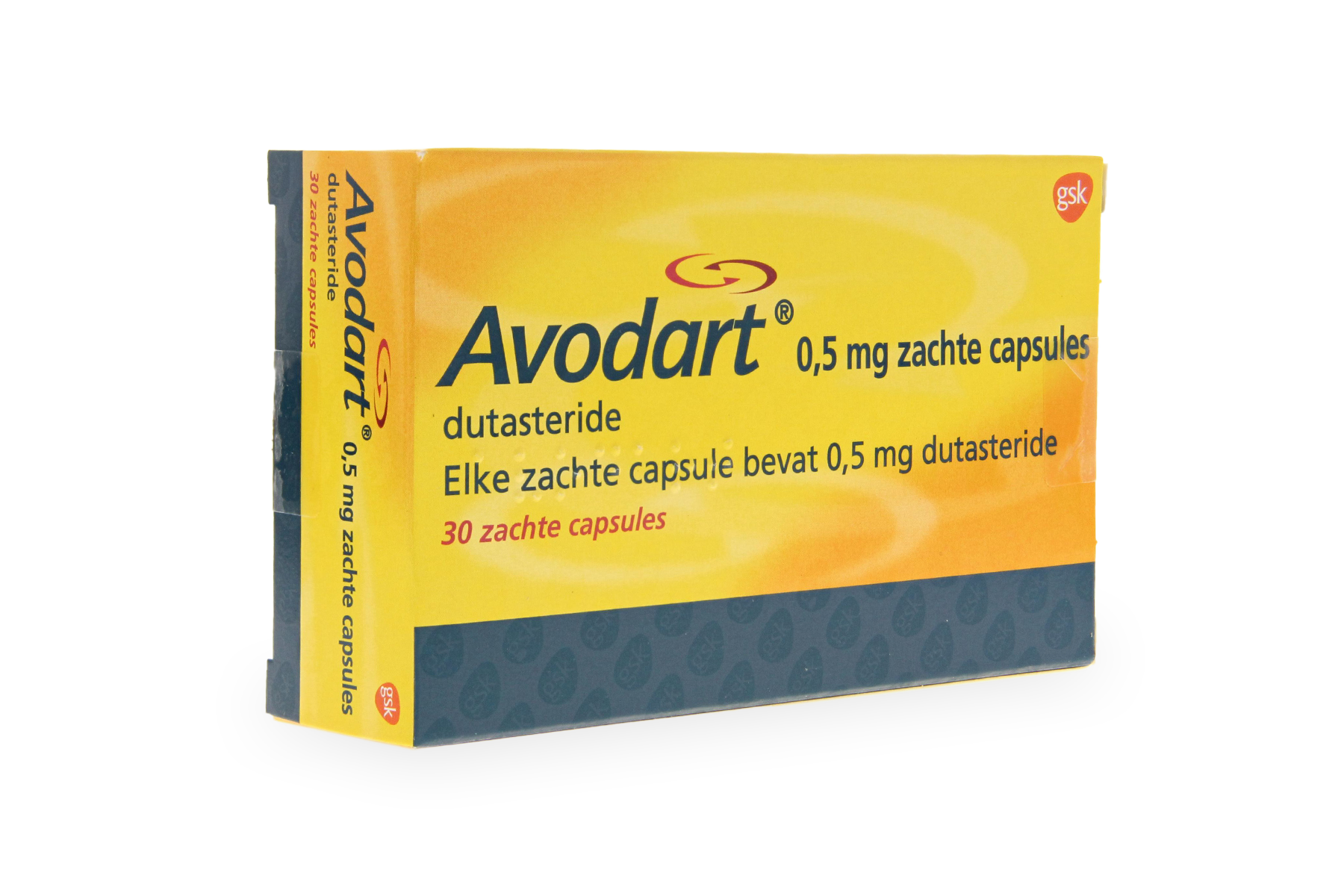
Avodart

Ozempic

Nuvaring
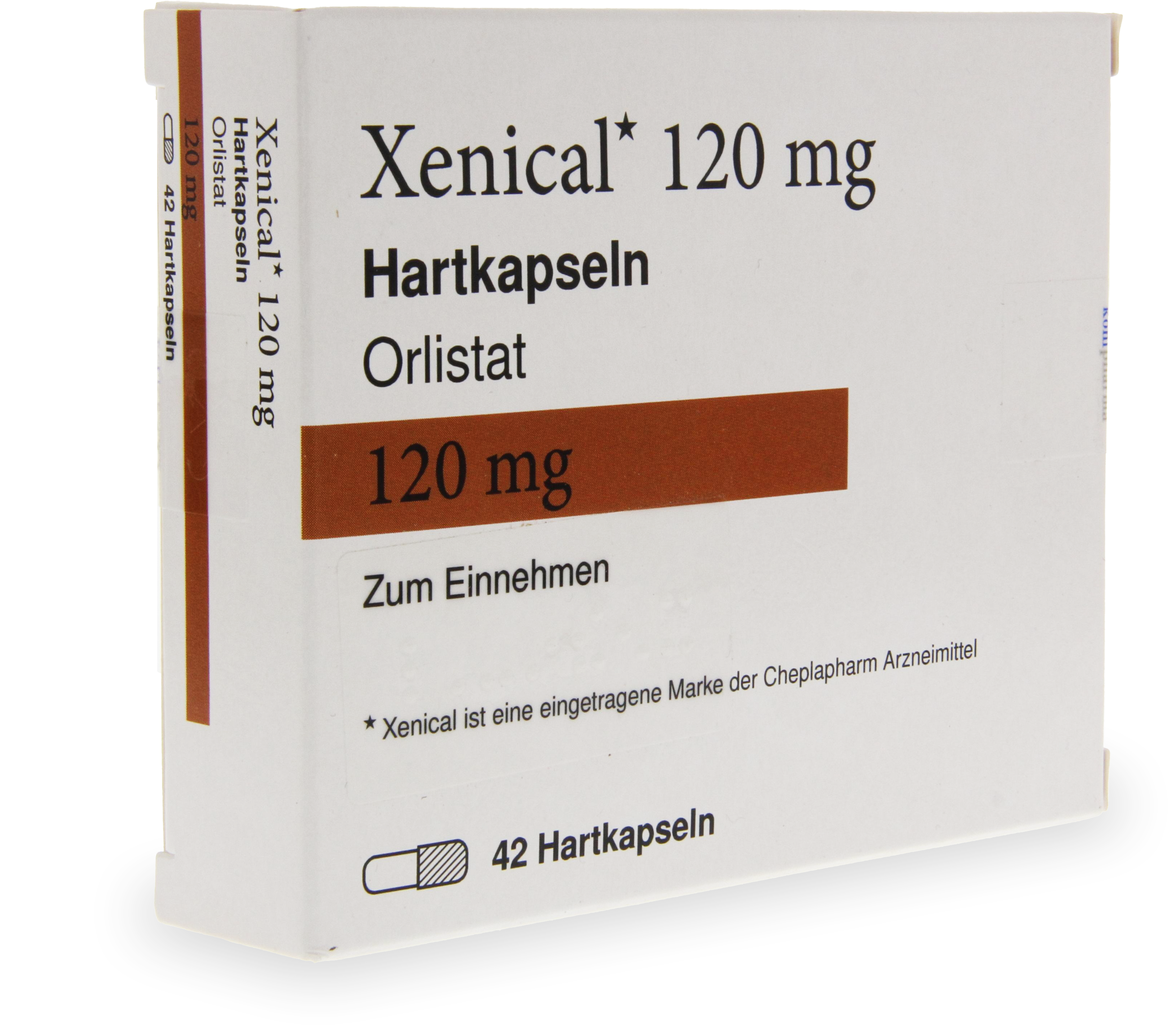
Xenical
Fluconazole

Yasmin
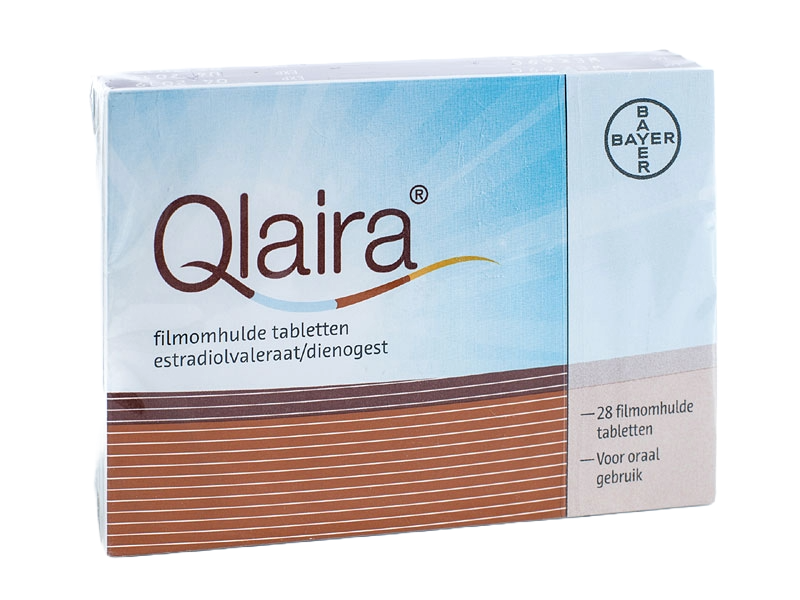
Qlaira
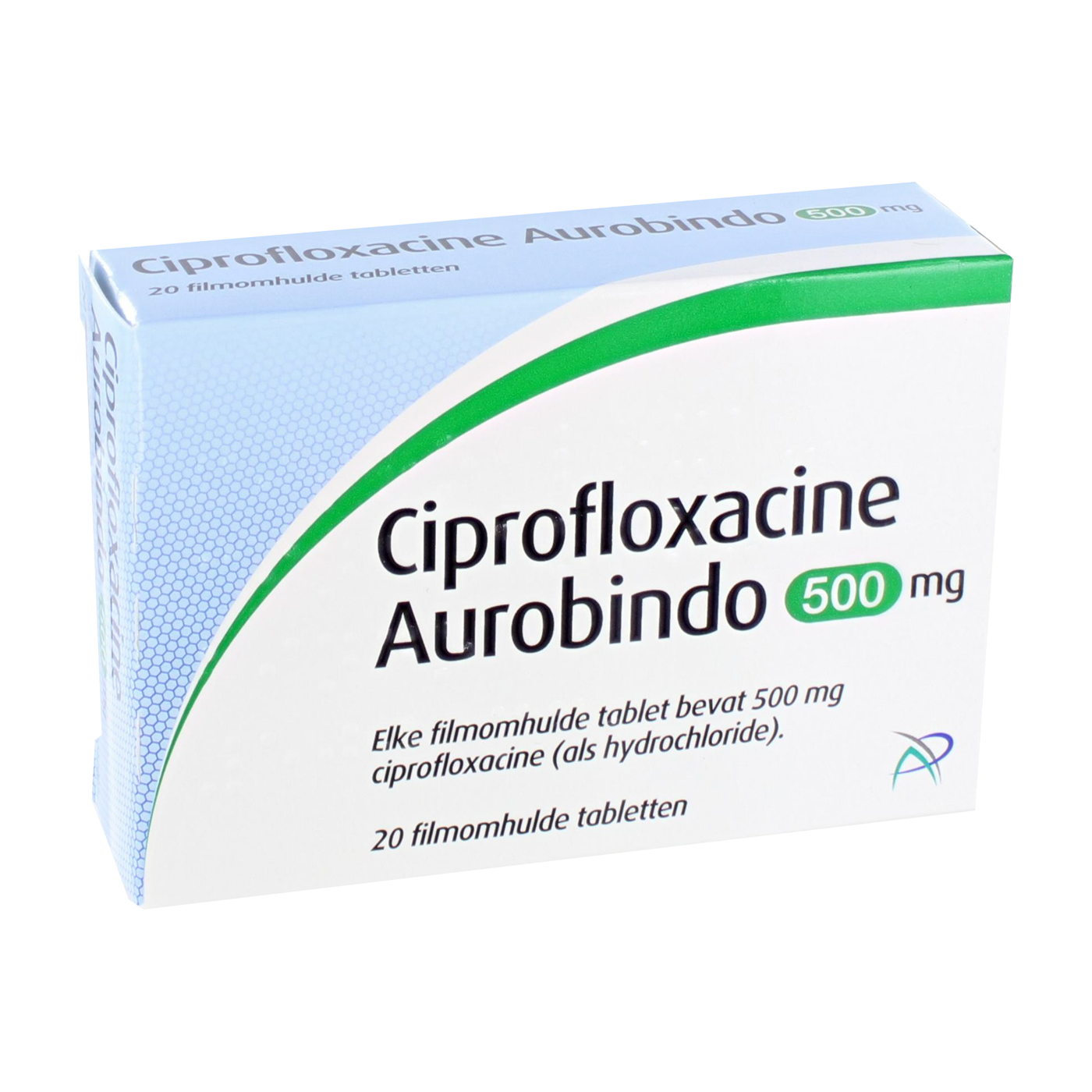
Ciprofloxacin
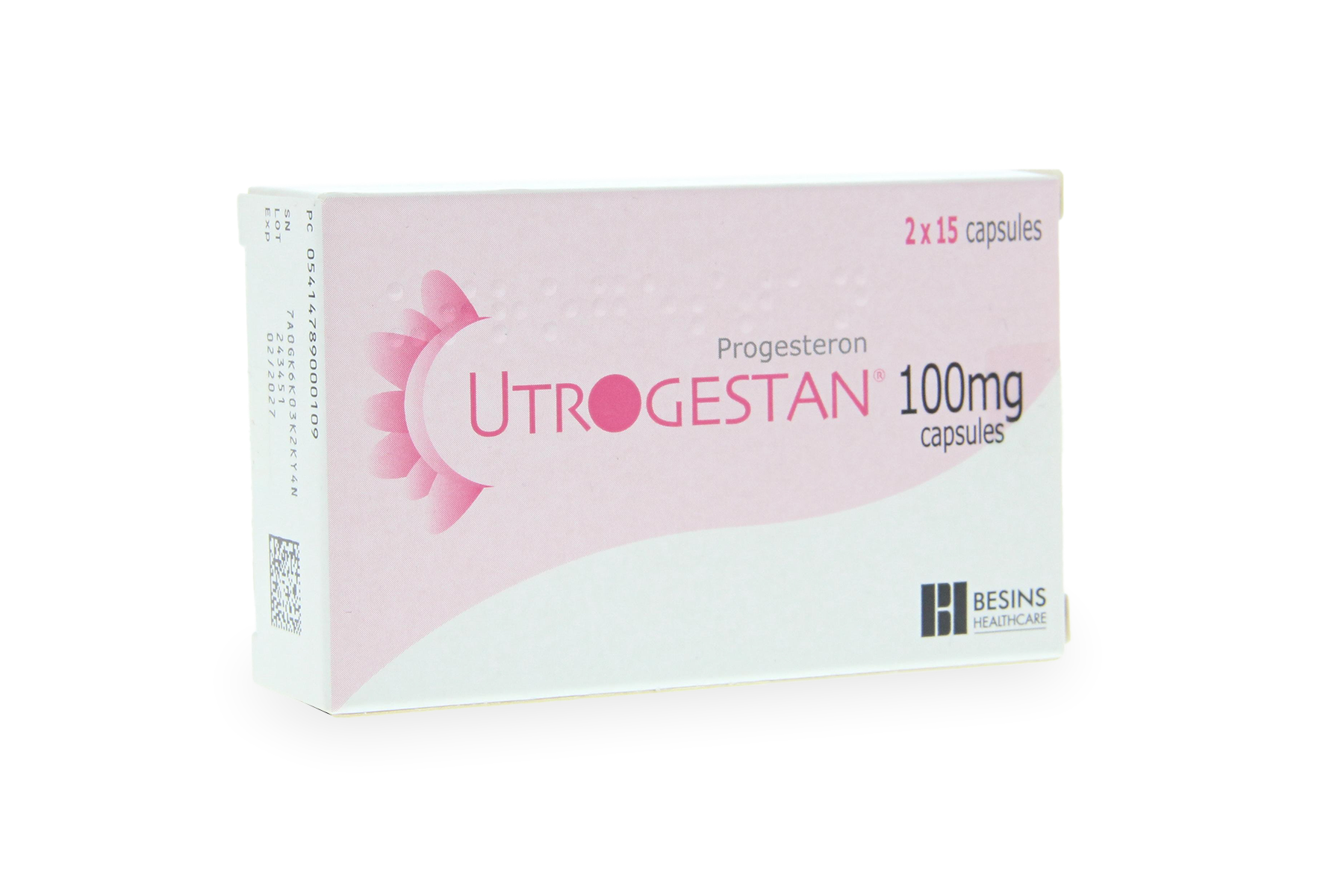
Utrogestan
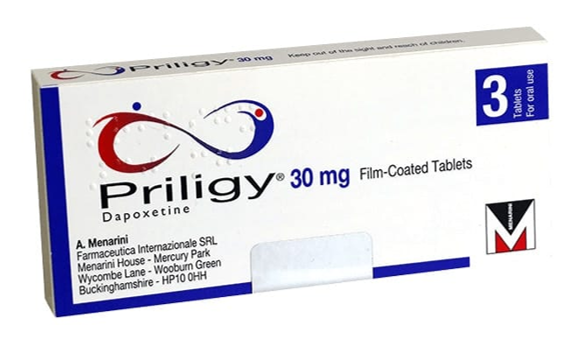
Priligy
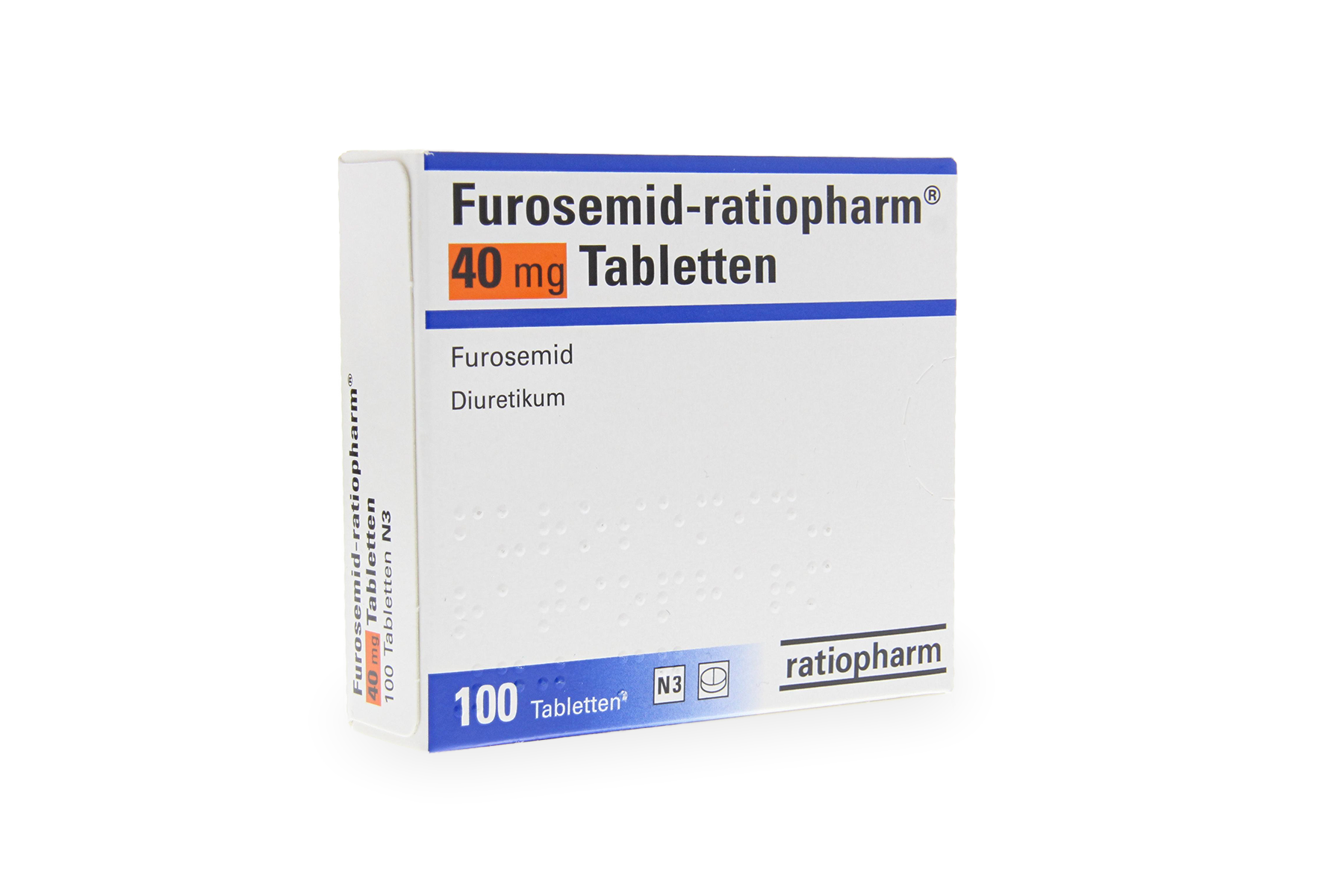
Furosemide

Omeprazole
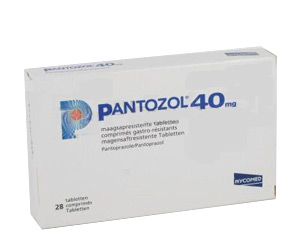
Pantoprazole

Sildenafil
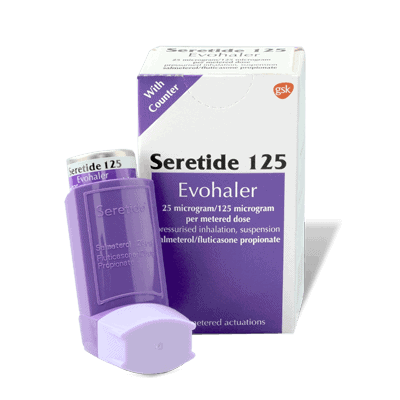
Seretide
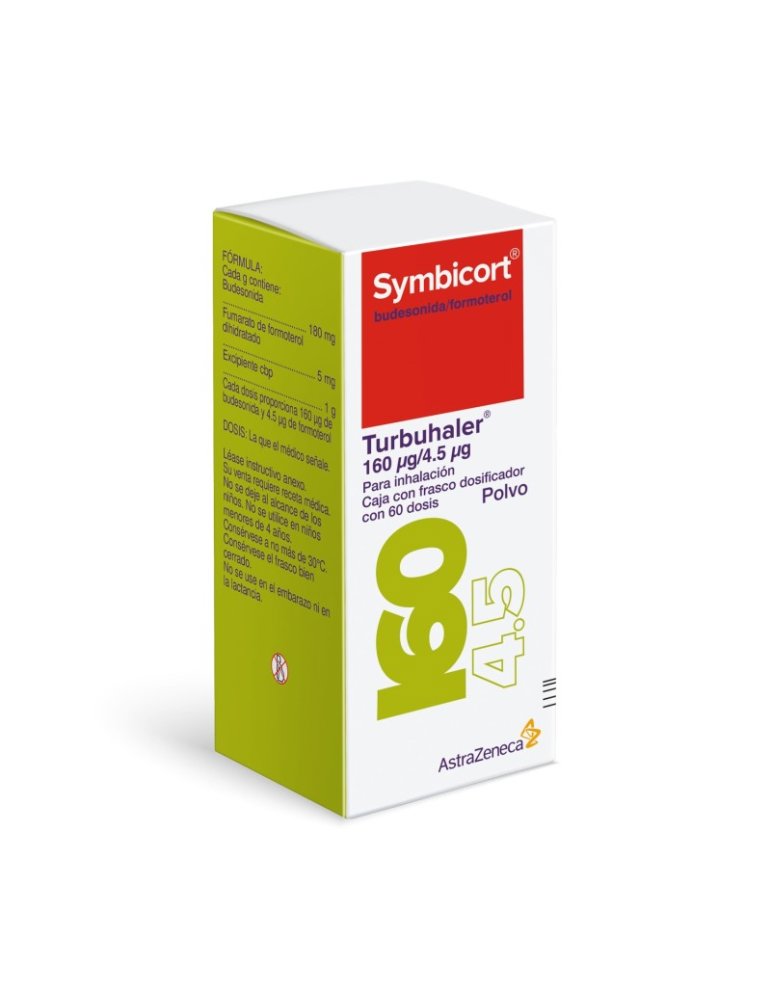
Symbicort Turbuhaler

Sumatriptan

Betnovate
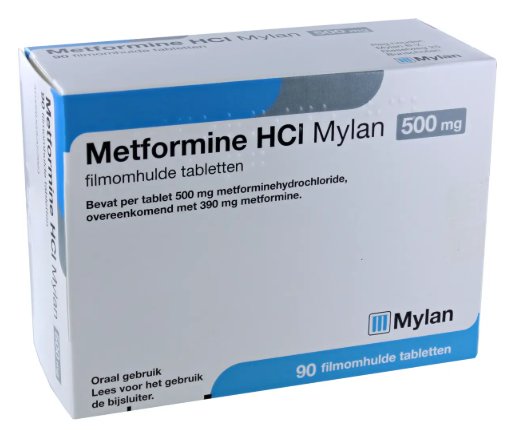
Metformin
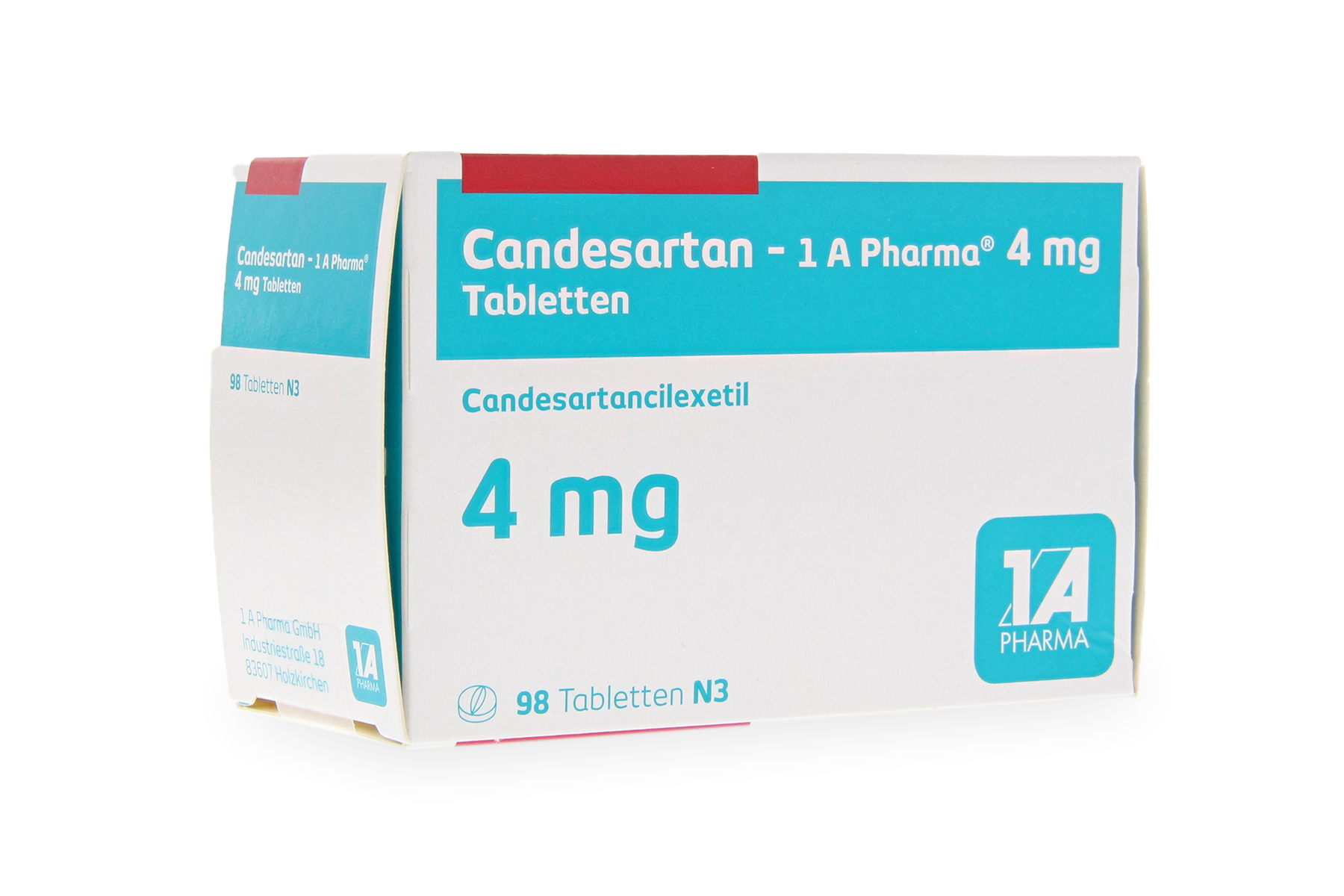
Candesartan
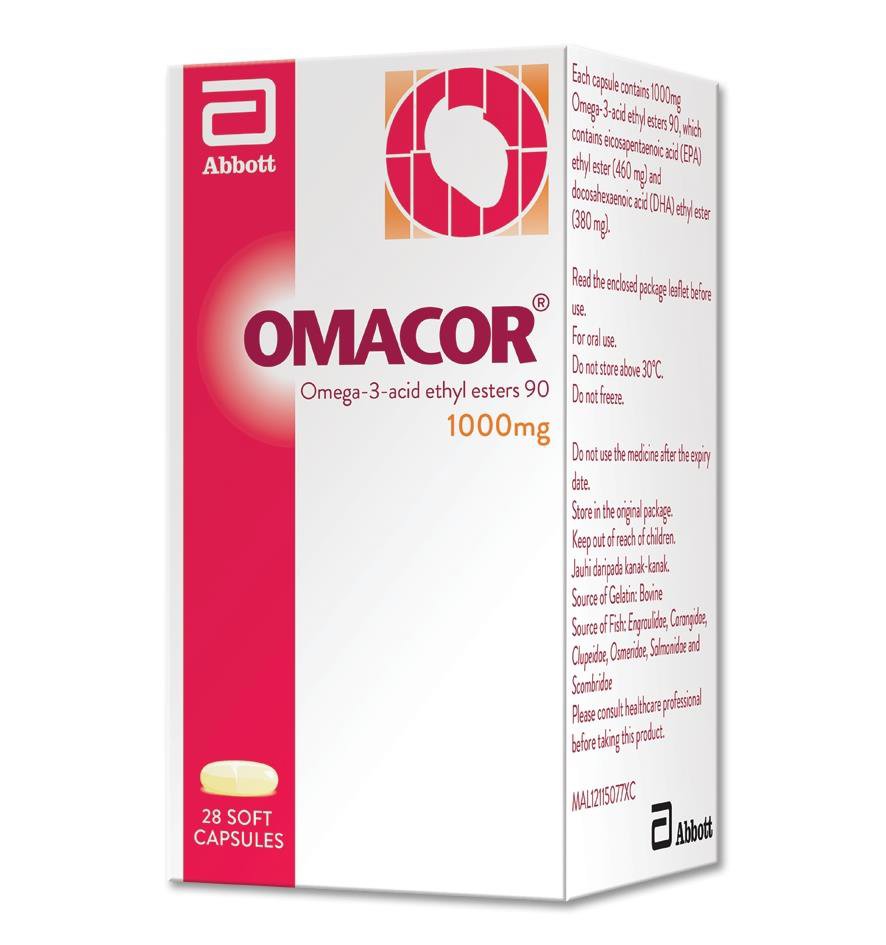
Omacor
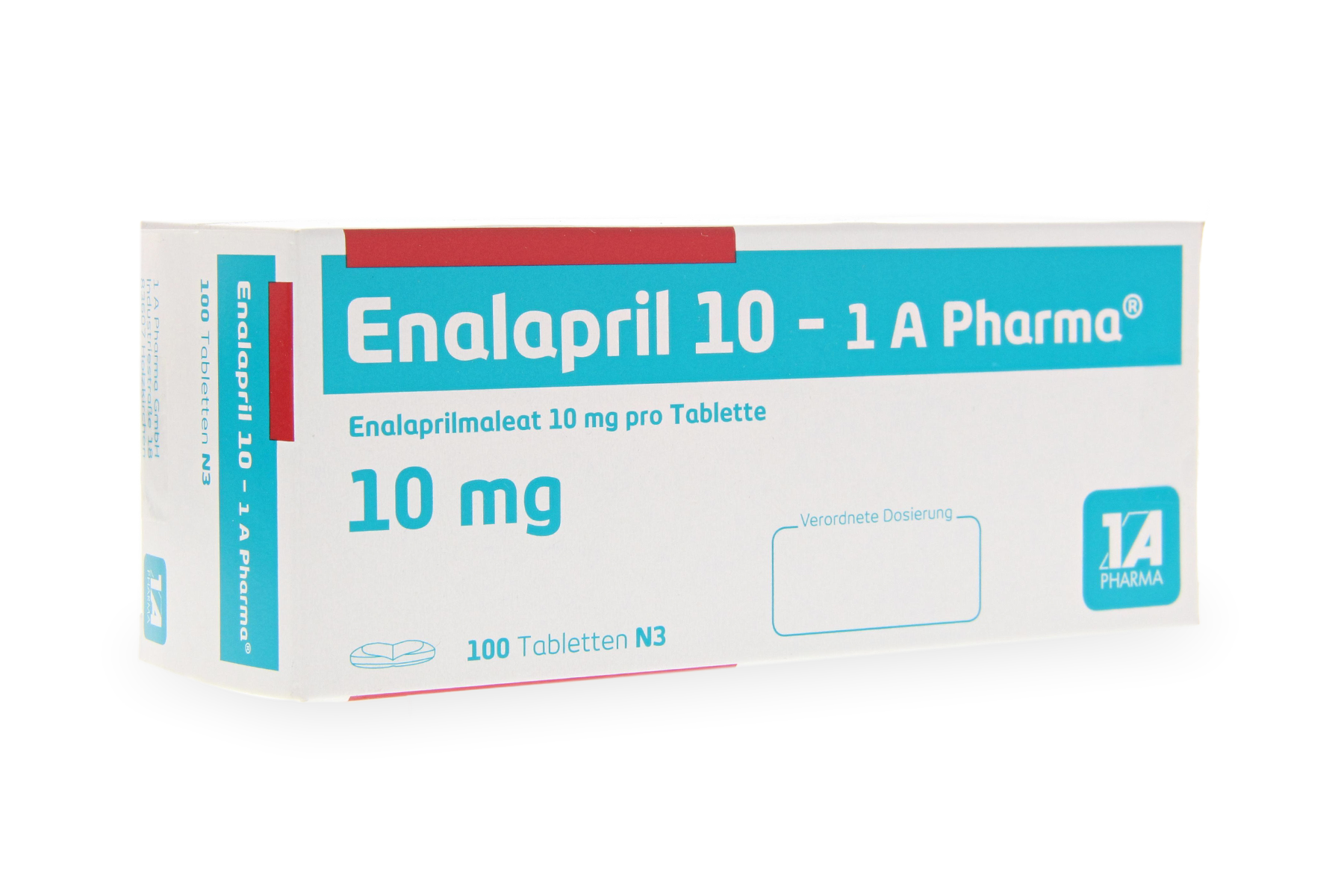
Enalapril
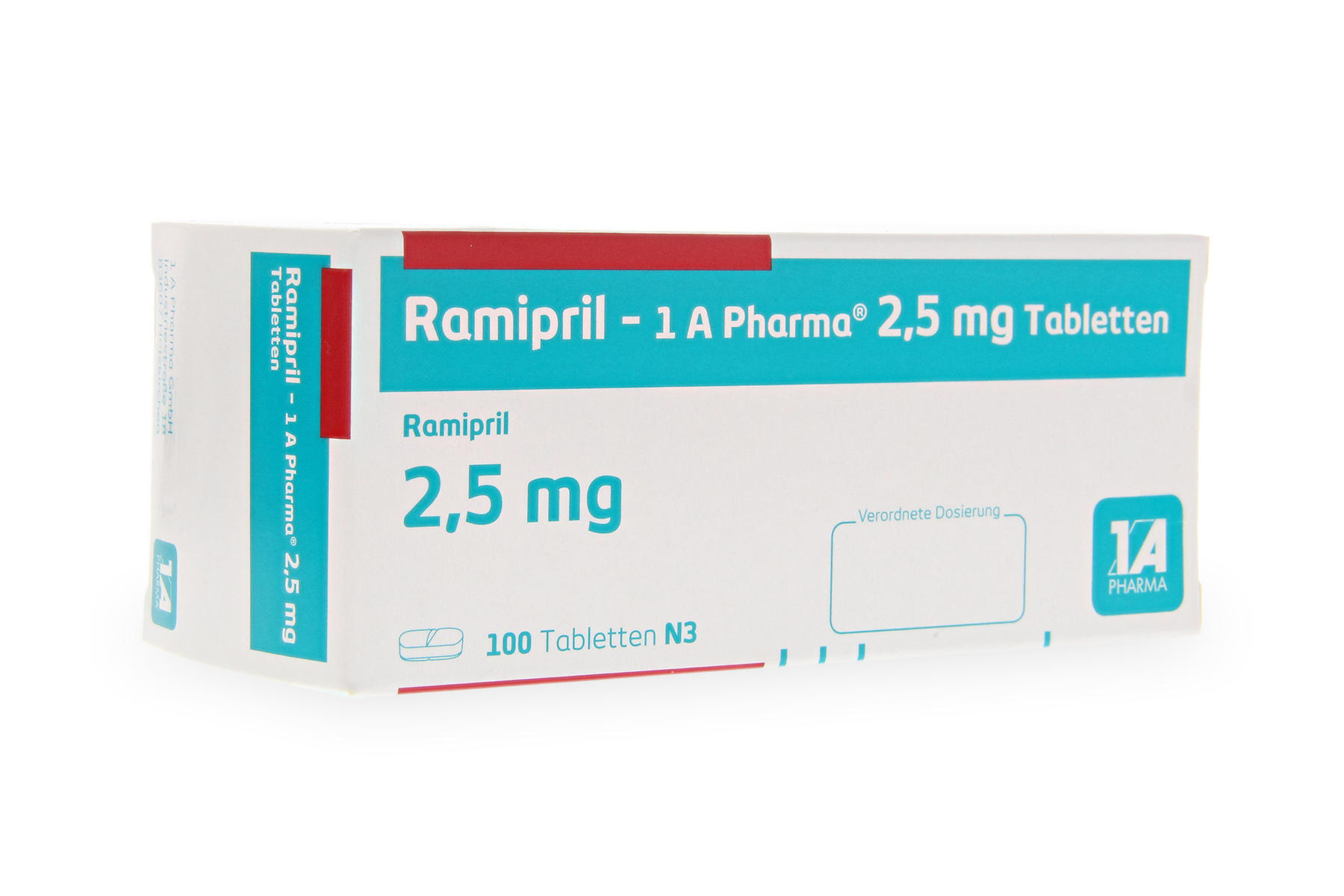
Ramipril
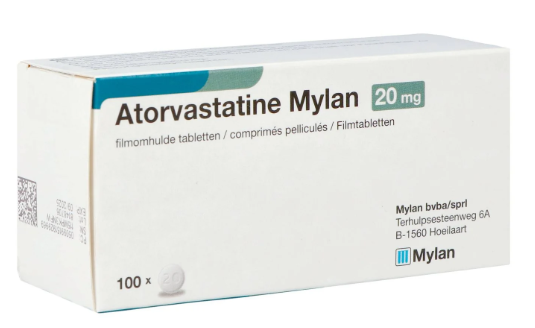
Atorvastatin
Dymista
Mirvaso

Spedra
Salbutamol
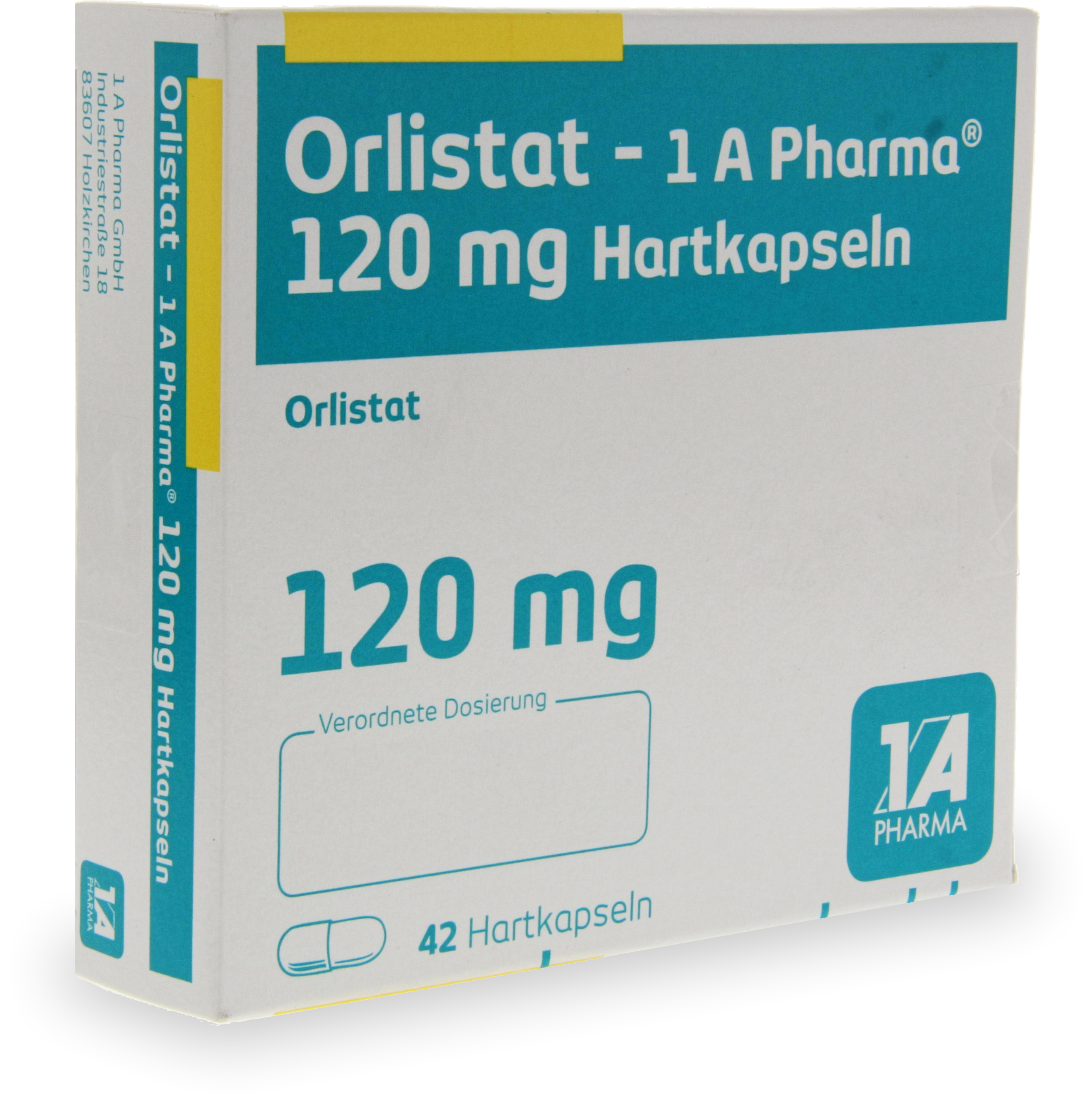
Orlistat

Vagifem
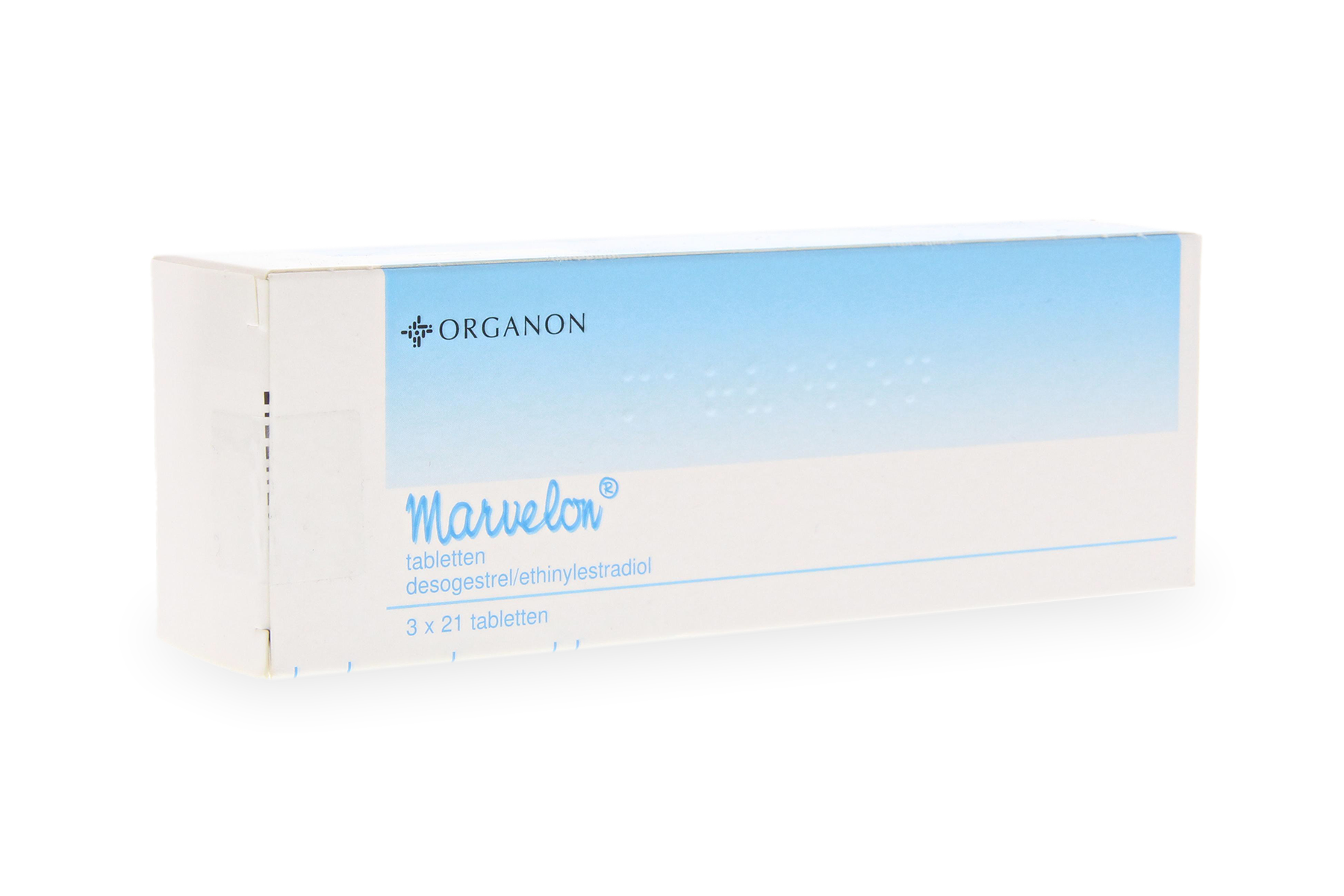
Marvelon
Desloratadine
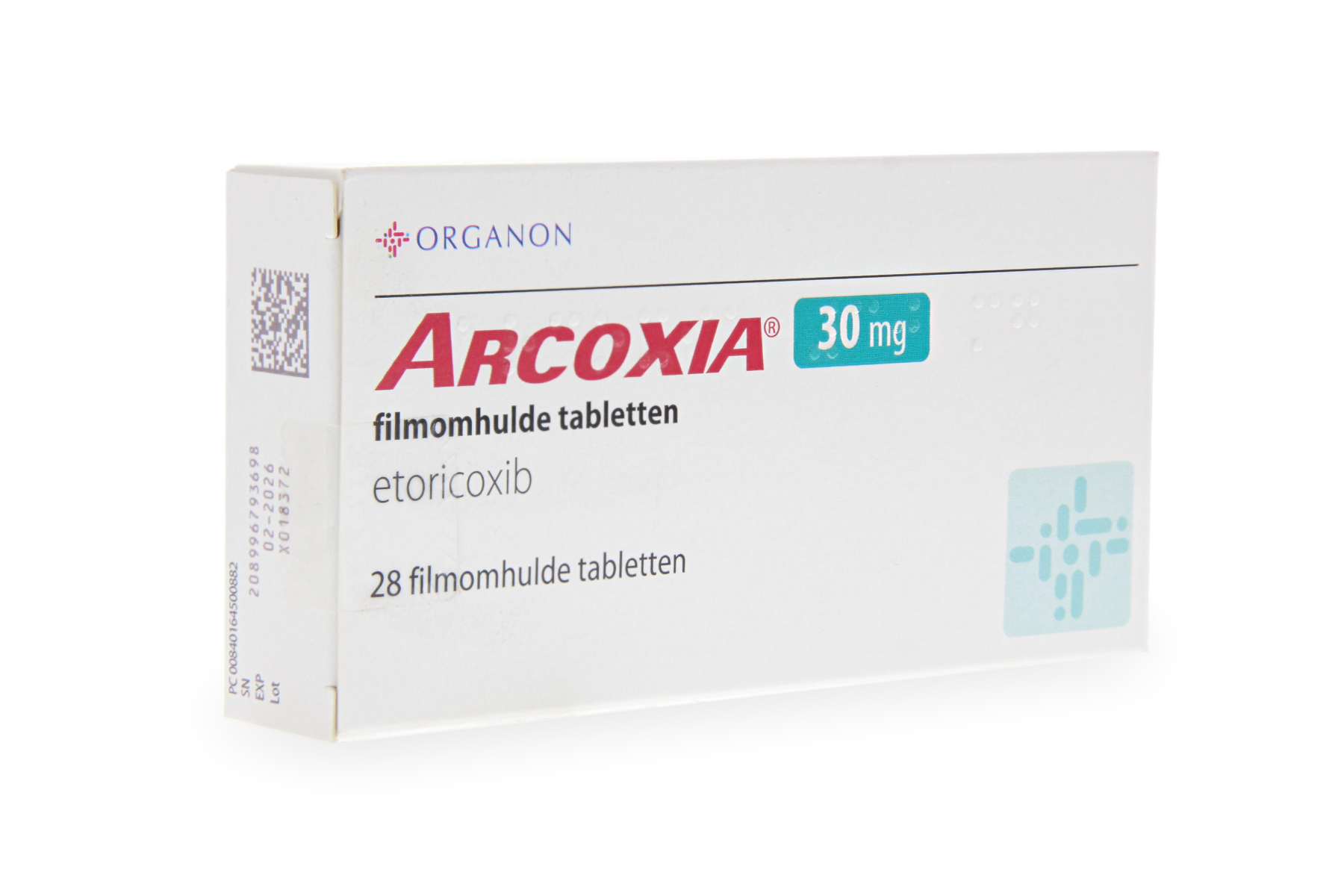
Arcoxia
Levothyroxine
Mercilon

Adenuric

Metoclopramide
Tadalafil

Valsartan
Spironolactone

Eliquis
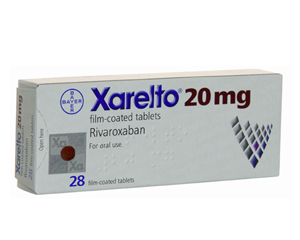
Xarelto

Vardenafil
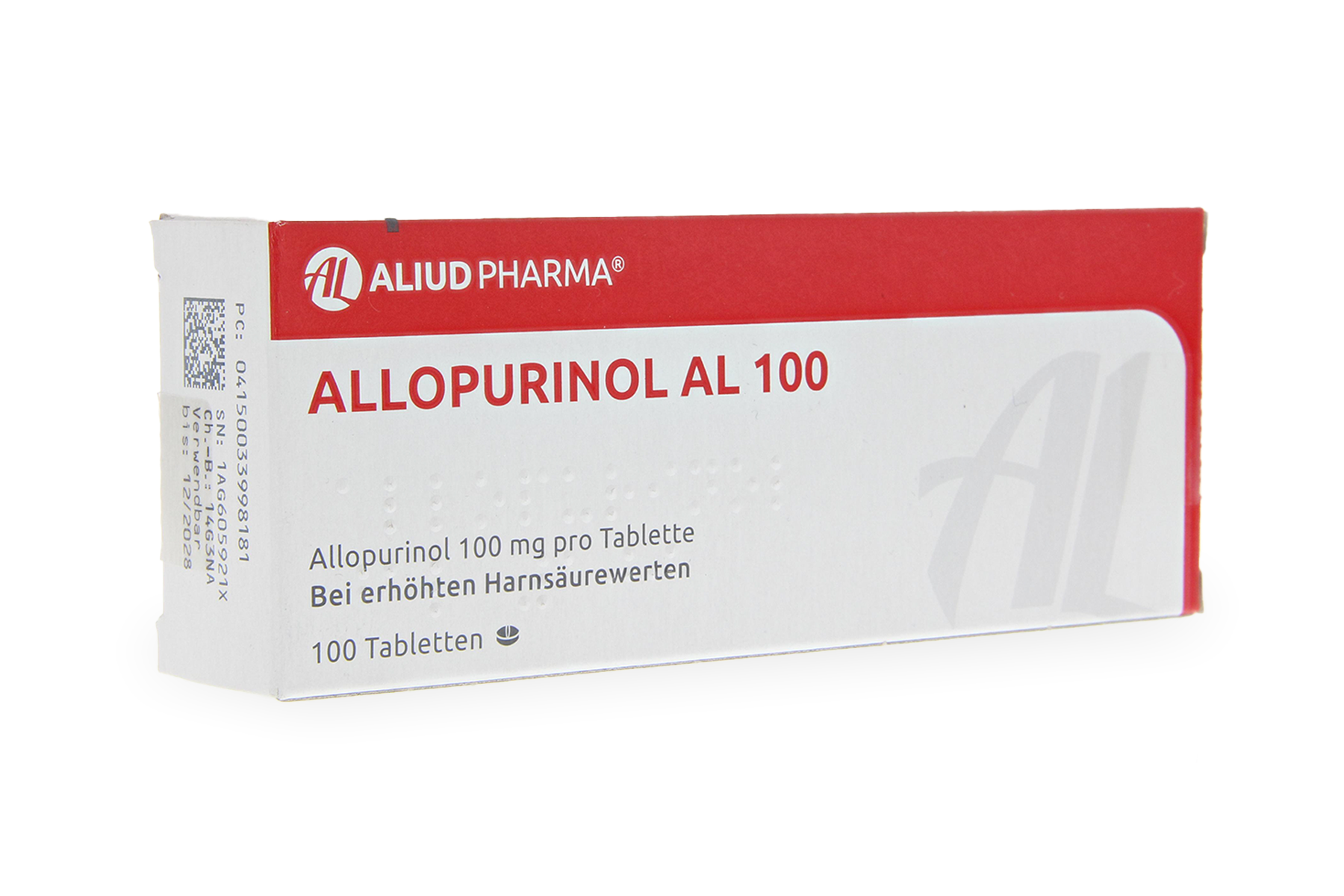
Allopurinol
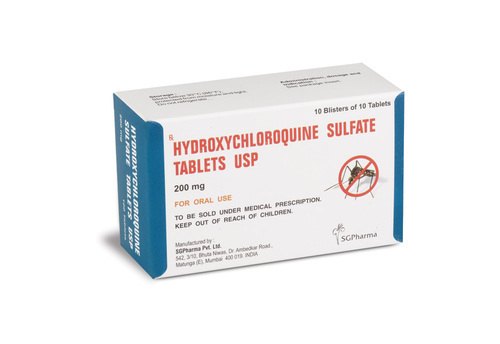
Hydroxychloroquine
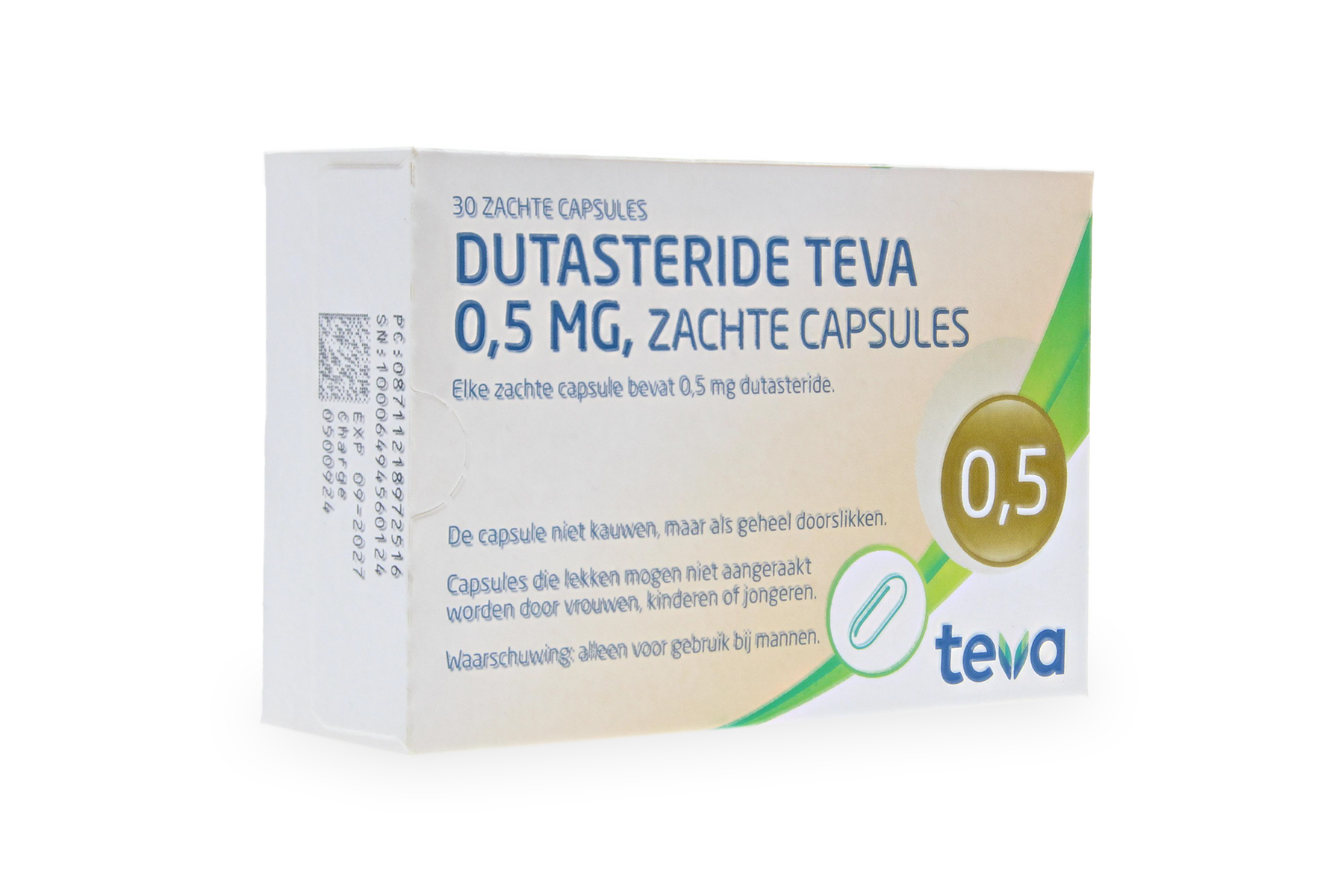
Dutasteride
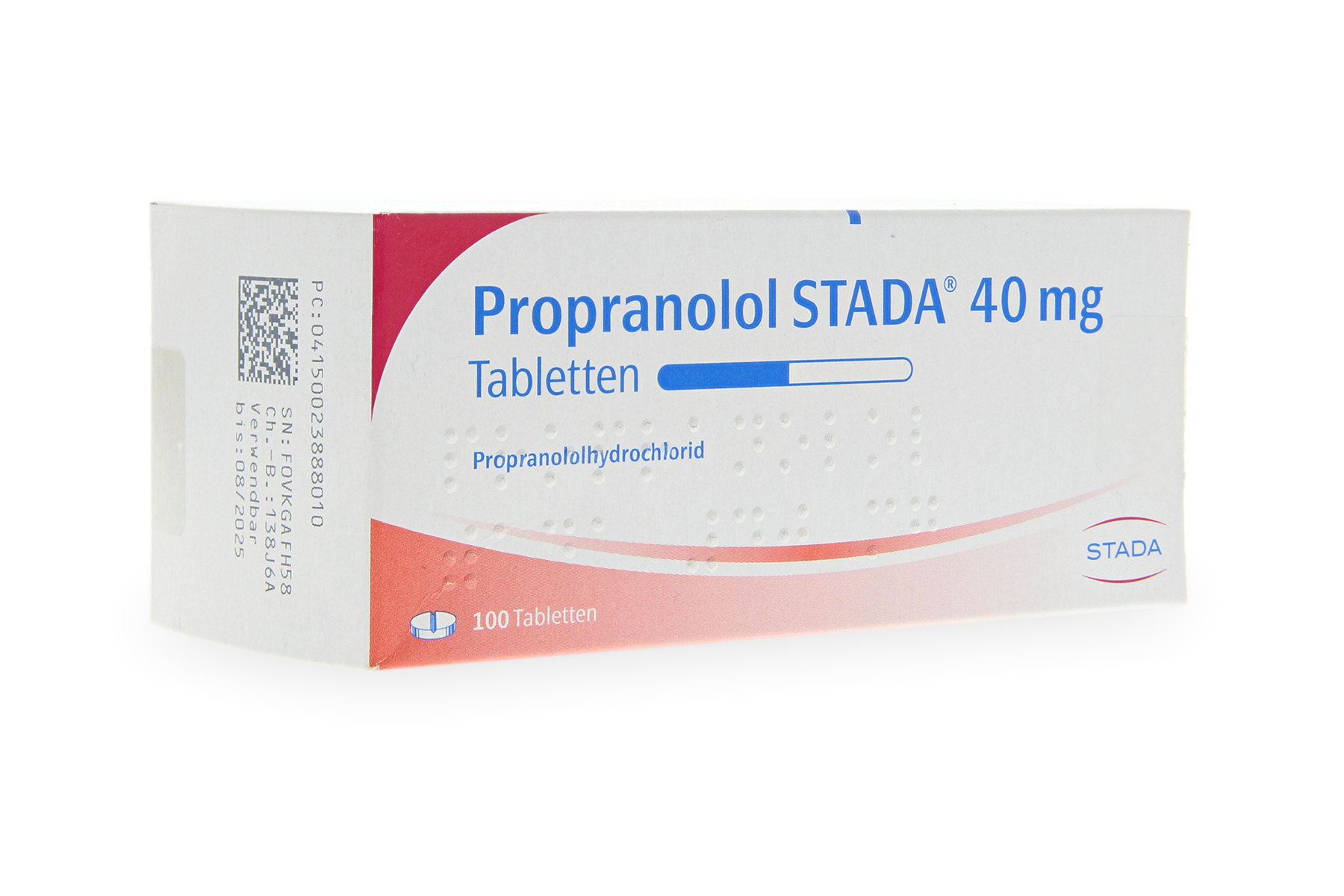
Propranolol

Wegovy
Circadin

Maxalt
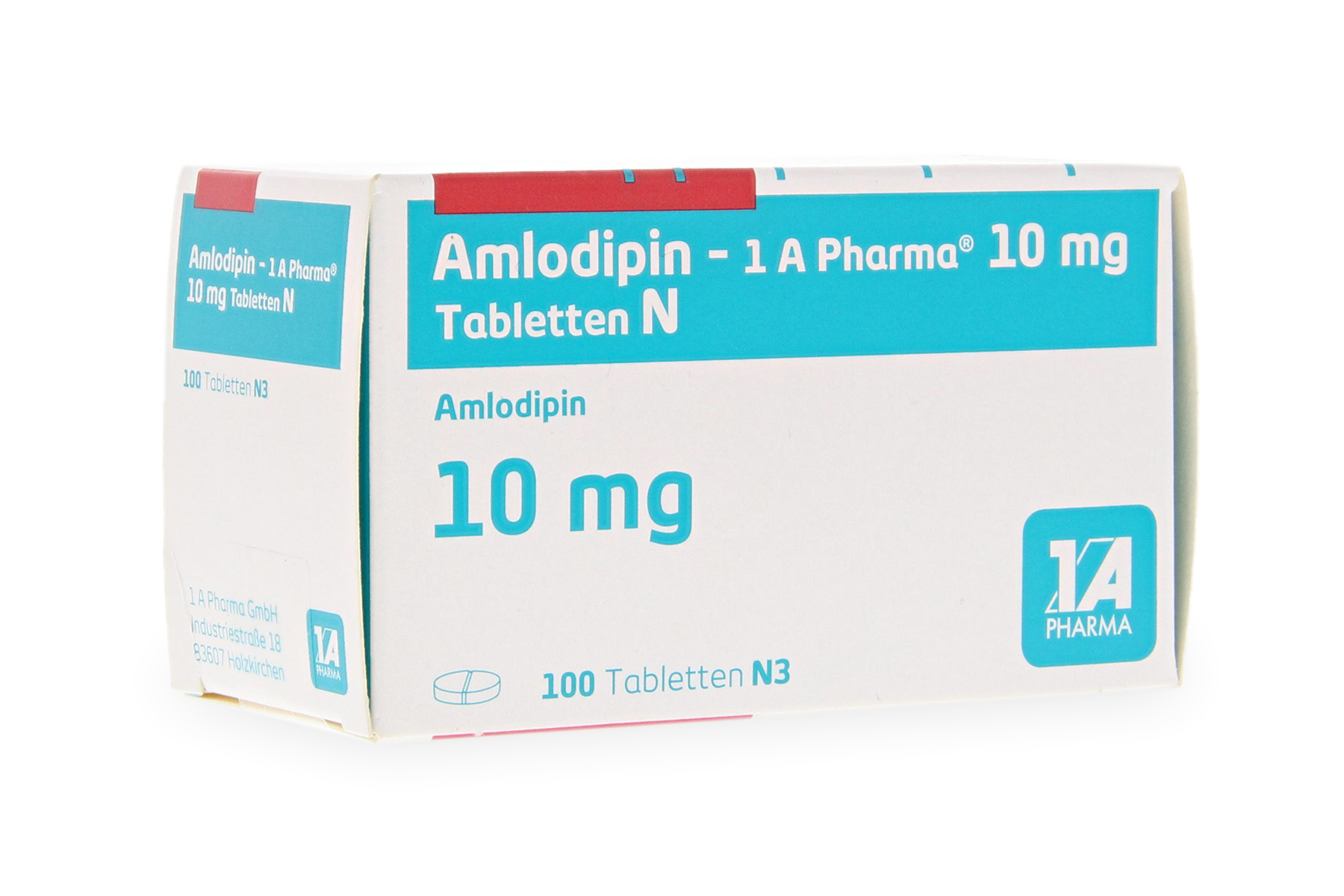
Amlodipine
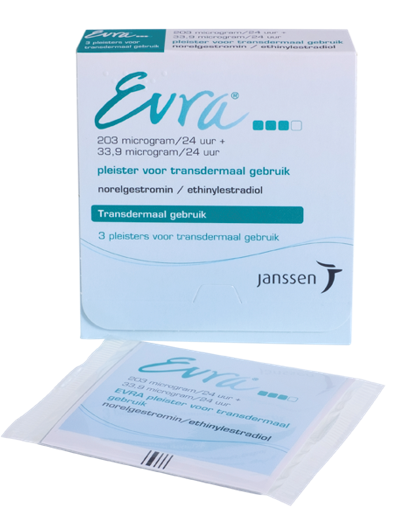
Evra Patches

Mounjaro

Dermovate

Cerazette

Viagra

Melatonin

Emla Cream
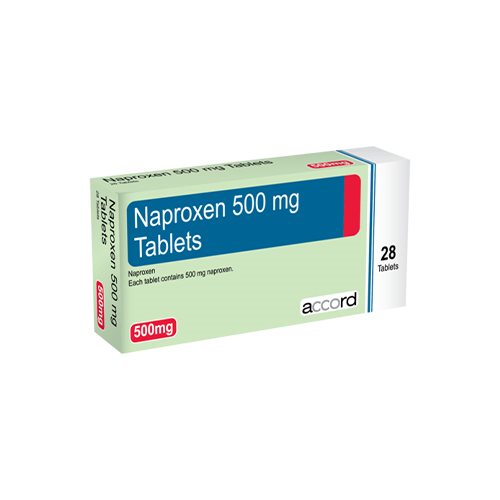
Naproxen

Ventolin

Bricanyl Turbohaler
Doxycycline (Malaria)

Impotence Trial Pack

Microgynon 30

Fucidin

Bisoprolol
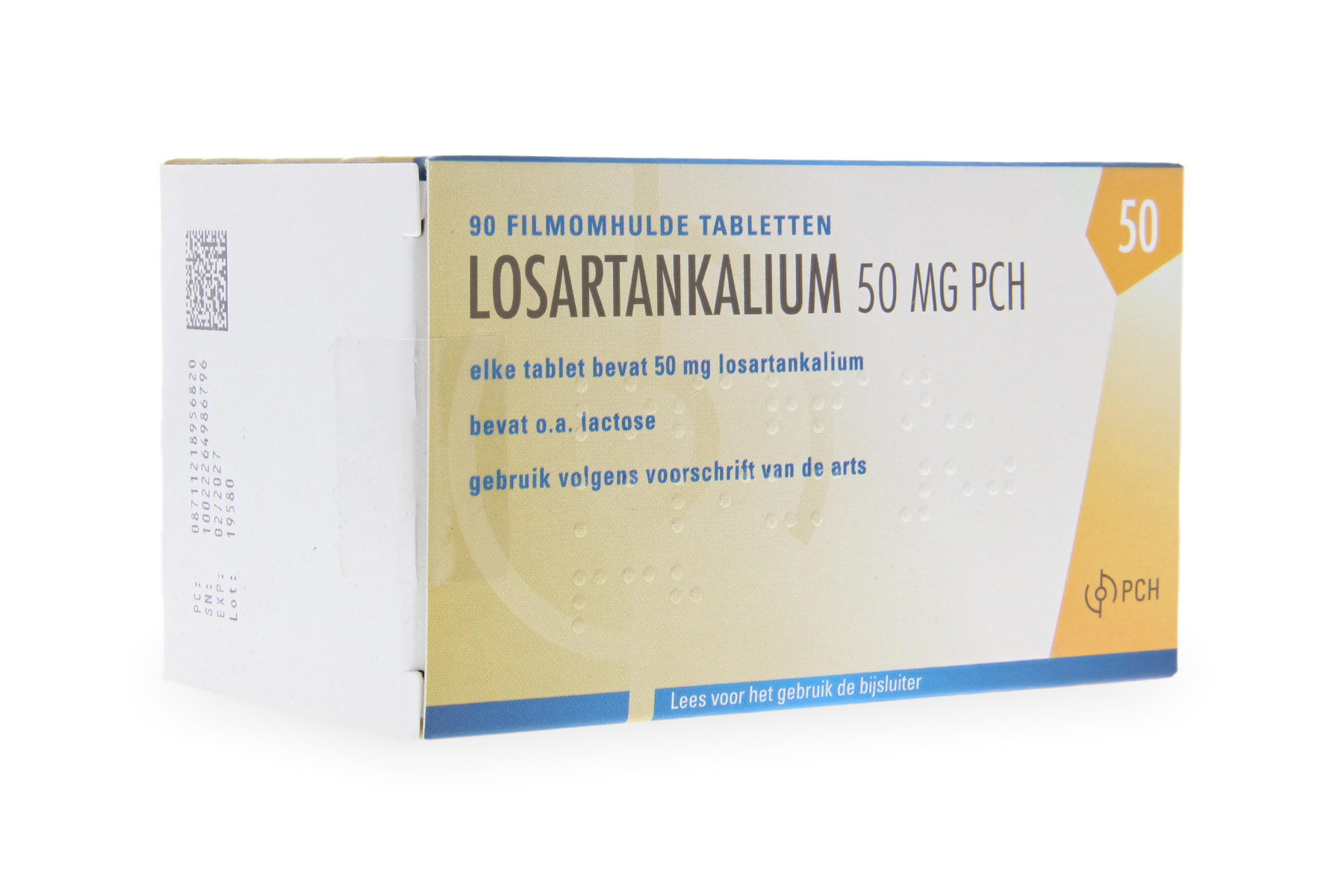
Losartan

Pulmicort Turbohaler

Avamys
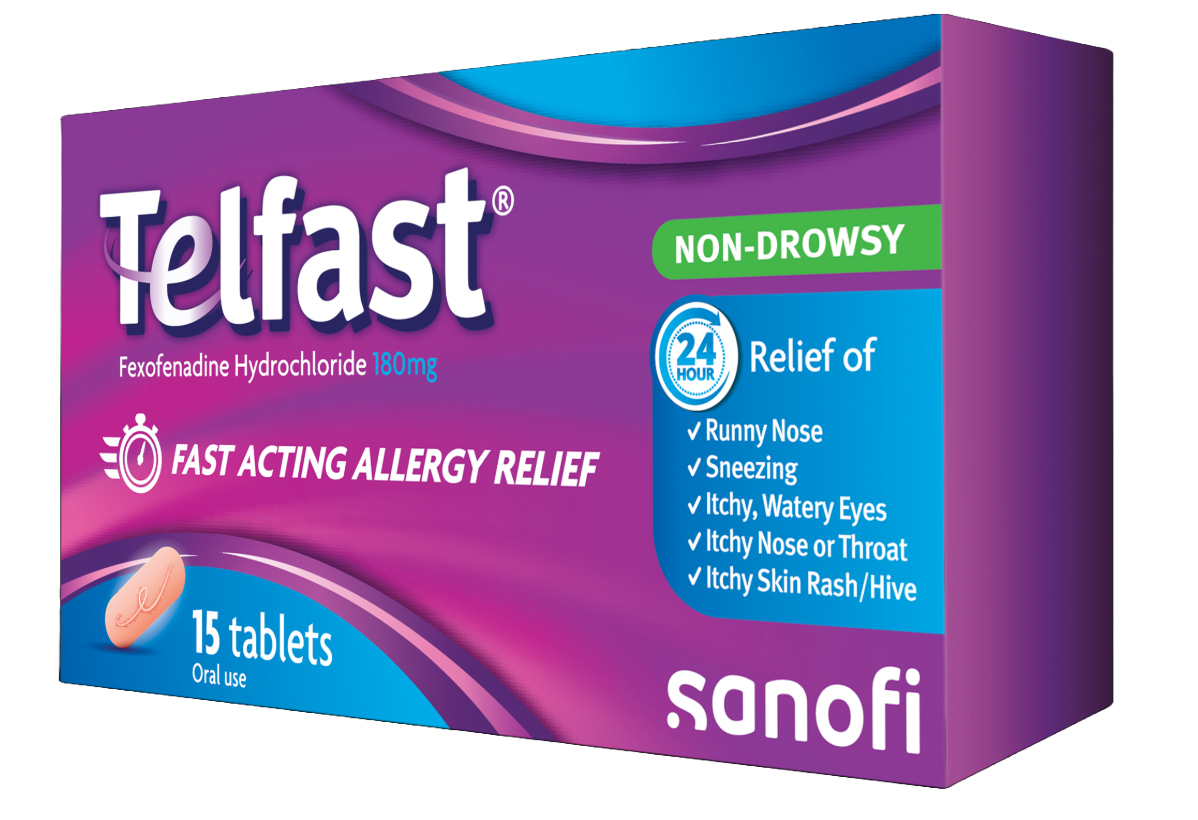
Telfast

Vitaros

Zyloric
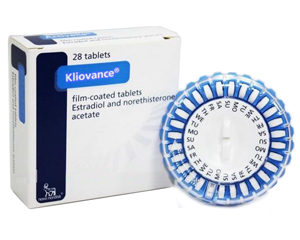
Kliovance

Bactroban

Elocon
Clindamycin
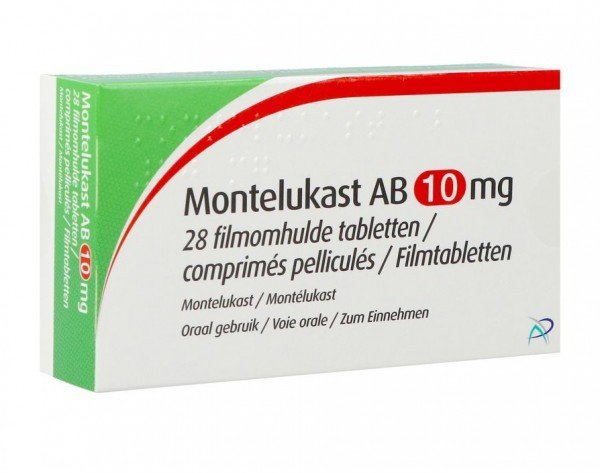
Montelukast
Aciclovir

Proscar

Differin
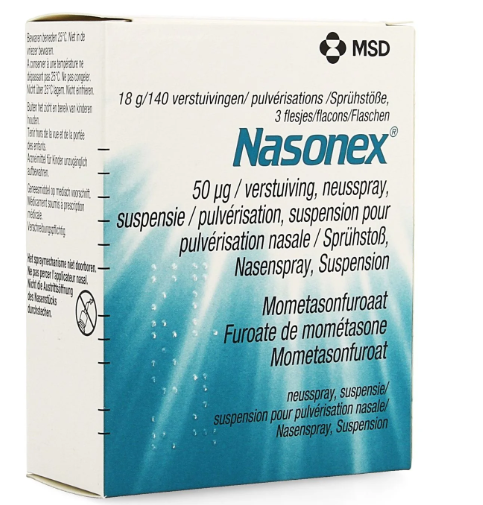
Nasonex Nasal Spray

Propecia
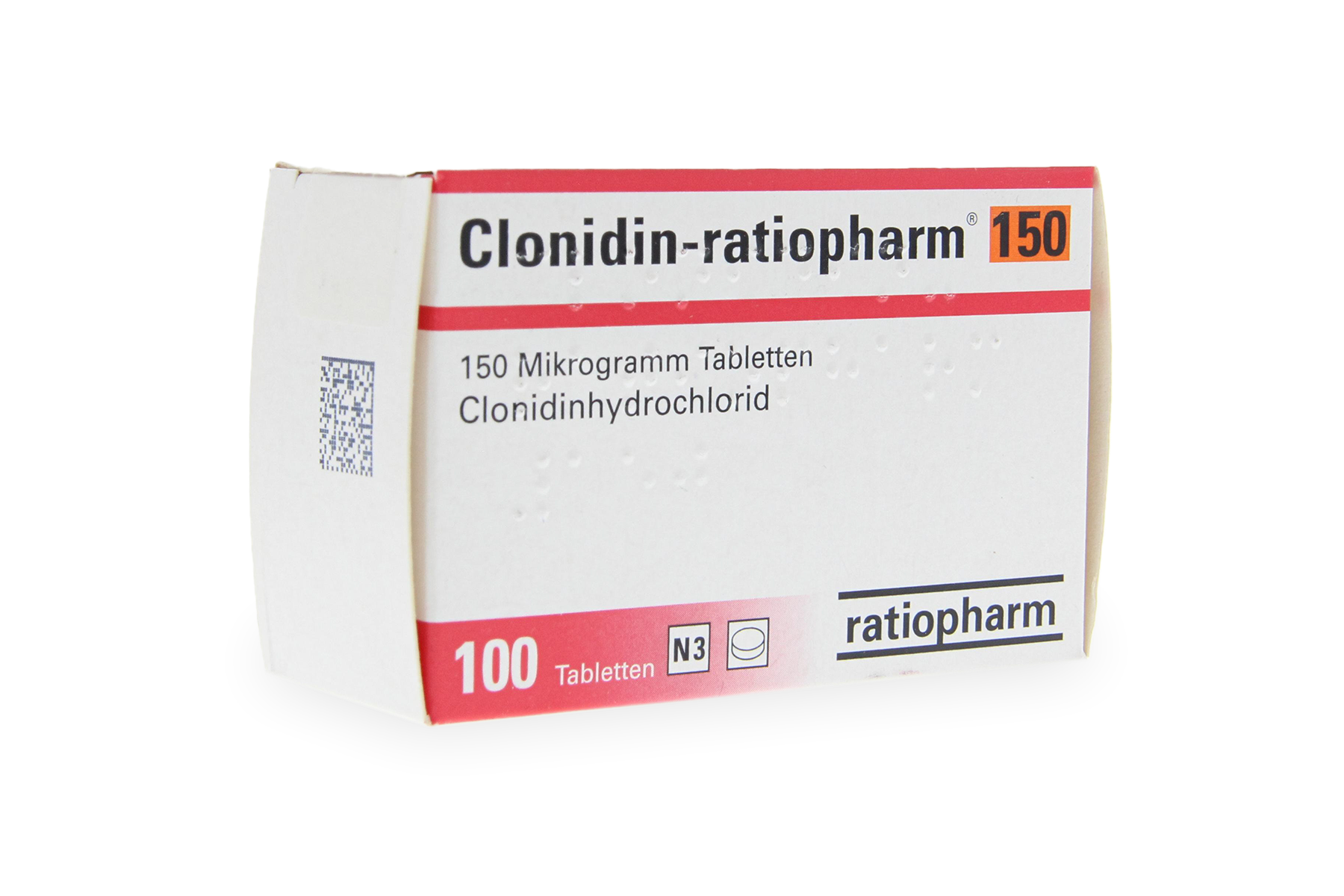
Clonidine

Femoston

Oestrogel
Tamsulosin MR
Azyter
Esomeprazole
Proscar (Finasteride)
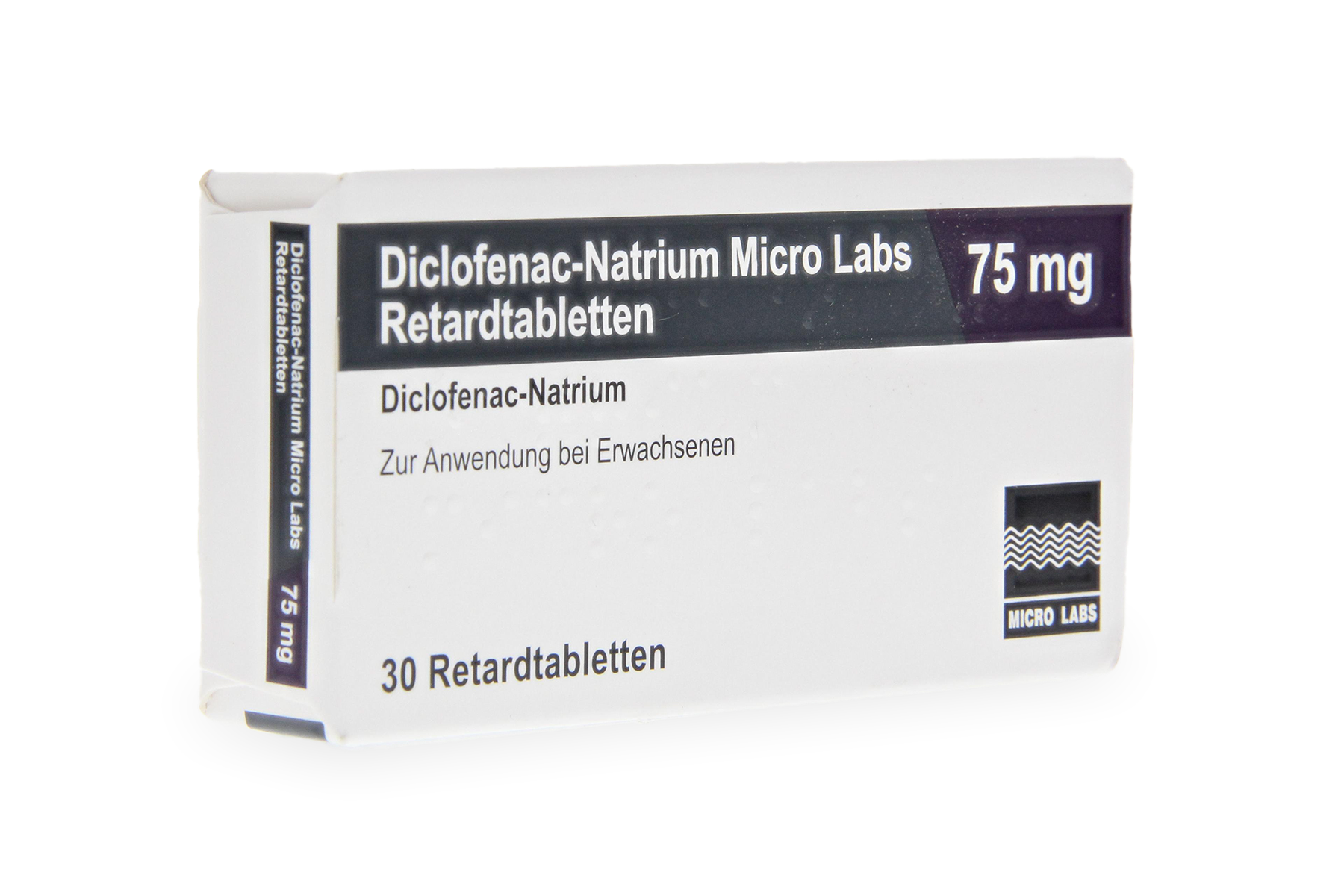
Diclofenac SR

Diflucan
Crestor
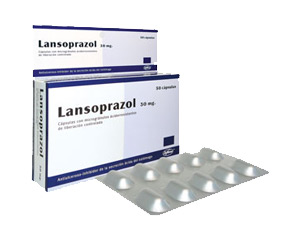
Lansoprazole

Vesicare
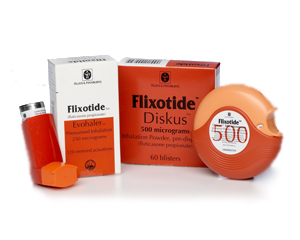
Flixotide
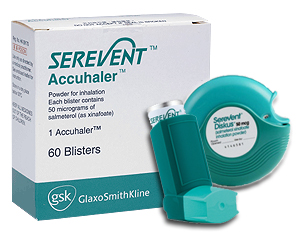
Serevent
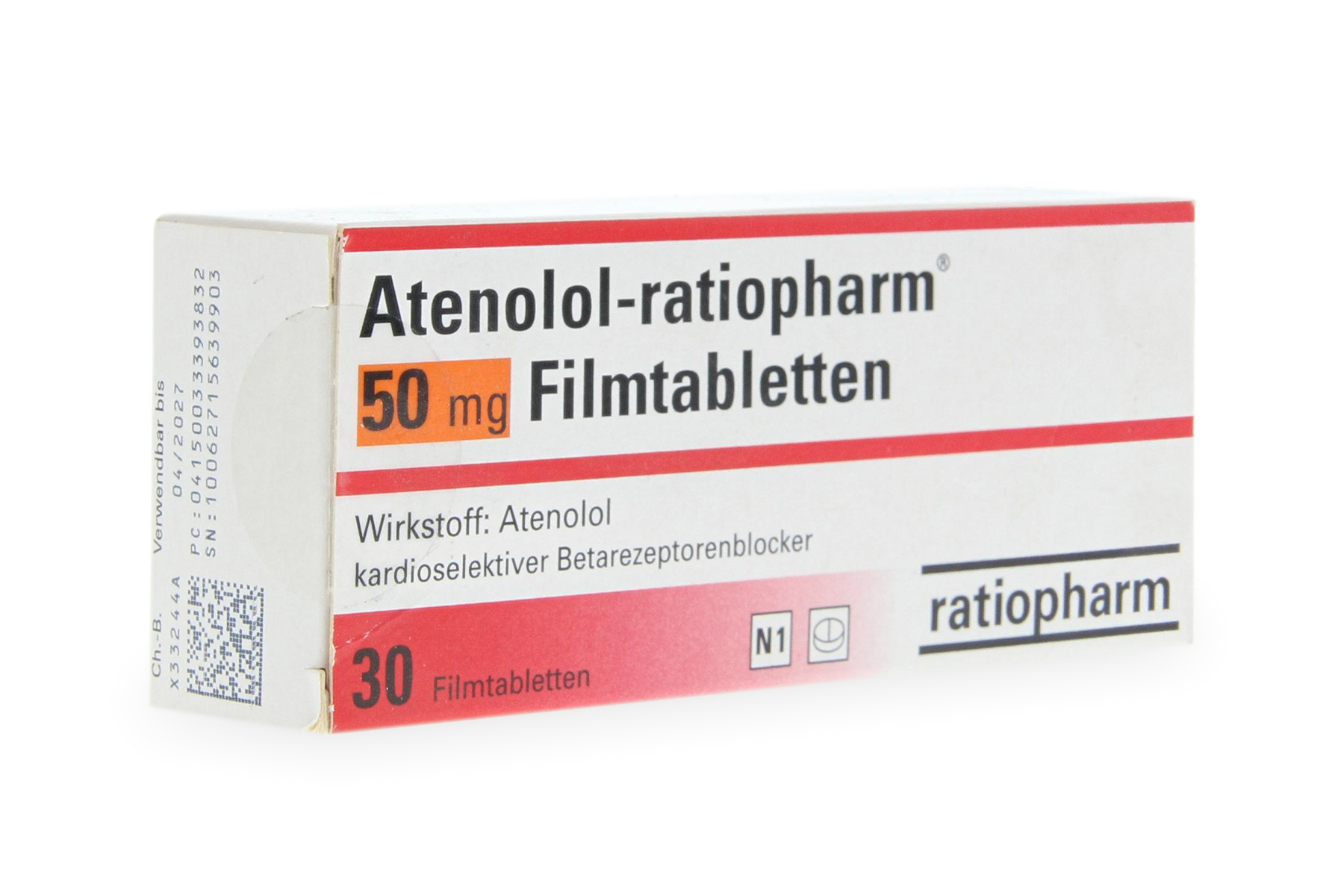
Atenolol
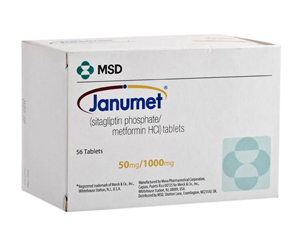
Janumet
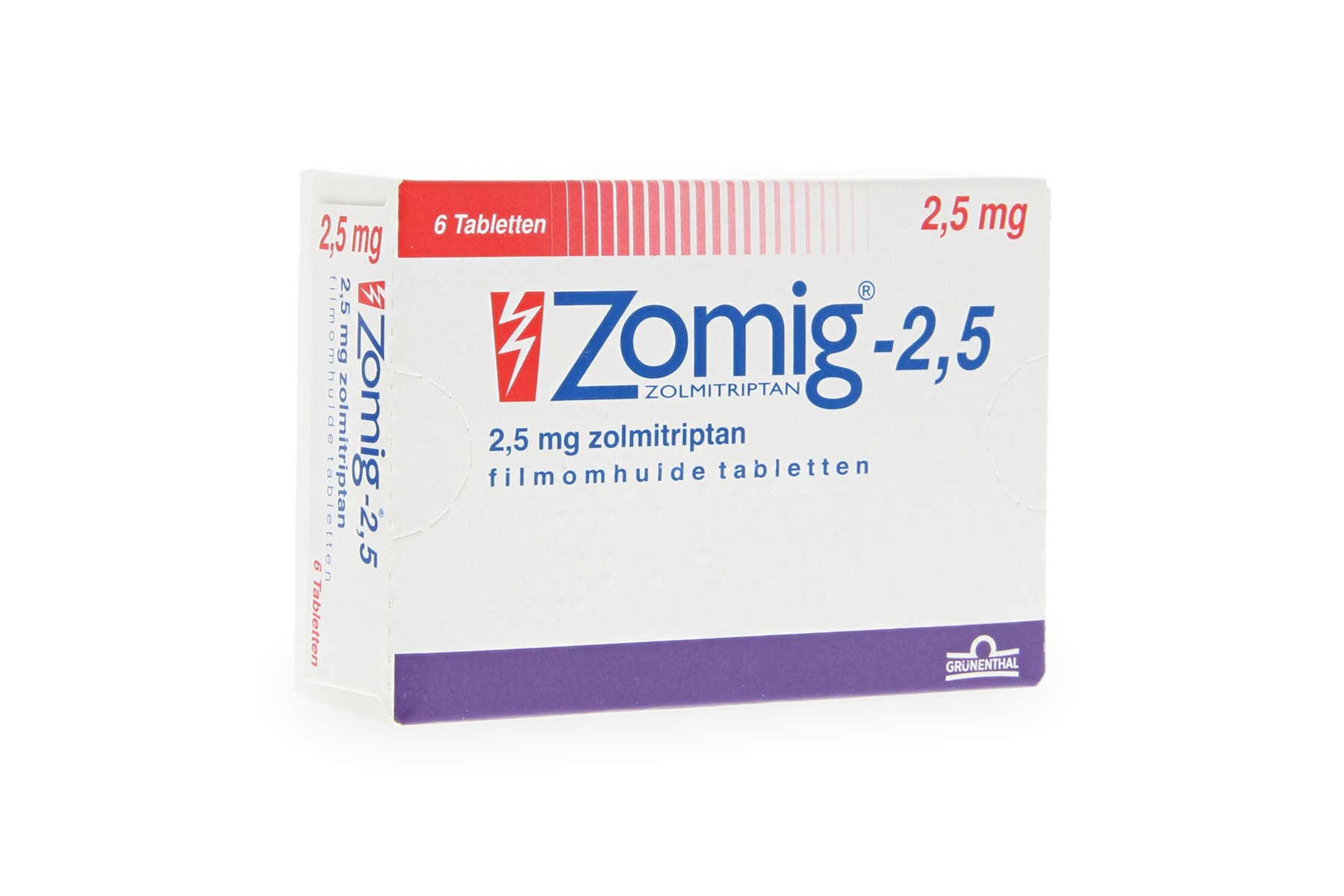
Zomig
Pain Relief Treatments
Understanding Pain and Pain Relief
Pain is the body's alarm system, alerting us to injury, illness, or tissue damage. While acute pain serves a protective purpose and typically resolves as healing occurs, chronic pain can persist long after the original cause has been addressed, becoming a condition in its own right. An estimated one in three adults in Europe lives with some form of chronic pain, making it a major public health concern.
Pain can be broadly classified as nociceptive (resulting from actual or threatened tissue damage), neuropathic (arising from nerve damage or dysfunction), or nociplastic (caused by altered pain processing in the central nervous system). Each type responds differently to treatment, which is why an accurate diagnosis is essential for effective management.
Modern pain relief employs a stepped approach, starting with simple analgesics and non-drug strategies and escalating to stronger medications only when necessary. This approach, known as the analgesic ladder, was originally developed by the World Health Organisation and remains the guiding framework for clinicians worldwide.
Over-the-Counter and Prescription Options
Paracetamol is the first-line analgesic for mild to moderate pain. It is well tolerated, has few interactions, and is safe for most people when used at recommended doses. Non-steroidal anti-inflammatory drugs (NSAIDs) such as ibuprofen and naproxen are particularly useful for pain accompanied by inflammation, including musculoskeletal injuries, dental pain, and menstrual cramps.
For moderate to severe pain, or when first-line treatments are insufficient, prescription options may be considered. Codeine and dihydrocodeine are weak opioids often combined with paracetamol to provide enhanced relief. Tramadol is a centrally acting analgesic with both opioid and non-opioid mechanisms, making it effective for a range of pain types but requiring careful prescribing due to its potential for dependence.
Neuropathic pain often responds poorly to standard analgesics and may require specific medications such as amitriptyline, gabapentin, or pregabalin. These drugs modify the way nerves transmit pain signals and are prescribed at doses lower than those used for their original indications of depression or epilepsy.
Using Pain Medication Safely
All pain medications carry risks when used improperly. NSAIDs can cause gastrointestinal bleeding, kidney impairment, and cardiovascular complications, particularly with long-term use or in older adults. Taking them with food and using the lowest effective dose for the shortest necessary duration minimises these risks.
Opioid medications require particular caution. They are effective for short-term use in acute pain but carry a significant risk of tolerance, physical dependence, and addiction when used over extended periods. Patients prescribed opioids should follow their prescriber's instructions carefully, never increase the dose without medical advice, and discuss a tapering plan when the medication is no longer needed.
Combining multiple pain medications demands awareness of ingredient overlap. Many over-the-counter cold and flu remedies contain paracetamol, and inadvertently exceeding the maximum daily dose can cause serious liver damage. Always check the ingredients of all medicines you are taking and consult a pharmacist if you are unsure about interactions.
Non-Drug Approaches to Pain
Pharmacological treatment is most effective when combined with non-drug strategies. Physiotherapy and targeted exercise programmes can strengthen supporting muscles, improve flexibility, and reduce pain from musculoskeletal conditions. For chronic back pain, structured exercise has been shown to be at least as effective as medication in many patients.
Cognitive behavioural therapy (CBT) helps people change the way they think about and respond to pain, reducing its emotional impact and improving coping strategies. Mindfulness-based stress reduction, acupuncture, and transcutaneous electrical nerve stimulation (TENS) are additional options that some patients find beneficial.
Heat and cold therapy, massage, and ensuring adequate sleep and stress management all contribute to a comprehensive pain-management plan. The goal is not always the complete elimination of pain but rather reducing it to a level that allows meaningful participation in daily activities and an acceptable quality of life.
When to Seek Medical Advice
While many types of pain can be managed with over-the-counter remedies and self-care, certain situations require professional assessment. Pain that is severe, worsening, or unexplained should always be evaluated, as should pain accompanied by neurological symptoms such as numbness, weakness, or changes in bladder or bowel function.
Chronic pain lasting more than three months warrants a thorough review to establish the underlying cause and develop a tailored management plan. Relying indefinitely on over-the-counter analgesics without a diagnosis is neither safe nor effective. A clinician can explore the full range of treatment options, including specialist referrals, interventional procedures, and multidisciplinary pain programmes.
For patients already using prescribed pain medication, repeat prescriptions can be ordered through regulated online pharmacies. However, opioid prescriptions typically require a more detailed clinical review and are subject to stricter regulations. If your pain is not adequately controlled by your current regimen, a face-to-face consultation is recommended.
Frequently Asked Questions
When should I consider prescription pain relief?
Can I get pain medication prescribed online?
What are the safest long-term pain relief options?
When should I see a doctor about pain?
Dr. Ross Elledge
General Practitioner · General & Family Medicine
Verified Healthcare Professional
TopDoctors ProfileThis website provides general information about medicines for educational purposes only. Always consult your doctor or pharmacist before taking any medication.