
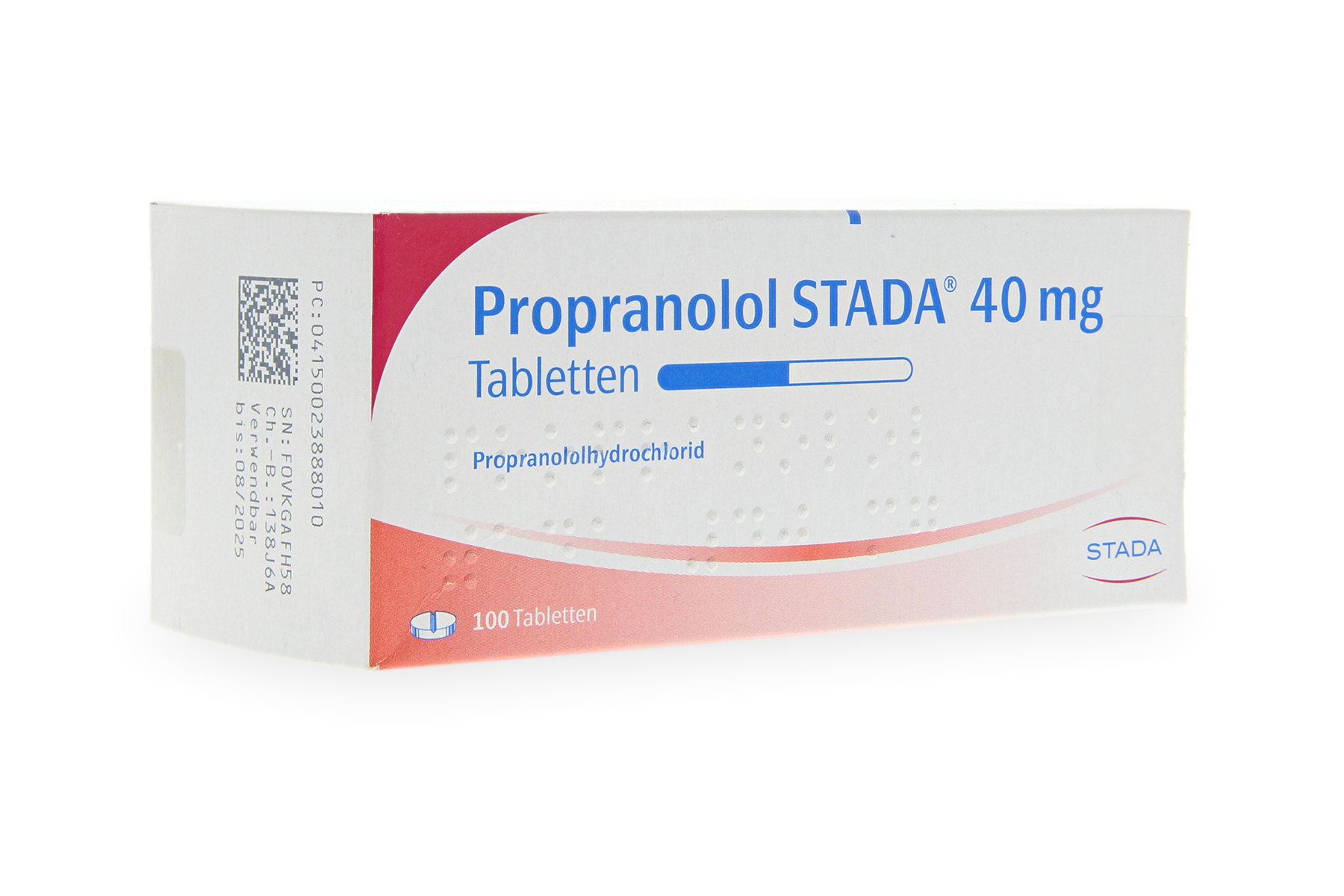
Propranolol
View Options
This website provides general information about medicines for educational purposes only. Always consult your doctor or pharmacist before taking any medication.
Choose Your Medicine
Select dosage and quantity
Online Consultation
Reviewed by a qualified physician
Fast, Discreet Delivery
Delivered to your door
Medical Information
About This Medicine
Propranolol is a non-selective beta-adrenoceptor blocker with a broad range of clinical applications, making it one of the most versatile cardiovascular and neurological medicines available. It is used to treat hypertension, angina pectoris, cardiac arrhythmias, heart failure (in combination with other agents), and migraine prophylaxis, as well as for the management of essential tremor, symptoms of thyrotoxicosis, and situational anxiety. Available in both immediate-release and modified-release formulations, propranolol has been in clinical use for over 60 years and remains a cornerstone of several treatment guidelines.
Mechanism of Action
Propranolol competitively blocks both beta-1 and beta-2 adrenoceptors throughout the body, preventing the action of catecholamines including adrenaline and noradrenaline. By blocking beta-1 receptors in the heart, it reduces heart rate, myocardial contractility, and cardiac output. This reduces myocardial oxygen demand, making it valuable in angina and arrhythmias. In hypertension, the reduction in cardiac output contributes to blood pressure lowering, along with central nervous system mechanisms and inhibition of renin release from the kidney. Blockade of peripheral beta-2 receptors reduces tremor and suppresses somatic symptoms of anxiety (such as palpitations and sweating), without directly addressing the psychological components. Propranolol also crosses the blood-brain barrier and exerts central effects that contribute to migraine prophylaxis.
Anxiety and Situational Use
One of propranolol's increasingly common applications is the management of situational (performance) anxiety — the physical symptoms of anxiety experienced in high-pressure situations such as examinations, public speaking, or musical performances. A single dose of 40 mg taken 30-60 minutes before the event blunts the peripheral adrenergic symptoms of anxiety (tremor, palpitations, blushing, sweating) without the sedation or cognitive impairment associated with benzodiazepines. It does not directly reduce psychological anxiety but removes the distressing physical manifestations that can exacerbate the cycle of anxiety.
Important Safety Considerations
Propranolol must not be stopped abruptly in patients with ischaemic heart disease or angina, as sudden withdrawal can precipitate rebound tachycardia, worsening angina, and myocardial infarction. Any dose reduction should be gradual and under medical supervision. Propranolol is also contraindicated in asthma due to beta-2 receptor blockade causing bronchospasm.
Usage & Dosage
How to Take Propranolol
For cardiovascular indications such as high blood pressure, angina, and irregular heart rhythm, propranolol is typically taken two to four times daily in divided doses. Its relatively short duration of action means frequent dosing is needed to maintain a consistent effect throughout the day. Modified-release propranolol capsules are available for once-daily dosing in high blood pressure and migraine prevention.
For situational anxiety (such as before a presentation or performance), a single 40 mg dose is taken 30 to 60 minutes before the stressful event. This helps control the physical symptoms of anxiety (trembling, palpitations, rapid heartbeat) without sedation.
Do Not Stop Suddenly
Never stop propranolol abruptly, particularly if you have angina or a history of heart disease. Sudden withdrawal can trigger a rebound increase in heart rate and blood pressure, which may provoke angina or, in rare cases, a heart attack. If you need to stop, your doctor will reduce the dose gradually over one to two weeks.
Dosing of propranolol varies substantially by indication. For hypertension: 80 mg twice daily initially, increasing to 160-320 mg daily in divided doses. For angina: 40 mg two to three times daily, increasing to 120-240 mg daily. For arrhythmias: 10-40 mg three to four times daily. For migraine prophylaxis: 80-160 mg daily in divided doses (or once-daily with modified-release). For essential tremor: 40 mg two to three times daily, up to 120-240 mg daily. For thyrotoxicosis: 10-40 mg three to four times daily (short-term). For situational anxiety: 40 mg single dose taken 30-60 minutes before the event. Modified-release capsules (80 mg, 160 mg) are dosed once daily. No abrupt discontinuation in cardiac patients. Dose reduction required in hepatic impairment.
Side Effects
Common Side Effects
- Fatigue and low energy
- Cold hands and feet (due to reduced blood flow to the extremities)
- Sleep disturbance, vivid dreams, or nightmares
- Slow heart rate (bradycardia)
- Dizziness or low blood pressure
- Nausea or digestive discomfort
Important Warnings
Propranolol can mask the early warning signs of low blood sugar (hypoglycaemia) such as a racing heart, so diabetic patients who take insulin or other blood-sugar-lowering medicines need to be particularly careful. Do not take propranolol if you have asthma or significant chronic obstructive pulmonary disease without careful specialist guidance, as beta-blockers can cause severe bronchospasm in people with reactive airways. Discuss any breathing problems with your doctor before starting.
Warnings & Precautions
Propranolol must never be stopped abruptly in patients with coronary artery disease, angina, or a history of myocardial infarction. Sudden withdrawal causes a rebound increase in sympathetic activity that can precipitate severe angina or acute myocardial infarction. Doses should be tapered gradually over at least two weeks under medical supervision if discontinuation is necessary.
Asthma and Respiratory Disease
Propranolol is absolutely contraindicated in asthma due to blockade of bronchodilatory beta-2 receptors, which can cause severe, potentially fatal bronchospasm. Even in patients with mild or intermittent asthma, the risk is unacceptable. For patients with chronic obstructive pulmonary disease (COPD) who require a beta-blocker, a highly cardioselective beta-1 blocker such as bisoprolol is preferred, and even then used with caution.
Diabetes and Hypoglycaemia
In patients with diabetes on insulin or sulfonylureas, propranolol can mask the tachycardia that typically signals hypoglycaemia, meaning the warning symptom of a low blood sugar episode may not be apparent. This is particularly dangerous as the patient may not take corrective action in time. Sweating — which is not mediated by beta receptors — is preserved and may be the only warning sign. Cardioselective beta-blockers are preferred in insulin-dependent diabetics when beta-blockade is required.
Contraindications
- Asthma or a history of bronchospasm (absolute contraindication)
- Uncontrolled heart failure
- Cardiogenic shock
- Severe bradycardia (resting heart rate below 45-50 bpm)
- Sick sinus syndrome or second/third-degree heart block (without a pacemaker)
- Untreated phaeochromocytoma (use only with concurrent alpha-blockade)
- Severe peripheral arterial disease
- Metabolic acidosis
- Hypersensitivity to propranolol or any excipient
- Concurrent use of verapamil or diltiazem intravenously (risk of severe bradycardia and heart block)
Frequently Asked Questions
Can propranolol be used for anxiety?
How long does it take for propranolol to work?
Is propranolol safe to take with antidepressants?
Why can I not stop propranolol suddenly?
Can I take propranolol if I have diabetes?
Dr. Ross Elledge
General Practitioner · General & Family Medicine
Verified Healthcare Professional
TopDoctors Profile