
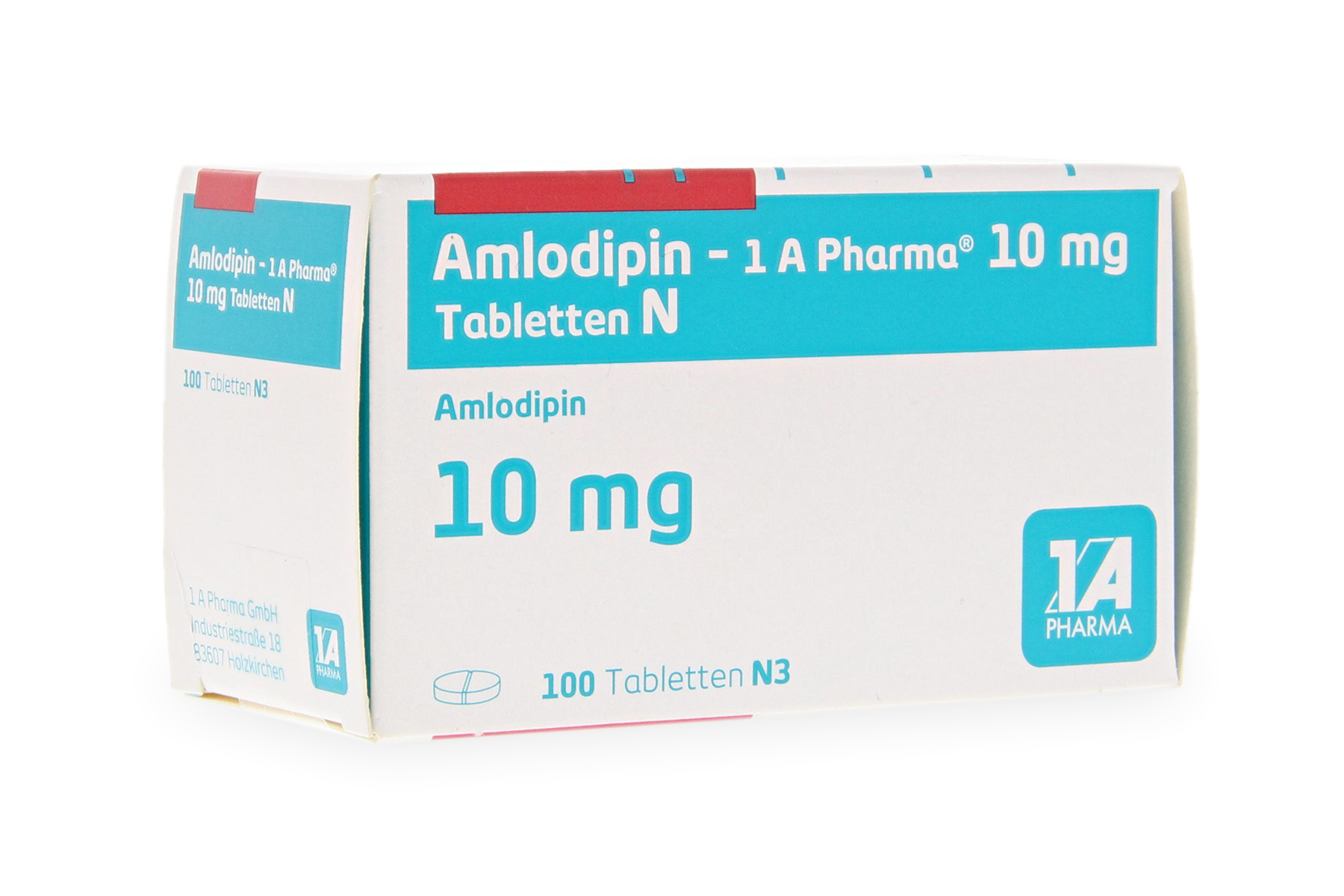
Amlodipine
View Options
This website provides general information about medicines for educational purposes only. Always consult your doctor or pharmacist before taking any medication.
Choose Your Medicine
Select dosage and quantity
Online Consultation
Reviewed by a qualified physician
Fast, Discreet Delivery
Delivered to your door
Medical Information
About This Medicine
Amlodipine is a prescription calcium channel blocker used to treat high blood pressure (hypertension) and angina (chest pain caused by reduced blood flow to the heart muscle). It is one of the most widely prescribed cardiovascular medicines in the UK and internationally, with a long-established record of safety and efficacy in reducing blood pressure, preventing angina episodes, and lowering the risk of cardiovascular events including stroke and heart attack.
High Blood Pressure and Its Consequences
Hypertension affects approximately one in three adults in the UK and is a leading modifiable risk factor for cardiovascular disease, stroke, kidney disease, and premature death. In most cases, high blood pressure causes no symptoms until serious complications arise, making regular monitoring and consistent long-term treatment essential. Amlodipine is recommended by NICE as a first-line antihypertensive in patients over 55 and in patients of Black African or Caribbean origin at any age, reflecting its particularly effective blood pressure-lowering effect in these groups.
Angina and Amlodipine
Stable angina occurs when the heart muscle does not receive sufficient blood and oxygen during physical activity or emotional stress. Amlodipine reduces the workload on the heart by relaxing and widening blood vessels (vasodilation), which lowers blood pressure and reduces the effort required to pump blood around the body. It also dilates the coronary arteries directly, improving blood supply to the heart muscle. Both of these effects reduce the frequency and severity of angina episodes. Amlodipine is used for both vasospastic angina (Prinzmetal's angina) and chronic stable angina.
Long Half-Life and Once-Daily Dosing
One of amlodipine's pharmacological advantages is its exceptionally long half-life of 35 to 50 hours, which means a single daily dose provides smooth and consistent blood pressure control throughout the day and night. This long duration of action also means that blood pressure remains controlled even if an occasional dose is missed, reducing the risk of rebound hypertension from inconsistent adherence.
Usage & Dosage
How to Take Amlodipine
Swallow amlodipine tablets whole with water, with or without food. Take at the same time each day, which helps maintain consistent blood levels and build a routine. The usual starting dose is 5 mg once daily. If blood pressure or angina control is insufficient after at least two weeks, the dose may be increased to 10 mg once daily.
Because amlodipine has a very long half-life, its effect builds up gradually over several days to weeks. A full assessment of your response should be made two to four weeks after any dose change. Amlodipine is a long-term treatment, stopping it without medical advice will cause blood pressure to rise again.
The standard starting dose for both hypertension and angina in adults is 5mg once daily. The dose may be increased to 10mg once daily after at least two weeks, based on response and tolerability.
Hepatic impairment: Amlodipine is extensively metabolised in the liver, and clearance may be significantly reduced in patients with hepatic impairment. A starting dose of 2.5mg (using a lower-strength tablet or tablet-splitting where appropriate) is recommended in patients with moderate to severe hepatic impairment, with cautious upward titration. Severe hepatic impairment requires specialist guidance.
Renal impairment: No dose adjustment is necessary in patients with renal impairment, as amlodipine is not renally cleared to a significant degree. Patients on dialysis do not require dose adjustment.
Elderly patients: Elderly patients may be more sensitive to the vasodilatory effects of amlodipine, with increased risk of hypotension and ankle oedema. A starting dose of 5mg is generally appropriate, but dose titration should proceed cautiously and blood pressure monitored more frequently. Amlodipine has a well-established safety and tolerability profile in elderly patients and is commonly used in this age group. The medicine may also be used in children over 6 years of age for hypertension, at doses determined by a paediatric specialist.
Side Effects
Common Side Effects
Amlodipine is generally very well tolerated. The most frequently reported side effects include:
- Peripheral oedema (ankle and leg swelling), which is the most common reason for dose reduction or discontinuation; it results from vasodilation causing fluid redistribution into the tissues rather than fluid retention
- Headache, particularly in the early weeks of treatment
- Flushing (a warm, red sensation in the face and neck), which typically diminishes over time
- Dizziness or light-headedness, particularly on standing up quickly
- Fatigue
- Nausea or abdominal discomfort
- Palpitations or awareness of heartbeat
Serious Side Effects
Serious adverse effects are uncommon with amlodipine but include:
- Severe hypotension (very low blood pressure), which may cause fainting or falls, particularly in elderly patients or those taking other blood pressure-lowering medicines
- Exacerbation of angina or, rarely, acute myocardial infarction following initiation of therapy or dose increase, which may occur due to reflex sympathetic activation in response to vasodilation
- Severe allergic reactions including angioedema (swelling of the face, lips, tongue, or throat) and severe skin reactions such as erythema multiforme
- Hepatitis and jaundice (rare reports of hepatocellular and cholestatic liver injury)
- Severe peripheral oedema causing significant immobility or skin complications
Warnings & Precautions
Ankle Swelling and Diuretics
Ankle oedema is the most common reason patients discontinue amlodipine. It is important to understand that this swelling is caused by vasodilation and fluid redistribution into the tissues, not by fluid overload, and is therefore unlikely to respond to standard diuretic treatment. Adding a diuretic to treat amlodipine-related ankle oedema may cause volume depletion without resolving the swelling. If ankle oedema is persistent and problematic, a dose reduction or switch to an alternative antihypertensive class should be discussed with the prescribing doctor.
Drug Interactions
Amlodipine is metabolised by CYP3A4, and medicines that inhibit this enzyme, such as erythromycin, clarithromycin, itraconazole, ketoconazole, and grapefruit juice, can significantly increase amlodipine blood levels, potentially causing excessive blood pressure lowering. CYP3A4 inducers such as rifampicin may reduce amlodipine efficacy. Patients should avoid regular consumption of large quantities of grapefruit juice while taking amlodipine. Amlodipine used with other antihypertensives, including ARBs, ACE inhibitors, beta-blockers, or diuretics, has an additive blood pressure-lowering effect, and patients should be monitored for symptomatic hypotension. Amlodipine does not significantly interact with alcohol in most patients, but alcohol can itself lower blood pressure and worsen dizziness.
Contraindications
Amlodipine is contraindicated or should be used with caution in the following situations:
- Known hypersensitivity to amlodipine, other dihydropyridine calcium channel blockers, or any excipient in the formulation
- Cardiogenic shock (severe acute heart failure with haemodynamic compromise)
- Clinically significant aortic stenosis, where vasodilation may cause dangerous hypotension
- Acute myocardial infarction within the first 28 days (amlodipine may worsen outcomes in the acute phase)
- Unstable angina, except for vasospastic (Prinzmetal) angina, where it is in fact an appropriate treatment
- Severe hepatic impairment without specialist supervision and dose adjustment
- Patients who are hypotensive (systolic blood pressure below 90 mmHg) at baseline
- Pregnancy should be avoided if alternatives are available, though amlodipine is sometimes used when other options are contraindicated; breastfeeding is not recommended
- Children under 6 years of age (safety not established for hypertension in this age group)
Frequently Asked Questions
Why do my ankles swell when I take amlodipine?
Can I drink grapefruit juice while taking amlodipine?
Is amlodipine safe to take during pregnancy?
How does amlodipine compare to beta-blockers for angina?
What happens if I miss a dose of amlodipine?
Dr. Ross Elledge
General Practitioner · General & Family Medicine
Verified Healthcare Professional
TopDoctors Profile