
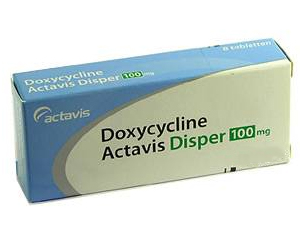
Doxycycline (Malaria)
View Options
This website provides general information about medicines for educational purposes only. Always consult your doctor or pharmacist before taking any medication.
Choose Your Medicine
Select dosage and quantity
Online Consultation
Reviewed by a qualified physician
Fast, Discreet Delivery
Delivered to your door
Medical Information
About This Medicine
Doxycycline used for malaria prophylaxis is a tetracycline antibiotic that is highly effective at preventing malaria when taken correctly before, during, and after travel to malaria-endemic regions. It is particularly recommended for travel to areas with high rates of chloroquine-resistant Plasmodium falciparum malaria, including sub-Saharan Africa, Southeast Asia, and parts of South America. Doxycycline is one of three first-line antimalarial prophylactic agents recommended by UK guidelines (alongside atovaquone/proguanil and mefloquine), and it has the advantage of being considerably less expensive than atovaquone/proguanil.
How Doxycycline Prevents Malaria
Doxycycline works by inhibiting bacterial protein synthesis, but it also has activity against the Plasmodium parasites that cause malaria. It does not prevent the initial liver-stage infection but is effective against the blood-stage parasites, preventing the clinical disease of malaria from developing. This means that doxycycline is a suppressive (causal blood-stage) rather than true causal prophylactic agent. As a result, it must be continued for four weeks after leaving a malaria-endemic area to ensure that any parasites that emerge from the liver into the bloodstream are eliminated.
The antimalarial action of doxycycline is thought to involve disruption of parasite mitochondrial electron transport, which is distinct from its antibacterial mechanism and explains its activity against a wide range of Plasmodium species.
Suitability and Practical Considerations
Doxycycline is suitable for most healthy adults and children aged 12 years and over. It is a good choice for travellers who need a cost-effective prophylactic option, those who prefer a once-daily tablet, and those travelling to destinations where atovaquone/proguanil may not provide full coverage. However, it requires a longer post-travel dosing period than atovaquone/proguanil and carries a risk of photosensitivity (increased susceptibility to sunburn), which must be considered for travellers who will spend extensive time in the sun. Gastrointestinal tolerability can also be an issue for some patients.
Usage & Dosage
When to Start and How to Take Doxycycline
Doxycycline for malaria prophylaxis should be started one to two days before entering the malaria-endemic area. This is one of the practical advantages over mefloquine, which must be started two to three weeks before travel, as it provides more flexibility for last-minute travellers. The tablet should be taken once daily, at the same time each day, and always with food or a full glass of water to reduce the risk of oesophageal irritation and nausea.
Doxycycline should be taken while in the malaria-endemic area and must be continued for a full four weeks after returning home. It is essential to complete the full four-week post-travel course; stopping early significantly increases the risk of malaria developing from liver-stage parasites. If you experience nausea or stomach discomfort, taking doxycycline with a meal rather than on an empty stomach usually helps.
Sun Protection and Practical Advice
Doxycycline causes photosensitivity, the skin becomes more vulnerable to burning on exposure to UV light, including strong sunlight. Travellers should apply high-SPF sunscreen (SPF 30 or above) daily, wear protective clothing, and avoid prolonged sun exposure during peak hours. Alcohol does not directly interact with doxycycline, but excessive alcohol consumption can impair immune function and may affect absorption. Doxycycline should not be taken with dairy products, antacids, or iron supplements within two hours of the dose, as these reduce its absorption.
The standard adult dose for malaria prophylaxis is 100mg once daily. The first dose should be taken one to two days before entering the malaria-endemic area, and treatment should continue throughout the period of risk and for four weeks after the last potential exposure. For children aged 12 years and over, the standard adult dose of 100mg once daily applies. Doxycycline is not recommended for malaria prophylaxis in children under 12 years.
Each dose should be taken with a full glass of water and with food to reduce the risk of oesophageal ulceration and nausea. Doxycycline must not be taken within two hours of antacids, calcium supplements, iron preparations, or dairy products, as these chelate the drug and substantially reduce its absorption. Dose adjustment is not required for patients with renal impairment. Patients with hepatic impairment should use doxycycline with caution. The maximum recommended prophylactic course duration is typically six months for continuous travel, after which medical review is advisable.
Side Effects
Common Side Effects
- Nausea, vomiting, or stomach upset (most common, take with food to reduce)
- Photosensitivity (sunburn more easily on sun-exposed skin)
- Oesophageal irritation or ulceration (take with plenty of water and remain upright)
- Diarrhoea
- Headache
- Vaginal thrush (yeast infection), doxycycline disrupts normal flora
- Skin rash
Serious Side Effects
- Severe photosensitivity reactions: blistering sunburn on minimal sun exposure
- Oesophageal ulceration: severe chest pain or difficulty swallowing, seek urgent medical advice; always take with a full glass of water and do not lie down for 30 minutes after taking
- Clostridium difficile-associated diarrhoea: persistent, watery, or bloody diarrhoea during or after antibiotic prophylaxis
- Severe allergic reactions: rash, facial swelling, difficulty breathing
- Raised intracranial pressure (benign intracranial hypertension): persistent severe headache and visual changes, rare but requires urgent assessment
Warnings & Precautions
Photosensitivity Warning
Doxycycline significantly increases sensitivity to ultraviolet light. This is one of the most practically important side effects for travellers, who are often exposed to intense sunlight in tropical and subtropical destinations. High-SPF sunscreen should be applied to all sun-exposed skin before going outdoors, protective clothing and hats should be worn, and prolonged sun exposure during peak UV hours (typically 10am to 3pm) should be avoided. Failure to take these precautions can result in severe sunburn, even with relatively brief exposure.
Doxycycline should always be taken with a full glass of water and the patient should remain upright (sitting or standing) for at least 30 minutes after taking the tablet. Lying down after swallowing doxycycline has been associated with oesophageal ulceration, a painful and potentially serious complication. For this reason, doxycycline should not be taken immediately before bed.
Drug Interactions and Contraindications
Doxycycline absorption is significantly reduced by antacids containing aluminium, magnesium, or calcium; by iron and zinc supplements; by dairy products; and by bismuth subsalicylate. These should be avoided within two hours of taking the dose. Doxycycline may reduce the effectiveness of combined oral contraceptives in theory, although current evidence does not strongly support a clinically meaningful interaction. Women taking oral contraceptives should continue their pill as normal but should use additional barrier contraception if they develop persistent diarrhoea or vomiting during the course.
Contraindications
- Hypersensitivity to doxycycline, other tetracyclines, or any excipient
- Pregnancy (at any stage -- tetracyclines can damage developing teeth and bones in the foetus)
- Breastfeeding (doxycycline passes into breast milk and may affect bone development)
- Children under 12 years of age (risk of permanent tooth discolouration and skeletal development effects)
- Severe hepatic impairment (relative contraindication -- use with caution)
- History of oesophageal stricture or motility disorders (risk of oesophageal injury)
- Myasthenia gravis (tetracyclines can worsen neuromuscular blockade)
Frequently Asked Questions
When should I start taking doxycycline before travelling to a malaria area?
Can I take doxycycline for malaria prevention if I am on the contraceptive pill?
What should I do if I vomit after taking doxycycline?
How does doxycycline compare to Malarone (atovaquone/proguanil) for malaria prevention?
Can doxycycline cause thrush (yeast infection)?
Dr. Ross Elledge
General Practitioner · General & Family Medicine
Verified Healthcare Professional
TopDoctors Profile