
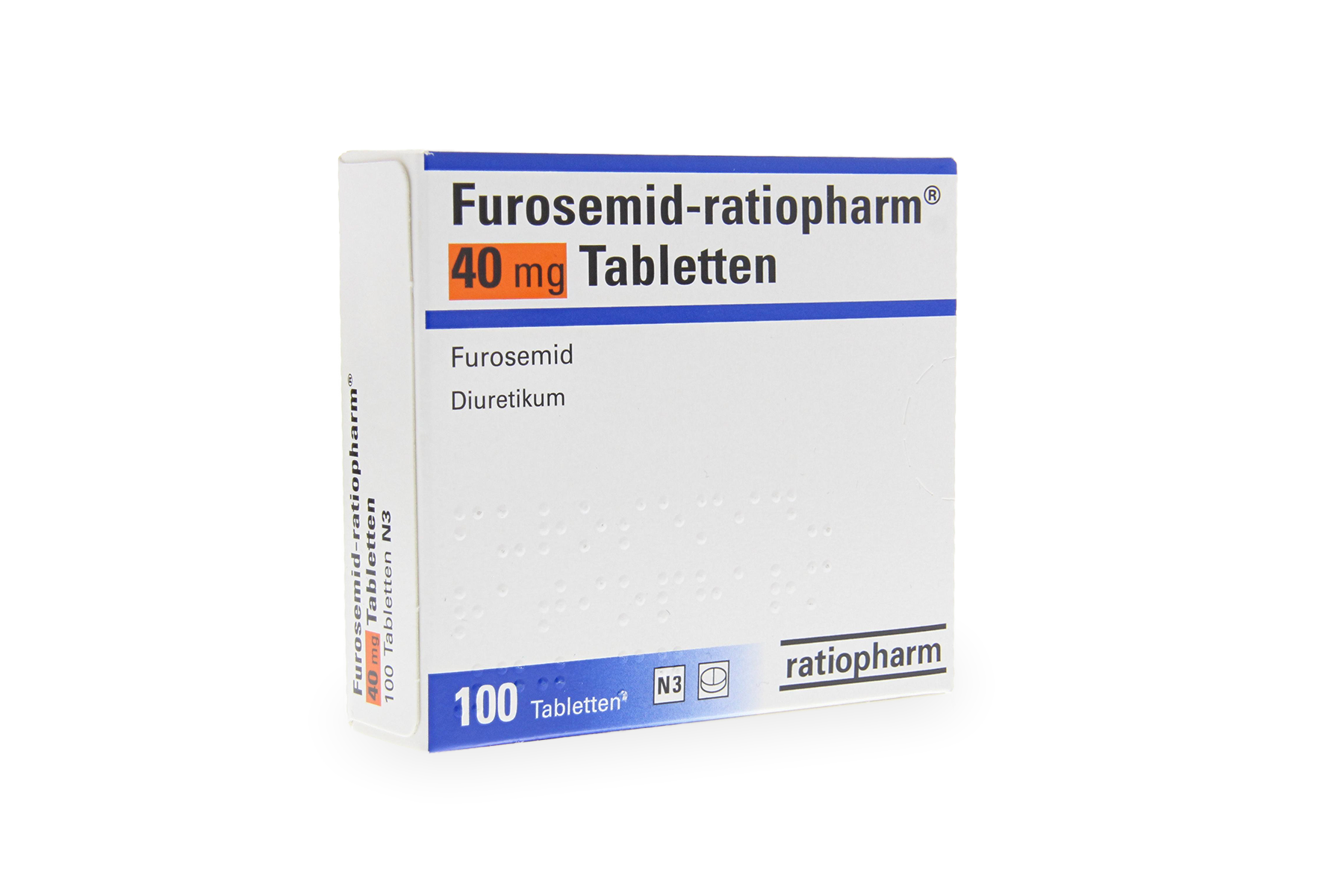
Furosemide
View Options
This website provides general information about medicines for educational purposes only. Always consult your doctor or pharmacist before taking any medication.
Choose Your Medicine
Select dosage and quantity
Online Consultation
Reviewed by a qualified physician
Fast, Discreet Delivery
Delivered to your door
Medical Information
About This Medicine
Furosemide is a potent loop diuretic used to treat fluid retention (oedema) associated with heart failure, liver cirrhosis, and kidney disease. It is also prescribed for the management of high blood pressure, either alone or in combination with other antihypertensives. Furosemide works by blocking the sodium-potassium-chloride co-transporter in the loop of Henle within the kidneys, preventing the reabsorption of sodium, chloride, and water.
The result is a significant increase in urine output, which reduces fluid overload and relieves symptoms such as swollen ankles, breathlessness, and abdominal distension. Furosemide acts rapidly, with diuresis beginning within 30 minutes of oral administration and lasting approximately four to six hours.
Usage & Dosage
How to Take Furosemide
Take furosemide in the morning or early afternoon to avoid the need to urinate during the night. Swallow the tablet whole with water. It can be taken with or without food, though food may slightly delay absorption. Follow your prescriber's instructions regarding fluid and salt intake.
If you are taking furosemide for heart failure, weigh yourself regularly and report any sudden weight gain (more than 2 kg in two to three days) to your doctor, as this may indicate worsening fluid retention.
The starting dose for oedema is usually 40 mg in the morning, which may be adjusted according to response. Some patients require doses of 80 mg or higher, given as a single dose or split between morning and lunchtime. For hypertension, lower doses of 20 mg to 40 mg daily may be sufficient. Dose adjustments are guided by clinical response, kidney function tests, and electrolyte monitoring.
Side Effects
Common Side Effects
Common side effects include:
- Increased urination (expected and intentional)
- Dehydration and thirst
- Dizziness or lightheadedness (especially on standing)
- Low blood pressure
- Electrolyte imbalances (particularly low potassium, sodium, and magnesium)
Low potassium (hypokalaemia) is a significant concern and may require potassium supplementation or a potassium-sparing diuretic. Symptoms of hypokalaemia include muscle cramps, weakness, and irregular heartbeat. Regular blood tests to monitor electrolytes and kidney function are essential during treatment.
Warnings & Precautions
Furosemide can cause significant dehydration and electrolyte disturbances if not monitored appropriately. Ensure adequate but not excessive fluid intake, and attend all scheduled blood tests. Report symptoms such as persistent thirst, muscle cramps, confusion, or irregular heartbeat to your prescriber.
Furosemide may interact with non-steroidal anti-inflammatory drugs (NSAIDs), which can reduce its diuretic effect and worsen kidney function. Lithium levels may increase when taken with furosemide, requiring careful monitoring.
Contraindications
Furosemide is contraindicated in patients with anuria (absence of urine production), severe hypovolaemia or dehydration, and known hypersensitivity to furosemide or sulfonamides. It should be used with caution in hepatic encephalopathy and during pregnancy.
Frequently Asked Questions
Why do I need regular blood tests while taking furosemide?
Can I take furosemide at bedtime?
Dr. Ross Elledge
General Practitioner · General & Family Medicine
Verified Healthcare Professional
TopDoctors Profile