
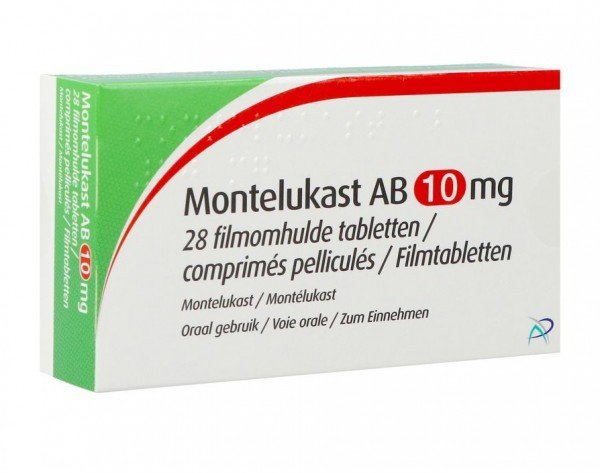
Montelukast
View Options
This website provides general information about medicines for educational purposes only. Always consult your doctor or pharmacist before taking any medication.
Choose Your Medicine
Select dosage and quantity
Online Consultation
Reviewed by a qualified physician
Fast, Discreet Delivery
Delivered to your door
Medical Information
About This Medicine
Montelukast is a leukotriene receptor antagonist (LTRA) used in the UK for the prevention and long-term treatment of asthma and for the relief of seasonal and perennial allergic rhinitis (hay fever). It works by blocking leukotriene receptors, reducing the inflammatory response that causes airway narrowing, nasal congestion, and allergic symptoms.
Asthma Management
In asthma, montelukast is used as an add-on treatment in patients whose symptoms are not adequately controlled by inhaled corticosteroids alone. It reduces the frequency of daytime symptoms, nighttime awakenings, and reliever inhaler use. It is particularly useful in patients with asthma triggered by exercise or aspirin.
Allergic Rhinitis
Montelukast effectively reduces nasal congestion, sneezing, itching, and rhinorrhoea in patients with seasonal allergic rhinitis (hay fever) and perennial allergic rhinitis (year-round symptoms). It is also indicated for patients who have both asthma and allergic rhinitis, since a single medication can manage both conditions.
Usage & Dosage
How to Take Montelukast
Take montelukast once daily in the evening. For asthma, the evening dose allows the medication to be active overnight when symptoms tend to worsen. For allergic rhinitis alone, timing is flexible but consistency matters. Swallow tablets whole with water.
Daily Prevention
Montelukast is a preventive treatment and must be taken every day to be effective, it is not a reliever and should not be used during an acute asthma attack. Continue taking it even when your symptoms are well controlled. The medication takes a few days to reach its full effect, so do not expect immediate results.
Montelukast is available as 10 mg film-coated tablets for adults and adolescents aged 15 and over, 5 mg chewable tablets for children aged 6 to 14 years, and 4 mg chewable tablets and oral granules for children aged 2 to 5 years. The standard adult dose is 10 mg once daily in the evening.
Side Effects
Common Side Effects
Montelukast is generally well tolerated. The most commonly reported side effects in adults include headache, abdominal pain, diarrhoea, nausea, and upper respiratory tract infections. These are usually mild and transient.
Neuropsychiatric Effects
There is an important safety communication from the MHRA regarding neuropsychiatric reactions associated with montelukast. These include agitation, aggression, anxiousness, depression, disorientation, disturbed attention, sleep disturbances, abnormal dreams, and, rarely, suicidal thoughts and behaviour. These effects can occur at any age. If you or a person in your care experiences any behavioural or mood changes during treatment, stop montelukast and contact your prescriber promptly. Risk should be carefully weighed in patients with a personal or family history of psychiatric illness.
Warnings & Precautions
Patients and carers must be informed of the neuropsychiatric risk associated with montelukast. The MHRA recommends that prescribers discuss these risks with patients and record that this discussion has taken place. Montelukast should not be used to treat acute bronchospasm; a short-acting bronchodilator (reliever inhaler) must always be available. Aspirin-sensitive asthma patients should continue to avoid aspirin and NSAIDs during montelukast therapy, as the drug does not block all leukotriene-mediated reactions to these agents.
Contraindications
Montelukast is contraindicated in patients with known hypersensitivity to montelukast sodium or any excipient. It is not indicated for the treatment of acute asthma episodes. Use with caution in patients with a history of psychiatric disorders.
Frequently Asked Questions
How long does montelukast take to work for hay fever?
Can children take montelukast?
Is montelukast the same as an antihistamine?
Dr. Ross Elledge
General Practitioner · General & Family Medicine
Verified Healthcare Professional
TopDoctors Profile