
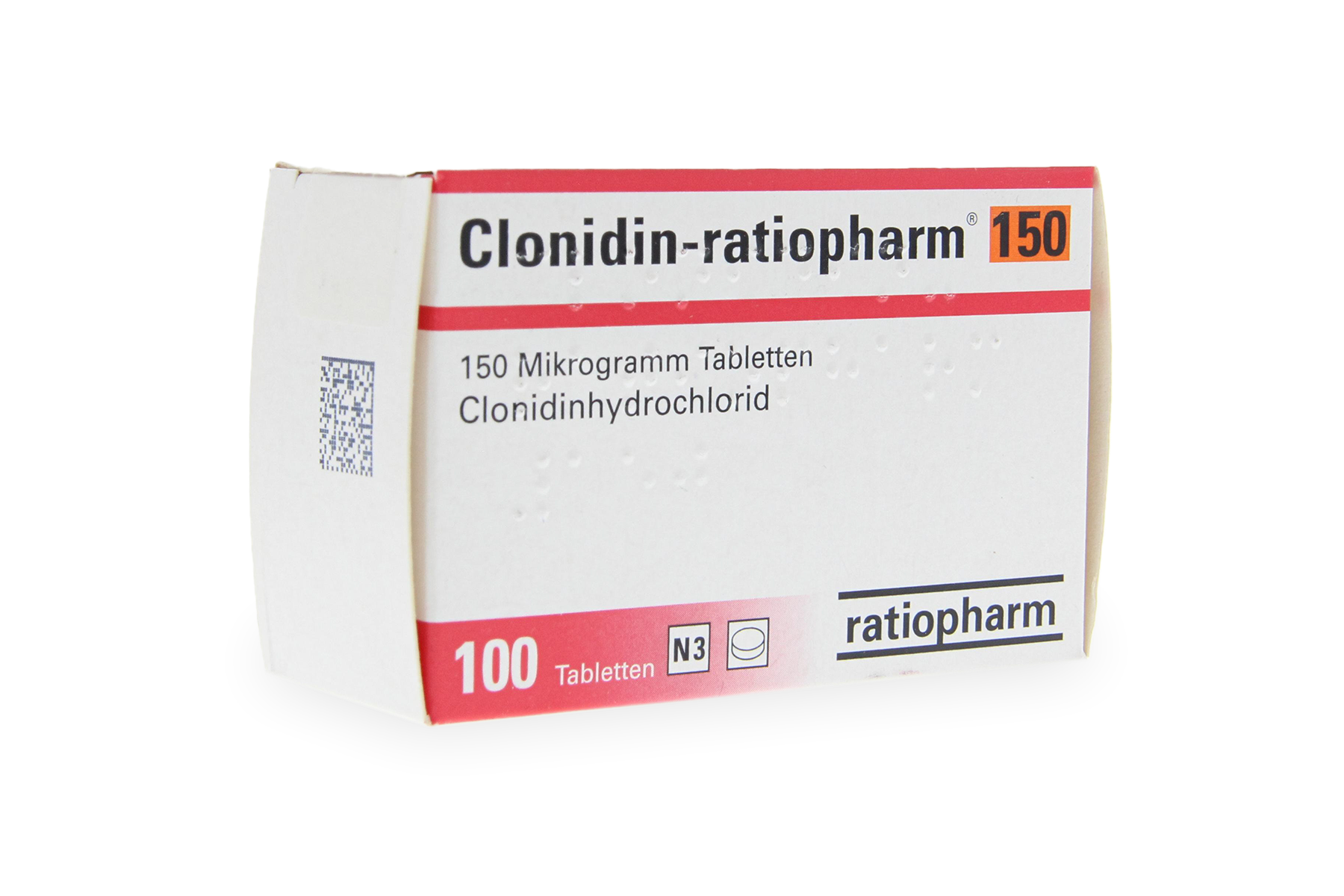
Clonidine
View Options
This website provides general information about medicines for educational purposes only. Always consult your doctor or pharmacist before taking any medication.
Choose Your Medicine
Select dosage and quantity
Online Consultation
Reviewed by a qualified physician
Fast, Discreet Delivery
Delivered to your door
Medical Information
About This Medicine
Clonidine is a centrally acting alpha-2 adrenergic agonist originally developed as a nasal decongestant but found to be a potent antihypertensive. Today it has a wide range of uses beyond blood pressure, including migraine prophylaxis, menopausal flushing, opioid withdrawal, and attention deficit hyperactivity disorder.
How does clonidine lower blood pressure?
Clonidine stimulates alpha-2 receptors in the brain stem, which reduces sympathetic outflow to the heart and blood vessels. The result is a decrease in heart rate, cardiac output, and peripheral vascular resistance. The central mechanism also explains its sedative properties and its effectiveness in reducing the hyperadrenergic symptoms of opioid and alcohol withdrawal.
Off-label uses
Clonidine is widely used off-label for menopausal hot flushes in women who cannot take HRT, for migraine prevention, as an adjunct in ADHD (particularly for hyperactivity and sleep difficulties), and for managing the sympathetic overdrive seen in substance withdrawal.
Usage & Dosage
How to Take Clonidine
Clonidine tablets are taken two to three times daily at evenly spaced intervals. Your doctor will start you on a low dose and increase gradually to minimise early side effects such as sedation and dry mouth. Take each tablet with a glass of water at the same times each day to help keep blood levels steady.
For high blood pressure, common doses range from 0.05 to 0.3 mg two to three times daily. For migraine prevention and menopausal flushing, lower doses are often used.
Do Not Stop Suddenly
Never stop clonidine abruptly. Abrupt withdrawal can cause a dangerous rebound hypertension crisis, with a rapid rise in blood pressure, severe headache, tremor, anxiety, and a fast heart rate. If you need to stop, your doctor will reduce the dose gradually over at least one week, sometimes longer. If you are running low on tablets, contact your doctor promptly to avoid running out.
Hypertension: start at 50 to 100 mcg twice daily, increase gradually to 300 to 1200 mcg daily in divided doses. Migraine prevention: 50 to 75 mcg twice daily. Menopausal flushing: 50 to 75 mcg twice daily.
Side Effects
Common Side Effects
- Dry mouth (very common)
- Drowsiness and sedation
- Dizziness or light-headedness
- Constipation
- Headache
- Low mood or depression
Managing Side Effects
Sedation and dry mouth are the most troublesome effects and are dose-dependent. They often improve after the first one to two weeks as your body adjusts. Chewing sugar-free gum or sipping water regularly can help with dry mouth. Avoid alcohol while taking clonidine, as it can intensify sedation and lower blood pressure further. Take care when driving or operating machinery, particularly at the start of treatment.
Warnings & Precautions
Never stop clonidine abruptly. Rebound hypertension can be severe and potentially dangerous, particularly at higher doses. Taper gradually over at least one to two weeks under medical supervision.
Sedation
Clonidine can impair alertness and reaction time. Use caution when driving or operating machinery, particularly during the initial dose titration period.
Contraindications
Contraindicated in severe bradyarrhythmias, known hypersensitivity to clonidine or any excipient. Use with caution in depression, Raynaud's disease, and cerebrovascular disease.
Frequently Asked Questions
Why is clonidine used for hot flushes?
Dr. Ross Elledge
General Practitioner · General & Family Medicine
Verified Healthcare Professional
TopDoctors Profile