
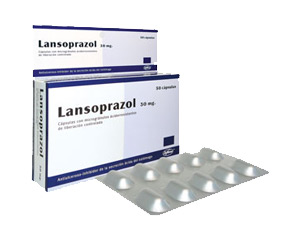
Lansoprazole
View Options
This website provides general information about medicines for educational purposes only. Always consult your doctor or pharmacist before taking any medication.
Choose Your Medicine
Select dosage and quantity
Online Consultation
Reviewed by a qualified physician
Fast, Discreet Delivery
Delivered to your door
Medical Information
About This Medicine
Lansoprazole is a proton pump inhibitor (PPI) that reduces the production of stomach acid by irreversibly blocking the hydrogen-potassium ATPase enzyme (the gastric proton pump) in the parietal cells of the stomach lining. It is one of the most widely prescribed PPIs in the UK and is used to treat a broad range of acid-related gastrointestinal conditions.
Conditions Treated
Lansoprazole is used for the treatment of gastro-oesophageal reflux disease (GORD), erosive oesophagitis, gastric and duodenal ulcers, Helicobacter pylori eradication (as part of combination antibiotic therapy), Zollinger-Ellison syndrome (a rare condition of excess acid production), and NSAID-associated gastric ulcers. It is also used for the prevention of gastric ulcers in patients taking NSAIDs long-term.
How It Differs from Antacids
Unlike antacids (which neutralise existing acid in the stomach), lansoprazole acts directly on the proton pump to prevent acid from being produced in the first place. This results in a more sustained and powerful reduction in acid secretion lasting up to 24 hours from a single dose.
Usage & Dosage
How to Take Lansoprazole
Take lansoprazole once daily, in the morning, 30 minutes before food (for standard-release capsules) to ensure maximum acid suppression during the first meal of the day. Swallow capsules whole with water; do not chew. Orodispersible tablets (Zoton FasTab) can be placed on the tongue to dissolve and swallowed with or without water.
Duration of Treatment
For acute peptic ulcer disease, treatment is typically four to eight weeks. For GORD, an initial eight-week course is usual. For long-term maintenance of GORD or prevention of NSAID-related ulcers, lower maintenance doses may be appropriate. Take the lowest effective dose for the shortest time necessary. Discuss ongoing need with your doctor if you have been taking a PPI for more than eight weeks.
Lansoprazole is available in 15 mg and 30 mg standard-release capsules and orodispersible tablets. Common doses: GORD — 30 mg once daily for up to 8 weeks; maintenance GORD — 15–30 mg once daily; duodenal ulcer — 30 mg once daily for 2–4 weeks; gastric ulcer — 30 mg once daily for 4–8 weeks; H. pylori eradication — 30 mg twice daily with antibiotics for 7 days. Dose reduction may be needed in severe hepatic impairment.
Side Effects
Common Side Effects
Lansoprazole is generally well tolerated. The most frequently reported side effects include headache, diarrhoea, nausea, abdominal pain, constipation, and flatulence. These are usually mild and do not require stopping treatment. Skin rash has been reported in a small number of patients.
Long-Term Use Considerations
Prolonged PPI use has been associated with several important effects. Hypomagnesaemia (low blood magnesium) can cause tetany, seizures, and cardiac arrhythmias; magnesium levels should be checked in patients on long-term PPIs. Hyponatraemia, vitamin B12 deficiency (due to reduced gastric acid needed for absorption), and increased risk of Clostridium difficile infection and pneumonia have been reported. Long-term PPI use may also slightly increase fracture risk.
Warnings & Precautions
Before starting PPI treatment, exclude the possibility of gastric malignancy, as PPIs may mask symptoms of gastric cancer. Do not use long-term PPIs without clear indication and regular review. If you develop new or worsening gastrointestinal symptoms during treatment, seek medical assessment. Consider monitoring magnesium levels in patients on long-term, high-dose PPI therapy.
Contraindications
Contraindicated in patients with known hypersensitivity to lansoprazole, other PPIs, or any excipient. Use with caution in severe hepatic impairment. Concurrent use with rilpivirine, atazanavir, or nelfinavir is contraindicated or not recommended due to significant drug interactions.
Frequently Asked Questions
How quickly does lansoprazole work?
Can I take lansoprazole every day long-term?
Is there a difference between lansoprazole and omeprazole?
Dr. Ross Elledge
General Practitioner · General & Family Medicine
Verified Healthcare Professional
TopDoctors Profile