
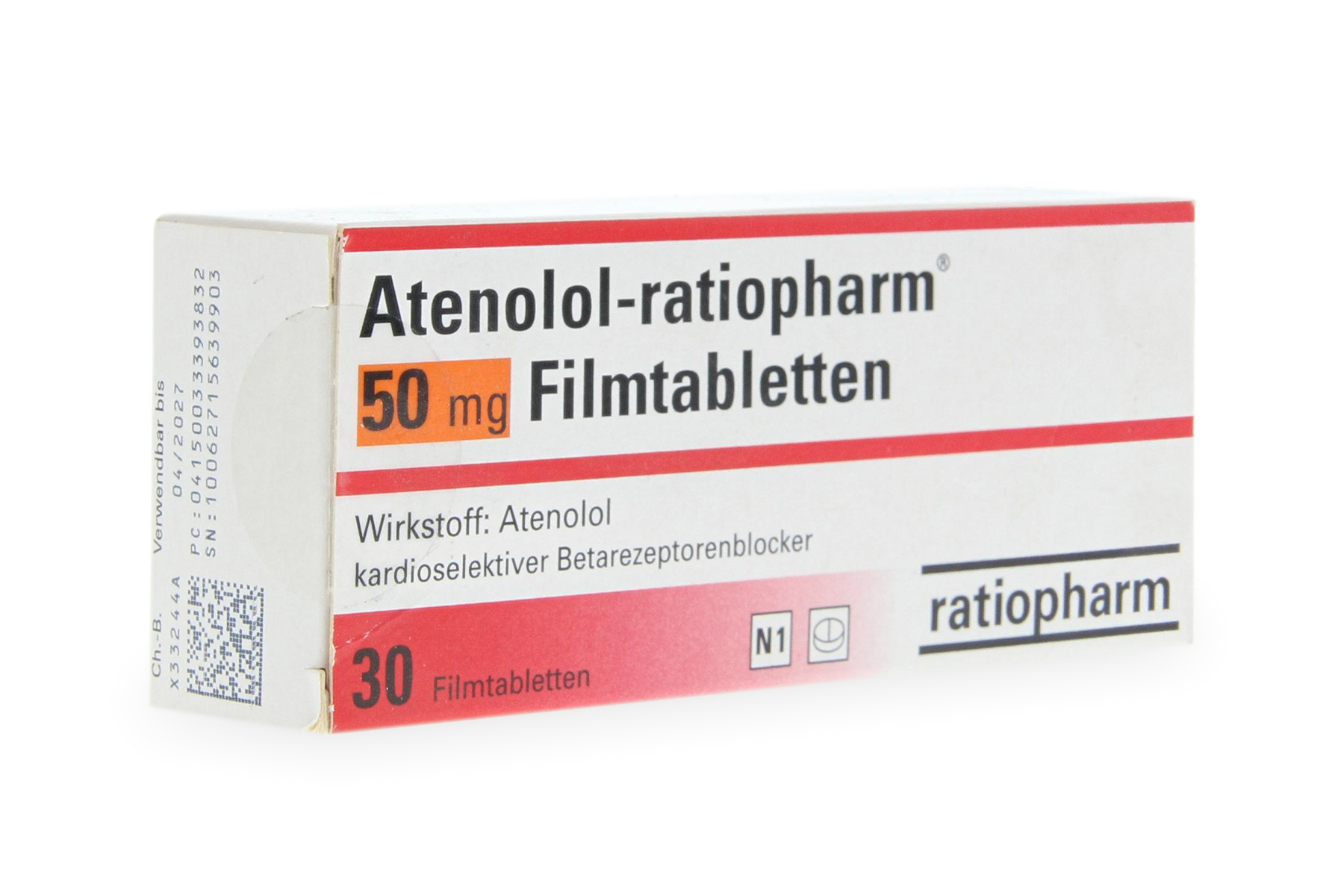
Atenolol
View Options
This website provides general information about medicines for educational purposes only. Always consult your doctor or pharmacist before taking any medication.
Choose Your Medicine
Select dosage and quantity
Online Consultation
Reviewed by a qualified physician
Fast, Discreet Delivery
Delivered to your door
Medical Information
About This Medicine
Atenolol is a cardioselective beta-1 adrenergic receptor blocker used in the management of hypertension (high blood pressure), angina pectoris (chest pain), and certain cardiac arrhythmias. It belongs to the beta-blocker class of medicines and is one of the most widely prescribed cardiovascular drugs in the UK. Atenolol works by selectively blocking beta-1 adrenergic receptors in the heart, reducing heart rate and the force of cardiac contraction, thereby lowering blood pressure and the oxygen demand of the heart muscle.
Conditions Treated with Atenolol
Atenolol is used primarily for the treatment of hypertension, where it lowers blood pressure and reduces the risk of cardiovascular complications such as stroke and heart attack when used as part of a comprehensive treatment programme. In angina, atenolol reduces the frequency and severity of episodes by decreasing the heart's workload. For arrhythmias, including supraventricular tachycardia and atrial fibrillation, atenolol slows the ventricular rate and can help restore and maintain normal rhythm. It is also used following myocardial infarction (heart attack) to reduce cardiac mortality and the risk of further events.
Key Considerations for Patients
Atenolol is a long-established medicine with a well-characterised safety profile, but it must be used carefully in certain patient groups. Its cardioselectivity means it has less effect on beta-2 receptors in the lungs than non-selective beta-blockers, but it can still cause bronchoconstriction at higher doses, making it potentially problematic in patients with asthma or significant chronic obstructive pulmonary disease. Atenolol must never be stopped abruptly, as sudden withdrawal can precipitate rebound hypertension, angina, and, in susceptible patients, myocardial infarction. Any dose reduction should be gradual and supervised by a doctor.
Usage & Dosage
How to Take Atenolol
Atenolol tablets should be swallowed whole with water. They can be taken with or without food, though taking them at a consistent time each day helps maintain steady blood levels and supports adherence. For most indications, atenolol is taken once daily in the morning. In some patients, twice-daily dosing may be used. Take atenolol at the same time(s) each day, as directed by your doctor.
Do not crush or chew atenolol tablets if a specific modified release formulation is dispensed, though standard immediate release tablets may be halved if prescribed in half-tablet doses.
Missed Dose and Stopping Treatment
If you miss a dose of atenolol, take it as soon as you remember, provided it is not close to the time of your next scheduled dose. If it is nearly time for your next dose, skip the missed dose entirely and take the next one at the usual time. Do not take a double dose to compensate for a missed one.
Never stop taking atenolol suddenly without speaking to your doctor. Abrupt withdrawal can cause a dangerous rebound increase in heart rate and blood pressure, and in patients with coronary artery disease, it can trigger unstable angina or a heart attack. If atenolol needs to be discontinued, your doctor will reduce the dose gradually over one to two weeks while monitoring you closely.
For hypertension, the usual starting dose of atenolol is 25-50 mg once daily. If blood pressure is not adequately controlled, the dose may be increased to 100 mg once daily. Higher doses (above 100 mg daily) are not associated with additional blood pressure reduction and increase the risk of side effects.
For angina, the dose is typically 50-100 mg once daily. In some patients, 200 mg may be used under specialist supervision.
For arrhythmias, doses range from 50 to 100 mg daily in one or two divided doses.
In elderly patients, lower starting doses (25 mg once daily) are recommended due to increased sensitivity to bradycardia, hypotension, and the risk of falls.
Atenolol is renally excreted and dose reduction is required in renal impairment. For patients with a creatinine clearance of 15-35 ml/min, the maximum dose is 50 mg daily. For those with creatinine clearance below 15 ml/min, or those on dialysis, the maximum dose is 25 mg daily or 50 mg every other day.
No specific dose adjustment is required for hepatic impairment, as atenolol undergoes minimal hepatic metabolism.
Side Effects
Atenolol is generally well tolerated, particularly in patients without respiratory disease, but it has a recognised side effect profile related to its beta-blocking pharmacological action.
Common Side Effects
The following side effects occur in a meaningful proportion of patients taking atenolol:
- Bradycardia (slow heart rate), which may cause tiredness, light-headedness, or dizziness
- Cold hands and feet (peripheral vasoconstriction)
- Fatigue and reduced exercise tolerance
- Sleep disturbances (less common than with lipophilic beta-blockers like propranolol)
- Mild depression or low mood
- Nausea or gastrointestinal upset
- Dry eyes or visual disturbances
Serious Side Effects
The following serious adverse effects require prompt medical attention:
- Bronchospasm: worsening breathlessness or wheeze, particularly in patients with asthma or COPD; seek urgent medical review
- Heart block or severe bradycardia: very slow or irregular heartbeat, collapse, or loss of consciousness
- Worsening of heart failure: increasing breathlessness, leg swelling, or orthopnoea
- Severe allergic reaction: rash, swelling, difficulty breathing
- Rebound hypertension or angina on abrupt withdrawal: symptoms of chest pain or rapidly rising blood pressure after stopping atenolol suddenly
- Raynaud's phenomenon: extreme sensitivity to cold causing fingers or toes to turn white, blue, and then red
Warnings & Precautions
Respiratory Disease and Withdrawal
Atenolol should be used with extreme caution in patients with asthma or significant COPD. Although it is cardioselective, at higher doses it can cause clinically significant bronchoconstriction in susceptible individuals, potentially precipitating a severe asthma attack. In patients with mild, well-controlled asthma in whom atenolol is considered necessary, very low doses may be used under close specialist supervision with a bronchodilator available. Atenolol is generally considered contraindicated in active or poorly controlled asthma. Never stop atenolol suddenly. Abrupt withdrawal, even after several days of treatment, can trigger severe rebound hypertension, tachycardia, angina, and potentially myocardial infarction in patients with underlying coronary artery disease. Always taper the dose gradually.
Diabetes, Thyroid Disease, and Drug Interactions
Atenolol can mask the symptoms of hypoglycaemia (particularly tachycardia), making blood sugar monitoring more difficult in patients with diabetes, particularly those on insulin. Sweating is not masked by beta-blockers and remains a useful hypoglycaemia indicator. Atenolol can also mask the signs of thyrotoxicosis (hyperthyroidism), and abrupt withdrawal in patients with thyroid disease can precipitate thyroid storm. Concurrent use with verapamil or diltiazem (calcium channel blockers) can cause severe bradycardia and heart block and is generally contraindicated. Atenolol taken in pregnancy, particularly in the third trimester, has been associated with intrauterine growth restriction and neonatal bradycardia.
Contraindications
Atenolol is contraindicated in the following circumstances:
- Cardiogenic shock
- Decompensated heart failure
- Second or third degree heart block (in the absence of a functioning pacemaker)
- Sick sinus syndrome
- Severe peripheral arterial circulatory disturbances
- Untreated phaeochromocytoma
- Active asthma or severe chronic obstructive pulmonary disease
- Severe bradycardia (resting heart rate below 45-50 beats per minute)
- Uncontrolled hypotension (systolic blood pressure below 90 mmHg)
- Severe Raynaud's disease or critical limb ischaemia
- Hypersensitivity to atenolol or any excipient in the formulation
- Metabolic acidosis
Frequently Asked Questions
Can I take atenolol if I have asthma?
What happens if I stop taking atenolol suddenly?
Will atenolol make me feel tired?
Can I drink alcohol while taking atenolol?
Is atenolol safe during pregnancy?
Dr. Ross Elledge
General Practitioner · General & Family Medicine
Verified Healthcare Professional
TopDoctors Profile