
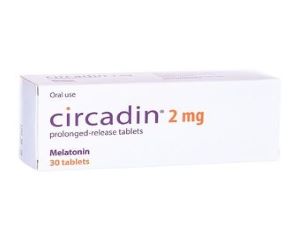
Circadin
View Options
This website provides general information about medicines for educational purposes only. Always consult your doctor or pharmacist before taking any medication.
Choose Your Medicine
Select dosage and quantity
Online Consultation
Reviewed by a qualified physician
Fast, Discreet Delivery
Delivered to your door
Medical Information
About This Medicine
Circadin is a prolonged-release formulation of melatonin, licensed for the short-term treatment of primary insomnia in adults aged 55 and over. It releases melatonin gradually over the night, mimicking the natural secretion pattern that declines with age.
Why does melatonin decline with age?
Melatonin is produced by the pineal gland in response to darkness and plays a central role in regulating the sleep-wake cycle. Its secretion diminishes significantly with age, which is thought to contribute to the sleep difficulties experienced by many older adults. Circadin supplements this declining endogenous production.
How does Circadin differ from immediate-release melatonin?
Immediate-release melatonin produces a brief spike in blood levels that wears off within a few hours, whereas Circadin's prolonged-release technology maintains melatonin levels throughout the night, improving both sleep onset and sleep maintenance. This sustained profile more closely resembles the natural physiological pattern.
Usage & Dosage
How to Take Circadin
Take one Circadin tablet one to two hours before bedtime, after food. Swallow the tablet whole and do not crush, break, or chew it, doing so would destroy the prolonged-release mechanism and release all of the melatonin at once.
Sleep Hygiene Tips
Circadin works best alongside good sleep habits: a consistent bedtime and wake time, a cool and dark bedroom, avoiding screens in the hour before bed, and limiting caffeine after midday. Melatonin helps regulate the sleep-wake cycle but is most effective when combined with good sleep routines.
2 mg once daily, one to two hours before bedtime, after food. Treatment duration: up to thirteen weeks. The prescriber may recommend a shorter initial course to assess response.
Side Effects
Common Side Effects
Circadin is generally very well tolerated. Side effects are uncommon:
- Headache
- Runny nose (nasopharyngitis)
- Back or joint pain
- Mild drowsiness the next morning (uncommon at the 2 mg dose)
If next-morning drowsiness is noticeable, try taking the tablet slightly earlier in the evening. Circadin is not associated with dependence or withdrawal effects and is safe to stop at any time.
Warnings & Precautions
Circadin may cause drowsiness. Avoid activities requiring full alertness (such as driving) if you feel drowsy the morning after taking it. Autoimmune conditions may theoretically be affected by melatonin's immunomodulatory properties, though clinical significance is uncertain.
Not for all insomnia
Circadin is licensed specifically for primary insomnia in older adults. Insomnia secondary to other conditions (depression, pain, sleep apnoea) should have the underlying cause addressed first.
Contraindications
Contraindicated in known hypersensitivity to melatonin or any excipient. Use with caution in autoimmune diseases and epilepsy.
Frequently Asked Questions
Is Circadin the same as the melatonin supplements sold in health shops?
Dr. Ross Elledge
General Practitioner · General & Family Medicine
Verified Healthcare Professional
TopDoctors Profile