
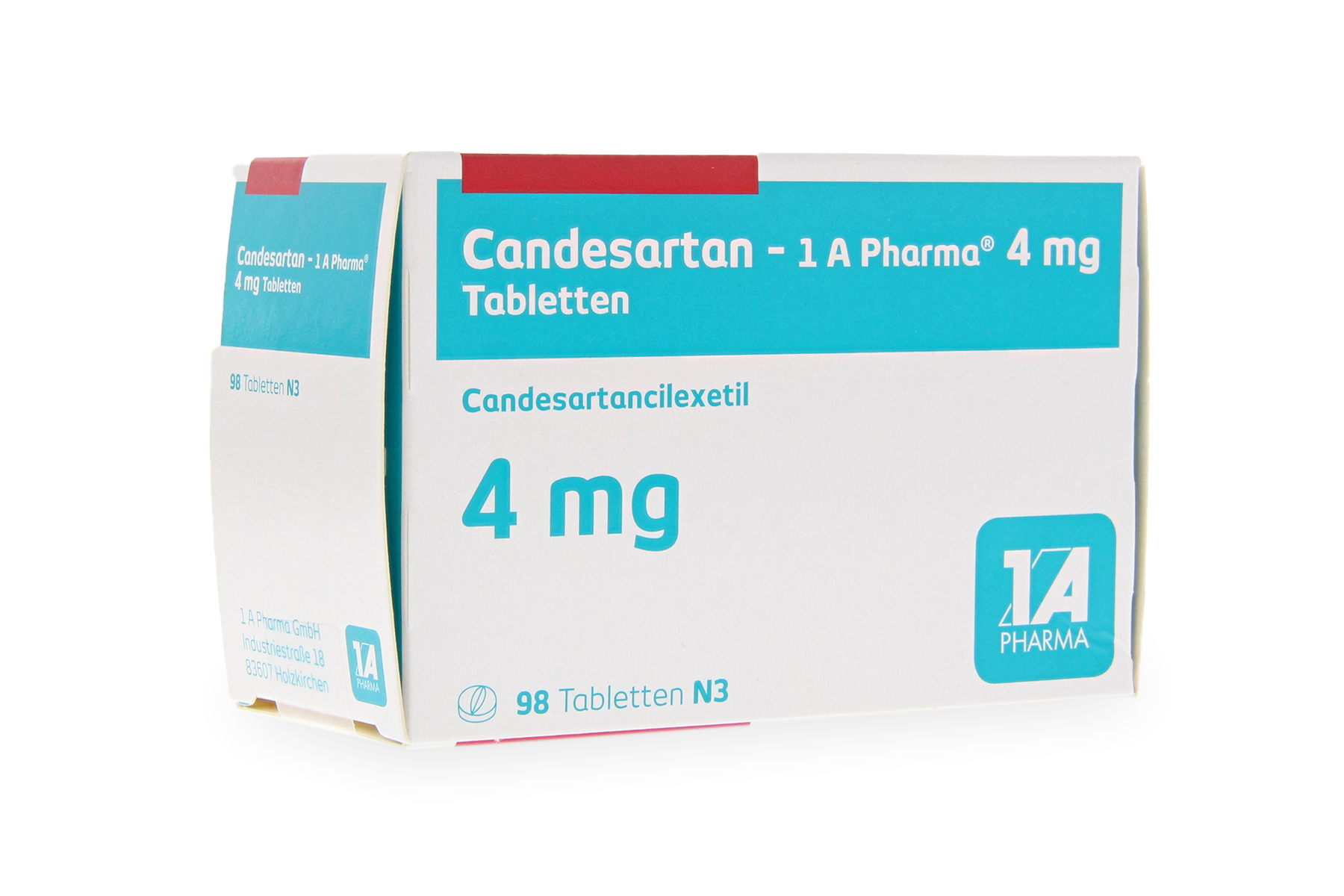
Candesartan
View Options
This website provides general information about medicines for educational purposes only. Always consult your doctor or pharmacist before taking any medication.
Choose Your Medicine
Select dosage and quantity
Online Consultation
Reviewed by a qualified physician
Fast, Discreet Delivery
Delivered to your door
Medical Information
About This Medicine
Candesartan is a prescription antihypertensive medicine belonging to the class of drugs known as angiotensin II receptor blockers (ARBs). It is used primarily to treat high blood pressure (hypertension) and heart failure, and in some patients with type 2 diabetes, to slow the progression of diabetic kidney disease (diabetic nephropathy). By relaxing and widening blood vessels, candesartan reduces the workload on the heart and helps to lower blood pressure to healthier levels.
Conditions Candesartan Treats
In hypertension, candesartan is effective as both a first-line treatment and as part of combination therapy alongside other antihypertensive agents such as calcium channel blockers, diuretics, or beta-blockers. Controlling blood pressure reduces the risk of serious cardiovascular events including stroke, heart attack, and kidney damage. In heart failure with reduced ejection fraction, candesartan is used to reduce hospitalisation and mortality by reducing the harmful effects of angiotensin II on the heart and vasculature.
In patients with type 2 diabetes and established hypertension or microalbuminuria (early kidney damage), candesartan has been shown to reduce proteinuria and slow the decline of renal function, making it a valuable tool in the prevention of end-stage renal disease in this patient group.
How Candesartan Works
The renin-angiotensin-aldosterone system (RAAS) plays a central role in regulating blood pressure and fluid balance. Angiotensin II is a potent vasoconstrictor produced within this system that binds to AT1 receptors in blood vessel walls, causing them to constrict and raising blood pressure. Candesartan competitively and selectively blocks the AT1 receptor, preventing angiotensin II from exerting its vasoconstrictive effects. This leads to vasodilation, a reduction in aldosterone secretion, and a consequent fall in blood pressure. Unlike ACE inhibitors, candesartan does not inhibit the enzyme that breaks down bradykinin, which means it does not cause the persistent dry cough associated with that drug class.
Usage & Dosage
How to Take Candesartan
Candesartan tablets are taken once daily and can be taken with or without food. Swallow the tablet whole with a glass of water. Taking it at the same time each day helps maintain steady blood levels and makes it easier to remember. Many people find the morning convenient, though evening is equally effective.
Have your blood pressure checked regularly, especially in the first few weeks as your dose is being established. Common starting doses are 4 to 8 mg daily for high blood pressure, rising to a maximum of 32 mg daily if needed.
Long-term Use
Candesartan is a long-term medication. Do not stop taking it because you feel well — blood pressure control often shows no obvious symptoms, but the protection it provides against stroke, heart attack, and kidney disease is ongoing. Avoid potassium supplements or potassium-containing salt substitutes unless your doctor has specifically advised them, as candesartan can raise potassium levels.
The recommended starting dose of candesartan for hypertension is 8mg once daily, which may be increased to 16mg once daily after four weeks if blood pressure is not adequately controlled. The maximum approved dose for hypertension is 32mg once daily. In older patients or those with renal impairment, treatment is often started at a lower dose of 4mg.
For heart failure, the initial dose is 4mg once daily, titrated at two-weekly intervals towards a target dose of 32mg once daily, depending on tolerability (particularly blood pressure and renal function). In patients with volume depletion or renal impairment, lower starting doses and careful titration are essential.
Candesartan is not recommended for use in severe hepatic impairment. In mild to moderate hepatic impairment, a starting dose of 4mg is recommended. Renal function, serum potassium, and blood pressure should be monitored at regular intervals during treatment, particularly in the early stages and after any dose adjustment.
Side Effects
Common Side Effects
Candesartan is generally well tolerated. The most frequently reported effects include:
- Dizziness or light-headedness, especially when standing up quickly (postural hypotension)
- Headache
- Upper respiratory tract infections
- Back pain
- Raised blood potassium levels (hyperkalaemia)
Important Warnings
Tell your doctor immediately if you experience swelling of the face, lips, tongue, or throat (angioedema) — this is rare but serious and requires stopping the medication. Kidney function and potassium levels should be checked periodically during treatment, especially if you are also taking ACE inhibitors, NSAIDs, or potassium-sparing diuretics.
Warnings & Precautions
Monitoring Requirements
Candesartan can raise serum potassium levels (hyperkalaemia) and affect kidney function, particularly in patients with pre-existing renal impairment, diabetes, or heart failure, and in those taking other medicines that affect potassium (such as potassium-sparing diuretics, potassium supplements, or trimethoprim). Regular blood tests to check kidney function and serum potassium are an important part of monitoring during treatment.
Candesartan can cause a reduction in renal function in patients who have bilateral renal artery stenosis or stenosis of a single functioning kidney, and should be used with great caution or avoided in these patients. Any significant unexplained decline in renal function during treatment should prompt review and possibly discontinuation.
Pregnancy - Critical Warning
Candesartan must not be used during pregnancy. ARBs are teratogenic and fetotoxic, particularly from the second trimester onwards. Exposure during pregnancy can cause foetal kidney failure, reduced amniotic fluid (oligohydramnios), limb contractures, skull deformities, and death. Women of childbearing potential should use effective contraception during treatment. If pregnancy is confirmed, candesartan should be discontinued immediately and an alternative antihypertensive medication started. Breastfeeding is also not recommended during treatment.
Contraindications
Candesartan must not be used in patients with any of the following:
- Pregnancy (any trimester) - causes serious foetal harm
- Known hypersensitivity to candesartan, candesartan cilexetil, or any excipient in the formulation
- Severe hepatic impairment or cholestasis
- Concomitant use with aliskiren-containing medicines in patients with diabetes or renal impairment
- History of angioedema related to previous ARB or ACE inhibitor therapy
- Breastfeeding (insufficient data on infant safety)
- Children under 1 year of age (safety not established)
- Concomitant use with an ACE inhibitor is not recommended due to increased risk of hypotension, hyperkalaemia, and renal impairment
Frequently Asked Questions
Can I take candesartan if I am already taking lisinopril or another ACE inhibitor?
Why does candesartan not cause the cough that ACE inhibitors can?
How long will I need to take candesartan?
Is candesartan safe to take with ibuprofen or other anti-inflammatory painkillers?
What should I do if I become pregnant while taking candesartan?
Dr. Ross Elledge
General Practitioner · General & Family Medicine
Verified Healthcare Professional
TopDoctors Profile