
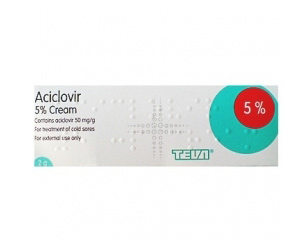
Aciclovir Cream
View Options
This website provides general information about medicines for educational purposes only. Always consult your doctor or pharmacist before taking any medication.
Choose Your Medicine
Select dosage and quantity
Online Consultation
Reviewed by a qualified physician
Fast, Discreet Delivery
Delivered to your door
Medical Information
About This Medicine
Aciclovir cream is a topical antiviral preparation used to treat cold sores (herpes labialis) caused by the herpes simplex virus (HSV). It is available over the counter in UK pharmacies and is one of the most commonly purchased treatments for this highly prevalent condition, which affects a significant proportion of the population. The cream is designed for application directly to the affected area of skin around the lips or face.
How the Cream Treats Cold Sores
Cold sores are caused by herpes simplex virus type 1 (HSV-1), which remains dormant in nerve cells between outbreaks and reactivates in response to triggers such as stress, fatigue, sunlight exposure, illness, or hormonal changes. When applied to the skin at the first sign of a cold sore, aciclovir cream penetrates the outer layers of the skin and reaches the infected cells beneath. Inside these cells, it is activated by a viral enzyme and converts to a form that blocks the virus from replicating, thereby limiting the extent and duration of the outbreak.
Timing and Effectiveness
The effectiveness of aciclovir cream depends heavily on how early it is applied. Treatment should ideally begin at the prodromal stage, when the characteristic tingling, itching, or burning sensation is felt but before any visible blisters appear. Starting treatment at this point can reduce healing time by one to two days and may in some cases prevent the blister from fully forming. Once blisters have crusted over, the cream provides limited additional benefit, though it may still help prevent secondary bacterial infection and support skin healing.
Who Should Use Aciclovir Cream
Aciclovir cream is suitable for adults and children aged 12 and over for self-treatment of cold sores. Individuals with frequent, severe, or widespread cold sores, or those who are immunocompromised, should consult a doctor, as oral aciclovir may be more appropriate. The cream is for external use on the lips and surrounding facial skin only and must not be applied inside the mouth, eyes, or genitals.
Usage & Dosage
When and How to Apply
Apply aciclovir cream at the very first sign of a cold sore. The prodromal stage, when you first notice tingling, itching, or a burning feeling on or around the lip, is the best time to begin treatment. Apply a thin layer of cream to cover the affected area and the surrounding skin. Use a clean fingertip or a cotton bud to apply the cream, and wash your hands thoroughly before and after each application to avoid spreading the virus.
Apply the cream five times a day at roughly four-hourly intervals while awake. Continue for five days. If healing is not occurring after five days, or if the cold sore is unusually large or painful, consult a pharmacist or doctor. Do not cover the treated area with a plaster or occlusive dressing.
Additional Precautions During Use
Avoid touching or rubbing the cold sore unnecessarily, as this can spread the virus to other parts of the face or to other people. Do not share towels, lip balm, cutlery, or drinking vessels during an active cold sore. Sun exposure can trigger or worsen cold sores; using a high-SPF lip balm during and between outbreaks may help reduce recurrences.
Aciclovir 5% cream is applied topically five times daily, at approximately four-hour intervals during waking hours (for example, at 7am, 11am, 3pm, 7pm, and 11pm). Each application should cover the cold sore and a small margin of surrounding skin.
Treatment duration is five days. If the cold sore has not healed after five days, medical advice should be sought rather than extending self-treatment indefinitely. In cases of recurrence, a new five-day course should be started at the onset of each episode.
There are no dose adjustments required for renal or hepatic impairment when using the topical formulation, as systemic absorption from the skin is minimal and clinically insignificant in healthy adults. Elderly patients may use the cream at the same dosage as younger adults without adjustment. Children aged 12 and over may use the cream as directed; it is not licensed for self-treatment in children under 12, who should be seen by a doctor. The cream is for external use only and should not be ingested.
Side Effects
Common Side Effects
Aciclovir cream is generally well tolerated. The most frequently reported local effects include:
- Mild burning, stinging, or itching at the application site, particularly on first application
- Temporary redness or mild skin irritation around the treated area
- Drying or flaking of the skin at the site of application
- A transient warm sensation immediately after applying the cream
These effects are usually mild and self-limiting. If skin irritation is severe or persistent, discontinue use and seek advice from a pharmacist or doctor.
Serious Side Effects
Serious adverse reactions to topical aciclovir cream are rare due to its minimal systemic absorption, but the following warrant medical attention:
- Severe or worsening skin rash at the application site, which could indicate a contact allergy
- Blistering, peeling, or ulceration of the skin beyond the cold sore area, which may suggest a different skin condition or adverse reaction
- Signs of allergic contact dermatitis, such as spreading redness, swelling, or intense itching over a wider area of the face
- Swelling of the lips, face, or throat, which may indicate a systemic allergic reaction and requires urgent medical review
If the cold sore worsens significantly despite treatment, spreads to the eye area, or is accompanied by fever or difficulty swallowing, consult a doctor promptly, as these may indicate a more severe or complicated infection.
Warnings & Precautions
Important Safety Information
Aciclovir cream is for external use on the skin only. It must not be applied inside the mouth, in or around the eyes, or to the genital area. If accidental eye contact occurs, rinse thoroughly with clean water and seek medical advice. The cream contains propylene glycol, which may cause skin irritation in some individuals. It also contains cetostearyl alcohol, which may cause local skin reactions such as contact dermatitis.
Pregnancy and Breastfeeding
Systemic absorption from topical aciclovir cream is negligible, so exposure to an unborn baby or through breast milk is considered to be extremely low. Nevertheless, pregnant or breastfeeding women should consult a pharmacist or doctor before use, particularly for prolonged or repeated courses. The cream should be applied carefully to avoid accidental transfer to the nipple area if breastfeeding, as infants should not ingest aciclovir cream.
Do not apply the cream to mucous membranes or broken skin beyond the cold sore lesion itself. The cream is not effective against bacterial infections; if there are signs of secondary bacterial infection of a cold sore, such as spreading redness, warmth, swelling, or pus, seek medical advice rather than self-treating with aciclovir cream.
Contraindications
Aciclovir cream should not be used in the following circumstances:
- Known hypersensitivity or allergy to aciclovir, valaciclovir, propylene glycol, or any other ingredient in the formulation
- Application to mucous membranes (inside the mouth, nose, eyes, or genitals)
- Application to broken or severely inflamed skin outside the cold sore area
- Use in children under 12 years of age without medical supervision
- Self-treatment of cold sores in immunocompromised patients (such as those with HIV, those on chemotherapy, or organ transplant recipients), who should seek medical advice for appropriate antiviral therapy
- Use as a substitute for medical evaluation when cold sores are atypically large, frequently recurring, or spreading to unusual sites such as around the eye (herpetic keratitis requires specialist treatment)
- Patients with rare galactose intolerance or similar conditions related to specific cream excipients should review the full ingredients list with a clinician
Frequently Asked Questions
How soon should I apply aciclovir cream when I feel a cold sore coming?
Can I use aciclovir cream on cold sores that have already blistered?
Can I use aciclovir cream during pregnancy?
Will aciclovir cream prevent me from spreading cold sores to others?
How many times a day should I use aciclovir cream?
Dr. Ross Elledge
General Practitioner · General & Family Medicine
Verified Healthcare Professional
TopDoctors Profile