
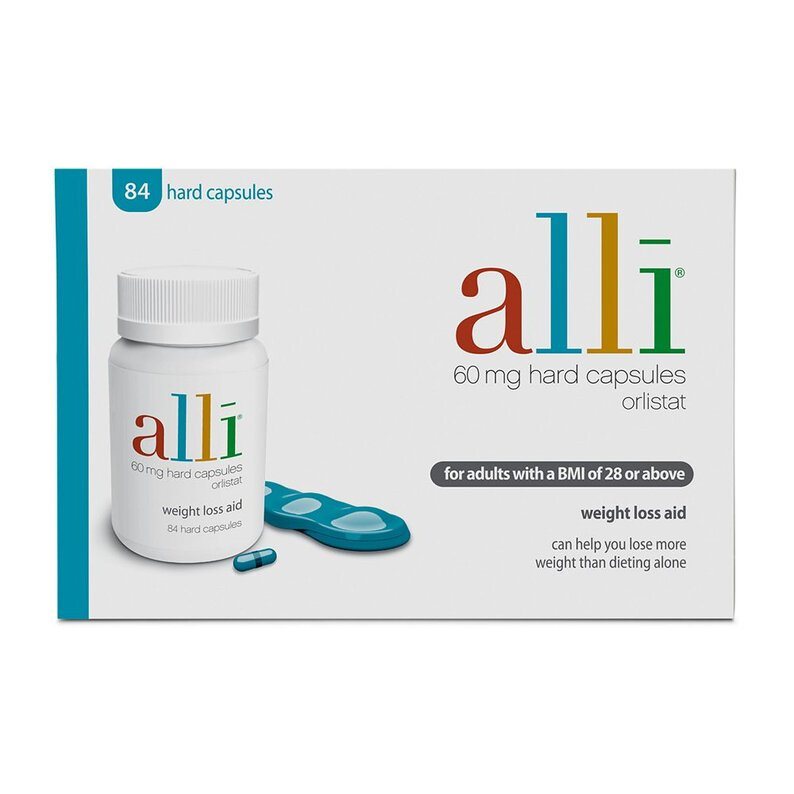
Alli
View Options
This website provides general information about medicines for educational purposes only. Always consult your doctor or pharmacist before taking any medication.
Choose Your Medicine
Select dosage and quantity
Online Consultation
Reviewed by a qualified physician
Fast, Discreet Delivery
Delivered to your door
Medical Information
About This Medicine
Alli is an over-the-counter weight management medicine containing orlistat 60mg per capsule. It is available without a prescription from UK pharmacies for adults aged 18 and over with a body mass index (BMI) of 28 or above. Alli works in conjunction with a reduced-calorie, lower-fat diet and regular exercise to help adults lose weight more effectively than lifestyle changes alone. It is the only weight loss medicine currently available without a prescription in the UK, making it a widely accessible option for those seeking additional support with weight management.
The Challenge of Weight Management
Overweight and obesity are significant public health concerns associated with an increased risk of type 2 diabetes, cardiovascular disease, certain cancers, osteoarthritis, and sleep apnoea. Despite widespread awareness of healthy eating and physical activity, many people find sustained weight loss very difficult to achieve and maintain through diet and exercise alone. Alli is intended to support, not replace, lifestyle changes, and works best when used within a comprehensive weight management programme that includes a low-calorie, low-fat diet.
How Alli Supports Weight Loss
Alli prevents approximately 25% of the fat eaten from being absorbed by the body. Fat that is not absorbed passes through the intestines and is excreted in the stool. This creates a caloric deficit beyond what is achieved through diet alone, supporting gradual and sustainable weight loss. It is most effective when fat intake is kept low, as the medicine's gastrointestinal side effects (including oily stools and urgency) are closely related to the amount of fat consumed at each meal.
What to Expect from Alli
Clinical trials demonstrate that people using orlistat alongside a reduced-calorie, lower-fat diet lose on average 50% more weight than those following the diet alone. Weight loss is typically gradual, averaging one to two pounds per month more than diet alone. Alli should only be continued if meaningful weight loss (at least 5% of body weight) has been achieved after 12 weeks. If this target is not met, the medicine should be stopped and medical advice sought.
Usage & Dosage
How to Take Alli
Take one Alli capsule (60 mg) three times a day, with each main meal that contains fat. Take the capsule during the meal or up to one hour after eating. Do not take Alli if you skip a meal or if the meal contains no fat, as there will be no dietary fat for the medicine to act on.
Alli works best and causes fewer side effects when meals contain no more than around 15 g of fat. High-fat meals significantly increase the risk of oily stools and urgency. Following a low-fat diet is as important as taking the medicine itself.
Supplementation During Treatment
Take a daily multivitamin containing vitamins A, D, E, K, and beta-carotene during treatment. Take it at a different time of day from your Alli capsule (ideally at bedtime), as Alli can impair the absorption of fat-soluble vitamins.
The standard dose of Alli is 60mg (one capsule) three times daily with each main fat-containing meal. The maximum dose is three capsules (180mg) per day. No dose adjustment is needed based on age alone in adults. Alli is not approved for use in those under 18 years of age.
Alli should not be used in patients with chronic malabsorption syndrome, cholestasis, or other conditions that already impair fat absorption, as it may worsen nutritional deficiencies. Patients taking ciclosporin should not use Alli without specialist advice, as orlistat can significantly reduce ciclosporin absorption. Patients on anticoagulant therapy with warfarin should have their INR monitored closely if starting Alli, as fat-soluble vitamin K absorption may be reduced, potentially altering anticoagulant effect.
If a meal is skipped or contains no fat, the corresponding Alli capsule should be omitted. Treatment should be reviewed after 12 weeks: if less than 5% of initial body weight has been lost, Alli is unlikely to be effective for that individual and should be discontinued. Continued use beyond 12 weeks is only appropriate if meaningful weight loss has been achieved.
Side Effects
Common Side Effects
Alli's most frequently reported side effects are gastrointestinal and are directly related to the pharmacological effect of blocking fat absorption. They are more pronounced when high-fat meals are consumed:
- Oily or fatty stools (steatorrhoea) with an oily residue or orange-coloured discharge
- Sudden urge to open the bowels (faecal urgency), which may be difficult to control
- Oily spotting on underwear
- Increased frequency of bowel movements
- Flatulence, including oily discharge with wind
- Stomach cramps or abdominal discomfort
- Soft, loose stools or diarrhoea
These side effects serve as a physiological feedback mechanism that discourages excessive fat intake. They are less likely to occur when the diet is kept low in fat.
Serious Side Effects
Although uncommon, the following serious effects have been reported with orlistat treatment:
- Severe allergic reaction including hives, angioedema, or difficulty breathing, requiring urgent medical attention
- Liver injury (rare reports of hepatocellular damage have been associated with orlistat; symptoms include jaundice, abdominal pain, dark urine, or persistent fatigue)
- Kidney stones (oxalate nephropathy) as a rare consequence of increased intestinal oxalate absorption following fat malabsorption
- Significant reduction in cyclosporin blood levels in transplant patients, potentially causing organ rejection
Warnings & Precautions
Dietary Fat and Side Effect Management
The gastrointestinal side effects of Alli are directly linked to fat intake. Eating a high-fat meal while taking Alli will predictably cause oily stools and urgency. Keeping each meal to no more than 15g of fat substantially reduces the severity of these effects. Some patients find it helpful to start Alli on a day when they are at home rather than at work, to establish how their body responds before relying on being able to reach a toilet promptly.
Drug Interactions and Special Precautions
Patients taking warfarin should have their INR monitored closely during Alli treatment, as reduced vitamin K absorption may affect anticoagulant control. Alli should not be used by patients taking ciclosporin without specialist supervision, as orlistat significantly reduces ciclosporin absorption and may cause transplant rejection. Patients taking medicines for epilepsy, including valproate and lamotrigine, should discuss Alli with their neurologist before use.
Alli is contraindicated in pregnancy and should not be used by breastfeeding women without medical advice. It is not appropriate for people with eating disorders. Alcohol does not interact directly with orlistat, but caloric intake from alcohol should be factored into the overall dietary plan. Vitamin D and calcium supplementation is particularly important, as deficiency of these nutrients is common in overweight individuals and can be worsened by orlistat.
Contraindications
Alli must not be used in the following situations:
- Known hypersensitivity to orlistat or any excipient in the capsule
- Chronic malabsorption syndrome (orlistat may dangerously worsen fat and nutrient malabsorption)
- Cholestasis or obstructive biliary disease, which impairs fat digestion and absorption
- Pregnancy and breastfeeding
- Patients under 18 years of age
- Patients taking ciclosporin (transplant patients), as orlistat markedly reduces ciclosporin levels
- Patients with a BMI below 28 (Alli is only licensed for use at BMI 28 and above)
- Patients with anorexia nervosa, bulimia, or other active eating disorders
- Patients with unexplained abdominal pain, rectal bleeding, or significant gastrointestinal symptoms that have not been medically evaluated
- Patients with a history of oxalate kidney stones should seek medical advice before use, as orlistat may increase oxalate absorption
Frequently Asked Questions
How much weight can I expect to lose with Alli?
Why does Alli cause oily stools and how can I manage this?
Can I take Alli if I am on other medicines?
Do I need to take vitamins while using Alli?
Can Alli be used long-term for weight management?
Dr. Ross Elledge
General Practitioner · General & Family Medicine
Verified Healthcare Professional
TopDoctors Profile