
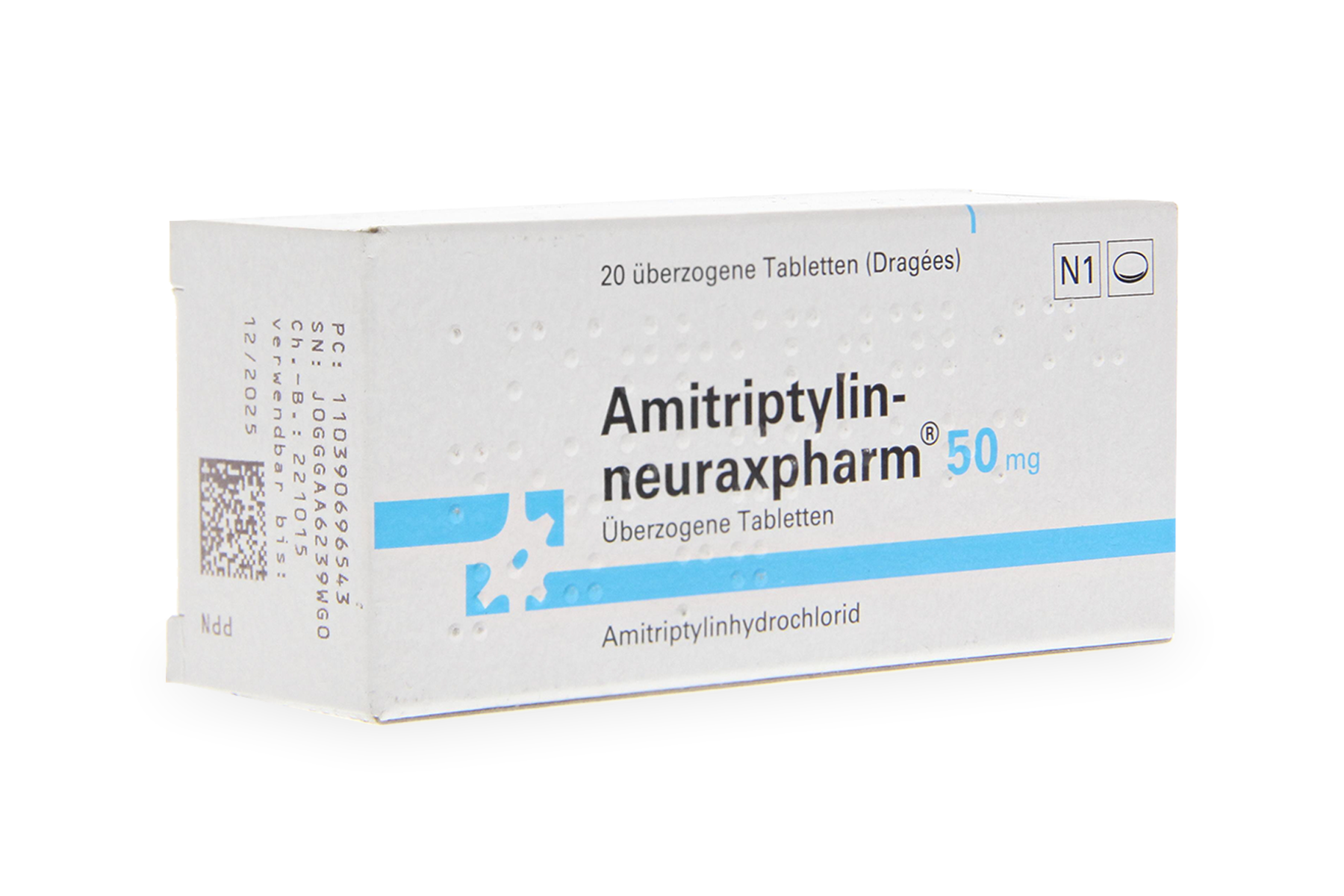
Amitriptyline
This website provides general information about medicines for educational purposes only. Always consult your doctor or pharmacist before taking any medication.
Choose Your Medicine
Select dosage and quantity
Online Consultation
Reviewed by a qualified physician
Fast, Discreet Delivery
Delivered to your door
Medical Information
About This Medicine
Amitriptyline is a tricyclic antidepressant that, at low doses, has become one of the most widely prescribed treatments for neuropathic pain, migraine prevention, and chronic pain syndromes. While it was originally developed for depression, its pain-relieving properties at doses well below those needed for mood disorders have given it a second life in pain management.
How does amitriptyline relieve pain?
Amitriptyline inhibits the reuptake of both serotonin and noradrenaline in the spinal cord, enhancing the descending pain-inhibitory pathways that modulate pain signals before they reach the brain. It also blocks sodium channels and NMDA receptors, both of which contribute to pain amplification in chronic pain states. These multiple mechanisms make it effective across a broad range of pain conditions.
What conditions is amitriptyline used for?
At low doses (10 to 50 mg at night), amitriptyline is prescribed for neuropathic pain including diabetic neuropathy and post-herpetic neuralgia, migraine and tension-type headache prevention, fibromyalgia, irritable bowel syndrome, and chronic pelvic pain. At higher doses (75 to 150 mg), it remains an effective antidepressant, though newer agents are generally preferred.
Usage & Dosage
How to Take Amitriptyline
Take amitriptyline at night, one to two hours before bedtime, as drowsiness is a prominent effect. For chronic pain conditions, this sedating property is often an advantage, helping patients whose pain disturbs sleep.
Starting and Adjusting the Dose
Start at 10 mg at night and increase by 10 mg every one to two weeks as tolerated. Allow at least two to four weeks at each dose to assess effectiveness before increasing further. Many patients achieve good pain relief at 30 to 50 mg nightly. Do not stop amitriptyline suddenly, reduce the dose gradually under medical supervision.
Neuropathic pain: start at 10 mg at night, increase gradually to 10 to 75 mg. Migraine prevention: 10 to 50 mg at night. Depression: 75 to 150 mg daily. Elderly patients: start at 10 mg with cautious titration.
Side Effects
Common side effects
- Drowsiness (usually beneficial when taken at bedtime)
- Dry mouth
- Constipation
- Blurred vision
- Weight gain
- Urinary retention
Managing anticholinergic effects
Most side effects are anticholinergic in nature and are dose-dependent. They are generally mild at the low doses used for pain and often improve after the first week or two of treatment.
Warnings & Precautions
Do not stop amitriptyline abruptly after prolonged use. Taper gradually over at least two to four weeks to avoid withdrawal symptoms including nausea, headache, malaise, and sleep disturbance. Amitriptyline can prolong the QT interval at higher doses, and overdose with tricyclics is potentially fatal due to cardiac toxicity.
Interactions
Avoid concurrent MAO inhibitors and use caution with other serotonergic drugs. Alcohol enhances the sedative effect.
Contraindications
Contraindicated in recent myocardial infarction, arrhythmias (particularly heart block), concurrent MAO inhibitor use (or within 14 days of stopping one), acute porphyria, and known hypersensitivity to amitriptyline.
Frequently Asked Questions
Will amitriptyline make me feel drowsy all day?
Dr. Ross Elledge
General Practitioner · General & Family Medicine
Verified Healthcare Professional
TopDoctors Profile