
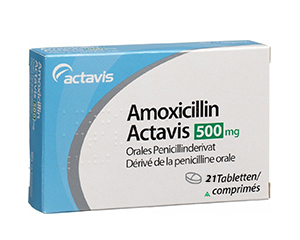
Amoxicillin
This website provides general information about medicines for educational purposes only. Always consult your doctor or pharmacist before taking any medication.
Choose Your Medicine
Select dosage and quantity
Online Consultation
Reviewed by a qualified physician
Fast, Discreet Delivery
Delivered to your door
Medical Information
About This Medicine
Amoxicillin is a broad-spectrum antibiotic belonging to the penicillin family. It is one of the most frequently prescribed antibiotics worldwide, used to treat a wide variety of bacterial infections including respiratory tract infections, ear infections, urinary tract infections, dental abscesses, and skin infections.
Amoxicillin works by interfering with the ability of bacteria to build their cell walls. Without an intact cell wall, bacteria cannot survive and multiply, allowing the body's immune system to clear the infection. It is effective against many common Gram-positive and some Gram-negative organisms, making it a versatile first-line choice for uncomplicated infections.
Usage & Dosage
How to Take Amoxicillin
Take amoxicillin exactly as prescribed by your doctor, usually every 8 hours (three times daily) or every 12 hours (twice daily) depending on the formulation and infection being treated. Capsules should be swallowed whole with a full glass of water and can be taken with or without food, though taking it with a meal may reduce stomach upset.
Always complete the full course of antibiotics, even if you feel better before the medication runs out. Stopping early can leave surviving bacteria in the body, increasing the risk of the infection returning and potentially contributing to antibiotic resistance.
Amoxicillin is available in 250 mg and 500 mg capsules, as well as oral suspension for those who have difficulty swallowing tablets. The typical adult dose ranges from 250 mg to 500 mg three times daily for most infections. Severe infections may require up to 1 g three times daily. The dose and duration depend on the type and severity of infection, and your prescriber will advise accordingly.
Side Effects
Common Side Effects
Common side effects of amoxicillin include:
- Diarrhoea
- Nausea
- Skin rash
- Vomiting
These are usually mild and resolve once the course is completed. Taking a probiotic supplement can help maintain gut flora balance. Rarely, amoxicillin can cause a severe allergic reaction (anaphylaxis) with symptoms including difficulty breathing, swelling of the face or throat, and a widespread rash. Seek emergency medical help immediately if this occurs. Watery or bloody diarrhoea and yellowing of the skin or eyes are other rare but serious effects that require prompt medical attention.
Warnings & Precautions
Tell your prescriber if you have ever had an allergic reaction to penicillin, amoxicillin, or any cephalosporin antibiotic. Cross-reactivity is possible and a previous reaction may mean this medication is unsafe for you.
Amoxicillin may reduce the effectiveness of combined oral contraceptive pills. Additional barrier contraception is recommended during the antibiotic course and for seven days afterwards. If you develop a widespread, non-itchy rash while taking amoxicillin, inform your doctor, as this can sometimes indicate infectious mononucleosis rather than a true allergy.
Contraindications
Do not use amoxicillin if you are allergic to amoxicillin, penicillin, or any other penicillin-type antibiotic. Exercise caution and inform your prescriber if you have a history of kidney disease, liver disease, or infectious mononucleosis (glandular fever), as these conditions may affect how the medication is used or monitored.
Frequently Asked Questions
Can I drink alcohol while taking amoxicillin?
What should I do if I miss a dose?
How long does amoxicillin take to work?
Dr. Ross Elledge
General Practitioner · General & Family Medicine
Verified Healthcare Professional
TopDoctors Profile