
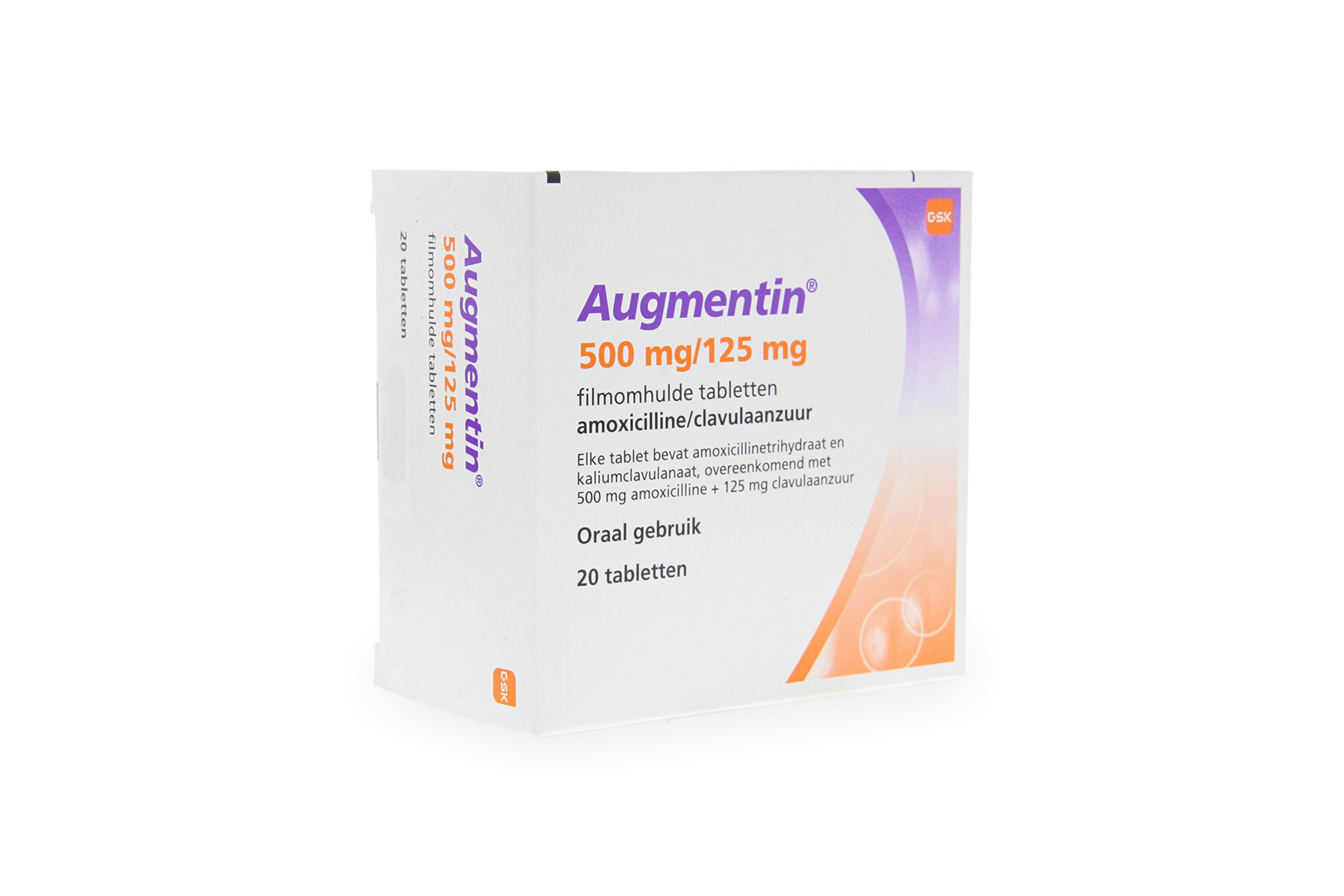
Augmentin (Spektramox)
This website provides general information about medicines for educational purposes only. Always consult your doctor or pharmacist before taking any medication.
Choose Your Medicine
Select dosage and quantity
Online Consultation
Reviewed by a qualified physician
Fast, Discreet Delivery
Delivered to your door
Medical Information
About This Medicine
Augmentin (also marketed as Spektramox) combines amoxicillin with clavulanic acid, a beta-lactamase inhibitor that extends amoxicillin's spectrum to cover bacteria that have developed resistance by producing beta-lactamase enzymes. This combination restores the effectiveness of amoxicillin against many resistant organisms.
Why is clavulanic acid needed?
Many common bacteria, including Staphylococcus aureus, Haemophilus influenzae, and Moraxella catarrhalis, produce beta-lactamase enzymes that break down the beta-lactam ring of penicillins, rendering them inactive. Clavulanic acid irreversibly binds to these enzymes, protecting the amoxicillin molecule and allowing it to reach its target. The result is a significantly broader spectrum of activity than amoxicillin alone.
What is Augmentin used for?
Augmentin is prescribed for infections where beta-lactamase-producing organisms are likely or confirmed, including lower respiratory tract infections, acute otitis media, sinusitis, urinary tract infections, skin and soft tissue infections (including animal bites), and dental abscesses.
Usage & Dosage
How to Take Augmentin
Take Augmentin (co-amoxiclav) at the start of a meal to improve absorption of the clavulanic acid component and reduce the risk of gastrointestinal side effects. Space doses evenly throughout the day and complete the full course.
Managing Diarrhoea
Diarrhoea is more common with Augmentin than with amoxicillin alone, due to the clavulanic acid. Taking with food significantly reduces this risk. Probiotic supplements may also help. Contact your doctor if diarrhoea is severe, bloody, or persists after the course is finished.
Adults: 625 mg (500/125 mg) three times daily for most infections, or 1 g (875/125 mg) twice daily. Duration depends on the infection, typically five to seven days. Higher doses may be needed for severe infections.
Side Effects
Common side effects
- Diarrhoea (more common than with amoxicillin alone)
- Nausea
- Vomiting
- Skin rash
- Vaginal candidiasis
Hepatic effects
Cholestatic jaundice has been reported, usually appearing up to six weeks after completing the course. It is more common in males and with prolonged courses. It is usually self-limiting but should be reported immediately.
Warnings & Precautions
Monitor for signs of hepatic dysfunction (jaundice, dark urine, pale stools) during and for six weeks after treatment. The risk of cholestatic hepatitis increases with courses longer than 14 days.
Penicillin allergy
Augmentin is contraindicated in true penicillin allergy. As with amoxicillin, a maculopapular rash during glandular fever is not a reliable indicator of allergy.
Contraindications
Contraindicated in penicillin hypersensitivity, history of Augmentin-associated jaundice or hepatic dysfunction, and known hypersensitivity to clavulanic acid.
Frequently Asked Questions
Why does Augmentin cause more stomach upset than plain amoxicillin?
Dr. Ross Elledge
General Practitioner · General & Family Medicine
Verified Healthcare Professional
TopDoctors Profile