
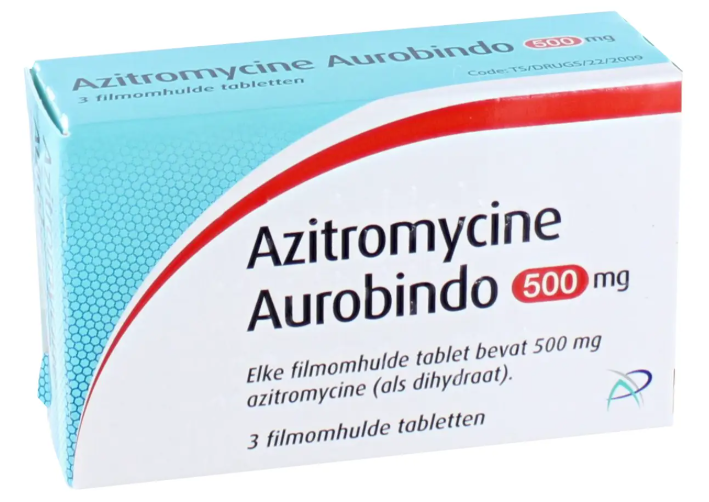
Azithromycin
This website provides general information about medicines for educational purposes only. Always consult your doctor or pharmacist before taking any medication.
Choose Your Medicine
Select dosage and quantity
Online Consultation
Reviewed by a qualified physician
Fast, Discreet Delivery
Delivered to your door
Medical Information
About This Medicine
Azithromycin is a macrolide antibiotic with an exceptionally long tissue half-life that allows short treatment courses while maintaining effective antibiotic concentrations for up to ten days after the last dose. This unique pharmacokinetic property has made azithromycin one of the most prescribed antibiotics globally.
How does azithromycin work?
Azithromycin binds to the 50S ribosomal subunit of susceptible bacteria, inhibiting protein synthesis and halting bacterial growth. It concentrates within cells, particularly phagocytes, which carry the drug directly to sites of infection. Tissue concentrations far exceed blood levels, which is why a short course produces prolonged therapeutic activity.
What infections is azithromycin used for?
Azithromycin is prescribed for community-acquired pneumonia, acute bronchitis, sinusitis, pharyngitis, otitis media, skin infections, and sexually transmitted infections including chlamydia (as a single dose). It is also used in patients with penicillin allergy as an alternative for respiratory tract infections.
Usage & Dosage
How to Take Azithromycin
Take the capsule form one hour before or two hours after food for optimal absorption. The suspension and tablet formulations can be taken with or without food. Complete the full course as prescribed.
Single-Dose Chlamydia Treatment
For uncomplicated genital chlamydia, a single 1 g dose is effective. This makes azithromycin particularly useful when adherence to a longer course is uncertain.
Standard respiratory infections: 500 mg on day one, then 250 mg daily for four more days (total 1.5 g over five days). Chlamydia: 1 g as a single dose. Community-acquired pneumonia: 500 mg daily for three days.
Side Effects
Common Side Effects
- Nausea
- Diarrhoea
- Abdominal pain
- Vomiting
- Headache
Cardiac Considerations
Azithromycin can prolong the QT interval. While the absolute risk is small, caution is advised in patients with existing QT prolongation or those taking other QT-prolonging drugs. Contact your doctor if you experience palpitations or an irregular heartbeat.
Warnings & Precautions
Use with caution in patients with hepatic impairment, as azithromycin is eliminated primarily through the liver. Monitor for signs of liver dysfunction including jaundice. The QT-prolonging effect is particularly relevant when combined with other drugs that affect cardiac repolarisation.
Hearing
High doses or prolonged courses can rarely cause reversible hearing loss or tinnitus.
Contraindications
Contraindicated in known hypersensitivity to azithromycin, erythromycin, or any macrolide or ketolide antibiotic, and in severe hepatic impairment.
Frequently Asked Questions
Why is the azithromycin course only three to five days?
Dr. Ross Elledge
General Practitioner · General & Family Medicine
Verified Healthcare Professional
TopDoctors Profile