
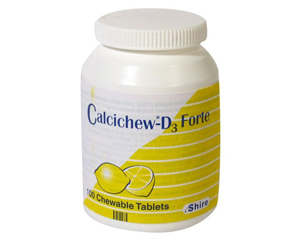
Calci-Chew D3
View Options
This website provides general information about medicines for educational purposes only. Always consult your doctor or pharmacist before taking any medication.
Choose Your Medicine
Select dosage and quantity
Online Consultation
Reviewed by a qualified physician
Fast, Discreet Delivery
Delivered to your door
Medical Information
About This Medicine
Calci-Chew D3 is a combination supplement containing calcium carbonate 1500mg and colecalciferol (vitamin D3) 400 IU in a pleasant orange-flavoured chewable tablet. It is used to correct or prevent deficiencies of calcium and vitamin D, two nutrients that are essential for maintaining strong, healthy bones throughout life.
What Calci-Chew D3 Treats
Calcium and vitamin D deficiency is more common than many people realise, particularly among older adults, postmenopausal women, those who spend little time outdoors, and individuals with diets low in dairy products. When these deficiencies go unaddressed, the body begins to draw calcium from the bones themselves, weakening bone density over time and raising the risk of conditions such as osteoporosis and osteomalacia (softening of the bones).
Calci-Chew D3 is prescribed as an adjunct to specific treatment of osteoporosis, meaning it is frequently used alongside bisphosphonate medicines such as alendronate or risedronate to provide the calcium and vitamin D needed for those drugs to work effectively. It is also used more broadly for the prevention and correction of calcium and vitamin D deficiencies in adults and the elderly.
How It Works
Calcium is the principal mineral component of bone tissue. The body absorbs dietary calcium in the small intestine, a process that depends heavily on adequate levels of vitamin D. Colecalciferol, the form of vitamin D3 found in Calci-Chew D3, is converted in the liver and kidneys into its active hormonal form (calcitriol), which promotes calcium absorption from the gut and assists in regulating calcium balance in the blood and bones. By delivering both nutrients together in a single chewable tablet, Calci-Chew D3 ensures that supplemental calcium can be absorbed and utilised efficiently.
The orange-flavoured chewable formulation is particularly well suited to patients who have difficulty swallowing conventional tablets, making adherence easier for elderly patients who are often the primary users of this supplement. Each tablet delivers a meaningful dose of both calcium and vitamin D3 to support long-term skeletal health.
Usage & Dosage
How to Take Calci-Chew D3
Calci-Chew D3 tablets should be chewed thoroughly before swallowing — do not swallow them whole. They can be taken with or without food, though taking them with meals can help with absorption and reduce the chance of stomach discomfort. The standard adult dose is one or two tablets daily, depending on your doctor's advice and your dietary calcium intake.
Try to spread doses through the day if taking two tablets — for example, one in the morning and one in the evening. This improves absorption, as the gut handles calcium better in smaller amounts at a time.
Interactions to Be Aware Of
Do not take Calci-Chew D3 at the same time as iron supplements, bisphosphonates, tetracycline antibiotics, or levothyroxine. Calcium can bind to these medicines in the gut and reduce their absorption. Space doses by at least two to four hours. Continue taking your tablets as prescribed even if you feel well, as vitamin D and calcium deficiency often causes no obvious symptoms until problems develop.
The standard recommended dose for adults and the elderly is one Calci-Chew D3 tablet taken one or two times daily, as directed by a doctor or pharmacist. Each tablet provides 600mg of elemental calcium and 400 IU of vitamin D3, so the daily dose of elemental calcium should typically not exceed 1200-1500mg from all sources combined (diet plus supplements).
In patients who are significantly deficient in vitamin D or have conditions affecting vitamin D metabolism, a higher-dose vitamin D supplement may be recommended alongside or instead of Calci-Chew D3; your doctor will advise accordingly.
Calci-Chew D3 is not routinely recommended for children unless specifically directed by a physician, as children have different calcium and vitamin D requirements that are usually met through diet and age-appropriate supplements.
Patients with renal impairment should use calcium and vitamin D supplements with caution and only under medical supervision, as impaired kidneys may not regulate calcium balance effectively. Dose adjustments or closer monitoring of blood and urine calcium levels may be necessary in this group.
Side Effects
Common Side Effects
Calci-Chew D3 is well tolerated by most people. Side effects, when they occur, are usually mild and tend to affect the digestive system:
- Constipation, particularly at higher calcium doses
- Bloating and flatulence
- Nausea or mild stomach discomfort
- Elevated blood calcium (hypercalcaemia) if taken in excess
When to Seek Advice
Signs of too much calcium include persistent thirst, frequent urination, nausea, confusion, or muscle weakness. If you notice any of these, stop taking the tablets and speak to your doctor. Taking Calci-Chew D3 alongside thiazide diuretics increases the risk of raised calcium levels and should be monitored.
Warnings & Precautions
Important Precautions
Before taking Calci-Chew D3, inform your doctor or pharmacist if you have, or have previously had, hypercalcaemia (high blood calcium levels), hypercalciuria (excess calcium in the urine), kidney stones (nephrolithiasis), or any condition that causes raised calcium levels such as primary hyperparathyroidism or sarcoidosis. Regular monitoring of blood and urine calcium levels is advisable during prolonged use, particularly in patients with renal impairment.
Calci-Chew D3 can affect the absorption of certain other medicines when taken at the same time. These include tetracycline and quinolone antibiotics, bisphosphonates, levothyroxine (thyroid hormone), iron supplements, and zinc preparations. To minimise interactions, take these medicines at least two hours before or four to six hours after Calci-Chew D3.
Pregnancy and Breastfeeding
Adequate calcium and vitamin D intake is important during pregnancy and breastfeeding, but supplementation should be guided by a healthcare professional. Excessive doses of vitamin D during pregnancy can be harmful to the developing baby. The daily intake of colecalciferol from all sources (including fortified foods and other supplements) should not exceed 4000 IU during pregnancy unless under medical supervision.
Contraindications
Calci-Chew D3 must not be used in patients with any of the following conditions:
- Hypercalcaemia (raised blood calcium levels)
- Hypercalciuria (raised calcium levels in the urine)
- Nephrolithiasis (calcium-containing kidney stones)
- Hypervitaminosis D (vitamin D toxicity)
- Primary hyperparathyroidism (unless calcium supplementation is specifically recommended)
- Severe renal impairment or renal failure (unless under specialist supervision)
- Known hypersensitivity to calcium carbonate, colecalciferol, or any excipient in the tablet
- Sarcoidosis (condition associated with unregulated vitamin D metabolism and risk of hypercalcaemia)
Frequently Asked Questions
Can I take Calci-Chew D3 at the same time as my alendronate tablet?
How long do I need to take Calci-Chew D3 for osteoporosis?
Is Calci-Chew D3 suitable for people who are lactose intolerant or vegan?
Can taking too much Calci-Chew D3 be harmful?
Does Calci-Chew D3 interact with any common medicines?
Dr. Ross Elledge
General Practitioner · General & Family Medicine
Verified Healthcare Professional
TopDoctors Profile