
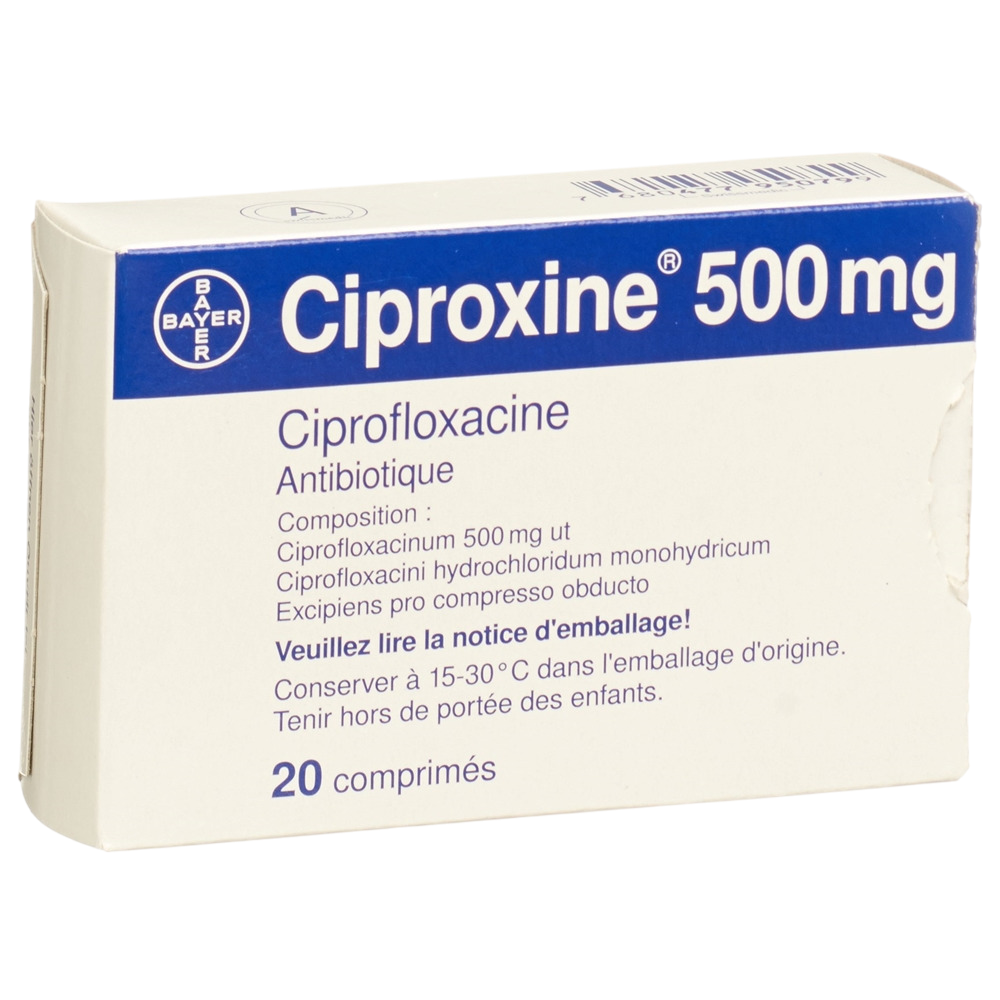
Ciproxin
This website provides general information about medicines for educational purposes only. Always consult your doctor or pharmacist before taking any medication.
Choose Your Medicine
Select dosage and quantity
Online Consultation
Reviewed by a qualified physician
Fast, Discreet Delivery
Delivered to your door
Medical Information
About This Medicine
Ciproxin is the branded formulation of ciprofloxacin, a fluoroquinolone antibiotic. It contains the same active ingredient as generic ciprofloxacin and is used for the same range of bacterial infections where fluoroquinolone therapy is specifically indicated.
Branded versus generic ciprofloxacin
Ciproxin and generic ciprofloxacin are bioequivalent, meaning they deliver the same drug in the same way and at the same rate. The branded formulation may be prescribed by name in some healthcare settings due to historical prescribing habits, but there is no clinical advantage over generic versions.
Indications
Ciproxin is reserved for infections where no safer antibiotic alternative is appropriate, including complicated urinary tract infections, acute pyelonephritis, Pseudomonas-related infections, and certain gastrointestinal infections. It should not be used for mild or self-limiting infections due to the risk of serious adverse effects associated with all fluoroquinolones.
Usage & Dosage
How to Take Ciproxin
Take Ciproxin (ciprofloxacin) with plenty of water, with or without food. Avoid dairy products, calcium-fortified foods, and antacids within two hours of a dose — calcium binds to ciprofloxacin in the gut and significantly reduces absorption. The same applies to iron supplements, magnesium-containing antacids, and zinc.
The dose and duration depend on the infection being treated. For urinary tract infections, courses of three to seven days are typical. For more serious infections such as respiratory or bone infections, 10 to 14 days or longer may be needed.
Sun Exposure
Ciproxin can make your skin more sensitive to sunlight (photosensitivity). Avoid prolonged sun exposure and use a high-SPF sunscreen during treatment. Cover up if you will be outside for extended periods. This sensitivity resolves after finishing the course.
250 to 750 mg twice daily depending on the infection type and severity. Duration: three to fourteen days depending on the indication. Dose reduction is required in renal impairment.
Side Effects
Common Side Effects
- Nausea and diarrhoea
- Headache
- Dizziness
- Rash or skin sensitivity
- Photosensitivity (increased sensitivity to sunlight)
Serious Fluoroquinolone Effects
Ciprofloxacin carries important class warnings shared by all fluoroquinolone antibiotics. Rare but serious effects include tendon inflammation and rupture (particularly the Achilles tendon — especially in older patients or those taking corticosteroids), peripheral neuropathy (tingling, numbness, or weakness), and CNS effects (confusion, seizures). Stop taking Ciproxin and seek medical attention immediately if you develop tendon pain, muscle weakness, tingling, or significant mood or behavioural changes. These effects can sometimes be permanent.
Warnings & Precautions
Fluoroquinolone class warnings apply. Only use when no safer alternative exists. Stop immediately if tendon pain, neuropathy, or musculoskeletal symptoms develop. Concurrent corticosteroid use increases the risk of tendon rupture.
C. difficile
All broad-spectrum antibiotics, including ciprofloxacin, can disrupt gut flora and predispose to Clostridioides difficile infection. Report persistent diarrhoea during or after treatment.
Contraindications
Contraindicated in known hypersensitivity to ciprofloxacin or any quinolone, concurrent tizanidine, history of fluoroquinolone-associated tendon disorders, pregnancy, and breastfeeding.
Frequently Asked Questions
Is Ciproxin better than generic ciprofloxacin?
Dr. Ross Elledge
General Practitioner · General & Family Medicine
Verified Healthcare Professional
TopDoctors Profile