
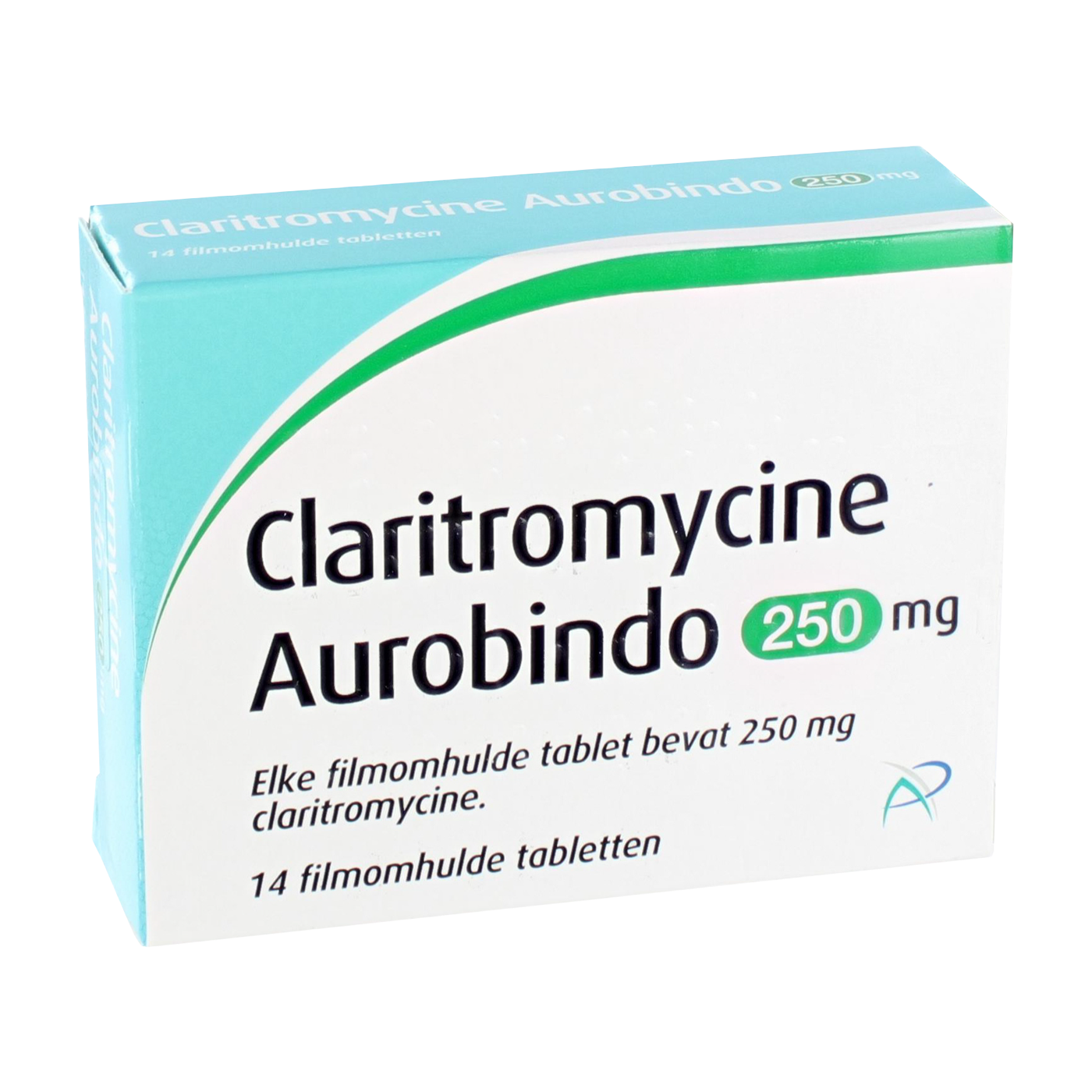
Clarithromycin
This website provides general information about medicines for educational purposes only. Always consult your doctor or pharmacist before taking any medication.
Choose Your Medicine
Select dosage and quantity
Online Consultation
Reviewed by a qualified physician
Fast, Discreet Delivery
Delivered to your door
Medical Information
About This Medicine
Clarithromycin is a macrolide antibiotic used for respiratory tract infections, skin infections, and as part of the triple therapy regimen for Helicobacter pylori eradication. It has a broader spectrum and better tissue penetration than its parent compound erythromycin, with fewer gastrointestinal side effects.
How does clarithromycin work?
Clarithromycin binds to the 50S ribosomal subunit of bacteria, inhibiting protein synthesis. It is bacteriostatic at standard concentrations but can be bactericidal at higher tissue concentrations against susceptible organisms. It concentrates within cells, achieving tissue levels several times higher than blood levels, which contributes to its effectiveness against intracellular pathogens.
Key clinical uses
Clarithromycin is prescribed for community-acquired pneumonia, acute exacerbations of chronic bronchitis, sinusitis, pharyngitis, skin infections, and as a key component of H. pylori eradication therapy alongside amoxicillin and a proton pump inhibitor. It also plays a role in treating Mycobacterium avium complex (MAC) infections in immunocompromised patients.
Usage & Dosage
How to Take Clarithromycin
Clarithromycin standard-release tablets can be taken twice daily, with or without food. Clarithromycin XL (modified-release) tablets are taken once daily with food — taking with a meal improves tolerability and absorption. Swallow tablets whole with a glass of water. Take at evenly spaced intervals and complete the full prescribed course.
The usual adult dose for respiratory and skin infections is 250 to 500 mg twice daily for five to fourteen days. For H. pylori eradication as part of triple therapy, 500 mg twice daily for seven days is standard.
Metallic Taste
A bitter or metallic taste is a very common and distinctive side effect of clarithromycin. It is harmless and goes away once treatment ends. Chewing sugar-free gum or mints can help manage it during the course.
Standard: 250 to 500 mg twice daily. Modified-release: 500 mg once daily. H. pylori eradication: 500 mg twice daily for seven to fourteen days as part of triple therapy. Duration: typically seven to fourteen days for most infections.
Side Effects
Common Side Effects
- Metallic or bitter taste (very common)
- Nausea
- Diarrhoea
- Abdominal discomfort or pain
- Headache
Drug Interactions
Clarithromycin is a potent inhibitor of the CYP3A4 enzyme and has numerous important drug interactions. It significantly increases blood levels of many medicines, including statins (particularly simvastatin and lovastatin), certain anticoagulants, some antiepileptics, and immunosuppressants. Taking clarithromycin with simvastatin or lovastatin at the same time increases the risk of serious muscle damage (rhabdomyolysis). Always tell your doctor and pharmacist about all medicines you are taking before starting clarithromycin, so interactions can be checked.
Warnings & Precautions
Clarithromycin can prolong the QT interval and should not be combined with other QT-prolonging drugs. It is a strong CYP3A4 inhibitor: simvastatin must be paused during treatment, and the doses of many other drugs may need adjustment.
Hepatotoxicity
Rare cases of hepatic dysfunction have been reported. Monitor for signs of liver injury (jaundice, dark urine, malaise).
Contraindications
Contraindicated in known hypersensitivity to clarithromycin or other macrolides, concurrent use of ergotamine or dihydroergotamine, pimozide, cisapride, simvastatin, lovastatin, history of QT prolongation, and severe hepatic impairment combined with renal impairment.
Frequently Asked Questions
Why does clarithromycin leave a horrible taste in my mouth?
Dr. Ross Elledge
General Practitioner · General & Family Medicine
Verified Healthcare Professional
TopDoctors Profile