
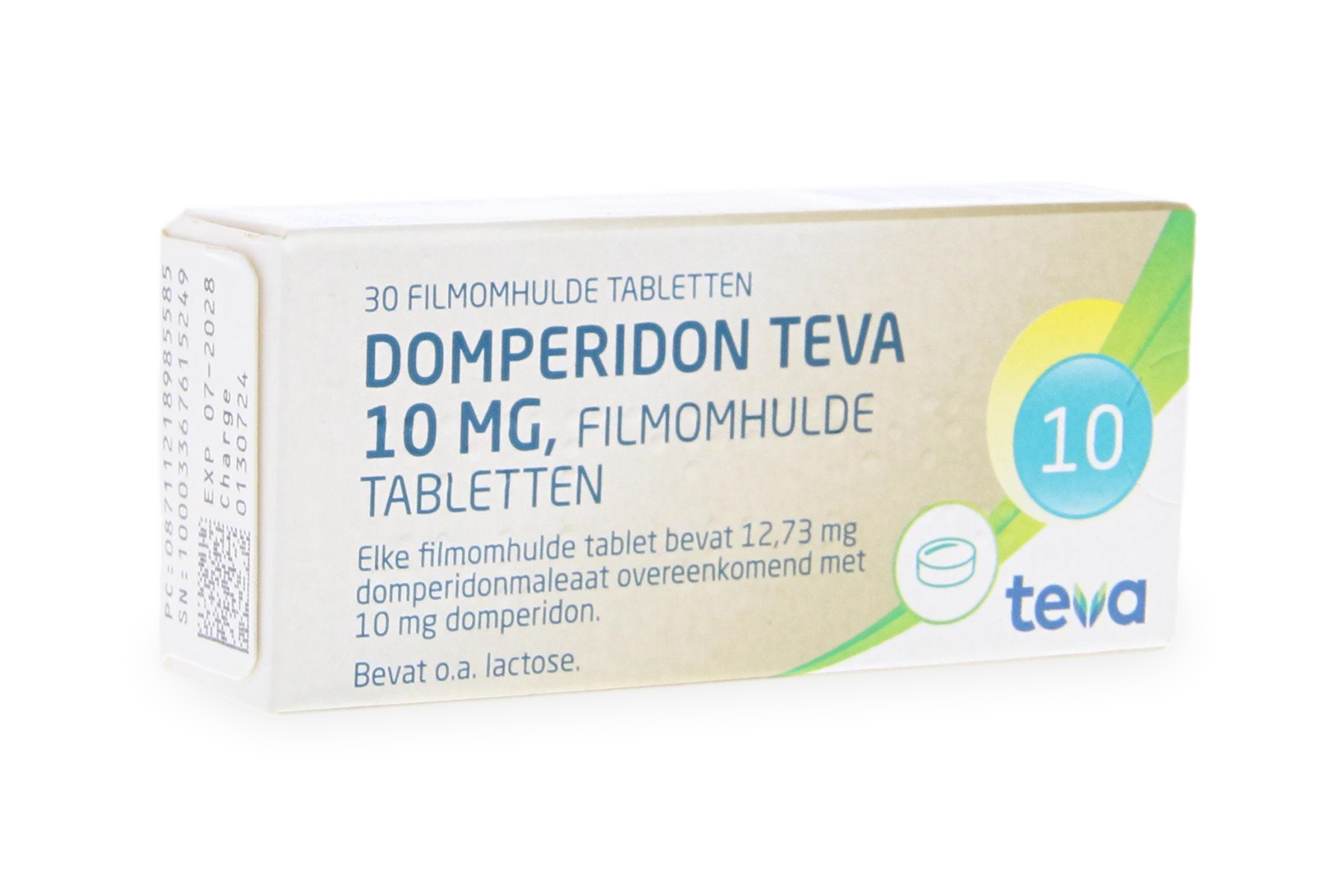
Domperidon
This website provides general information about medicines for educational purposes only. Always consult your doctor or pharmacist before taking any medication.
Choose Your Medicine
Select dosage and quantity
Online Consultation
Reviewed by a qualified physician
Fast, Discreet Delivery
Delivered to your door
Medical Information
About This Medicine
Domperidone is a prokinetic and anti-emetic that works by blocking dopamine D2 receptors in the chemoreceptor trigger zone and the upper gastrointestinal tract. Unlike metoclopramide, domperidone does not cross the blood-brain barrier significantly, resulting in far fewer neurological side effects. It is used for the relief of nausea and vomiting, and for symptoms of gastroparesis including bloating, early satiety, and epigastric discomfort.
Usage & Dosage
How to Take Domperidone
Take domperidone 15 to 30 minutes before meals and at bedtime if needed. The standard adult dose is 10 mg up to three times daily. Use the lowest effective dose for the shortest time possible — domperidone is intended for short-term use only (generally up to one week) for nausea and vomiting. It is not suitable for long-term routine use.
Tablets can be taken with or without food, though taking before meals is most effective for gastric motility problems (such as delayed gastric emptying).
Important Restriction
Domperidone is not recommended for use in people over 60 years old or those who weigh less than 35 kg, due to a higher risk of cardiac effects at standard doses. In these groups, a lower dose is often prescribed. Always use at the lowest effective dose for the shortest duration needed.
10 mg up to three times daily. Maximum: 30 mg daily. Treatment should be limited to the shortest possible duration, usually no more than one week.
Side Effects
Common Side Effects
- Dry mouth
- Headache
- Raised prolactin levels (with higher doses or prolonged use), which can cause breast tenderness or milk production (galactorrhoea)
- Drowsiness (uncommon)
Cardiac Risk
The most important risk with domperidone is a small increase in the risk of serious cardiac arrhythmia (irregular heartbeat), including QT interval prolongation, which can be life-threatening in rare cases. This risk is highest at higher doses and in people with pre-existing heart conditions. Tell your doctor if you have any heart problems before taking domperidone. Do not exceed the recommended dose. If you develop palpitations, dizziness, or fainting while taking domperidone, stop and seek medical advice promptly.
Warnings & Precautions
Domperidone is associated with a small increased risk of serious cardiac arrhythmias (QT prolongation) and sudden cardiac death, particularly at higher doses and in older patients. Use the lowest effective dose. Avoid in patients with underlying cardiac conditions.
Contraindications
Contraindicated in GI perforation or mechanical obstruction, prolactin-secreting pituitary tumour, hepatic impairment, known QT prolongation, and concurrent use of QT-prolonging drugs or strong CYP3A4 inhibitors.
Frequently Asked Questions
Why is domperidone limited to short courses?
Dr. Ross Elledge
General Practitioner · General & Family Medicine
Verified Healthcare Professional
TopDoctors Profile