
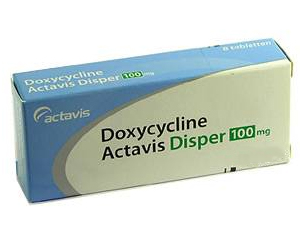
Doxycyclin
This website provides general information about medicines for educational purposes only. Always consult your doctor or pharmacist before taking any medication.
Choose Your Medicine
Select dosage and quantity
Online Consultation
Reviewed by a qualified physician
Fast, Discreet Delivery
Delivered to your door
Medical Information
About This Medicine
Doxycycline is a tetracycline-class antibiotic with a remarkably broad range of clinical applications. It is effective against many Gram-positive and Gram-negative bacteria as well as certain atypical organisms, making it a versatile treatment for respiratory tract infections, urinary tract infections, sexually transmitted infections (including chlamydia), skin conditions such as acne and rosacea, and eye infections.
Beyond its antibacterial uses, doxycycline is one of the most widely prescribed medications for malaria prevention in travellers visiting endemic regions. It works by inhibiting bacterial protein synthesis, preventing the organisms from growing and reproducing. Its long half-life and good oral bioavailability allow for convenient once- or twice-daily dosing.
Usage & Dosage
How to Take Doxycycline
Take doxycycline with a full glass of water, while sitting or standing upright. Remain upright for at least 30 minutes after taking the dose to prevent the tablet from lodging in the oesophagus, which can cause irritation and ulceration. The medication can be taken with food or milk to reduce stomach upset, unlike some older tetracyclines.
For most infections, the usual regimen is 100 mg twice daily on the first day, followed by 100 mg once daily for the remainder of the course. For malaria prophylaxis, take 100 mg daily, starting one to two days before entering the malarial area and continuing for four weeks after leaving.
Doxycycline is available in 50 mg and 100 mg capsules or tablets. For sexually transmitted infections such as chlamydia, the standard course is 100 mg twice daily for seven days. For acne, lower doses of 50 mg to 100 mg daily may be prescribed for eight to twelve weeks. Malaria prophylaxis requires 100 mg daily throughout the period of risk. Dose adjustments are not typically needed for renal impairment, as doxycycline is primarily eliminated through the gastrointestinal tract.
Side Effects
Common Side Effects
Common side effects include:
- Nausea and vomiting
- Diarrhoea
- Increased sensitivity to sunlight (photosensitivity)
- Oesophageal irritation
- Vaginal thrush
Photosensitivity is a particularly important consideration. Avoid prolonged sun exposure and use a high-factor sunscreen while taking doxycycline and for several days after completing the course. If you develop a severe skin reaction to sunlight, contact your prescriber. Rarely, doxycycline can cause intracranial hypertension (raised pressure inside the skull), presenting as persistent headache and visual disturbances.
Warnings & Precautions
Do not take doxycycline with antacids, calcium supplements, iron supplements, or dairy-heavy meals within two hours of the dose, as these reduce absorption. However, taking it with light food is acceptable and can help reduce nausea.
Doxycycline may reduce the effectiveness of hormonal contraceptives. Additional barrier methods should be used during the course and for seven days afterwards. The medication should not be used during pregnancy or in children under 12, as it can cause permanent tooth discolouration and affect bone development.
Contraindications
Doxycycline is contraindicated in individuals with a known allergy to tetracycline antibiotics. It should not be used during pregnancy, while breastfeeding, or in children under 12 years of age. Patients with severe hepatic impairment should use doxycycline with caution and under medical supervision.
Frequently Asked Questions
Can I drink alcohol while taking doxycycline?
Why do I need to sit upright after taking doxycycline?
Does doxycycline make you more sensitive to the sun?
Dr. Ross Elledge
General Practitioner · General & Family Medicine
Verified Healthcare Professional
TopDoctors Profile