
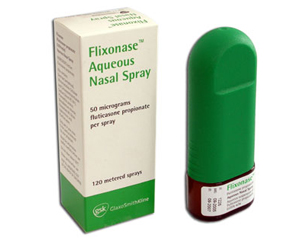
Flixonase
View Options
This website provides general information about medicines for educational purposes only. Always consult your doctor or pharmacist before taking any medication.
Choose Your Medicine
Select dosage and quantity
Online Consultation
Reviewed by a qualified physician
Fast, Discreet Delivery
Delivered to your door
Medical Information
About This Medicine
Flixonase is a prescription nasal spray containing fluticasone propionate 50 micrograms per metered spray. It is used for the prevention and treatment of seasonal and perennial allergic rhinitis (hay fever and year-round nasal allergy) in adults and children aged four years and over, and also for the treatment of nasal polyps in adults. Flixonase belongs to the corticosteroid class of medicines and works locally within the nasal passages to reduce inflammation, relieve congestion, and alleviate associated symptoms including runny nose, sneezing, and itching.
How Flixonase Works
Fluticasone propionate is a potent, locally active glucocorticoid that suppresses the inflammatory cascade responsible for the symptoms of allergic rhinitis. When inhaled allergens such as pollen, dust mite particles, or pet dander come into contact with the nasal mucosa in sensitised individuals, they trigger the release of inflammatory mediators including histamine, leukotrienes, and cytokines. Fluticasone propionate binds to glucocorticoid receptors in the nasal mucosa and downregulates the expression of these mediators, reducing both the immediate and late-phase allergic response. This broad anti-inflammatory action means that Flixonase addresses not only sneezing and rhinorrhoea but also the nasal congestion and blockage that antihistamines alone often fail to adequately control.
When to Use Flixonase
For seasonal allergic rhinitis (hay fever), Flixonase works most effectively when started before the relevant pollen season begins, as it takes three to seven days of regular use for the full anti-inflammatory effect to be established. Patients with perennial rhinitis should use Flixonase consistently throughout the year. Regular daily use is essential for maintaining the anti-inflammatory effect; Flixonase is not designed to provide immediate symptom relief in the same way as a decongestant spray, and it should not be used only when symptoms are at their worst.
Flixonase is considered first-line treatment for moderate to severe or persistent allergic rhinitis in UK clinical guidelines, and its efficacy is well-established in both adults and children. When used correctly and consistently, it provides superior control of nasal symptoms compared with oral antihistamines alone, particularly for nasal congestion.
Usage & Dosage
How to Use Flixonase Nasal Spray
Before first use, or if the spray has not been used for a week or more, prime the pump by pressing it down five to six times until a fine mist appears. Blow your nose gently before applying. Tilt your head slightly forward, close one nostril with a finger, and insert the nozzle just inside the other nostril, angling it slightly away from the centre wall of the nose. Press the pump once while breathing in gently through the nose. Repeat in the other nostril.
The standard adult starting dose is two sprays into each nostril once daily (200 mcg/day). Once symptoms are well controlled, reduce to one spray per nostril once daily. Flixonase works best with regular daily use — start treatment a few days before the pollen season for best results. Full benefit may take one to two weeks to develop.
Adults and children aged 12 and over: two sprays (100 micrograms) into each nostril once daily initially, reducing to one spray (50 micrograms) into each nostril once daily once symptoms are well controlled. Maximum daily dose: 200 micrograms per nostril.
Children aged 4 to 11 years: one spray (50 micrograms) into each nostril once daily under adult supervision.
For nasal polyps in adults: two sprays (100 micrograms) into each nostril twice daily, or as directed by a clinician. Maximum daily dose in this indication: 400 micrograms per nostril.
The spray should not be used in children under four years of age. The lowest effective dose should be used once symptoms are controlled. Long-term daily use at the maximum dose should be reviewed periodically by a clinician to ensure it remains appropriate and to monitor for any local effects.
Side Effects
Common Side Effects
Local effects in the nasal passages are the most commonly reported, and most are mild and short-lived:
- Dryness or irritation inside the nose
- Sneezing or brief nasal discomfort after application
- Unpleasant taste or smell
- Headache
- Nosebleeds (epistaxis) — usually minor
Nosebleeds
Mild nosebleeds are common with nasal corticosteroids, particularly early in treatment. They usually improve with continued use. Spray at the outer wall of the nostril (away from the nasal septum) to minimise irritation to the septal blood vessels. If nosebleeds are heavy or persistent, see your doctor. Very rarely, nasal septal perforation (a hole in the central wall between the nostrils) has been reported with nasal corticosteroids — report any persistent pain, crusting, or whistling sound when breathing.
Warnings & Precautions
Nasal Septal and Eye Health
Fluticasone propionate nasal spray should be directed away from the nasal septum during application to minimise the risk of nasal irritation and, in rare cases, septal perforation. Patients who experience persistent or severe nosebleeds, nasal pain, or any crusting inside the nose should seek medical review. If the inside of the nose becomes very dry, a saline nasal rinse used before the spray can improve comfort and reduce the risk of mucosal damage.
Patients with a history of glaucoma or raised intraocular pressure should use Flixonase with caution and be monitored regularly, as intranasal corticosteroids have been associated with increased intraocular pressure in some patients. Any visual changes during treatment should be reported to a clinician promptly.
Children and Long-term Use
Children using Flixonase should use the lowest effective dose and have their growth monitored during long-term treatment, as inhaled and intranasal corticosteroids can rarely affect growth velocity. If a child has been using a corticosteroid inhaler for asthma as well as a nasal corticosteroid, the combined steroid exposure should be reviewed by a clinician. Adults and children should not exceed the maximum recommended dose.
Contraindications
Flixonase is contraindicated in the following circumstances:
- Known hypersensitivity to fluticasone propionate or any spray excipient
- Children under four years of age
- Untreated nasal or sinus infection at the site of application
- Recent nasal surgery or nasal injury until healing is complete
- Active or quiescent tuberculosis involving the respiratory system (without appropriate antimycobacterial therapy)
- Patients with nasal septal perforation (active)
- Systemic fungal infections (without appropriate antifungal therapy)
- Use in patients with a known hypersensitivity to any of the excipients
Frequently Asked Questions
How quickly does Flixonase work for hay fever?
Can I use Flixonase every day long-term?
Is Flixonase better than antihistamine tablets for allergic rhinitis?
Can Flixonase cause nosebleeds?
Can I use Flixonase during pregnancy?
Dr. Ross Elledge
General Practitioner · General & Family Medicine
Verified Healthcare Professional
TopDoctors Profile