
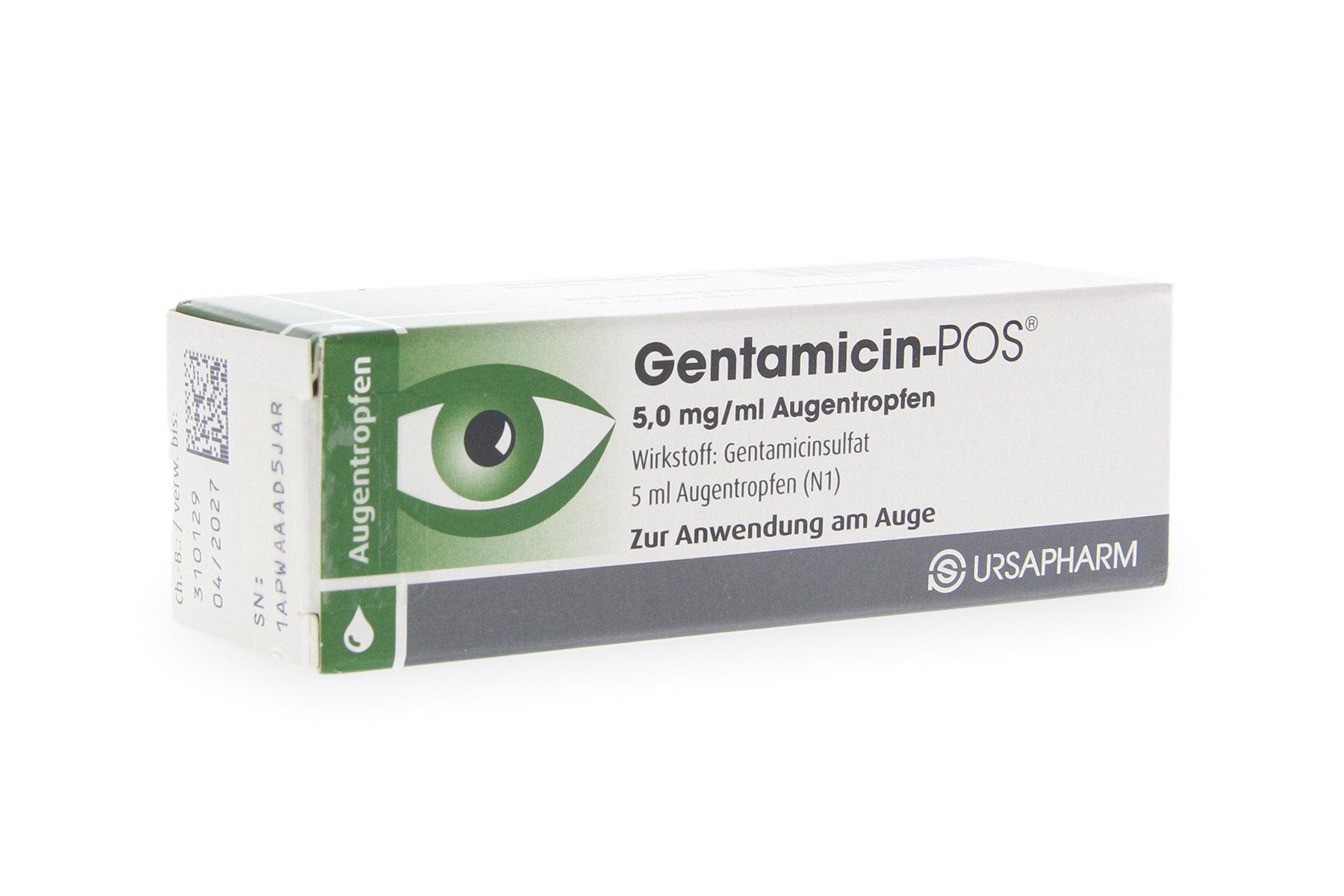
Gentamicin
View Options
This website provides general information about medicines for educational purposes only. Always consult your doctor or pharmacist before taking any medication.
Choose Your Medicine
Select dosage and quantity
Online Consultation
Reviewed by a qualified physician
Fast, Discreet Delivery
Delivered to your door
Medical Information
About This Medicine
What Is Gentamicin?
Gentamicin is a broad-spectrum aminoglycoside antibiotic used to treat a range of bacterial infections. It is available in two primary formulations for different clinical uses: as eye drops (0.3%) for the treatment of bacterial eye infections, and as an injection for the treatment of serious systemic infections in hospital settings. Gentamicin has been in clinical use since the 1960s and remains a critical antibiotic, particularly for infections caused by gram-negative bacteria that are resistant to other antibiotics.
The eye drop formulation is commonly prescribed in primary care for bacterial conjunctivitis (pink eye), bacterial keratitis (corneal infection), and as prophylaxis before or after eye surgery. The drops deliver the antibiotic directly to the site of infection, achieving high local concentrations while minimising systemic absorption and the associated risks.
Systemic Use in Hospital
The injectable form of gentamicin is used in hospital settings for serious gram-negative infections including septicaemia (bloodstream infection), meningitis, urinary tract infections complicated by sepsis, respiratory infections including hospital-acquired pneumonia, and peritonitis. It is often used in combination with other antibiotics such as beta-lactams to achieve synergistic bactericidal activity, particularly in the treatment of infective endocarditis and other life-threatening infections.
Mechanism of Action
Gentamicin kills bacteria by binding irreversibly to the 30S ribosomal subunit, disrupting bacterial protein synthesis and causing misreading of the genetic code. This leads to the production of aberrant proteins that disrupt the bacterial cell membrane, resulting in cell death. Because its action is concentration-dependent (the higher the peak concentration relative to the minimum inhibitory concentration, the greater the kill rate), gentamicin is typically given as a once-daily dose in modern practice to maximise efficacy and reduce toxicity.
Usage & Dosage
How to Use Gentamicin Eye Drops
Gentamicin 0.3% eye drops are instilled directly into the affected eye or eyes. The usual adult dose is 1 to 2 drops in the affected eye(s) every 4 hours during waking hours for moderate infections. In severe infections, drops may be applied every hour until the infection is controlled, then tapered to a 4-hourly schedule. The hands should be washed thoroughly before and after use. The tip of the dropper should not touch the eye or any surface, as contamination can worsen the infection. If both eye drops and eye ointment are prescribed, the drops should be instilled first, followed by the ointment at least 5 minutes later. Contact lenses should be removed before applying the drops and should not be reinserted for at least 15 minutes. Contact lenses should generally be avoided during bacterial eye infections.
Systemic Gentamicin
Intravenous and intramuscular gentamicin is administered in hospital under specialist supervision. Dosing is based on body weight and renal function, and drug levels (peak and trough concentrations) are monitored via blood tests to ensure adequate therapeutic levels are achieved without causing nephrotoxicity or ototoxicity. Treatment duration is typically 7 to 14 days depending on the infection and clinical response.
For gentamicin eye drops (0.3%), the standard adult dose is 1 to 2 drops in the affected eye(s) every 4 hours during waking hours, continued for 5 to 7 days or as directed. In severe infections, the frequency may be increased to every hour initially. The eye drop course should not be extended beyond the prescribed duration without medical review, as antibiotic eye drops should not be used long-term without reassessment.
For systemic gentamicin by injection, dosing is complex and is determined by body weight, age, and renal function. In adults with normal renal function, an extended-interval dosing regimen of 5 to 7 mg/kg once daily is commonly used. Dose adjustments are essential in renal impairment, as gentamicin is primarily excreted by the kidneys and accumulates rapidly in patients with reduced GFR. Serum gentamicin levels are measured to guide dosing — typically a trough level before the next dose (should be undetectable with once-daily dosing) and occasionally a peak level to confirm efficacy.
Side Effects
Gentamicin eye drops are generally well tolerated locally. Systemic gentamicin carries a more significant adverse effect profile, and its use in hospital requires careful monitoring.
Common Side Effects
- Eye drops: transient stinging, burning, or discomfort immediately after instillation
- Eye drops: mild redness or irritation of the conjunctiva
- Eye drops: temporary blurring of vision lasting a few minutes after instillation
- Eye drops: increased sensitivity to light (photophobia) in some patients
- Systemic use: nausea and vomiting
- Systemic use: injection site reactions (pain, redness, or swelling at the IM injection site)
- Systemic use: raised blood urea and creatinine levels indicating early nephrotoxicity
- Systemic use: electrolyte disturbances (hypomagnesaemia, hypokalaemia)
Serious Side Effects
- Nephrotoxicity: kidney damage manifesting as reduced urine output, rising creatinine, and in severe cases acute kidney injury — the most common serious complication of systemic gentamicin
- Ototoxicity: irreversible damage to the cochlea (causing sensorineural hearing loss) or vestibular apparatus (causing balance disturbance, dizziness, and oscillopsia) — the risk increases with prolonged treatment and high trough levels
- Neuromuscular blockade in patients with myasthenia gravis or in those receiving neuromuscular blocking agents
- Severe allergic reactions including anaphylaxis (rare)
- Superinfection with resistant organisms or fungal infections with prolonged use of eye drops
Warnings & Precautions
Nephrotoxicity and Ototoxicity
Gentamicin is associated with two major toxicities when used systemically: nephrotoxicity (kidney damage) and ototoxicity (hearing and balance damage). These risks are directly related to elevated drug concentrations, particularly high trough levels, and to prolonged treatment duration. Patients receiving systemic gentamicin require regular monitoring of serum drug levels, renal function (creatinine and urine output), and audiological function where feasible. Concurrent use of other nephrotoxic or ototoxic drugs — including vancomycin, loop diuretics such as furosemide, cisplatin, and amphotericin B — significantly amplifies these risks and should be avoided where possible or used with extreme caution.
Ototoxicity may manifest as tinnitus, hearing loss, or dizziness, and can be irreversible even after the drug is stopped. Patients should be advised to report any new hearing symptoms or balance problems during treatment.
Monitoring and Special Populations
Gentamicin must not be used in patients with myasthenia gravis, as it can cause severe neuromuscular blockade and respiratory paralysis. It should be used with great caution in elderly patients and those with pre-existing renal impairment, as both groups are at significantly higher risk of toxicity. Renal function should be assessed before starting systemic gentamicin and monitored daily during treatment. Gentamicin crosses the placenta and is potentially ototoxic to the foetus; it should only be used during pregnancy when there is no safer alternative and the benefit clearly outweighs the risk.
Contraindications
Gentamicin is contraindicated in the following situations:
- Known hypersensitivity or allergy to gentamicin or any other aminoglycoside antibiotic
- Myasthenia gravis (systemic gentamicin can precipitate life-threatening neuromuscular blockade)
- Previous aminoglycoside-induced ototoxicity or nephrotoxicity
- Severe pre-existing renal impairment without specialist guidance and intensive monitoring (systemic use)
- Concurrent use of other ototoxic or nephrotoxic drugs without careful risk assessment (systemic use)
- Dendritic corneal ulcer or viral eye infections such as herpes simplex keratitis (eye drops only — gentamicin will not treat viral infections and may mask worsening)
- Fungal eye infections (eye drops are ineffective against fungi)
- Pregnancy — systemic use carries a risk of foetal ototoxicity and should only be used when no safer alternative exists
Frequently Asked Questions
How long should I use gentamicin eye drops for conjunctivitis?
Can I wear contact lenses while using gentamicin eye drops?
What are the signs of hearing damage from gentamicin?
Is gentamicin safe to use in children?
Why does gentamicin require blood level monitoring in hospital?
Dr. Ross Elledge
General Practitioner · General & Family Medicine
Verified Healthcare Professional
TopDoctors Profile