
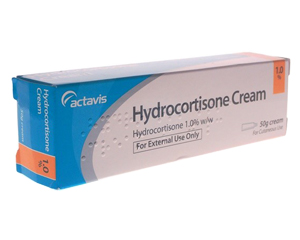
Hydrocortisone
View Options
This website provides general information about medicines for educational purposes only. Always consult your doctor or pharmacist before taking any medication.
Choose Your Medicine
Select dosage and quantity
Online Consultation
Reviewed by a qualified physician
Fast, Discreet Delivery
Delivered to your door
Medical Information
About This Medicine
Hydrocortisone cream is a mild topical corticosteroid used to relieve inflammation, itching, and redness associated with a variety of skin conditions. It is commonly prescribed for eczema (atopic dermatitis), contact dermatitis, insect bites, mild psoriasis, and other inflammatory skin reactions.
As the mildest corticosteroid in the potency classification, hydrocortisone 1% cream is suitable for use on delicate areas such as the face, neck, skin folds, and genital region where stronger steroids carry a higher risk of side effects. It works by suppressing the release of inflammatory mediators in the skin, reducing swelling, redness, and the urge to scratch.
Usage & Dosage
How to Apply Hydrocortisone Cream
Apply a thin layer of hydrocortisone cream to the affected area once or twice daily. Gently rub it in until absorbed. Use the smallest amount needed to cover the area. If you are also using an emollient (moisturiser), apply it first and wait at least 10 to 15 minutes before applying the hydrocortisone cream, to allow absorption.
Do not apply to broken or infected skin unless directed by your prescriber. Avoid covering the treated area with airtight dressings unless specifically advised, as this increases absorption and the risk of side effects.
Hydrocortisone 1% cream is applied once or twice daily for up to one to two weeks for most conditions. If symptoms have not improved within seven to fourteen days, consult your prescriber for review. For facial use, courses should be kept as short as possible (typically no more than five to seven days). Do not exceed the recommended duration without medical advice.
Side Effects
Common Side Effects
When used appropriately, hydrocortisone cream rarely causes significant side effects. Possible effects include:
- Mild stinging or burning on application
- Skin thinning (with prolonged or excessive use)
- Stretch marks (striae)
- Changes in skin pigmentation
- Worsening of existing skin infections
These effects are uncommon with short courses of a mild steroid like hydrocortisone but become more likely with prolonged use, occlusive dressings, or application to large areas. If the treated area worsens or develops signs of infection (increased redness, pus, warmth), stop using the cream and seek medical advice.
Warnings & Precautions
Do not use hydrocortisone cream on untreated bacterial, viral, or fungal skin infections, as it can suppress the immune response and worsen the infection. Common examples include impetigo, cold sores, and ringworm.
Avoid prolonged use on the face, as this can lead to skin thinning, telangiectasia (visible small blood vessels), and a rosacea-like condition (steroid rosacea). Always follow the prescribed duration and return for review if symptoms persist.
Contraindications
Hydrocortisone cream is contraindicated in patients with untreated skin infections (bacterial, fungal, or viral), rosacea, perioral dermatitis, and acne vulgaris. It should not be used on open wounds or ulcerated skin without specific medical direction. Known allergy to hydrocortisone or any component of the cream is also a contraindication.
Frequently Asked Questions
Can I use hydrocortisone cream on my face?
Is hydrocortisone cream safe for children?
Can I use moisturiser with hydrocortisone?
Dr. Ross Elledge
General Practitioner · General & Family Medicine
Verified Healthcare Professional
TopDoctors Profile