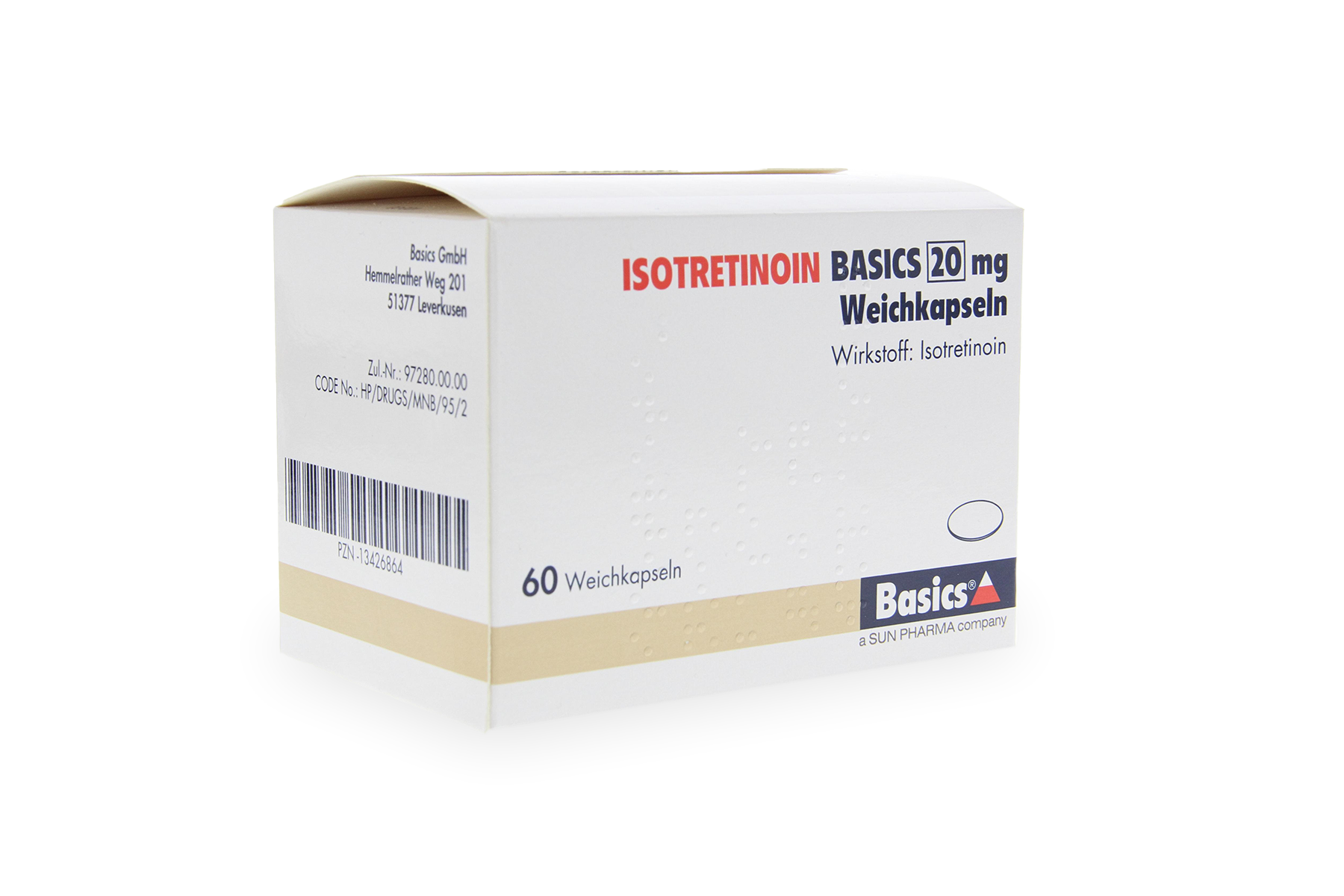
Isotretinoin 30 kaps
This website provides general information about medicines for educational purposes only. Always consult your doctor or pharmacist before taking any medication.
Choose Your Medicine
Select dosage and quantity
Online Consultation
Reviewed by a qualified physician
Fast, Discreet Delivery
Delivered to your door
Medical Information
About This Medicine
Isotretinoin is a powerful oral retinoid reserved for severe, nodulocystic acne that has not responded to adequate courses of standard therapy including oral antibiotics. It works by dramatically reducing sebum production, shrinking sebaceous glands, normalising follicular keratinisation, and reducing C. acnes colonisation. A typical four-to-six-month course can produce long-lasting remission or cure in the majority of patients.
Usage & Dosage
How to Take Isotretinoin
Take isotretinoin capsules with food, ideally a fatty meal, as fat significantly improves absorption. Treatment usually lasts four to six months in total. Your prescriber will start you at a lower dose and adjust it based on how you respond and how well you tolerate it.
Pregnancy Prevention
Women who could become pregnant must use highly effective contraception for at least one month before starting, throughout treatment, and for one month after the last dose. Isotretinoin is severely harmful to an unborn baby. Pregnancy tests are required before, during, and after treatment as part of the mandatory Pregnancy Prevention Programme.
Start at 0.5 mg/kg/day, increasing to 1 mg/kg/day as tolerated. Aim for a cumulative dose of 120 to 150 mg/kg over the course. Duration: 4 to 6 months.
Side Effects
Common Side Effects
Most side effects are dose-related and improve after treatment ends:
- Dry lips and skin (almost everyone gets this, regular use of lip balm and moisturiser is important)
- Dry eyes (particularly if you wear contact lenses)
- Nosebleeds
- Muscle and joint aches
- Raised liver enzymes and blood fat levels
- An initial worsening of acne in the first few weeks
Serious Side Effects
Isotretinoin can affect mood in some people. Tell your doctor straight away if you notice changes in your mood, increased anxiety, or any thoughts of harming yourself. Very rarely, it can cause raised pressure in the skull (presenting as a severe persistent headache and visual disturbance).
Warnings & Precautions
Isotretinoin is a potent teratogen. Women of childbearing age must use two forms of effective contraception, have negative pregnancy tests before and during treatment, and avoid pregnancy for one month after stopping. Regular blood tests (liver function and lipids) are required. There are concerns about mood changes and depression, though a causal link is debated; monitor mental health throughout treatment.
Contraindications
Contraindicated in pregnancy, breastfeeding, hepatic insufficiency, hypervitaminosis A, severely elevated lipids, concurrent tetracycline use, and known hypersensitivity to isotretinoin.
Frequently Asked Questions
Will my acne come back after isotretinoin?
Dr. Ross Elledge
General Practitioner · General & Family Medicine
Verified Healthcare Professional
TopDoctors Profile