
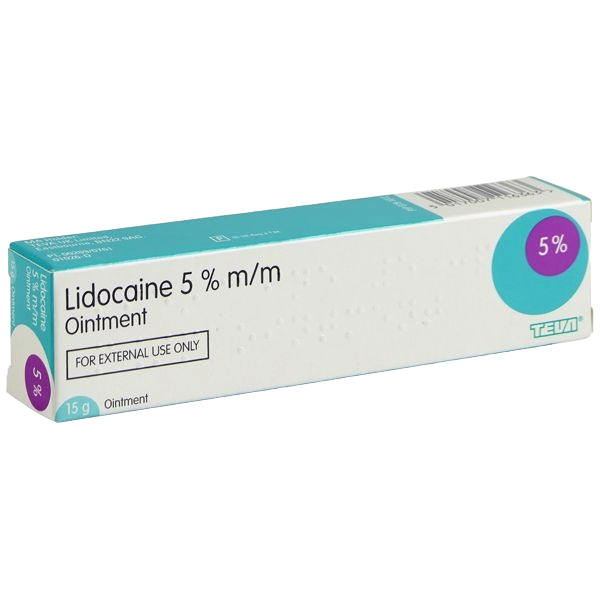
Lidokain 3% vaselinkräm
This website provides general information about medicines for educational purposes only. Always consult your doctor or pharmacist before taking any medication.
Choose Your Medicine
Select dosage and quantity
Online Consultation
Reviewed by a qualified physician
Fast, Discreet Delivery
Delivered to your door
Medical Information
About This Medicine
Lidocaine is a local anaesthetic and antiarrhythmic agent. In topical formulations, it provides temporary numbness for pain relief on mucous membranes and skin. It is available as gels, sprays, patches, and creams for a variety of applications including mouth ulcers, haemorrhoid discomfort, urethral procedures, and post-herpetic neuralgia (medicated plasters).
Usage & Dosage
How to Apply Lidocaine
Apply lidocaine to the affected area as directed by your prescriber or pharmacist. For gel formulations, apply a thin layer up to four times daily to the painful area. For medicated plasters, apply to the area of pain for up to 12 hours within any 24-hour period, then allow a 12-hour plaster-free period.
Apply only to intact, dry skin. Do not use on broken, inflamed, or infected skin unless specifically advised. Wash your hands after applying and avoid contact with eyes or mucous membranes.
Topical gel (2%): apply up to 4 times daily. Medicated plaster (5%): up to 3 plasters for up to 12 hours per day. Maximum depends on formulation and body area.
Side Effects
Side Effects
Side effects with topical lidocaine are uncommon since very little is absorbed into the bloodstream. Possible local effects include:
- Mild irritation at the application site
- Redness or skin reactions
- Temporary numbness spreading beyond the intended area
If you develop a significant skin reaction, widespread redness, or signs of an allergic response such as swelling or a rash, stop using the product and seek medical advice.
Warnings & Precautions
Do not apply to large areas of broken skin. Excessive application may cause systemic toxicity. Medicated plasters should not be applied to inflamed or broken skin.
Contraindications
Contraindicated in known hypersensitivity to lidocaine or other amide-type anaesthetics.
Frequently Asked Questions
Can lidocaine plasters be used for back pain?
Dr. Ross Elledge
General Practitioner · General & Family Medicine
Verified Healthcare Professional
TopDoctors Profile