
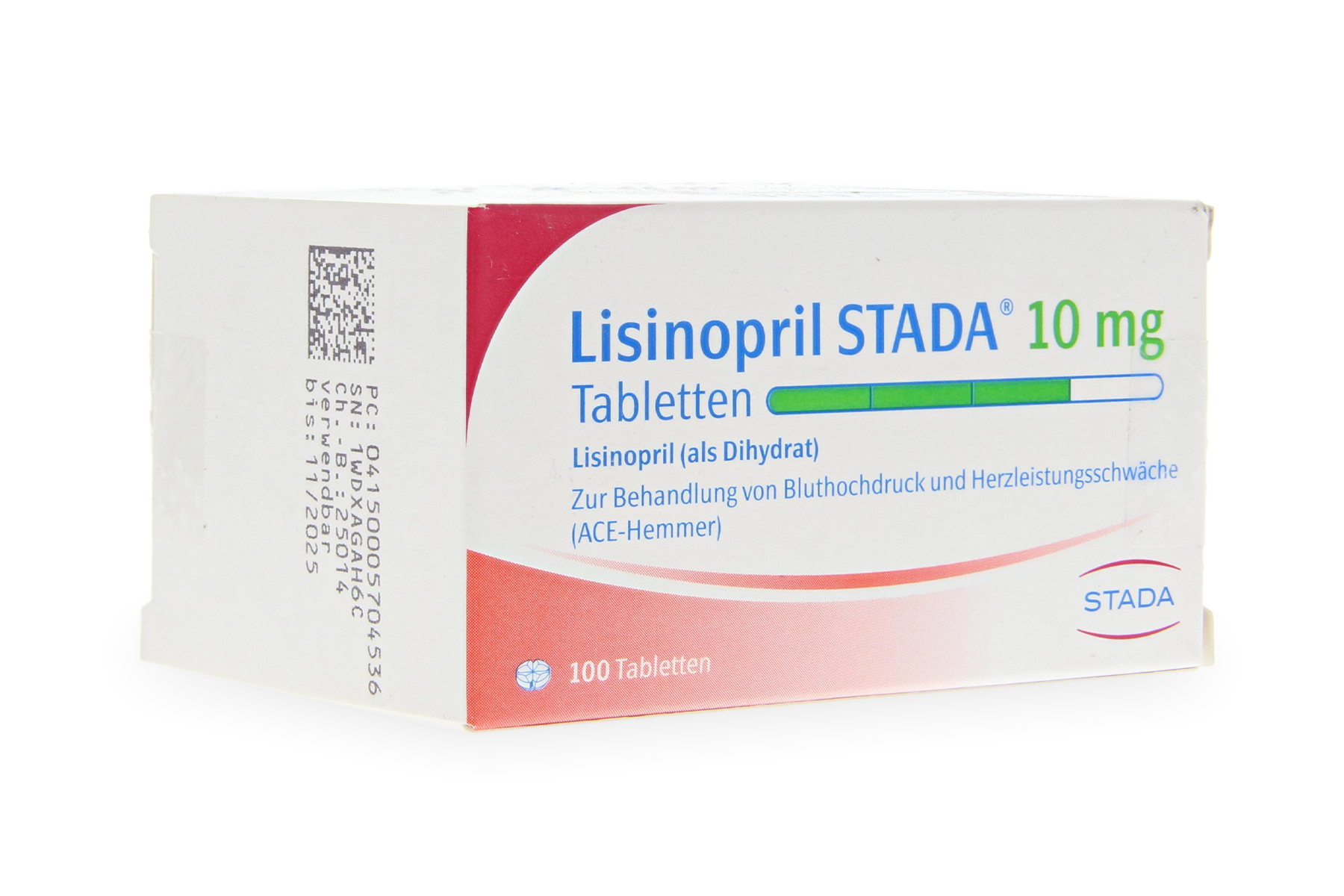
Lisinopril
View Options
This website provides general information about medicines for educational purposes only. Always consult your doctor or pharmacist before taking any medication.
Choose Your Medicine
Select dosage and quantity
Online Consultation
Reviewed by a qualified physician
Fast, Discreet Delivery
Delivered to your door
Medical Information
About This Medicine
Lisinopril is an angiotensin-converting enzyme (ACE) inhibitor, a class of medicine that has become foundational in the treatment of high blood pressure, heart failure, and the prevention of complications following a heart attack. By blocking the enzyme that converts angiotensin I to angiotensin II, a potent vasoconstrictor, lisinopril reduces the resistance in blood vessels, lowering blood pressure and reducing the workload on the heart. It is one of the most commonly prescribed cardiovascular medicines in the UK, owing to its proven efficacy, once-daily dosing, and extensive evidence base.
Cardiovascular Benefits
Beyond simply lowering blood pressure, lisinopril provides organ-protective benefits that go further than its haemodynamic effects alone. In patients with heart failure, it reduces mortality and hospitalisation by interrupting the harmful neurohormonal cascade that causes progressive cardiac remodelling and dysfunction. In survivors of myocardial infarction with impaired left ventricular function, early initiation of an ACE inhibitor improves survival. Lisinopril also slows the progression of diabetic nephropathy by reducing intraglomerular pressure, making it a preferred choice in hypertensive patients with diabetes or chronic kidney disease.
Mechanism of Action
Angiotensin II normally causes arteries to constrict and stimulates the adrenal glands to release aldosterone, which causes salt and water retention. By blocking angiotensin II production, lisinopril allows blood vessels to relax and reduces fluid retention. It also inhibits the breakdown of bradykinin, a vasodilatory peptide. The accumulation of bradykinin is responsible for the characteristic dry, tickling cough that affects up to 15% of patients taking ACE inhibitors.
Place in Therapy
Lisinopril is recommended as a first-line treatment for hypertension in patients under 55 who are not of Black African or Caribbean origin (where calcium channel blockers or thiazide diuretics are preferred). It is first-line in heart failure with reduced ejection fraction and post-MI cardiac protection.
Usage & Dosage
Lisinopril is taken by mouth once daily, at the same time each day. It can be taken with or without food. No specific timing relative to meals is required, as food does not significantly affect its absorption or efficacy. Consistency of timing helps maintain stable blood levels and supports adherence to the once-daily regimen.
Starting Treatment
When lisinopril is started, particularly in patients who are volume-depleted, on diuretic therapy, or have heart failure, there is a risk of a first-dose hypotensive effect, a substantial fall in blood pressure after the initial dose. For this reason, treatment is often started at a low dose (2.5-5mg) and the first dose is sometimes taken at bedtime to minimise the impact of any blood pressure fall. Blood pressure should be checked within one to two weeks of starting treatment and after each dose increase.
Ongoing Management
Lisinopril is a long-term treatment. Blood pressure should be monitored regularly, and renal function and electrolytes (particularly potassium) should be checked before starting treatment and periodically thereafter, typically one to two weeks after initiation or any dose change, and then at least annually. Patients should be alert to the symptoms of hyperkalaemia (high potassium), including muscle weakness or an irregular heartbeat, and to the development of ACE inhibitor cough, which, while harmless, can be troublesome enough to warrant switching to an angiotensin receptor blocker.
For hypertension, the usual starting dose is 10mg once daily, with a maintenance dose of 20mg once daily. Some patients may require up to 40mg daily. In heart failure, treatment starts at 2.5mg once daily and is titrated upwards at intervals of at least two weeks, aiming for a target dose of 20-35mg daily. After a myocardial infarction with haemodynamic stability, 2.5-5mg within 24 hours is recommended, with a target maintenance dose of 10mg twice daily.
For hypertension in patients with renal impairment, the starting dose is adjusted according to creatinine clearance: 5-10mg daily if clearance is 10-30ml/min, and 2.5mg daily if below 10ml/min. In elderly patients, a starting dose of 2.5-5mg is appropriate. Lisinopril is used in children with hypertension under specialist guidance. Regular monitoring of renal function, blood pressure, and potassium is mandatory throughout treatment.
Side Effects
Common Side Effects
- Dry, persistent, tickling cough (affects up to 15% of patients; more common in women and people of East Asian origin)
- Dizziness or lightheadedness, especially after the first dose or a dose increase
- Headache
- Fatigue
- Elevated potassium levels (hyperkalaemia), particularly with concurrent potassium-sparing diuretics
- Nausea or gastrointestinal discomfort
- Renal impairment, particularly in susceptible patients
- Rash
Serious Side Effects
- Angioedema: swelling of the lips, tongue, throat, or face, this is a medical emergency; stop lisinopril immediately and call 999 or go to A&E
- Severe hypotension: particularly at initiation in volume-depleted or heart failure patients
- Acute kidney injury: can occur in patients with bilateral renal artery stenosis or severe hypovolaemia
- Severe hyperkalaemia: may cause life-threatening cardiac arrhythmias; seek urgent assessment for muscle weakness or palpitations
- Teratogenicity: lisinopril must not be taken during pregnancy as it causes serious fetal harm
Warnings & Precautions
Lisinopril carries critical warnings that are essential to communicate to all patients.
Angioedema and Teratogenicity
Angioedema is a potentially life-threatening complication of ACE inhibitor therapy in which the tongue, throat, and airway can swell rapidly, obstructing breathing. It can occur at any point during treatment, not just at initiation. Patients must be told to stop lisinopril immediately and seek emergency medical care if they develop swelling of the face, lips, tongue, or throat, or experience difficulty breathing or swallowing. Patients with a prior history of angioedema, including hereditary or idiopathic forms, must not receive ACE inhibitors. Lisinopril is absolutely contraindicated in pregnancy, where it causes fetal renal hypoperfusion, oligohydramnios, limb contractures, pulmonary hypoplasia, and fetal death. Women of childbearing potential must use effective contraception.
Renal Function and Potassium Monitoring
Lisinopril reduces glomerular filtration pressure in the renal arterioles. In patients with bilateral renal artery stenosis, stenosis of a solitary kidney, or severe hypovolaemia, this can precipitate acute kidney injury. Renal function should be checked before starting and one to two weeks after any initiation or dose change. Lisinopril raises potassium levels, which can become dangerous if combined with potassium-sparing diuretics, potassium supplements, or NSAIDs. Concurrent NSAID use also risks acute kidney injury and should be avoided where possible. Salt substitutes containing potassium chloride should also be avoided.
Contraindications
- History of angioedema related to previous ACE inhibitor treatment
- Hereditary or idiopathic angioedema
- Pregnancy (all trimesters; causes serious fetal harm)
- Concomitant use with aliskiren in patients with diabetes or renal impairment
- Concomitant use with sacubitril/valsartan (must wait 36 hours after stopping sacubitril/valsartan before starting lisinopril)
- Bilateral renal artery stenosis or stenosis of the artery to a solitary kidney
- Hypersensitivity to lisinopril or any ACE inhibitor
- Severe aortic stenosis or hypertrophic obstructive cardiomyopathy (relative)
- Severe hepatic impairment (limited data; use with caution)
Frequently Asked Questions
Why does lisinopril cause a cough and what can I do about it?
Is lisinopril safe to take during pregnancy?
What is angioedema and why is it dangerous with lisinopril?
Can I take ibuprofen or other anti-inflammatories with lisinopril?
Do I need blood tests while taking lisinopril?
Dr. Ross Elledge
General Practitioner · General & Family Medicine
Verified Healthcare Professional
TopDoctors Profile