
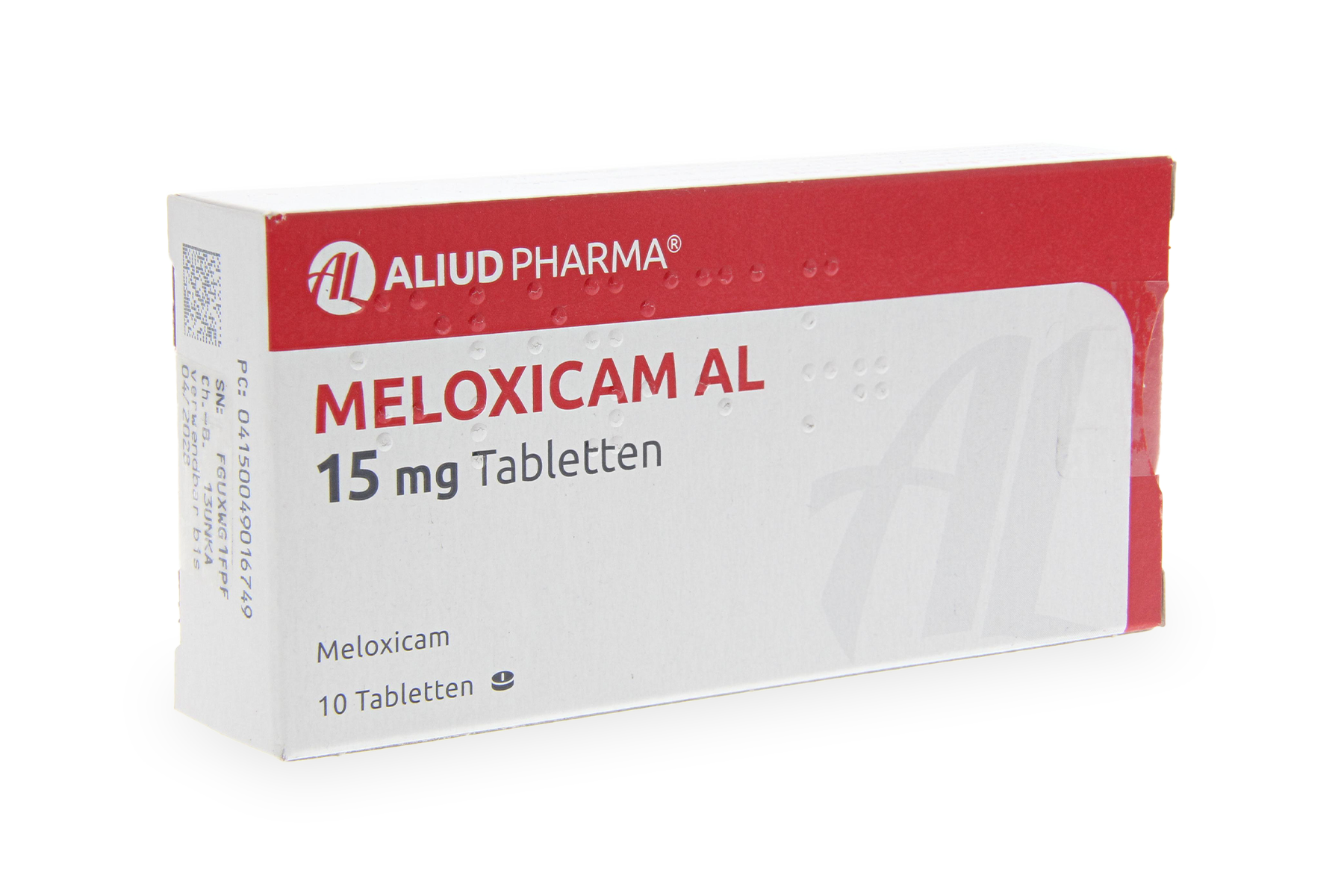
Meloxicam
View Options
This website provides general information about medicines for educational purposes only. Always consult your doctor or pharmacist before taking any medication.
Choose Your Medicine
Select dosage and quantity
Online Consultation
Reviewed by a qualified physician
Fast, Discreet Delivery
Delivered to your door
Medical Information
About This Medicine
Meloxicam is a non-steroidal anti-inflammatory drug (NSAID) that preferentially inhibits cyclo-oxygenase-2 (COX-2) relative to COX-1, giving it a degree of selectivity that may reduce the risk of gastrointestinal side effects compared with non-selective NSAIDs such as ibuprofen or diclofenac. It is used for the relief of pain and inflammation in musculoskeletal conditions including osteoarthritis, rheumatoid arthritis, and ankylosing spondylitis.
Mechanism of Action
NSAIDs exert their anti-inflammatory, analgesic, and antipyretic effects by inhibiting the cyclo-oxygenase (COX) enzymes. COX-1 and COX-2, that are responsible for producing prostaglandins. Prostaglandins are local chemical messengers that sensitise pain receptors, promote inflammation, and maintain the protective mucus lining of the stomach (primarily through COX-1-mediated pathways). By preferentially targeting COX-2 over COX-1, meloxicam reduces inflammation and pain while having a somewhat lesser inhibitory effect on the gastric-protective prostaglandins than non-selective NSAIDs. However, meloxicam is not a fully selective COX-2 inhibitor like celecoxib, it is "preferentially selective", and gastrointestinal risks remain, particularly at higher doses.
Indications and Clinical Use
Meloxicam is indicated for the symptomatic relief of pain and stiffness in osteoarthritis, rheumatoid arthritis, and ankylosing spondylitis. In osteoarthritis, it reduces joint pain and improves mobility, allowing patients to engage more effectively with physiotherapy and daily activities. In rheumatoid arthritis, it is used as part of a broader disease management strategy alongside disease-modifying antirheumatic drugs (DMARDs). Meloxicam does not modify the underlying disease process, it is a symptomatic treatment only.
Dosing and Administration
Meloxicam is formulated as 7.5mg and 15mg tablets for oral administration, taken once daily. Once-daily dosing improves adherence compared with NSAIDs that require multiple daily doses. The lowest effective dose should always be used for the shortest necessary duration to minimise the risk of cardiovascular and gastrointestinal adverse effects.
Usage & Dosage
Meloxicam is taken orally, once daily, with or after food to minimise the risk of gastrointestinal discomfort. It should be taken with a full glass of water. Taking the tablet at the same time each day helps maintain consistent plasma concentrations and a steady anti-inflammatory effect. It should not be taken on an empty stomach, as this increases the risk of gastric irritation.
Starting Treatment
Treatment is usually started at the lower dose of 7.5mg once daily in most patients. This is often sufficient for the relief of osteoarthritis symptoms, and some patients achieve good control at this dose without needing to increase it. If the response is inadequate and the patient is tolerating the lower dose well, the dose may be increased to 15mg once daily after discussion with the prescribing doctor.
Duration of Treatment
Meloxicam, like all NSAIDs, should be used at the lowest effective dose for the shortest duration necessary to control symptoms. In chronic conditions such as rheumatoid arthritis or ankylosing spondylitis, some patients require long-term treatment, but this should be regularly reviewed. If gastrointestinal risk is elevated, a proton pump inhibitor (such as omeprazole) should be co-prescribed to protect the stomach. Regular assessments of cardiovascular risk, renal function, and blood pressure are advisable for patients on long-term therapy.
Osteoarthritis: 7.5mg once daily; may increase to 15mg once daily if needed and tolerated.
Rheumatoid arthritis and ankylosing spondylitis: 15mg once daily; may reduce to 7.5mg once daily if effective.
Elderly patients: 7.5mg once daily; do not exceed this dose in patients over 75 years or those with renal impairment.
Hepatic impairment: No dose adjustment required in mild to moderate impairment; contraindicated in severe hepatic failure.
Renal impairment: Use with caution in mild to moderate impairment; contraindicated in severe renal failure (GFR <30mL/min) except under haemodialysis (7.5mg maximum).
Haemodialysis: Maximum 7.5mg once daily.
Administration: Always take with food or after eating; swallow whole with a full glass of water. Do not exceed 15mg in any 24-hour period.
Side Effects
Common Side Effects
- Dyspepsia, nausea, and abdominal pain
- Diarrhoea or constipation
- Flatulence and bloating
- Headache
- Dizziness
- Oedema (fluid retention) and ankle swelling
- Raised liver enzymes on blood tests
- Skin rash or pruritus
Serious Side Effects
- Gastrointestinal haemorrhage, ulceration, or perforation: potentially life-threatening; watch for black or tarry stools, vomiting blood, or severe abdominal pain, seek emergency care immediately
- Cardiovascular events: increased risk of heart attack and stroke with prolonged use, especially at higher doses, use the lowest effective dose
- Acute kidney injury: particularly in patients with pre-existing renal impairment, heart failure, or liver disease, or those taking diuretics
- Severe skin reactions: Stevens-Johnson syndrome, toxic epidermal necrolysis (rare but serious, stop immediately if skin blistering occurs)
- Bronchospasm: in aspirin-sensitive patients with asthma
Warnings & Precautions
Meloxicam, like all NSAIDs, increases the risk of serious gastrointestinal complications including upper GI bleeding and perforation. This risk is greater at higher doses, with longer duration of use, in elderly patients, and in those with a history of peptic ulcers. Patients at increased gastrointestinal risk should be co-prescribed a proton pump inhibitor. Alcohol and smoking further increase gastrointestinal risk and should be avoided or minimised.
Cardiovascular Risk
Long-term use of NSAIDs, including meloxicam, is associated with a modest but clinically significant increase in the risk of myocardial infarction and stroke. This risk is dose-dependent and increases with duration of use. NSAIDs are contraindicated in patients with established cardiovascular disease or recent cardiovascular events. In patients with risk factors for cardiovascular disease, the benefit-risk ratio should be carefully evaluated before prescribing. Meloxicam is not considered safer than other NSAIDs from a cardiovascular perspective.
Renal and Hepatic Function
Prostaglandins play an important role in maintaining renal perfusion, particularly in patients with compromised renal, cardiac, or hepatic function. NSAIDs can precipitate acute kidney injury in these patients. Renal function should be monitored in at-risk patients. Sodium and water retention may worsen heart failure or hypertension. NSAIDs should be used with great caution, if at all, in patients with significant renal or hepatic impairment.
Contraindications
- Known hypersensitivity to meloxicam, aspirin, or any other NSAID (risk of cross-reactivity)
- Active peptic ulceration or gastrointestinal haemorrhage (current or within the past year)
- History of NSAID-associated gastrointestinal perforation or bleeding
- Severe hepatic impairment
- Severe renal impairment (GFR <30mL/min, not on haemodialysis)
- Severe, uncontrolled heart failure
- After coronary artery bypass graft (CABG) surgery
- Third trimester of pregnancy (risk of premature closure of the ductus arteriosus and maternal/foetal complications)
- Breastfeeding
- Children and adolescents under 16 years (not licensed)
Frequently Asked Questions
Is meloxicam safer on the stomach than ibuprofen?
How long does meloxicam take to work?
Can I take meloxicam and paracetamol together?
Is meloxicam safe for long-term use in arthritis?
Can I take meloxicam if I have high blood pressure?
Dr. Ross Elledge
General Practitioner · General & Family Medicine
Verified Healthcare Professional
TopDoctors Profile