
Men's Health Treatments from UK-Registered Doctors
Men's health conditions are often missed and undertreated. This is partly because men are 50% less likely than women to see their GP. The conditions range from low testosterone to an enlarged prostate (benign prostatic hyperplasia). As a prescriber, I focus on early screening and treatments backed by evidence. Tamsulosin 400 mcg eases urinary symptoms within 48 hours. Testosterone replacement brings levels back to normal in men with low testosterone within 3-6 weeks.
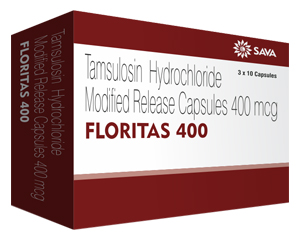
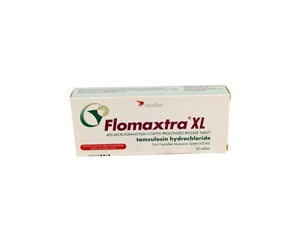
Tamsulosin 400 mcg once a day relaxes the prostate muscle. It improves how fast you pass urine by 20-25% within 48 hours.
Low testosterone (below 8 nmol/L on two morning blood samples) affects 2-6% of men aged 40-79, based on the EMAS study.
PSA testing needs your informed consent under NHS guidance. A PSA above 3 ng/mL at age 50-69 means you should be referred to a urologist.
Finasteride 5 mg shrinks the prostate by 20-25% over 6-12 months. It also halves the risk of being unable to pass urine (acute urinary retention).
About Men's Health
Understanding Men's Health Conditions
Several men's health conditions harm quality of life but stay undertreated. Men often find it hard to ask for help, and culture plays a part.
Data from the Men's Health Forum shows that men in the UK die on average 3.7 years earlier than women. Much of this gap comes from causes we could prevent.
Benign prostatic hyperplasia (BPH) means an enlarged prostate. It is the most common prostate problem in older men. It affects 50% of men by age 50 and 80% by age 80.
The bigger prostate presses on the urethra, the tube that carries urine. This causes lower urinary tract symptoms (LUTS).
These split into storage symptoms (needing to go often, sudden urges, waking at night to pass urine) and voiding symptoms (trouble starting, a weak stream, not emptying fully, and dribbling at the end).
The International Prostate Symptom Score (IPSS) measures how bad the symptoms are:
- Mild: 0-7
- Moderate: 8-19
- Severe: 20-35
Testosterone deficiency syndrome (low testosterone, also called hypogonadism) affects 2-6% of men aged 40-79. This figure comes from the European Male Ageing Study.
Symptoms include tiredness, low sex drive, erection problems, loss of muscle, more belly fat, low mood, and weaker bones.
To confirm it, you need two morning blood tests showing total testosterone below 8 nmol/L. It can also be below 12 nmol/L if you have symptoms and low free testosterone.
Prostate cancer is the most common cancer in UK men, with about 52,000 new cases each year. PSA screening is still debated.
It can find cancer early, but it also picks up cancers that would never cause harm. This can lead to overdiagnosis and overtreatment.
NHS guidance says you must give informed consent and share the decision with your clinician before a PSA test.
Other men's health conditions we treat in primary care:
- Male-pattern baldness (covered separately under hair-loss)
- Erectile dysfunction and premature ejaculation (covered in their own categories)
- Gynaecomastia: enlarged breast tissue, which may point to a hormone imbalance
- Peyronie's disease: a plaque in the penis that causes a bend, affecting 3-9% of men
BPH and Testosterone Treatment Options
Medicines for BPH and low testosterone follow clear guidelines. These come from NICE, the British Association of Urological Surgeons (BAUS), and the British Society for Sexual Medicine (BSSM).
Alpha-1 adrenoceptor blockers are the first choice for moderate to severe LUTS:
- Tamsulosin 400 mcg modified-release once a day is the most prescribed alpha-blocker for BPH. It blocks alpha-1A receptors in the prostate and bladder neck. This relaxes the muscle and helps you pass urine. It works fast, within 48 hours. Common side effects include a drop in blood pressure on standing (2-5%), dizziness (3%), semen going backwards into the bladder (retrograde ejaculation, 4-11%), and a blocked nose.
- Alfuzosin and doxazosin are other options. Doxazosin also lowers blood pressure by 5-8 mmHg. This makes it a good choice for men who also have high blood pressure.
5-alpha reductase inhibitors for prostates above 30 mL:
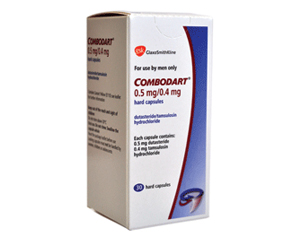
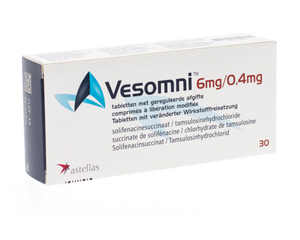
- Finasteride 5 mg daily stops testosterone turning into DHT in the prostate. This shrinks the gland by 20-25% over 6-12 months. It halves the risk of being unable to pass urine and the need for surgery. The MTOPS trial showed that combining tamsulosin and finasteride works better than either drug alone for stopping BPH from getting worse.
- Dutasteride 0.5 mg daily blocks both type I and type II 5-alpha reductase. This shrinks the prostate slightly more.
Testosterone replacement for confirmed low testosterone:
- Testosterone undecanoate IM (Nebido) 1 g every 10-14 weeks after the first loading doses
- Testosterone gel (Testogel, Tostran) rubbed onto the skin each day. The dose is flexible, and levels become steady within 2-3 weeks.
- Testosterone patches (Androderm), used less often because they can irritate the skin
Before starting testosterone, the BSSM asks for:
- A baseline PSA (testosterone must not be used if PSA is above 4 ng/mL without a urology check)
- A full blood count (testosterone makes you produce more red blood cells; if haematocrit goes above 0.54, the dose must be lowered)
- A lipid profile and HbA1c
- A DXA scan if weak bones (osteoporosis) are suspected
- Checks at 3, 6, and 12 months, then once a year: PSA, haematocrit, lowest testosterone levels, liver function, and lipid profile
Prostate Screening and Cancer Awareness
Knowing about prostate cancer and screening matters for men's health. You have to weigh early detection against overdiagnosis. The best way is to share the decision between you and your clinician.
PSA (prostate-specific antigen) is an enzyme made by the prostate. PSA in the blood goes up with prostate cancer.
But it also rises with BPH, prostate inflammation (prostatitis), a urine infection, and after hard exercise or ejaculation. This is the main problem: PSA is not specific enough.
The PSA referral thresholds used in UK practice change with age:
- Age 50-59: refer if above 3.0 ng/mL
- Age 60-69: refer if above 4.0 ng/mL
- Age 70+: refer if above 5.0 ng/mL
The NHS does not offer screening to the whole population. There are two reasons. About 70% of men with a raised PSA do not have cancer, and screening can find cancers that would never cause harm.
Still, any man over 50 can ask for a PSA test after an informed consent talk. So can men over 45 with a family history or Black ethnicity.
Risk factors for prostate cancer:
- Age: 75% of cases happen in men over 65
- Family history: a first-degree relative with prostate cancer doubles your risk; a BRCA2 mutation raises it 3-5 fold
- Ethnicity: Black men in the UK have twice the rate and 2.5 times the death rate of White men
- Obesity: linked to more aggressive cancer at diagnosis
Symptoms that need checking:
- Visible blood in the urine (haematuria): refer on the 2-week urgent cancer pathway
- Worsening trouble passing urine that does not respond to BPH treatment
- Bone pain (especially lower back, pelvis, or hips) in men over 50
- Unexplained weight loss along with urinary symptoms
Modern pathways use a multiparametric MRI (mpMRI) before a biopsy. The PROMIS and PRECISION trials showed that mpMRI finds important cancers with 93% sensitivity.
It also cuts needless biopsies by 27% and helps find aggressive disease.
Active surveillance is the advised approach for low-risk localised prostate cancer (Gleason 3+3, PSA below 10).
It avoids the side effects of treatment while watching closely for any change through regular PSA, MRI, and biopsy.
Lifestyle Strategies for Men's Health
Lifestyle changes are the base of men's health care. They help prevent disease and make medicines work better.
Exercise and testosterone: Regular resistance training raises testosterone by 15-20% straight after a session. Kept up over 12 weeks, it modestly lifts your baseline levels too.
Big compound moves (squats, deadlifts, bench press) give the biggest hormone boost. Overtraining does the opposite. It lowers testosterone by raising cortisol.
This is seen in endurance athletes who run more than 60-70 miles a week.
Weight management: Fat tissue holds an enzyme called aromatase, which turns testosterone into oestradiol.
Men with a BMI above 30 have 30-40% lower total testosterone on average than men of normal weight. Losing 10% of your body weight raises testosterone by 2-3 nmol/L.
This often moves a man from deficient back into the normal range.
Diet for prostate health: The strongest diet evidence comes from the Health Professionals Follow-Up Study and the EPIC cohorts:
- Lycopene (cooked tomatoes): linked to a 10-20% lower prostate cancer risk in observational studies
- Cruciferous vegetables (broccoli, cauliflower): their glucosinolate by-products slow cell growth in early lab studies
- Oily fish (2 portions a week): the omega-3 fats lower body-wide inflammation and may slow how fast PSA rises
- Limit processed red meat: the WHO classes it as a Group 1 carcinogen; the link to bowel cancer is stronger than the link to prostate cancer
Reducing LUTS through lifestyle:
- Drink less in the evening to cut night-time urination (stop drinking 2 hours before bed)
- Cut down on caffeine (it irritates the bladder) and alcohol (it acts as a diuretic and makes you go more often)
- Pass urine on a timed schedule every 3-4 hours, and double void (pass urine, wait 30 seconds, then go again) to empty the bladder better
- Pelvic floor exercises strengthen the muscle around the urethra and reduce dribbling after you finish
Sleep and hormones: Testosterone is made mostly during REM sleep. Men who sleep fewer than 5 hours a night have testosterone levels 10-15% lower than men who sleep 7-8 hours.
Good sleep habits support your hormones, mood, and metabolism.
Mental health: Men make up 75% of UK suicides. Depression and anxiety are often missed in men.
This is partly because the signs show up as irritability, risk-taking, and substance misuse rather than the classic low mood. Making it normal for men to ask for help is a clinical priority.
Frequently Asked Questions
How do I know if I have low testosterone?
Does tamsulosin affect sexual function?
Should I have a PSA test?
Can BPH medication shrink my prostate?
Is testosterone replacement safe long-term?
What are the side effects of finasteride 5 mg for BPH?
The medical information on this site is provided for educational purposes. It does not replace a face-to-face consultation with your GP or specialist. Always follow the advice of your prescribing doctor and read the patient information leaflet supplied with your medication.