
Contraceptive Pills Prescribed by UK-Registered Doctors
Hormonal contraception is one of the most effective forms of birth control when you use it correctly. But choosing between combined and progestogen-only pills needs careful clinical checks. As a GP, I screen every patient against the UK Medical Eligibility Criteria for Contraceptive Use. This guidance is adapted from the WHO and helps me find the safest, most suitable option for you. More than 3.1 million women in the UK now use the oral contraceptive pill.
Combined oral contraceptives are over 99% effective with perfect use and 91% effective with typical use
Progestogen-only pills (desogestrel 75 mcg) give you a 12-hour window for a late pill, compared with 3 hours for older POPs
UKMEC Category 4 means you should not take the combined pill, for example with migraine with aura, a BMI above 35, or active VTE
FSRH guidelines advise starting the pill on days 1-5 of your menstrual cycle for immediate contraceptive cover

Nuvaring

Yasmin
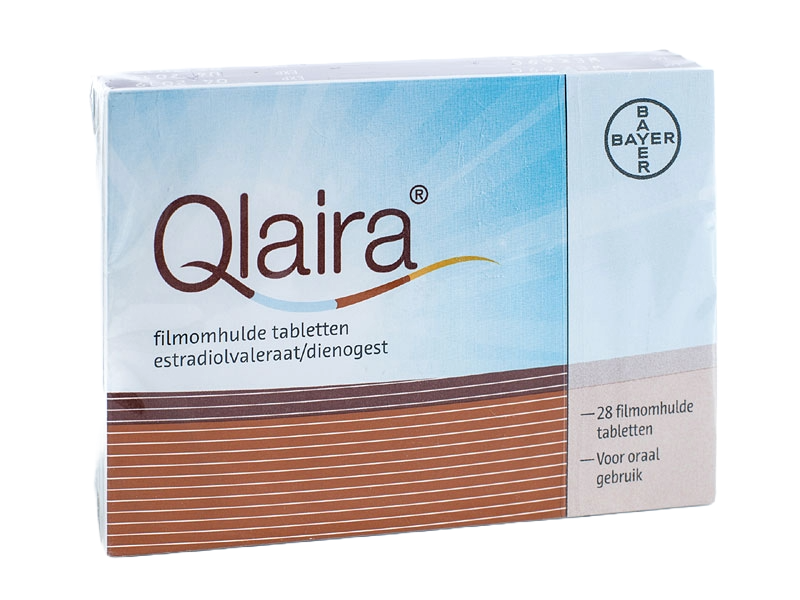
Qlaira
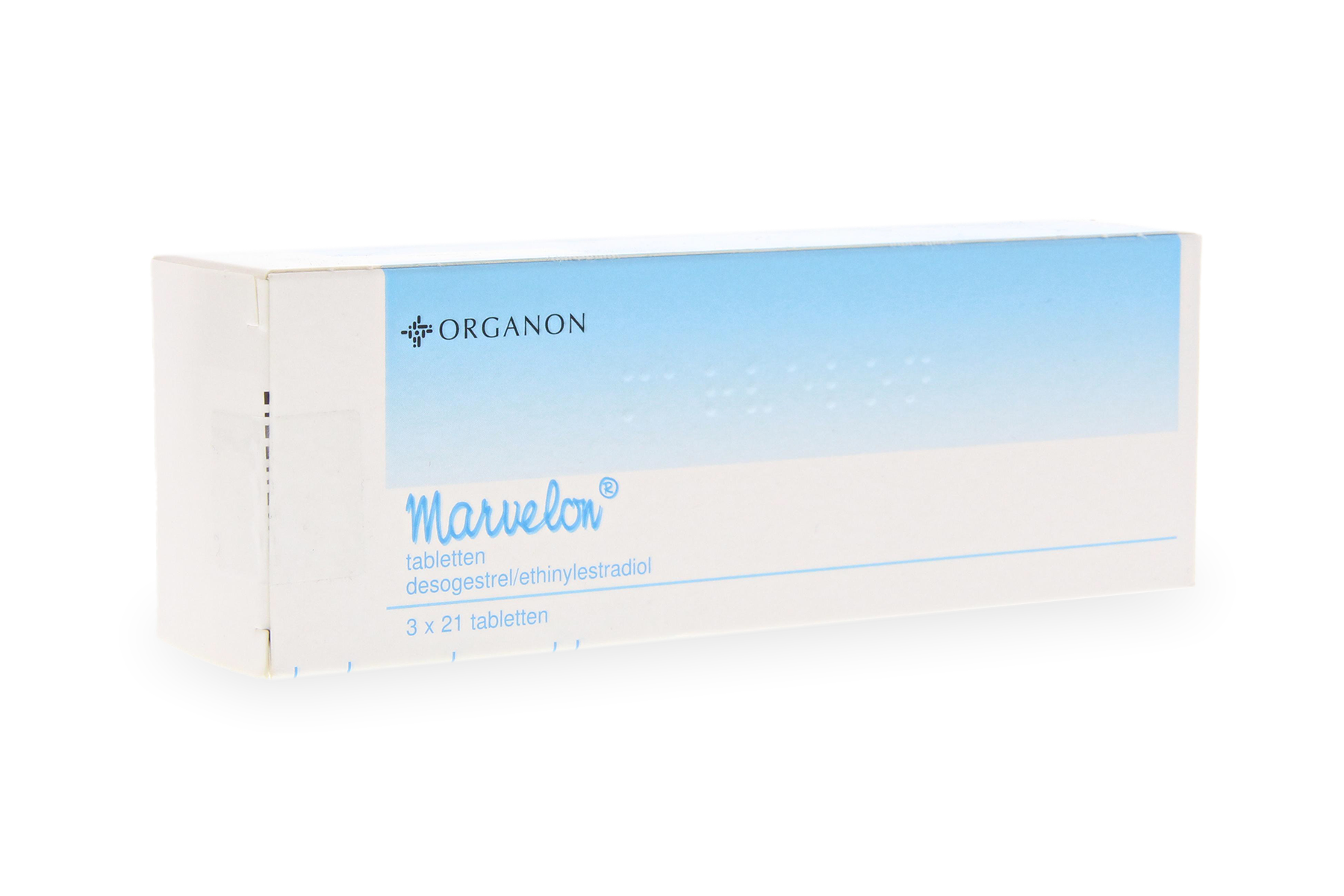
Marvelon
Mercilon
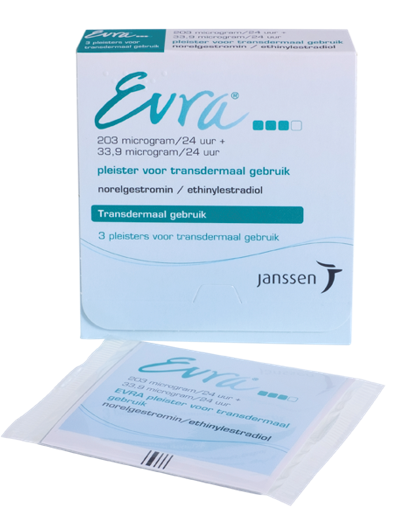
Evra Patches
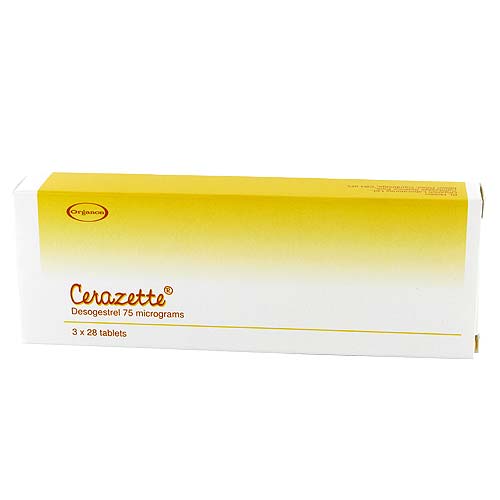
Cerazette

Microgynon 30
Femodette

Logynon
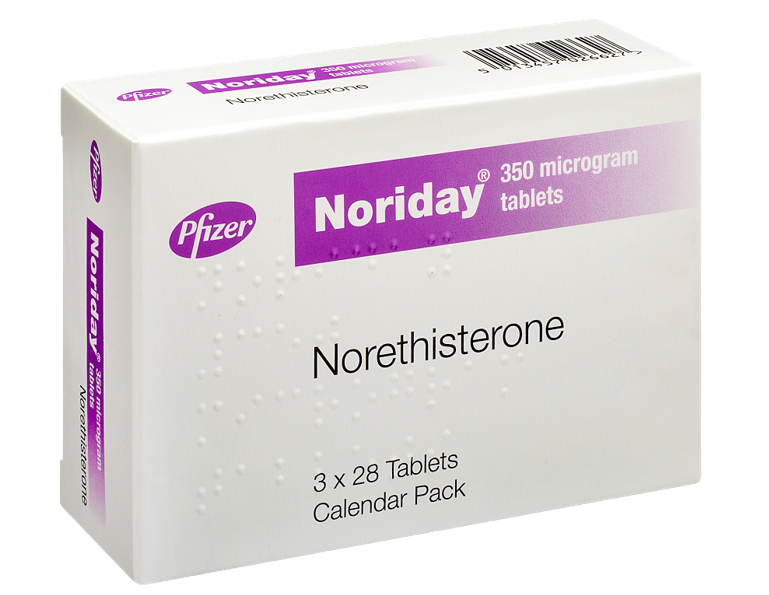
Noriday
Ovranette
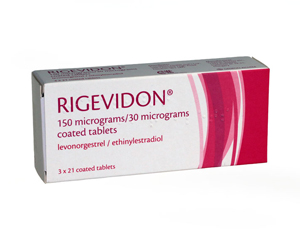
Rigevidon
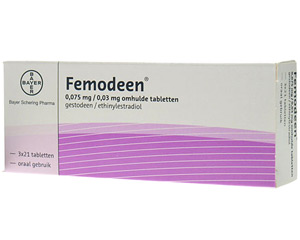
Femodene
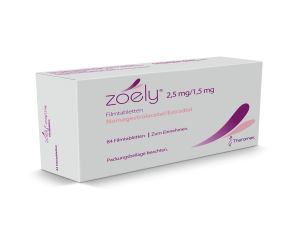
Zoely
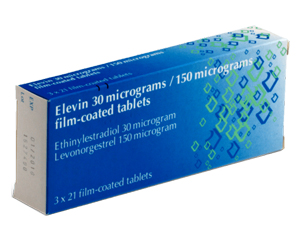
Elevin
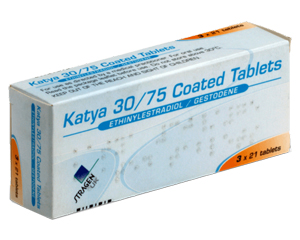
Katya
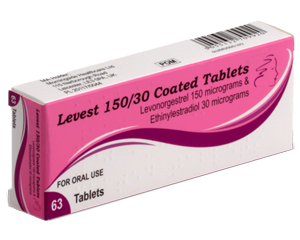
Levest
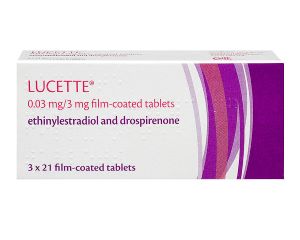
Lucette
About Contraception
Types of Oral Contraception
Oral contraceptive pills come in two main types. Each one works in a different way and carries its own benefits and risks.
Knowing how they differ helps you make an informed choice with your prescriber.
The combined oral contraceptive (COC) contains both oestrogen (usually ethinylestradiol 20-35 mcg) and a progestogen.
The oestrogen lowers follicle-stimulating hormone (FSH), so an egg does not develop. The progestogen stops the surge of luteinising hormone (LH), so you do not release an egg.
The combined pill also thickens the mucus at the neck of the womb and thins the womb lining.
We group COCs by the type, or "generation", of progestogen they contain:
- 2nd generation: Levonorgestrel (Microgynon 30, Rigevidon). This has the lowest risk of blood clots (VTE) among COCs and is the FSRH first-line choice.
- 3rd generation: Desogestrel (Marvelon), gestodene (Femodene). These carry a slightly higher clot risk (6-8 per 10,000 women-years, versus 5-7 for 2nd generation).
- Anti-androgenic: Cyproterone acetate with ethinylestradiol (co-cyprindiol). This is used for acne and excess hair growth alongside contraception. It has the highest clot risk in this group.
- Newer progestogens: Drospirenone (Yasmin), dienogest (Qlaira). Drospirenone has a mild effect that reduces water retention.
The progestogen-only pill (POP) contains a single progestogen and no oestrogen. The traditional POP (norethisterone 350 mcg) works mainly by thickening cervical mucus.
You must take it within a strict 3-hour window each day. The newer desogestrel POP (Cerazette, Cerelle, Feanolla, 75 mcg) also stops you releasing an egg in 97% of cycles.
It gives you a more forgiving 12-hour window for a late pill.
The POP suits women who cannot take oestrogen because of:
- Migraine with aura
- A past blood clot in a vein (venous thromboembolism)
- A BMI above 35
- Being over 35 and smoking
- Breastfeeding (you can start it from day 1 after birth)
- High blood pressure (systolic 140-159 mmHg)
Both types of pill are over 99% effective with perfect use. With typical use, which allows for missed pills and human error, this drops to about 91%.
Medical Eligibility and Safety Screening
Every contraceptive prescription at Dr. Presc follows the UK Medical Eligibility Criteria for Contraceptive Use (UKMEC).
The Faculty of Sexual and Reproductive Healthcare (FSRH) adapted this from WHO guidelines. It rates conditions on a scale from 1 (no restriction) to 4 (an unacceptable health risk).
UKMEC Category 4 for the combined pill means you should not use this method. It applies if you have:
- Migraine with aura at any age
- A current or past blood clot in a vein (DVT, PE)
- A known clotting disorder (Factor V Leiden, Protein C/S deficiency)
- Heart disease from poor blood supply or a previous stroke
- Current breast cancer
- Severe liver scarring (cirrhosis) or liver tumours
- Major surgery with a long period of not moving
- Systolic blood pressure of 160 mmHg or above
- Age 35 or above and smoking 15 or more cigarettes a day
UKMEC Category 3 means the risks usually outweigh the benefits, so we prescribe only with specialist advice. It applies if you have:
- A BMI of 35-39 (Category 4 if your BMI is 40 or above)
- Age 35 and smoking fewer than 15 cigarettes a day
- Well-controlled high blood pressure
- Migraine without aura when you are over 35
- Several heart and circulation risks together (such as diabetes, high blood pressure, smoking and obesity)
The progestogen-only pill has very few absolute reasons not to use it. The main ones are current breast cancer and severe liver failure.
This makes it the default oral choice for women with oestrogen-related risks.
We must take a blood pressure reading before you start the combined pill. FSRH guidance requires a reading below 140/90 mmHg.
For online consultations, you need to give us a recent reading from the past 12 months. This can come from your GP, pharmacy, or home monitor.
Checking your clot (VTE) risk is central to safe COC prescribing:
- Background clot risk in women of childbearing age: 2 per 10,000 women-years
- COC with levonorgestrel: 5-7 per 10,000
- COC with desogestrel or gestodene: 6-12 per 10,000
- Pregnancy itself carries a clot risk of 29 per 10,000
Our prescribers carry out a full risk check before issuing any COC prescription. This looks at family history, BMI, smoking and migraine history.
We always do this screening, even if you have taken the pill before elsewhere.
Benefits Beyond Contraception
Oral contraceptives have well-proven health benefits beyond birth control. These can shape prescribing, especially when you want to manage a specific condition as well.
Settling your cycle is one of the most common non-contraceptive reasons to use the COC. The pill gives you predictable withdrawal bleeds, or no bleeds if you take it without a break.
It also cuts menstrual blood loss by 40-50%, so it is a first-line treatment for heavy periods.
Period pain (dysmenorrhoea) improves in about 70-80% of women on the COC, because it lowers the production of prostaglandins.
Acne and excess hair (hirsutism) respond to the anti-androgen effect of certain COCs.
The oestrogen raises a protein called sex hormone-binding globulin (SHBG), which lowers the amount of free testosterone in the blood.
Co-cyprindiol (Dianette) contains cyproterone acetate, a strong anti-androgen, but we keep it for moderate-to-severe acne that has not responded to creams.
Pills with desogestrel or drospirenone also help skin conditions driven by male hormones.
Lower cancer risk:
- Ovarian cancer risk falls by 20% for every 5 years of COC use, and this protection lasts 15-20 years after you stop
- Endometrial (womb lining) cancer risk is halved with 5 or more years of COC use
- Bowel (colorectal) cancer risk drops by about 20%
- These protective effects are among the most important long-term benefits of the COC
Endometriosis and adenomyosis symptoms are managed with continuous COC use. The pill stops ovulation and reduces the monthly hormonal swings that feed the growth of womb-like tissue elsewhere.
NICE recommends the COC as a first-line medicine for endometriosis pain.
Polycystic ovary syndrome (PCOS) care often includes the COC. It helps to settle cycles, lower male hormones, and protect the womb lining.
This guards against the thickening that can happen when oestrogen acts unopposed in women who do not ovulate.
Possible risks need to be weighed against these benefits:
- A small rise in breast cancer risk while you take the pill, and for 5-10 years after you stop (relative risk 1.2)
- A slightly higher cervical cancer risk with long-term use (over 5 years)
- In real terms these risks are generally small, and they fall after you stop the pill
How to Take Your Pill Correctly
Taking the pill correctly gives you the best protection and helps prevent unplanned pregnancy.
How well you stick to it decides whether you reach the 99% effectiveness of perfect use or the 91% of typical use.
Combined pill, standard 21/7 routine:
- Take one pill at the same time each day for 21 days
- Take a 7-day pill-free break (or placebo pills if you use an everyday pack)
- You stay protected during the break, as long as you start the next strip on time
- The pill-free week is the riskiest time for conception. Making it longer than 7 days is the most common cause of pill failure.
Continuous or extended routines are now used more often, and the FSRH supports them.
Taking 3 strips back-to-back (63 days), then a 4-7 day break, cuts unexpected bleeding while keeping the pill effective.
Some women prefer to stop withdrawal bleeds altogether by taking the pill without any break. This is safe and backed by FSRH guidance.
Progestogen-only pill:
- Take one pill at the same time every day, with no break
- For desogestrel POPs (Cerazette, Cerelle), a pill counts as "missed" if you take it more than 12 hours late
- For traditional POPs (norethisterone), a pill counts as "missed" if you take it more than 3 hours late
What to do if you miss a pill (COC):
- 1 missed pill (up to 48 hours late): take it as soon as you remember, carry on with the rest of the pack as normal, and you need no extra contraception
- 2 or more missed pills (48+ hours late): take the most recent pill, skip any earlier missed ones, and use condoms for the next 7 days. If you missed pills in week 1 and had unprotected sex, think about emergency contraception. If it happened in week 3, skip the pill-free break and start the next strip straight away.
Things that can make the pill less effective:
- Drugs that speed up the liver: carbamazepine, phenytoin, rifampicin, St John's Wort, and some HIV medicines
- Being sick (vomiting) within 2 hours of taking the pill (take another pill)
- Severe diarrhoea lasting more than 24 hours
- Most broad-spectrum antibiotics do NOT reduce COC effectiveness (a common myth), except rifampicin
FSRH guidance suggests simple habits, such as setting a daily phone alarm and keeping your pills somewhere you will see them.
Getting 3-6 months' supply from the pharmacy lowers the risk of running out.
Monitoring and When to Seek Advice
Regular checks keep oral contraception safe for as long as you use it. The FSRH advises a first review 3 months after you start a new pill, then once a year after that.
Your yearly review should cover:
- A blood pressure reading (for COC users only, and we stop the pill if it stays above 140/90 mmHg)
- A new BMI check (the COC is not advised at a BMI of 40 or above, and is UKMEC 3 at a BMI of 35-39)
- An update on your smoking (the COC is not advised for smokers aged 35 or over)
- A migraine check (new aura means you should stop the COC straight away)
- A look at any new medicines or diagnoses that change whether the pill is right for you
- A cervical screening reminder (the pill does not change screening intervals, but long-term COC use slightly raises cervical cancer risk)
Stop the pill and get urgent medical advice if you have:
- A sudden severe headache, especially with vision changes or weakness on one side (a possible stroke)
- Calf pain and swelling, unexplained breathlessness, or chest pain (a possible clot, DVT or PE)
- Sudden loss of vision, partial or full
- Severe stomach pain
- Yellow skin (jaundice) or signs of liver inflammation (hepatitis)
- A first-ever migraine with aura
- Blood pressure above 160/95 mmHg on repeated readings
Common side effects usually settle within 2-3 months:
- Unexpected bleeding (affects 30-50% in the first 3 months and clears in most by month 4)
- Breast tenderness
- Headache (the non-migraine kind)
- Mood changes (the evidence on depression risk is mixed; a Danish cohort study suggested a small rise in antidepressant use among COC users, but the actual increase in risk was modest)
- Nausea (taking the pill with food or at bedtime helps)
Switching pills: If side effects last beyond 3 months or you cannot tolerate them, your prescriber can switch you to another pill.
Moving to a lower oestrogen dose (20 mcg instead of 30 mcg) eases oestrogen-related side effects. Changing the type of progestogen may help mood-related or skin side effects.
Moving from the COC to the POP removes oestrogen-related risks completely.
When you order repeat prescriptions through Dr. Presc, the consultation includes a short yearly review checklist. This confirms you still meet the safety criteria.
We need a blood pressure reading to renew a COC.
Frequently Asked Questions
Which pill is best for me - combined or progestogen-only?
Can I skip my period on the pill?
Do antibiotics stop the pill from working?
How quickly does the pill start working?
Will the pill make me gain weight?
Can I get the pill without a recent blood pressure reading?
The medical information on this site is provided for educational purposes. It does not replace a face-to-face consultation with your GP or specialist. Always follow the advice of your prescribing doctor and read the patient information leaflet supplied with your medication.