
Antibiotics Prescribed Responsibly by UK Doctors
Antibiotic resistance is one of the biggest threats to global health. If we do nothing, it could cause 10 million deaths a year by 2050. As a prescribing GP, I follow strict NICE antimicrobial stewardship guidelines. I prescribe antibiotics only when they are clinically needed. I choose targeted narrow-spectrum medicines first, and I use culture sensitivity data to guide treatment where it is available.
NICE antimicrobial guidelines recommend narrow-spectrum antibiotics as first-line to limit resistance developing
Amoxicillin 500 mg three times daily for 5 days is still the first-line choice for most community-acquired infections
UK antibiotic resistance rates for E. coli to amoxicillin now top 55%, so susceptibility testing is critical
Finishing the prescribed course matters. MHRA guidance warns against stopping early without clinical advice
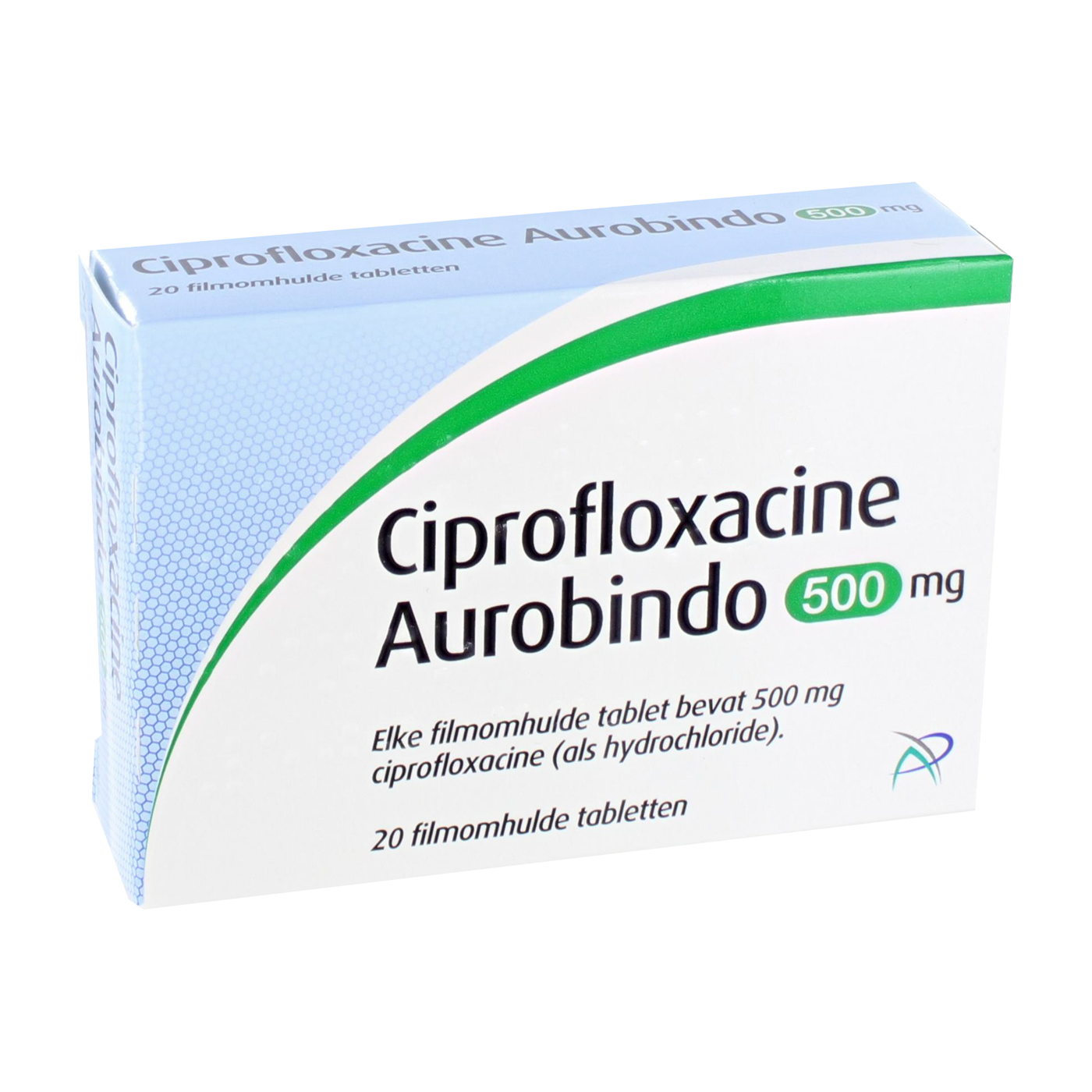
About Antibiotics
When Antibiotics Are Clinically Necessary
Antibiotics treat bacterial infections. They do nothing for viral illnesses such as the common cold, influenza, or most sore throats.
Telling bacterial and viral infections apart is a core clinical skill. Responsible prescribing starts with that judgement.
Common bacterial infections that genuinely need antibiotics include:
- Urinary tract infections (pain on passing urine, needing to go often, pain above the pubic bone, and a positive dipstick showing nitrites and leucocytes)
- Bacterial skin infections (cellulitis, impetigo, infected wounds with spreading redness)
- Lower respiratory tract infections with signs of bacterial pneumonia (a cough that brings up phlegm, fever above 38.5°C, focal chest signs)
- Sexually transmitted infections such as chlamydia (azithromycin 1 g as a single dose, or doxycycline 100 mg twice daily for 7 days)
- Acute bacterial sinusitis that lasts beyond 10 days with thick discharge
Many infections seen in primary care clear up on their own. A study in the BMJ found that 72% of sore throats settle within 7 days without antibiotics.
NICE recommends a delayed prescription, or no antibiotics, for most cases of acute bronchitis, ear infection (otitis media) in children over 2, and mild sinusitis.
CRP point-of-care testing helps guide the decision. A CRP below 20 mg/L points to a viral cause, where antibiotics can safely be held back. Values between 20-100 mg/L need clinical judgement.
A CRP above 100 mg/L strongly suggests a bacterial infection that needs treatment.
The choice to prescribe weighs up how severe the infection is, the patient's risk factors (a weakened immune system, very young or very old age, other health conditions), and how likely the cause is bacterial rather than viral.
We carry out this clinical assessment at every consultation at Dr. Presc.
Common Antibiotic Prescriptions in UK Practice
UK prescribers follow the NICE Clinical Knowledge Summaries and local drug lists when they choose an antibiotic. One rule guides every choice.
Use the narrowest-spectrum agent that works, at the lowest dose that works, for the shortest time that works.
Amoxicillin is still the most prescribed antibiotic in UK primary care. It belongs to the penicillin class.
It is first-line for chest infections, ear infections, dental abscesses, and urinary tract infections where sensitivity is confirmed. The standard dose is 500 mg three times daily for 5-7 days.
Some patients are allergic to penicillin. For them, the usual options are clarithromycin 500 mg twice daily, or doxycycline 200 mg on day one then 100 mg daily.
Nitrofurantoin is the NICE first-line choice for simple lower UTIs in women. The dose is 100 mg modified-release twice daily for 3 days.
Resistance is low, at about 3% in the UK, and it barely touches the gut bacteria.
Doxycycline is a tetracycline antibiotic. It works well against atypical bugs. So it is first-line for community-acquired pneumonia when an atypical infection is likely.
It is also the first choice for chlamydia, at 100 mg twice daily for 7 days. Doctors use it for rosacea, acne, and Lyme disease too.
Flucloxacillin treats skin infections caused by staphylococcal and streptococcal bacteria. These include cellulitis and wound infections. The dose is 500 mg four times daily for 5-7 days.
Take it on an empty stomach, 30 minutes before food.
Co-amoxiclav is amoxicillin plus clavulanic acid. We keep it back for infections where beta-lactamase-producing organisms are likely.
These include UTIs that fail first-line treatment, complicated skin infections, and animal bite wounds.
Key prescribing points:
- Nitrofurantoin needs a lower dose in kidney problems. Avoid it if the eGFR is below 45
- Metronidazole reacts with alcohol. This is called a disulfiram-like reaction
- Macrolides such as clarithromycin and azithromycin prolong the QT interval
- Doxycycline causes photosensitivity, where the skin reacts to sunlight. It can also irritate the gullet if taken without enough fluid
Antibiotic Resistance: A Growing UK Crisis
Antimicrobial resistance (AMR) is a public health emergency. In the UK, drug-resistant infections already cause an estimated 12,000 deaths a year.
The government has a 5-year AMR national action plan with firm targets. It aims to cut antibiotic use in humans by 15% by 2025. It also aims to halve the number of drug-resistant infections by 2030.
How resistance develops: bacteria evolve naturally, and overuse of antibiotics speeds this up. Bacteria pick up resistance genes through mutations.
They also pass genes to each other on plasmids, which is called horizontal gene transfer.
- E. coli resistance to amoxicillin: 55-60%
- E. coli resistance to trimethoprim: 35-40%
- MRSA in community infections: about 1.5%
- Extended-spectrum beta-lactamase (ESBL) producing Enterobacteriaceae: rising year on year
The consequences of resistance are serious. Infections that were once easy to treat become longer, more complicated, and sometimes fatal.
Resistant infections need second-line or intravenous antibiotics, which are more toxic and more costly. Routine surgery, chemotherapy, and organ transplants all rely on antibiotics that still work.
How patients can help:
- Never ask for antibiotics for viral infections (colds, flu, most sore throats)
- Finish the prescribed course as directed. Stopping early exposes bacteria to weak antibiotic levels that breed resistance
- Never share antibiotics or use leftover medicine from old prescriptions
- Wash your hands well and handle food safely to stop infections spreading
- Keep your vaccinations up to date, which lowers the need for antibiotics in the first place
At Dr. Presc, antibiotic stewardship is built into how we prescribe. We assess every request clinically, and we turn antibiotics down when the picture fits a viral illness.
We offer delayed prescriptions where suitable, so the patient fills the prescription only if symptoms get worse after 48-72 hours.
Public Health England tracks prescribing data and resistance patterns across the country.
It publishes the English Surveillance Programme for Antimicrobial Utilisation and Resistance (ESPAUR) report each year.
Taking Antibiotics Safely and Effectively
To get the most from antibiotics and keep side effects low, you need the right dose, the right timing, and care with drug interactions.
As a prescriber, I always make sure patients know how to take their medicine correctly.
Timing and food differ between antibiotics:
- Flucloxacillin and phenoxymethylpenicillin: take on an empty stomach, 30-60 minutes before food
- Amoxicillin and co-amoxiclav: take with or without food. Food helps reduce stomach upset
- Doxycycline: take with food and a full glass of water. Stay upright for 30 minutes to protect the gullet
- Nitrofurantoin: take with food to absorb it better and reduce nausea
Common side effects affect about 10-20% of patients. They include:
- Tummy problems such as nausea, diarrhoea, and stomach pain. Probiotics may cut this diarrhoea by 40%, based on Cochrane review data
- Vaginal thrush, when the antibiotic upsets the normal bacteria. This is more common with broad-spectrum drugs
- Skin rash. A non-allergic maculopapular rash happens in 5-10% of amoxicillin courses
- Photosensitivity, where the skin reacts to sunlight, with doxycycline and fluoroquinolones
Serious reactions to watch for:
- Anaphylaxis. A penicillin allergy is reported by 1-2% of people. But a true IgE-mediated allergy is much rarer, at 0.01-0.05%
- Clostridium difficile infection: long-lasting, severe diarrhoea. It mainly affects older adults or those recently in hospital
- Stevens-Johnson syndrome: very rare. Get medical help at once if widespread skin blistering develops
- Tendon rupture with fluoroquinolones. The MHRA issued a safety alert that restricts their use
Drug interactions to discuss with your prescriber:
- Clarithromycin and statins: a higher risk of muscle damage, known as myopathy and rhabdomyolysis
- Metronidazole and alcohol: severe nausea and flushing. Avoid alcohol for 48 hours after finishing the course
- Rifampicin and the pill: the pill works less well
- Tetracyclines with dairy or antacids: poorer absorption, because the drug binds to calcium, iron, and magnesium
Tell your prescriber if symptoms get worse, if new symptoms appear, or if you are not improving after 48-72 hours.
If antibiotics are not working, the cause may be a resistant bug that needs culture sensitivity testing and a change of treatment.
The Online Prescribing Process for Antibiotics
Prescribing antibiotics online needs the same clinical care as a face-to-face visit. At Dr.
Presc, the process follows NICE antimicrobial prescribing guidelines and the Royal Pharmaceutical Society's standards for digital prescribing.
The consultation starts with a structured questionnaire. It asks for:
- Your symptoms, how long you have had them, and how bad they are
- Any antibiotics you took before for the same problem
- Your allergy history. We ask about penicillin reactions to tell a true allergy apart from a non-allergic side effect
- Your current medicines, so we can check for interactions
- Relevant medical history, such as kidney problems, liver disease, a weak immune system, or pregnancy
A UK-registered prescriber reviews each form one by one. They judge whether the picture fits a bacterial infection that needs antibiotics. We do not prescribe antibiotics for:
- Symptoms that fit a viral upper respiratory tract infection
- Simple sore throats scoring below 3 on the FeverPAIN or Centor criteria
- Self-limiting conditions, where it is better to wait and watch or to ease the symptoms
- Vague or limited symptom details that would need a physical examination
When antibiotics are right, we choose the narrowest-spectrum agent. The prescription states the exact dose, how often to take it, how long for, and any food or interaction warnings.
GPhC-registered pharmacies dispense the medicine, with next-day delivery available.
Follow-up care is part of the process. We ask patients to come back for review if symptoms have not improved within 48-72 hours, if symptoms get worse at any point, or if new symptoms appear.
Where it is clinically needed, the prescriber may suggest a GP surgery or walk-in centre for a physical examination, blood tests, or a specimen culture.
The platform keeps a full record of every consultation and prescribing decision. This supports accountability and continuity of care, should the patient's own GP need to review the treatment.
Frequently Asked Questions
Can I get antibiotics without seeing a doctor in person?
How long does it take for antibiotics to start working?
Should I finish the full course even if I feel better?
Can I drink alcohol while taking antibiotics?
What should I do if I am allergic to penicillin?
Why was my antibiotic request declined?
The medical information on this site is provided for educational purposes. It does not replace a face-to-face consultation with your GP or specialist. Always follow the advice of your prescribing doctor and read the patient information leaflet supplied with your medication.