Clindamycin
Incl. online consultation, medicine and discreet delivery
View Options
The medical information on this site is provided for educational purposes. It does not replace a face-to-face consultation with your GP or specialist. Always follow the advice of your prescribing doctor and read the patient information leaflet supplied with your medication.
Choose Your Medicine
Select dosage and quantity
Online Consultation
Reviewed by a qualified physician
Fast, Discreet Delivery
Delivered to your door
Medical Information
About This Medicine
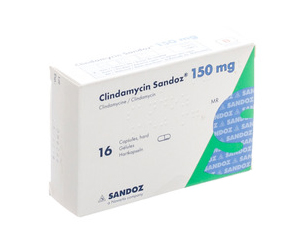
Clindamycin is a lincosamide antibiotic used to treat a range of serious bacterial infections caused by anaerobes, streptococci, staphylococci, and certain other susceptible organisms.
It is available as capsules, injection, and topical preparations (gel, lotion, solution) for acne.
Clindamycin binds to the 50S ribosomal subunit and inhibits bacterial protein synthesis.
It is bacteriostatic at lower concentrations and bactericidal at higher concentrations or against highly susceptible organisms.
Its excellent tissue penetration makes it particularly valuable for bone and joint infections, dental infections, pelvic infections, and intra-abdominal sepsis.
Topical Use in Acne
Topical clindamycin is widely prescribed for mild-to-moderate inflammatory acne vulgaris.
It reduces the population of Cutibacterium acnes in sebaceous follicles and has direct anti-inflammatory properties.
Topical use is typically combined with benzoyl peroxide to reduce the emergence of resistance.
Oral clindamycin is also used as an alternative in patients with penicillin allergy for conditions such as cellulitis, erysipelas, and prophylaxis of infective endocarditis before dental procedures.
Usage & Dosage
Oral Capsules
Swallow capsules with a full glass of water. Take with or without food, but drink enough fluid to prevent oesophageal irritation.
Space doses evenly through the day and complete the full course even if symptoms improve.
Topical Gel or Lotion (Acne)
Wash and dry the affected area. Apply a thin layer to the entire acne-prone zone (not just individual spots) once or twice daily as directed. Avoid contact with the eyes, mouth, and broken skin.
General Advice
Report persistent or bloody diarrhoea immediately, even if it occurs weeks after stopping clindamycin. This may indicate Clostridioides difficile colitis.
Oral - Adults
- Mild to moderate infections: 150-300 mg every 6 hours
- Severe infections: 300-450 mg every 6 hours
Oral - Children
- 3-6 mg/kg every 6 hours, depending on severity
Topical (Acne)
- Clindamycin 1% gel or lotion: apply once or twice daily
- Usually combined with benzoyl peroxide to limit resistance
Renal Impairment
- No dose adjustment required
Hepatic Impairment
- Moderate to severe: reduce dose and monitor liver function
Side Effects
Oral - Common (up to 1 in 10 patients)
- Diarrhoea (most frequent; can occur in up to 20% of patients)
- Nausea, vomiting, abdominal pain
- Rash
Oral - Uncommon (up to 1 in 100 patients)
- Pseudomembranous colitis (Clostridioides difficile infection)
- Elevated liver transaminases
- Metallic taste
Oral - Rare (up to 1 in 1,000 patients)
- Jaundice
- Blood dyscrasias (neutropenia, eosinophilia, thrombocytopenia)
- Oesophageal ulceration (if capsule lodges in the gullet)
Topical - Common (up to 1 in 10 patients)
- Skin dryness, peeling, or irritation
- Burning or stinging sensation
Topical - Rare
- Allergic contact dermatitis
- Gastrointestinal effects (diarrhoea) from systemic absorption through inflamed skin
Stop treatment and seek medical help immediately if you develop watery or bloody diarrhoea.
Warnings & Precautions
Clostridioides difficile Colitis
Clindamycin carries a higher risk of C. difficile-associated diarrhoea than many other antibiotics. This can occur during treatment or up to several weeks after stopping.
Symptoms range from mild diarrhoea to severe, life-threatening pseudomembranous colitis. Stop clindamycin and seek medical help if persistent diarrhoea develops.
Oesophageal Irritation
Swallow capsules with a full glass of water and remain upright. Do not take at bedtime without adequate fluid.
Topical Resistance
Topical clindamycin monotherapy promotes antibiotic resistance in skin bacteria. Always combine with benzoyl peroxide when treating acne.
Pregnancy
Clindamycin crosses the placenta. Use only when clearly indicated and the benefit outweighs the risk. It is used in pregnancy for certain specific infections under specialist guidance.
Contraindications
Do not use clindamycin if you have:
- A known hypersensitivity to clindamycin or lincomycin
- A history of Clostridioides difficile-associated diarrhoea or pseudomembranous colitis
- Diarrhoea at the time of presentation (for oral formulation)
Use with caution in patients with hepatic impairment, as clindamycin is extensively metabolised by the liver. Topical formulations are generally safer in these patients due to limited absorption.