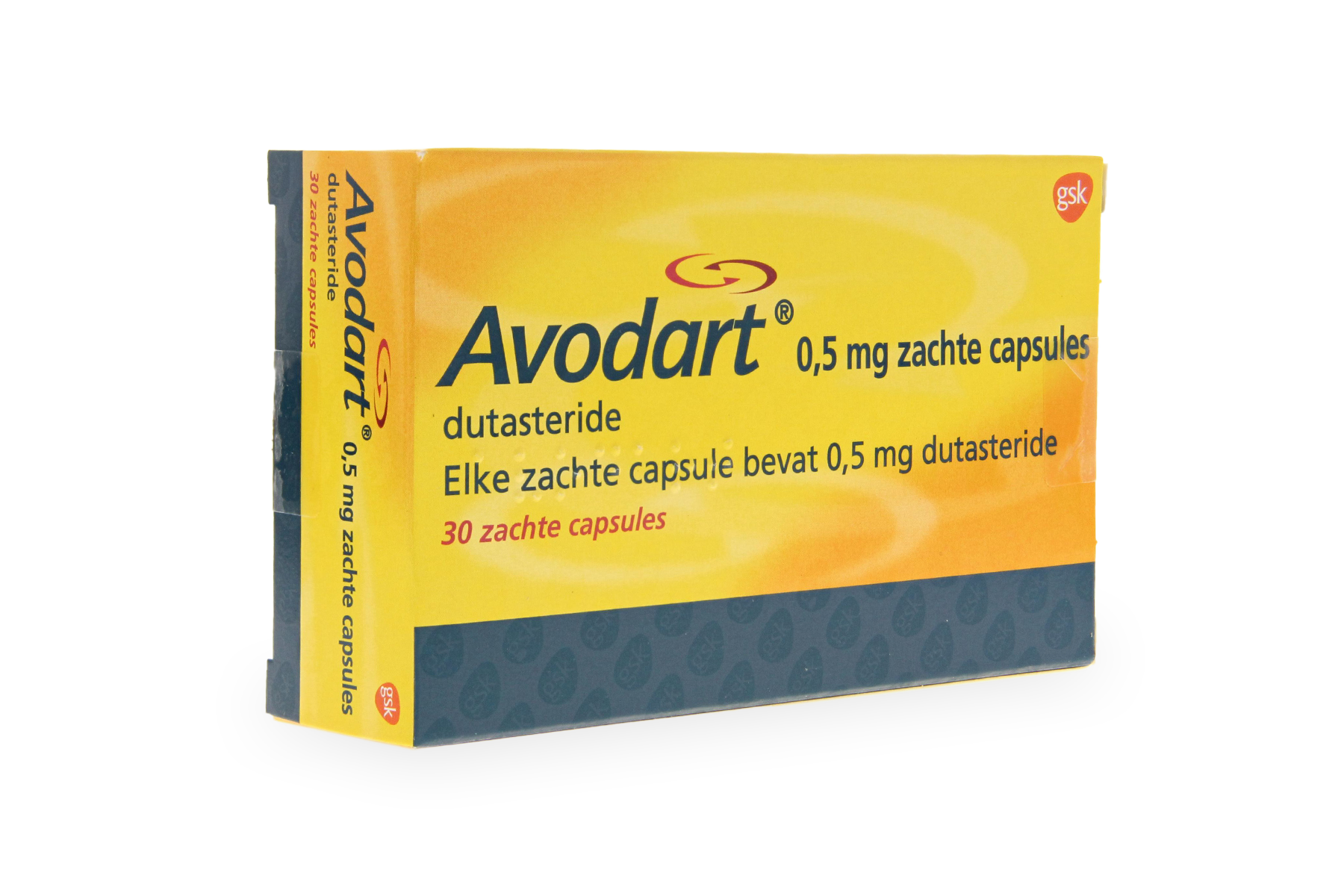
Avodart
Incl. online consultation, medicine and discreet delivery
View Options
The medical information on this site is provided for educational purposes. It does not replace a face-to-face consultation with your GP or specialist. Always follow the advice of your prescribing doctor and read the patient information leaflet supplied with your medication.
Choose Your Medicine
Select dosage and quantity
Online Consultation
Reviewed by a qualified physician
Fast, Discreet Delivery
Delivered to your door
Medical Information
About This Medicine
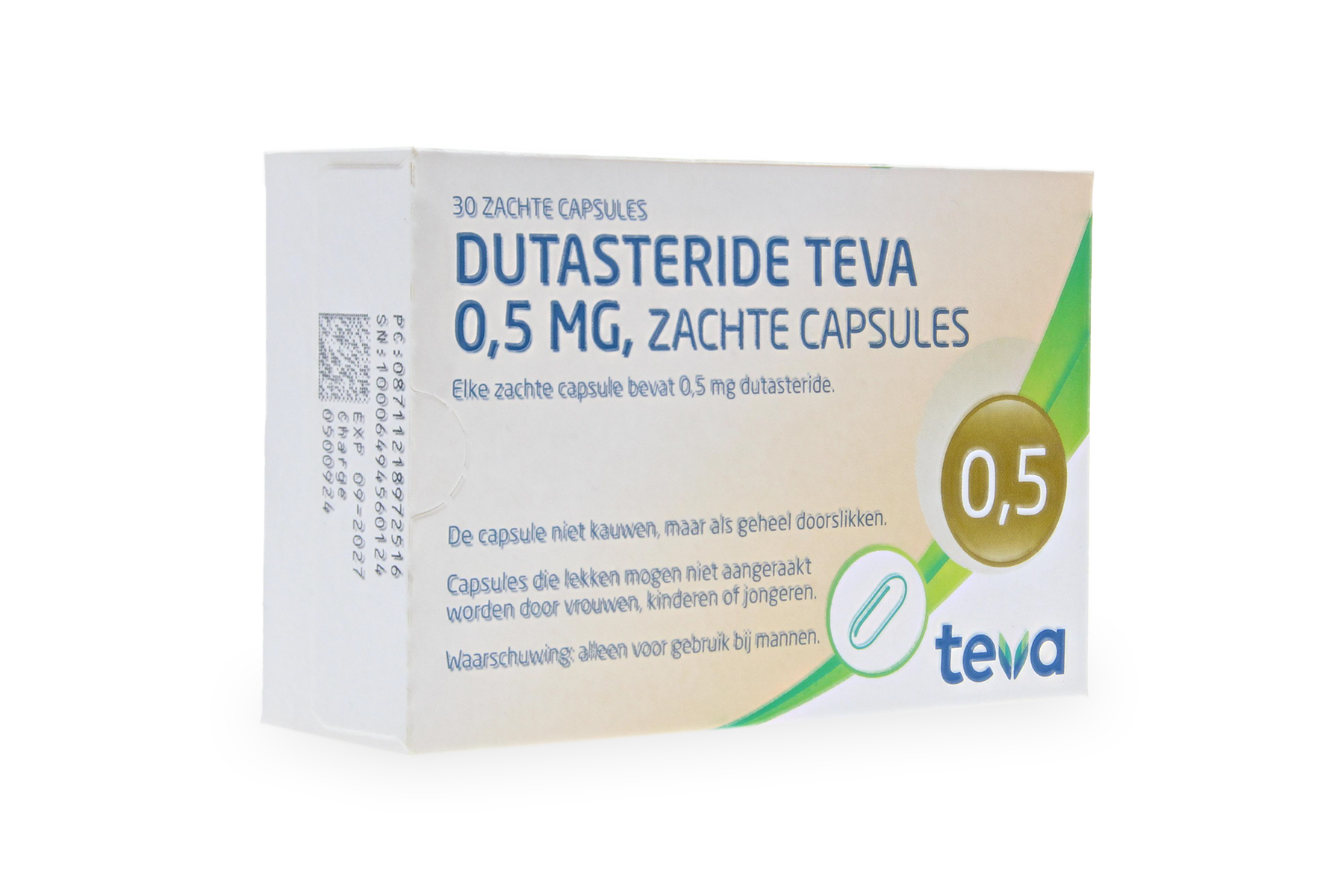
Avodart contains dutasteride, a dual 5-alpha reductase inhibitor (type I and type II) used in the management of benign prostatic hyperplasia (BPH).
It works by blocking the conversion of testosterone to dihydrotestosterone (DHT), the primary androgen responsible for prostate growth.
By reducing serum DHT levels by approximately 90%, dutasteride shrinks the prostate gland, improves urinary flow rates, and reduces the risk of acute urinary retention and the need for BPH-related surgery.
Clinical trials (the CombAT study) demonstrated that dutasteride combined with tamsulosin was superior to either agent alone in reducing BPH progression.
Avodart is recommended by NICE for men with moderate-to-severe lower urinary tract symptoms (LUTS) secondary to BPH, particularly when the prostate volume exceeds 30 mL.
Maximum clinical benefit typically takes 3-6 months of continuous treatment.
Dutasteride has a long half-life of approximately 5 weeks, which is an important consideration when planning discontinuation or assessing drug interactions.
Usage & Dosage
Take one 0.5 mg capsule once daily at the same time each day. Swallow the capsule whole with water; do not chew, crush, or open the capsule, as the contents may irritate the oropharyngeal mucosa.
Avodart can be taken with or without food. Consistent daily dosing is essential to maintain DHT suppression.
Do not discontinue treatment without consulting your prescriber, as symptoms may return within several months of stopping.
Be aware that dutasteride lowers PSA levels by approximately 50% after 6 months; your urologist or GP must double your measured PSA value when screening for prostate cancer during treatment.
The standard dose is 0.5 mg once daily. No dose adjustment is required for elderly patients or those with mild-to-moderate renal impairment.
Dutasteride has not been studied in patients with severe hepatic impairment, and caution is advised in this group due to hepatic metabolism via CYP3A4.
Concomitant administration with potent CYP3A4 inhibitors (e.g. ritonavir, ketoconazole) may increase dutasteride exposure, though no formal dose adjustment is specified.
Treatment should continue for at least 6 months to assess clinical response.
Side Effects
Adverse effects are derived from the ARIA and CombAT trials.
Common (≥1/100 to <1/10): Impotence (reported in approximately 6% of patients in the first year), decreased libido (3-4%), ejaculation disorders including reduced semen volume (1-2%), gynaecomastia and breast tenderness (1-2%).
Uncommon (≥1/1,000 to <1/100): Alopecia (paradoxical), localised oedema, dizziness.
Rare (≥1/10,000 to <1/1,000): Depressive mood, allergic reactions including rash, pruritus, urticaria, and angioedema.
Post-marketing reports: Testicular pain and swelling have been reported.
Sexual side effects may persist after discontinuation in a small number of patients, though this remains debated in the literature.
The MHRA has issued guidance on reporting persistent sexual dysfunction with 5-alpha reductase inhibitors.
Warnings & Precautions
Dutasteride is absorbed through the skin and may cause birth defects in a male foetus. Women who are or may become pregnant must not handle damaged or leaking capsules.
If contact occurs, wash the affected area with soap and water immediately. Dutasteride is present in semen; patients whose partners are or may become pregnant should use a condom.
Due to the long half-life, the compound remains detectable in serum for up to 4-6 months after discontinuation. PSA monitoring requires adjustment: double the measured PSA value during treatment.
Any confirmed rise in PSA during treatment warrants investigation for prostate cancer.
Contraindications
Avodart is contraindicated in women, children, adolescents, and patients with known hypersensitivity to dutasteride, other 5-alpha reductase inhibitors, or any excipient (the capsules contain lecithin derived from soya).
Patients with severe hepatic impairment should not use dutasteride as its metabolism and safety have not been evaluated in this population.
Dutasteride should not be donated as blood while on treatment and for 6 months after stopping.