Zyloric
Incl. online consultation, medicine and discreet delivery
View Options
The medical information on this site is provided for educational purposes. It does not replace a face-to-face consultation with your GP or specialist. Always follow the advice of your prescribing doctor and read the patient information leaflet supplied with your medication.
Choose Your Medicine
Select dosage and quantity
Online Consultation
Reviewed by a qualified physician
Fast, Discreet Delivery
Delivered to your door
Medical Information
About This Medicine
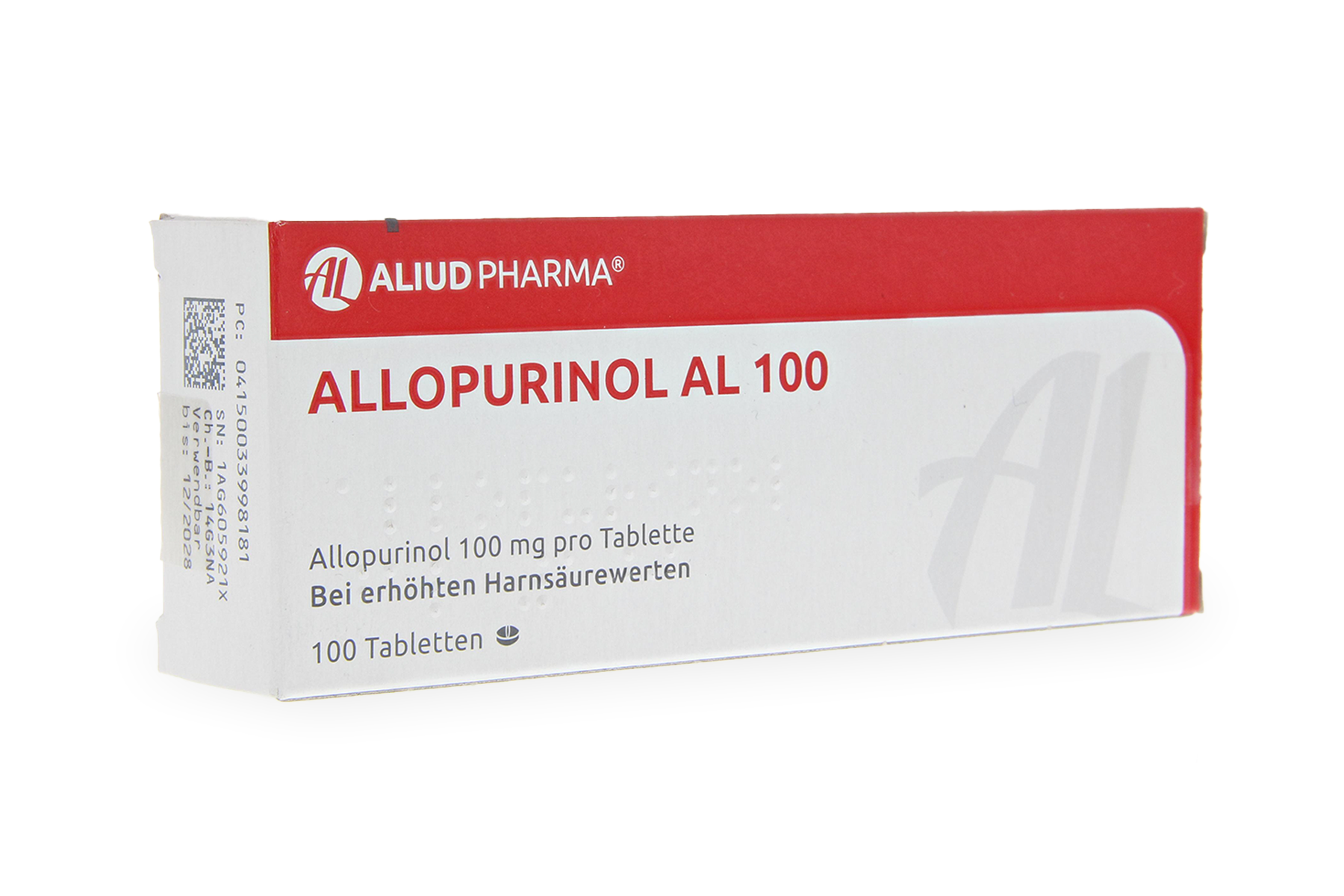
Zyloric contains allopurinol, a xanthine oxidase inhibitor used to lower serum uric acid levels in gout, uric acid nephropathy, and certain conditions associated with urate overproduction.
It is the most widely prescribed urate-lowering therapy worldwide.
Allopurinol and its active metabolite oxypurinol inhibit xanthine oxidase, the enzyme that converts hypoxanthine to xanthine and xanthine to uric acid.
By blocking this final step, allopurinol reduces uric acid production and lowers serum and urinary urate concentrations.
Long-Term Gout Management
Allopurinol is initiated once acute gout has settled and is taken indefinitely to prevent further attacks and dissolve existing urate crystal deposits in joints and soft tissues.
It does not treat acute gout flares - in fact, starting allopurinol during an acute attack can prolong or worsen symptoms.
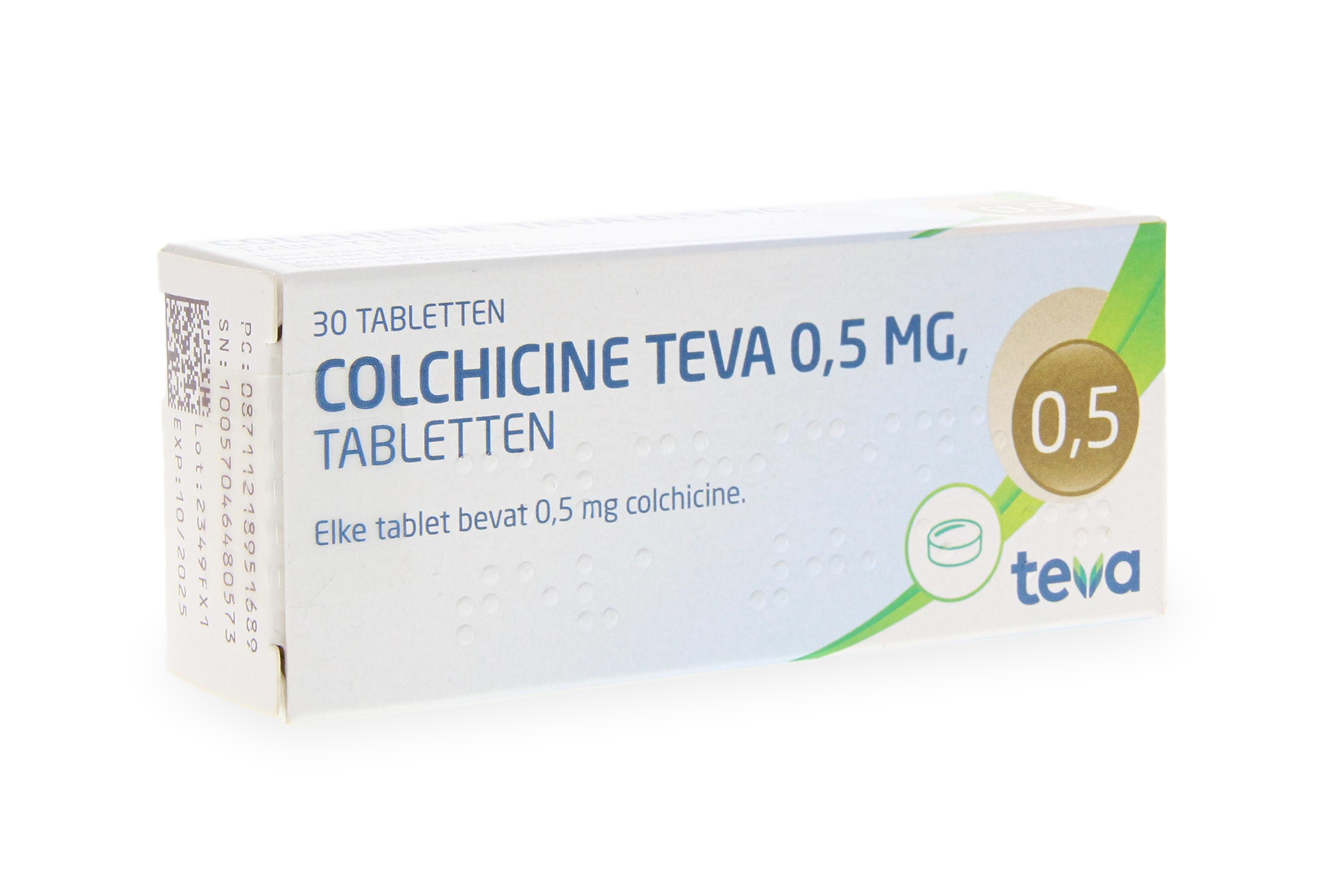
Flare prophylaxis with colchicine or an NSAID is recommended for the first three to six months of allopurinol therapy, as mobilisation of urate deposits can temporarily trigger attacks.
The target serum urate level is below 360 micromol/L (or below 300 micromol/L in severe tophaceous gout).
Usage & Dosage
How to Take Zyloric
Swallow the tablet with a full glass of water after food. Adequate fluid intake (at least two litres daily) helps prevent urate crystal deposition in the urinary tract.
Starting Treatment
Allopurinol is started at a low dose and increased gradually to reduce the risk of provoking a gout flare.
Your prescriber will check urate levels every two to four weeks and titrate the dose until the target is reached.
Long-Term Use
Continue taking allopurinol every day, even when you have no symptoms. Stopping treatment allows uric acid to rise again and gout attacks to recur.
Adults
- Starting dose: 100 mg once daily
- Titrate by 100 mg increments every 2-4 weeks
- Usual maintenance: 200-300 mg daily (mild gout), up to 600-900 mg daily (severe tophaceous gout)
- Target serum urate: below 360 micromol/L
Renal Impairment
- Reduce starting dose and titrate slowly
- eGFR 20-60: maximum typically 200-300 mg/day depending on response
- eGFR below 20: maximum 100-200 mg/day; specialist supervision advised
Children
- 10-20 mg/kg/day for secondary hyperuricaemia (e.g., tumour lysis syndrome)
Side Effects
Common (up to 1 in 10 patients)
- Gout flare during initiation (preventable with colchicine or NSAID cover)
- Skin rash
Uncommon (up to 1 in 100 patients)
- Nausea, vomiting, or diarrhoea
- Elevated liver enzymes
- Headache
Rare (up to 1 in 1,000 patients)
- Hepatitis
- Blood dyscrasias (leucopenia, thrombocytopenia)
- Renal impairment
Very Rare (fewer than 1 in 10,000 patients)
- Severe cutaneous adverse reactions: Stevens-Johnson syndrome (SJS) and toxic epidermal necrolysis (TEN), particularly in patients of Han Chinese, Thai, or Korean descent carrying the HLA-B*5801 allele
- Drug reaction with eosinophilia and systemic symptoms (DRESS)
Stop allopurinol immediately and seek medical help if you develop a widespread rash, blistering, mouth sores, or fever.
Warnings & Precautions
Skin Reactions
Stop allopurinol immediately if any rash develops and seek medical review. Severe reactions (SJS, TEN) are rare but life-threatening.
HLA-B*5801 screening is recommended before starting allopurinol in patients of Southeast Asian, Han Chinese, or Korean ethnicity, as the allele confers a significantly higher risk.
Flare Prophylaxis
Initiation of allopurinol mobilises urate crystals, triggering gout attacks. Prophylactic colchicine (0.
5 mg once or twice daily) or a low-dose NSAID should be co-prescribed for the first three to six months.
Renal Function
Monitor renal function and electrolytes regularly. Start low, titrate slowly, and reduce the dose in renal impairment.
Drug Interactions
Allopurinol increases the toxicity of azathioprine and 6-mercaptopurine by inhibiting their metabolism. Doses of these drugs must be reduced by 75% if allopurinol is co-prescribed.
Contraindications
Do not take Zyloric if you have:
- A known hypersensitivity to allopurinol
- An acute gout attack (defer until the flare has fully settled)
- The HLA-B*5801 allele (tested positive) - risk of severe cutaneous reactions
Avoid co-prescription with azathioprine or 6-mercaptopurine at full dose without appropriate dose reduction.