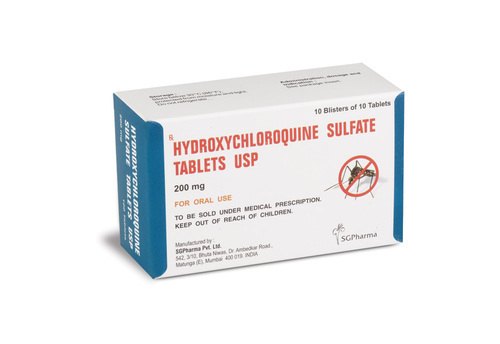
Hydroxychloroquine
Incl. online consultation, medicine and discreet delivery
View Options
The medical information on this site is provided for educational purposes. It does not replace a face-to-face consultation with your GP or specialist. Always follow the advice of your prescribing doctor and read the patient information leaflet supplied with your medication.
Choose Your Medicine
Select dosage and quantity
Online Consultation
Reviewed by a qualified physician
Fast, Discreet Delivery
Delivered to your door
Medical Information
About This Medicine
Hydroxychloroquine is an antimalarial and immunomodulatory medication used in the management of autoimmune conditions, principally rheumatoid arthritis, systemic lupus erythematosus (SLE), and discoid lupus erythematosus.
It may also be prescribed for the prevention and treatment of malaria in regions where chloroquine-resistant Plasmodium species are absent.
Hydroxychloroquine modulates the immune system by inhibiting toll-like receptor signalling, reducing the production of pro-inflammatory cytokines, and interfering with antigen processing within immune cells.
These mechanisms dampen the overactive immune response that drives tissue damage in autoimmune diseases.
Importantly, hydroxychloroquine is immunomodulatory rather than broadly immunosuppressive, which contributes to its comparatively favourable safety profile.
Hydroxychloroquine is classified as a disease-modifying antirheumatic drug (DMARD) and is often the first DMARD initiated in rheumatoid arthritis, particularly in early or mild disease.
In SLE, it has been shown to reduce disease flares, protect against organ damage, improve survival, and reduce the risk of thrombosis.
It is considered an essential component of the treatment regimen for virtually all patients with lupus.
Usage & Dosage
Take hydroxychloroquine with food or a glass of milk to minimise gastrointestinal discomfort. Swallow the tablet whole with water. Take it at the same time each day.
The onset of benefit in rheumatoid arthritis and lupus is gradual; it may take eight to twelve weeks, and sometimes up to six months, before the full therapeutic effect is realised.
Do not discontinue treatment without medical advice, even if you feel well, as stopping may precipitate a disease flare.
The usual adult dose for autoimmune conditions is 200 to 400 mg daily.
Current guidelines recommend that the daily dose should not exceed 5 mg per kilogram of actual body weight to minimise the long-term risk of retinal toxicity.
For malaria prophylaxis: 400 mg once weekly, starting two weeks before travel and continuing for four weeks after leaving the endemic area.
Dose adjustments may be needed in renal or hepatic impairment.
Side Effects
Common (1 in 10 to 1 in 100): nausea, diarrhoea, abdominal cramps, reduced appetite, headache, dizziness, skin rash, pruritus.
Uncommon (1 in 100 to 1 in 1,000): blurred vision, hair discolouration, photosensitivity, tinnitus, emotional lability, muscle weakness.
Rare (1 in 1,000 to 1 in 10,000): retinopathy, cardiomyopathy, QT prolongation, bone marrow suppression, severe skin reactions, neuromyopathy, hepatic failure.
Retinal toxicity is the most significant long-term concern; risk increases with cumulative dose and duration of use beyond five years.
Warnings & Precautions
Annual ophthalmic screening, including optical coherence tomography (OCT), is recommended from five years of use (or sooner in patients with pre-existing risk factors) to detect early retinal toxicity.
Report any visual disturbances promptly. Use with caution in patients with epilepsy, glucose-6-phosphate dehydrogenase (G6PD) deficiency, porphyria, psoriasis, or hepatic and renal impairment.
Hydroxychloroquine may lower blood glucose, requiring adjustment of diabetes medications. Monitor for cardiac toxicity in patients on long-term therapy.
Contraindications
Hydroxychloroquine is contraindicated in patients with known hypersensitivity to hydroxychloroquine, chloroquine, or any 4-aminoquinoline compound.
It must not be used in patients with pre-existing maculopathy. Caution is required in patients with retinal disease, G6PD deficiency, porphyria, or myasthenia gravis.