
Prescription Pain Relief from UK-Registered Doctors
Chronic pain affects 28 million adults in the UK. It is behind a quarter of all GP visits. As a prescribing clinician, I use the WHO analgesic ladder. This helps me match the treatment to how bad the pain is, while keeping side effects low. NSAIDs like naproxen are still good first-line options, as long as we check your gut and heart risk first.
Naproxen 500 mg twice daily has the best heart safety record among prescription NSAIDs, per NICE CG177
Co-codamol 30/500 gives step-2 pain relief, but it can cause dependence if used for more than 3 days in a row
NICE advises adding a PPI such as omeprazole 20 mg with all NSAIDs in patients over 45
The WHO pain ladder guides the step up from paracetamol to weak opioids, then to strong opioids if needed
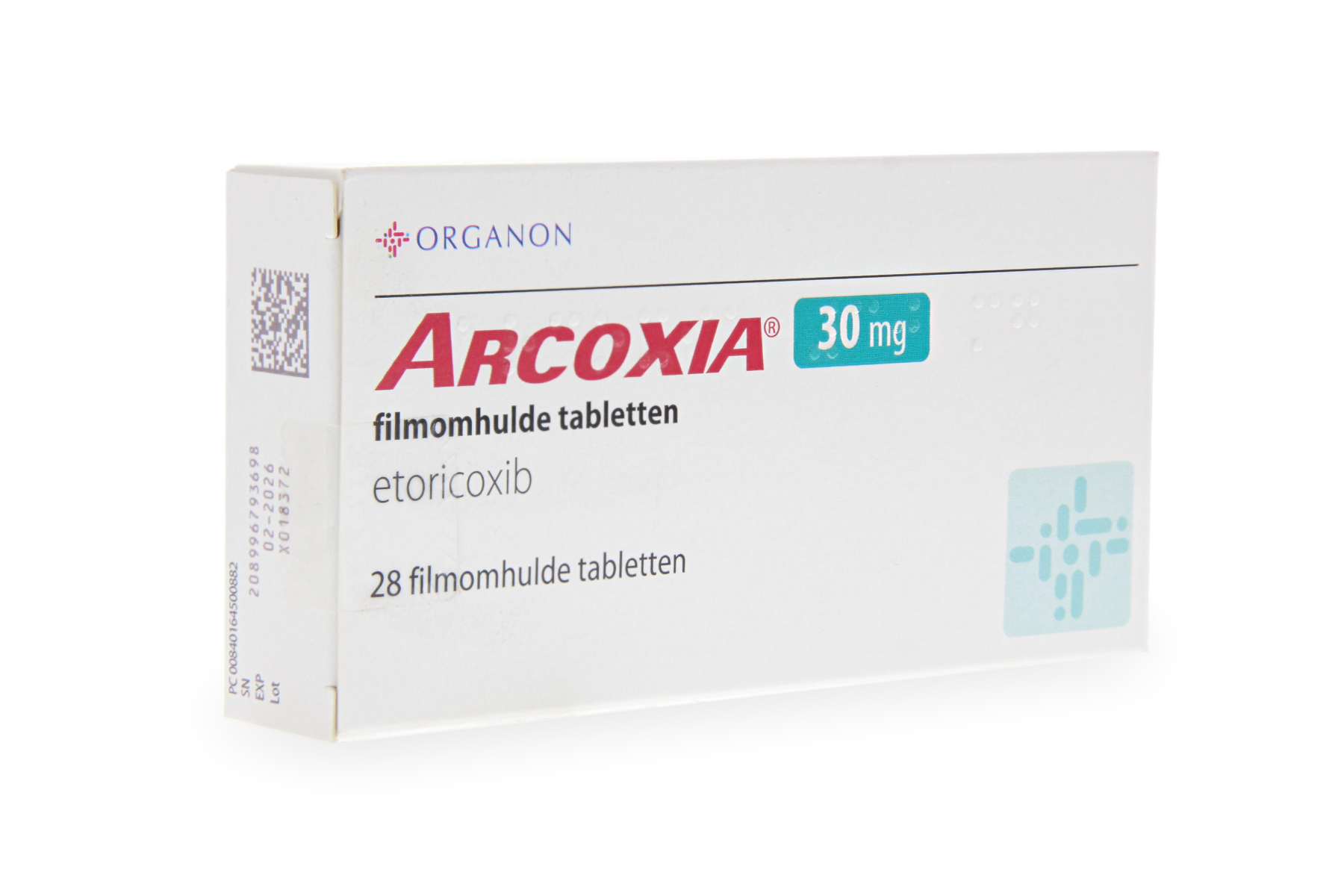
Arcoxia
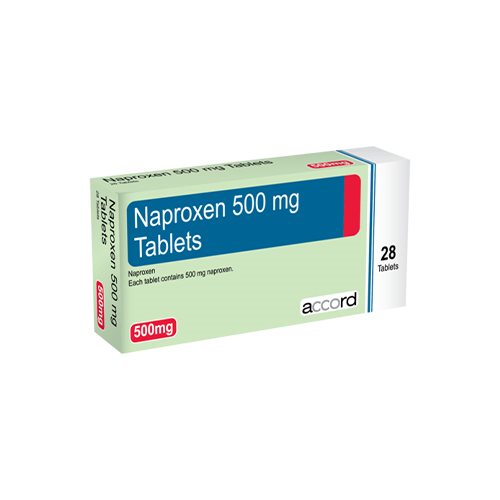
Naproxen
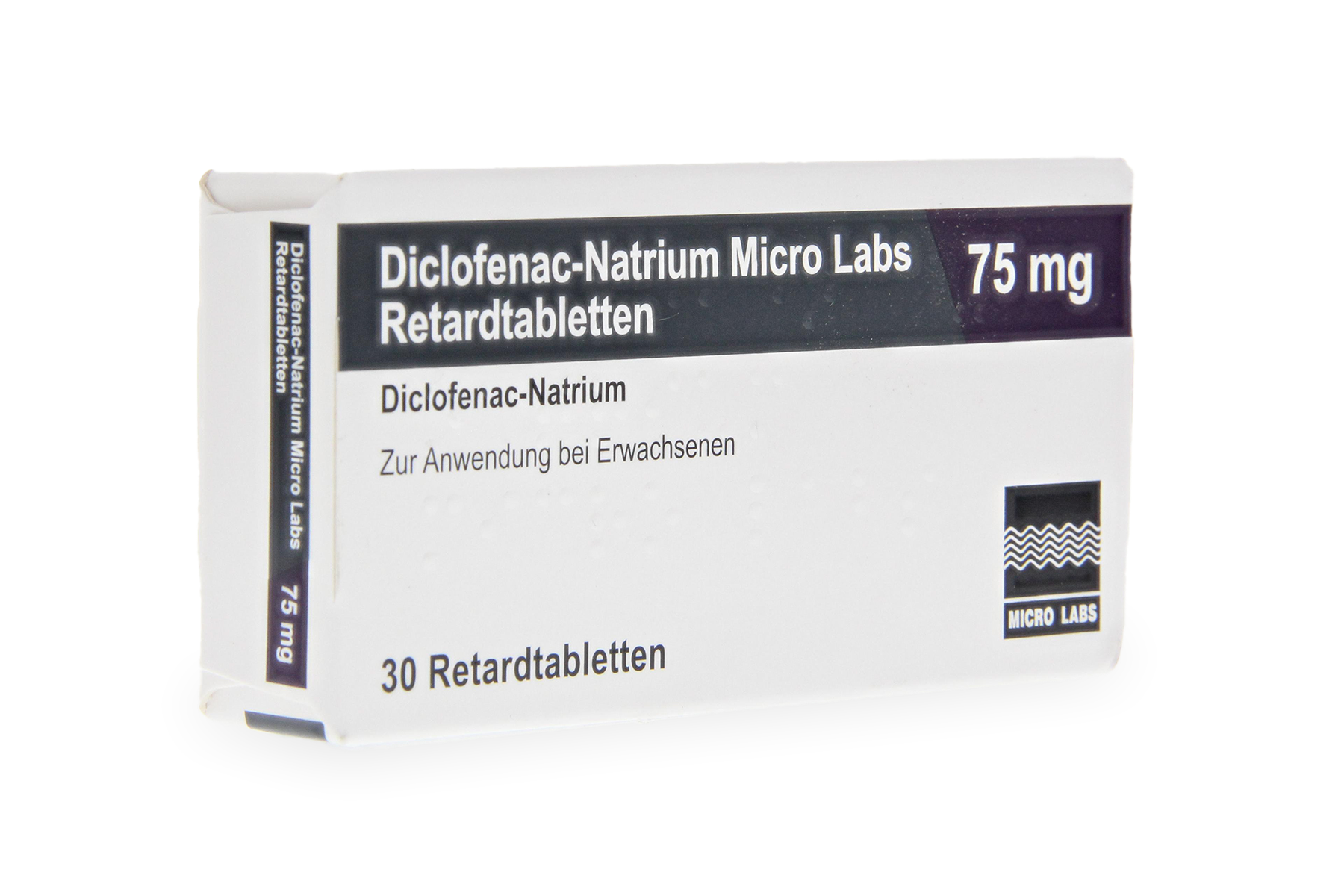
Diclofenac SR
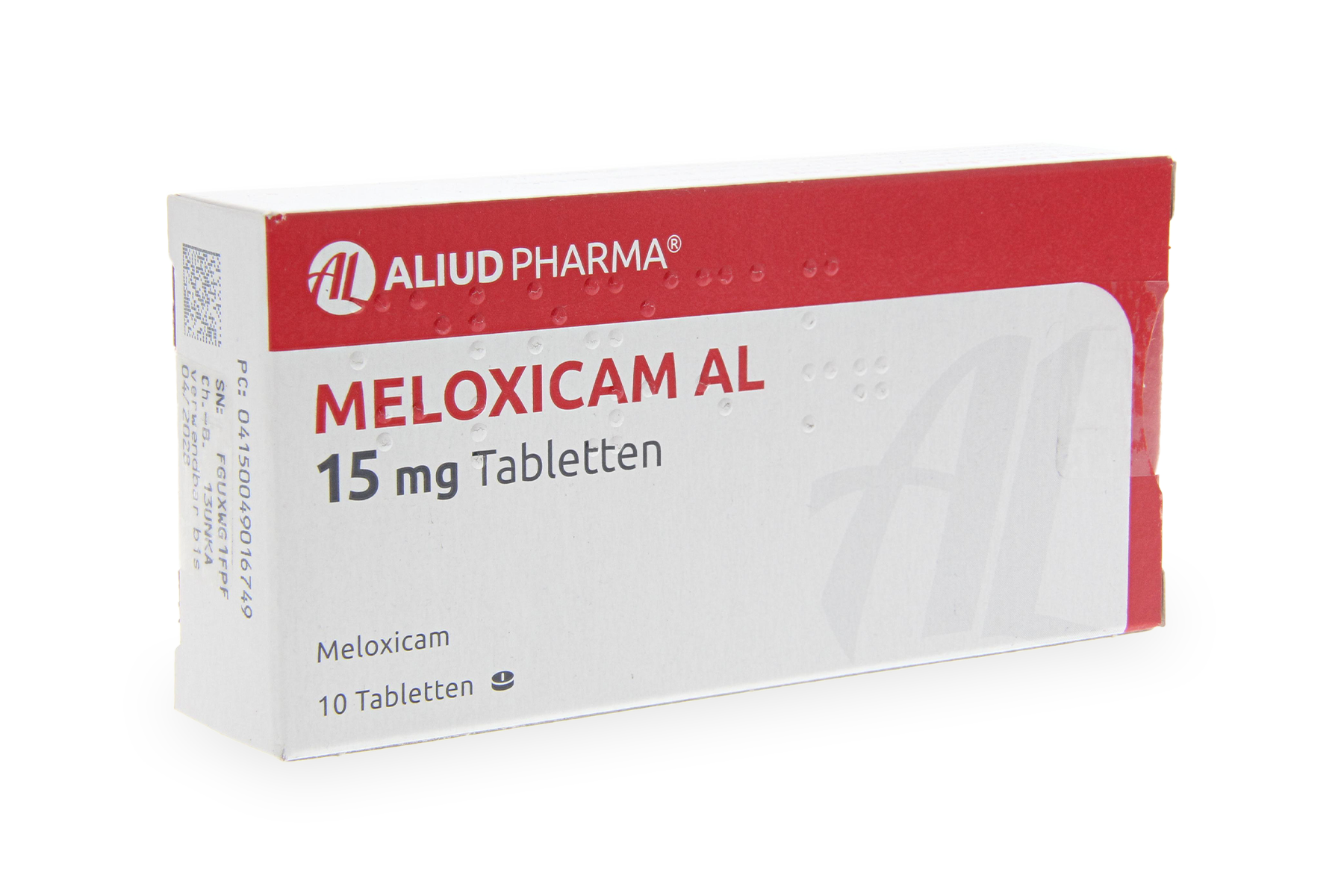
Meloxicam
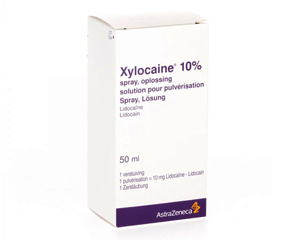
Xylocaine

Arthrocann
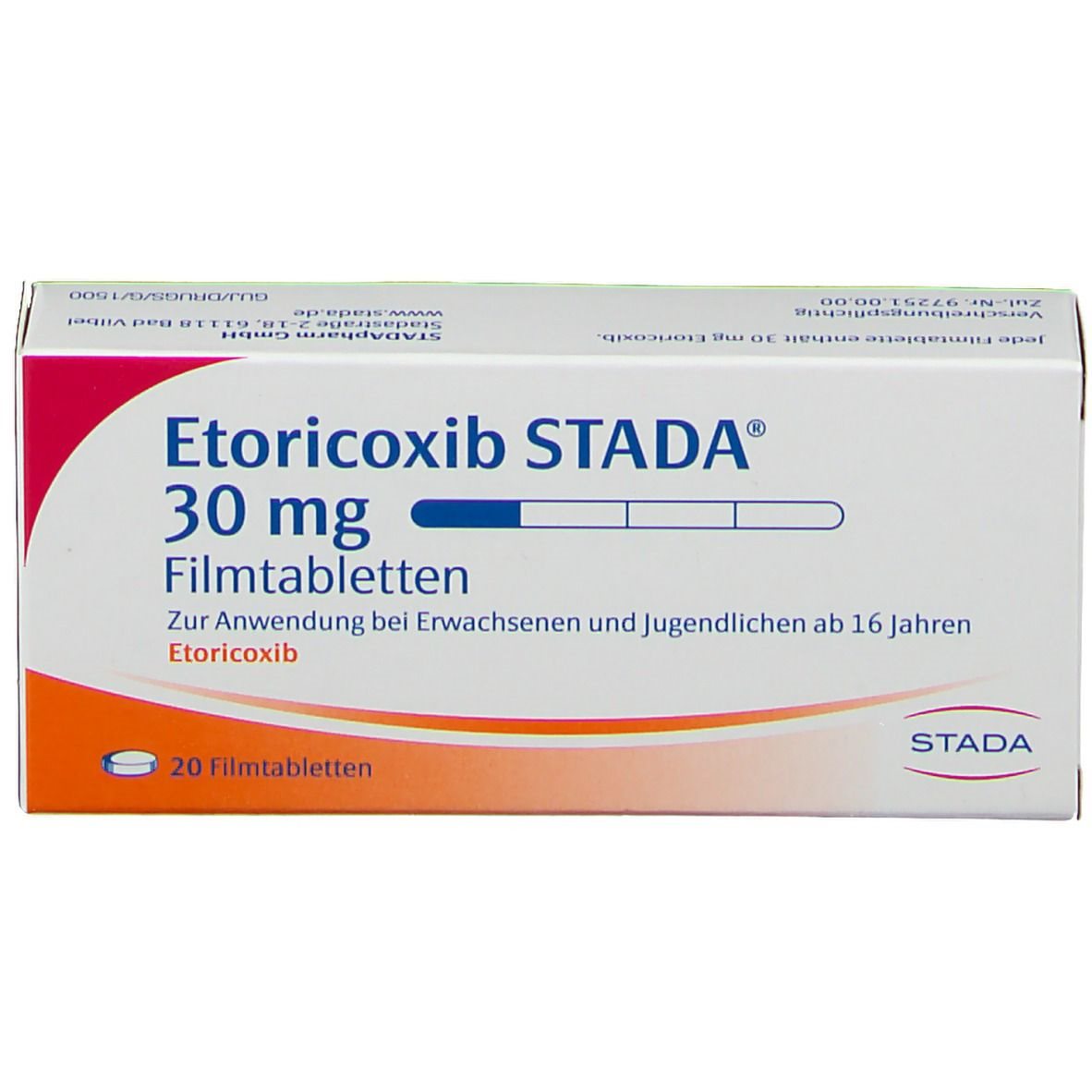
Etoricoxib
About Pain Relief
Understanding Pain and Its Assessment
Pain is a personal sensory and emotional experience. Clinically, we split it into two types. Acute pain lasts under 12 weeks. Chronic pain lasts beyond 12 weeks. Each type needs a different plan.
Acute pain protects you and usually settles with a short course of pain relief. Chronic pain is more complex.
It involves central sensitisation (when the nervous system turns up the pain signal), nerve changes, and emotional factors. Tablets alone are often not enough.
The WHO analgesic ladder was first made for cancer pain. Doctors now use it widely. It gives a clear, step-by-step plan:
- Step 1: Non-opioid pain relief (paracetamol, NSAIDs)
- Step 2: Weak opioids (codeine, dihydrocodeine, tramadol) added to non-opioids
- Step 3: Strong opioids (morphine, oxycodone, fentanyl) for severe or cancer-related pain
Prevalence data from the British Pain Society shows that chronic pain affects 43% of the UK population to some degree. Of these, 14% say their pain is moderately to severely disabling.
Muscle and joint problems are the most common cause. Lower back pain, osteoarthritis, and neck pain make up over 60% of chronic pain cases.
A good assessment should record:
- Where the pain is, what it feels like (sharp, dull, burning, shooting), and where it spreads
- How bad it is, scored on a validated numerical rating scale (0-10)
- How it affects function, sleep, mood, and daily life
- Red flags: unexplained weight loss, night pain that wakes you, worsening nerve problems, fever
- Current medicines and past pain treatments
Neuropathic pain feels like burning, tingling, or an electric shock along a nerve. It needs a different approach. We use amitriptyline, gabapentin, or duloxetine rather than standard pain relief.
NICE CG173 gives specific advice on medicines for neuropathic pain.
NSAID and Analgesic Treatment Options
Non-steroidal anti-inflammatory drugs (NSAIDs) are the most prescribed class for muscle, joint, and inflammatory pain. They block cyclo-oxygenase (COX) enzymes.
This lowers prostaglandins, which in turn cuts inflammation, pain, and fever.
Naproxen (250-500 mg twice daily) is the preferred prescription NSAID in UK primary care. NICE and the MHRA say it has the lowest heart risk among non-selective NSAIDs.
Its relative risk of a heart attack is about 1.1x baseline. That is much lower than diclofenac (1.4x) or ibuprofen at prescription doses (1.2x).
Ibuprofen (400 mg three times daily) works well for mild to moderate pain. It is sold over the counter at lower doses.
At prescription strength, its anti-inflammatory effect is similar to naproxen. But it has a shorter half-life, so you need to take it more often.
Diclofenac (50 mg three times daily) is effective but has the highest heart risk among the common NSAIDs.
The MHRA limits its use in people with known heart disease, heart failure, or uncontrolled high blood pressure.
Co-codamol 30/500 combines paracetamol 500 mg with codeine phosphate 30 mg. It sits on Step 2 of the WHO ladder. It helps with moderate pain that NSAIDs or paracetamol alone do not control.
Codeine is a prodrug, which means the body turns it into morphine using the CYP2D6 enzyme. About 8% of Caucasians are poor metabolisers, so they get little pain relief from it.
Gut protection is essential when prescribing NSAIDs:
- Add omeprazole 20 mg or lansoprazole 15 mg for all patients over 45
- The highest gut risk is in people with a past peptic ulcer, those also taking blood thinners or steroids, or those with an H. pylori infection
- Topical NSAIDs (diclofenac gel) give good local relief for osteoarthritis, with little absorbed into the body
Risks, Interactions, and Monitoring
Every pain medicine carries risks. We weigh these against how bad the pain is and what else is available. Ignoring these risks leads to harm that we could have avoided.
NSAID gastropathy (gut damage) shows on endoscopy in 15-30% of long-term users. But only 2-4% develop serious bleeding or a hole in the gut wall. Some factors greatly raise the gut risk:
- Age above 65 (3-fold increased risk)
- Also taking low-dose aspirin (doubles the gut bleeding rate)
- A past peptic ulcer (6-fold risk)
- Also taking a blood thinner (13-fold risk)
- H. pylori infection (adds to the risk, so test and treat it before starting long-term NSAIDs)
Cardiovascular risk with NSAIDs is a class effect. COX-2 inhibition lowers prostacyclin but leaves thromboxane alone, which tips the balance.
NICE CG177 advises the lowest effective dose for the shortest time. Naproxen blocks COX-1 and COX-2 in a balanced way, which explains its safer heart profile.
Renal toxicity (kidney harm) from NSAIDs includes acute kidney injury (risk rises 3-fold), salt and water retention, high potassium, and inflammation of the kidney tissue.
People with an eGFR below 45 mL/min should avoid NSAIDs completely. Taking them with ACE inhibitors and diuretics (the "triple whammy") raises the kidney risk a lot.
Opioid-specific concerns apply to co-codamol and stronger drugs:
- Physical dependence can develop within 5-7 days of regular use
- NICE CG173 advises opioids for long-term non-cancer pain only after a specialist review
- Respiratory depression (slowed breathing) is more likely with kidney problems, sleep apnoea, or with benzodiazepines
- Codeine and dihydrocodeine cause constipation in 40-60% of users, so prescribe a laxative from the start
Some drug interactions need a dose change or should be avoided:
- NSAIDs cut the effect of blood pressure medicines by 5-8 mmHg on average
- Warfarin plus an NSAID: check the INR at least weekly while both are taken
- SSRIs plus NSAIDs: a 4-fold rise in upper gut bleeding risk
- Methotrexate: NSAIDs slow how the kidneys clear it, which raises methotrexate toxicity
Non-Pharmacological Pain Management
Guidance from NICE, the British Pain Society, and the Faculty of Pain Medicine all agree on one point. Chronic pain care must go beyond tablets.
The best results come from a mix of physical, psychological, and drug treatments together, not from any single one.
Exercise therapy has the strongest evidence for chronic muscle and joint pain.
A Cochrane review of 264 trials found that exercise lowers pain by 20-30% in osteoarthritis, chronic low back pain, and fibromyalgia.
- Aerobic exercise: 150 minutes a week at moderate intensity lowers pain sensitivity by releasing the body's own opioids
- Resistance training: building up the load gradually strengthens the muscles around a joint and eases stress on it
- Yoga and Pilates: trials show these work as well as physiotherapy-led exercise for chronic low back pain
Cognitive behavioural therapy (CBT) tackles the way the mind can amplify and prolong chronic pain. NICE advises CBT or acceptance and commitment therapy (ACT) as a core part of chronic pain care.
A review of 35 trials shows CBT cuts pain catastrophising by 40% and improves function scores by 25%.
TENS (transcutaneous electrical nerve stimulation) gives modest short-term relief. It works by triggering gate-control and the body's own opioid systems.
The evidence is moderate, but TENS is safe and can lower how much pain medicine you need.
Other evidence-based options include:
- Heat therapy for muscle spasm and chronic low back pain
- Graded motor imagery and mirror therapy for complex regional pain syndrome
- Acupuncture: NICE backs it for chronic primary pain, with modest evidence of benefit over sham
- Sleep hygiene: chronic pain disturbs sleep in 70-80% of patients, and poor sleep makes pain feel worse
Weight management directly affects muscle and joint pain. Each kilogram of extra body weight adds 4 kg of force across the knee joint.
So losing weight is a powerful pain reliever for osteoarthritis of the lower limbs.
Frequently Asked Questions
Is naproxen stronger than ibuprofen?
How long can I safely take NSAIDs?
Can co-codamol cause addiction?
Should I take a PPI with my NSAID?
What if over-the-counter painkillers are not enough?
Are topical NSAIDs effective?
The medical information on this site is provided for educational purposes. It does not replace a face-to-face consultation with your GP or specialist. Always follow the advice of your prescribing doctor and read the patient information leaflet supplied with your medication.