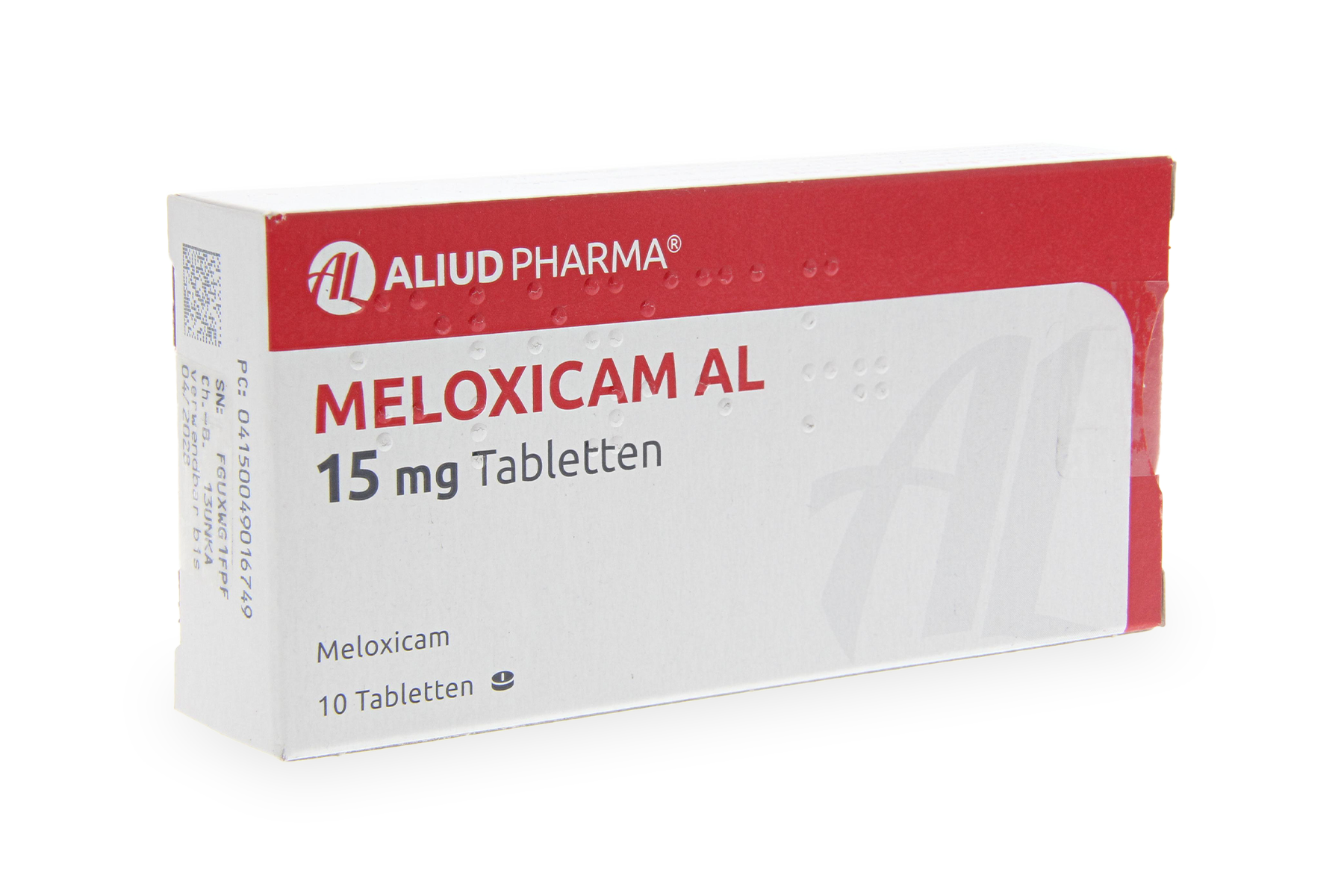
Meloxicam
Incl. online consultation, medicine and discreet delivery
View Options
The medical information on this site is provided for educational purposes. It does not replace a face-to-face consultation with your GP or specialist. Always follow the advice of your prescribing doctor and read the patient information leaflet supplied with your medication.
Choose Your Medicine
Select dosage and quantity
Online Consultation
Reviewed by a qualified physician
Fast, Discreet Delivery
Delivered to your door
Medical Information
About This Medicine
Meloxicam is a non-steroidal anti-inflammatory drug (NSAID) of the enolic acid (oxicam) class, with preferential selectivity for cyclooxygenase-2 (COX-2) over COX-1.
It is prescribed for the symptomatic treatment of osteoarthritis, rheumatoid arthritis, and ankylosing spondylitis, where it reduces pain, stiffness, swelling, and inflammation in affected joints.
By preferentially inhibiting COX-2, the enzyme primarily responsible for producing inflammatory prostaglandins at sites of tissue damage, meloxicam provides effective anti-inflammatory and analgesic activity.
Its relative COX-2 selectivity at therapeutic doses is associated with a somewhat lower risk of gastrointestinal ulceration and bleeding compared with non-selective NSAIDs such as ibuprofen or naproxen, though gastrointestinal risk is not eliminated.
Meloxicam has a long elimination half-life of approximately 20 hours, which allows once-daily dosing. It reaches steady-state plasma concentrations within three to five days.
It is available as tablets and an oral suspension, providing flexible dosing options.
Usage & Dosage
Take one dose once daily with food or after a meal to minimise gastrointestinal irritation. Swallow tablets whole with water.
If using the oral suspension, measure the dose accurately with the provided syringe. Use the lowest effective dose for the shortest duration necessary to control symptoms.
Do not exceed the maximum recommended dose. Report any signs of gastrointestinal bleeding (black stools, vomiting blood) immediately.
Osteoarthritis: 7.5 mg once daily, which may be increased to 15 mg once daily if needed. Rheumatoid arthritis and ankylosing spondylitis: 15 mg once daily; may be reduced to 7.
5 mg daily if adequate control is achieved. Maximum dose: 15 mg daily. In elderly patients and those with renal impairment, start at 7.5 mg and use the lowest effective dose.
Not recommended in severe renal failure (GFR below 15 mL/min).
Side Effects
Common (1 in 10 to 1 in 100): dyspepsia, nausea, abdominal pain, diarrhoea, headache, dizziness.
Uncommon: gastrointestinal ulceration or bleeding, oedema, elevated liver enzymes, rash, pruritus, anaemia.
Rare: gastrointestinal perforation, severe skin reactions (Stevens-Johnson syndrome), renal impairment, hepatitis, bronchospasm in aspirin-sensitive patients.
Cardiovascular: all NSAIDs carry a small increased risk of myocardial infarction and stroke, particularly at higher doses and with prolonged use.
Warnings & Precautions
Use the lowest effective dose for the shortest possible time. NSAIDs can cause serious gastrointestinal events including bleeding, ulceration, and perforation, which can occur without warning.
Consider gastroprotection with a proton pump inhibitor in patients at increased GI risk (elderly, history of peptic ulcer, concomitant aspirin or corticosteroid use).
NSAIDs may impair renal function; monitor in patients with dehydration, heart failure, or pre-existing renal disease. Avoid in the third trimester of pregnancy.
May increase blood pressure; monitor hypertensive patients.
Contraindications
Contraindicated in active gastrointestinal bleeding or ulceration, severe hepatic or renal failure, severe uncontrolled heart failure, the third trimester of pregnancy, known hypersensitivity to meloxicam or other NSAIDs, and a history of asthma, urticaria, or allergic-type reactions to aspirin or other NSAIDs (cross-reactivity risk).
Not recommended in children under 16 except for juvenile rheumatoid arthritis.