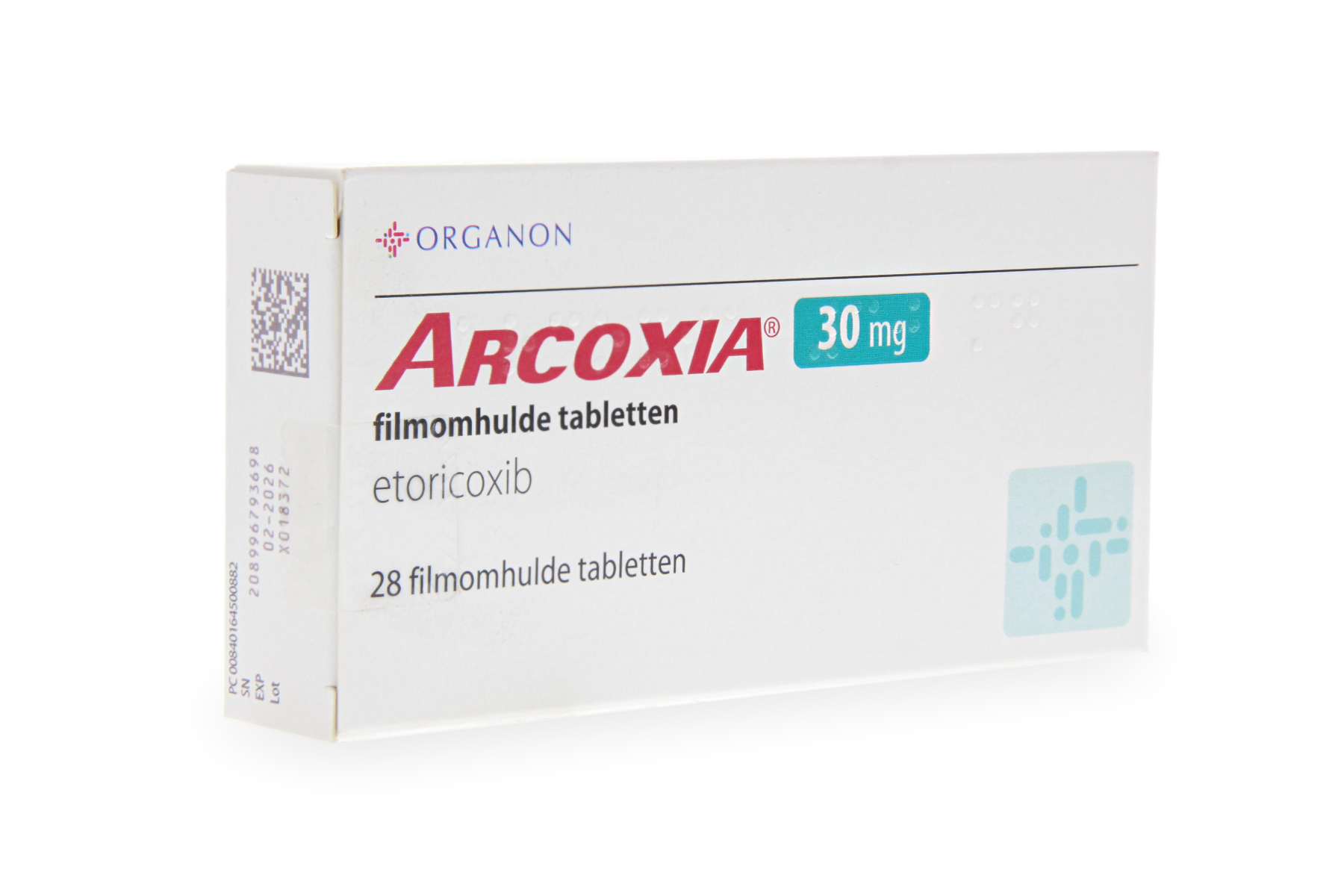
Arcoxia
Incl. online consultation, medicine and discreet delivery
View Options
The medical information on this site is provided for educational purposes. It does not replace a face-to-face consultation with your GP or specialist. Always follow the advice of your prescribing doctor and read the patient information leaflet supplied with your medication.
Choose Your Medicine
Select dosage and quantity
Online Consultation
Reviewed by a qualified physician
Fast, Discreet Delivery
Delivered to your door
Medical Information
About This Medicine
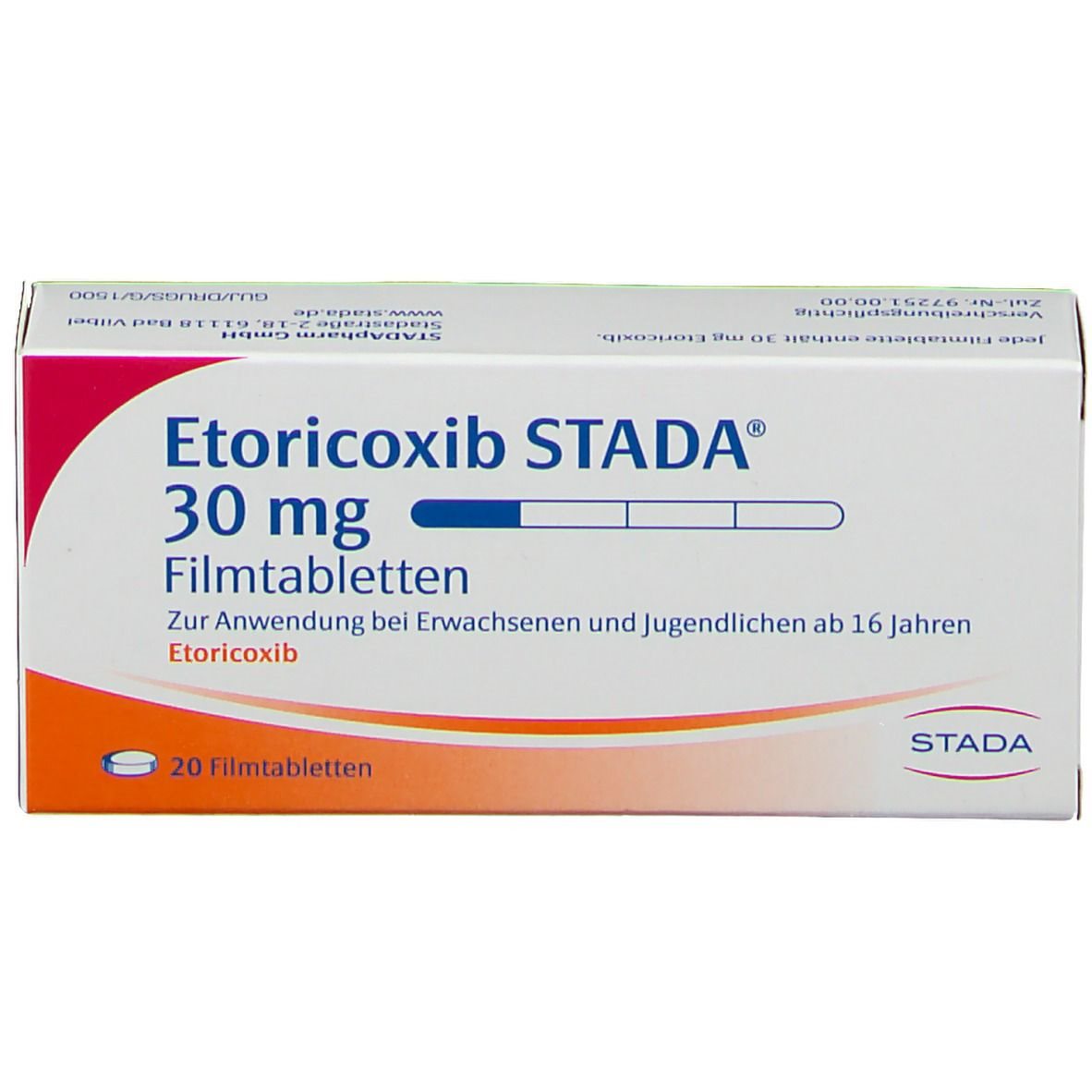
Arcoxia contains etoricoxib, a selective cyclo-oxygenase-2 (COX-2) inhibitor prescribed for the symptomatic relief of osteoarthritis, rheumatoid arthritis, ankylosing spondylitis, acute gouty arthritis, and certain types of dental pain.
It belongs to a class of medicines known as coxibs, which were developed to provide anti-inflammatory and analgesic effects with a lower risk of gastrointestinal complications compared with traditional non-steroidal anti-inflammatory drugs (NSAIDs).
Etoricoxib works by selectively inhibiting the COX-2 enzyme, which is responsible for producing prostaglandins involved in pain and inflammation.
By sparing the COX-1 enzyme, which helps maintain the protective gastric mucosal lining, Arcoxia carries a relatively lower risk of stomach ulcers and gastrointestinal bleeding than non-selective NSAIDs.
Arcoxia is taken once daily and has a relatively long duration of action, providing consistent pain relief throughout the day.
It is absorbed rapidly and reaches peak plasma concentrations within approximately one hour, making it effective for both chronic musculoskeletal conditions and acute episodes of pain.
Usage & Dosage
Take one Arcoxia tablet once daily, with or without food, swallowed whole with a glass of water. Use the lowest effective dose for the shortest duration necessary to control symptoms.
For acute conditions such as gout, treatment is usually limited to a maximum of eight days. For chronic conditions, your prescriber will review the need for continued treatment at regular intervals.
Do not exceed the recommended dose for your condition.
Osteoarthritis: 30 mg once daily, increased to 60 mg if needed. Rheumatoid arthritis and ankylosing spondylitis: 60 mg once daily, increased to 90 mg if needed.
Acute gouty arthritis: 120 mg once daily for a maximum of 8 days. Acute dental pain: 90 mg once daily for a maximum of 3 days.
The maximum recommended daily dose should not be exceeded for any indication.
Side Effects
Common (1 in 10 to 1 in 100): headache, dizziness, gastrointestinal discomfort, nausea, diarrhoea, dyspepsia, peripheral oedema, elevated blood pressure.
Uncommon (1 in 100 to 1 in 1,000): weight gain, anxiety, blurred vision, palpitations, mouth ulceration, gastritis, constipation, elevated liver enzymes, muscle cramps.
Rare (1 in 1,000 to 1 in 10,000): gastric or duodenal ulceration, hepatitis, heart failure, myocardial infarction, cerebrovascular events.
All NSAIDs, including COX-2 inhibitors, carry a dose-dependent risk of cardiovascular thrombotic events.
Warnings & Precautions
Arcoxia may increase blood pressure; monitor blood pressure regularly, particularly within the first two weeks of starting treatment.
It should be used with caution in patients with cardiovascular risk factors, including hypertension, hyperlipidaemia, diabetes, and smoking.
Avoid use in patients with established ischaemic heart disease, peripheral arterial disease, or cerebrovascular disease.
If you develop signs of liver impairment, skin reactions, or fluid retention, seek medical advice promptly. Adequate hydration should be maintained.
Contraindications
Do not take Arcoxia if you have active peptic ulceration or gastrointestinal bleeding, severe hepatic dysfunction, estimated creatinine clearance below 30 ml/min, inflammatory bowel disease, congestive heart failure, established ischaemic heart disease, peripheral arterial disease, cerebrovascular disease, or uncontrolled hypertension persistently above 140/90 mmHg.
Contraindicated in pregnancy and breastfeeding, and in patients with hypersensitivity to etoricoxib or any excipient.