
Erectile Dysfunction Treatments Prescribed by UK Doctors
Erectile dysfunction affects about 4.3 million men in the UK. Yet fewer than half ask for medical help. As a GP, I often see men who have struggled in silence for months or years before they come in. Good, well-tolerated prescription treatments work in over 80% of cases. A proper clinical check finds the right option for you.
PDE5 inhibitors give an adequate erection in 60-80% of men within 30 minutes of the first dose
Sildenafil lasts 4-6 hours. Tadalafil keeps you responsive for up to 36 hours
Never use these with nitrate medicines. They can drop blood pressure dangerously below 90/60 mmHg
NICE guidelines recommend PDE5 inhibitors as the first medicine to try for erectile dysfunction

Cialis

Sildenafil

Spedra
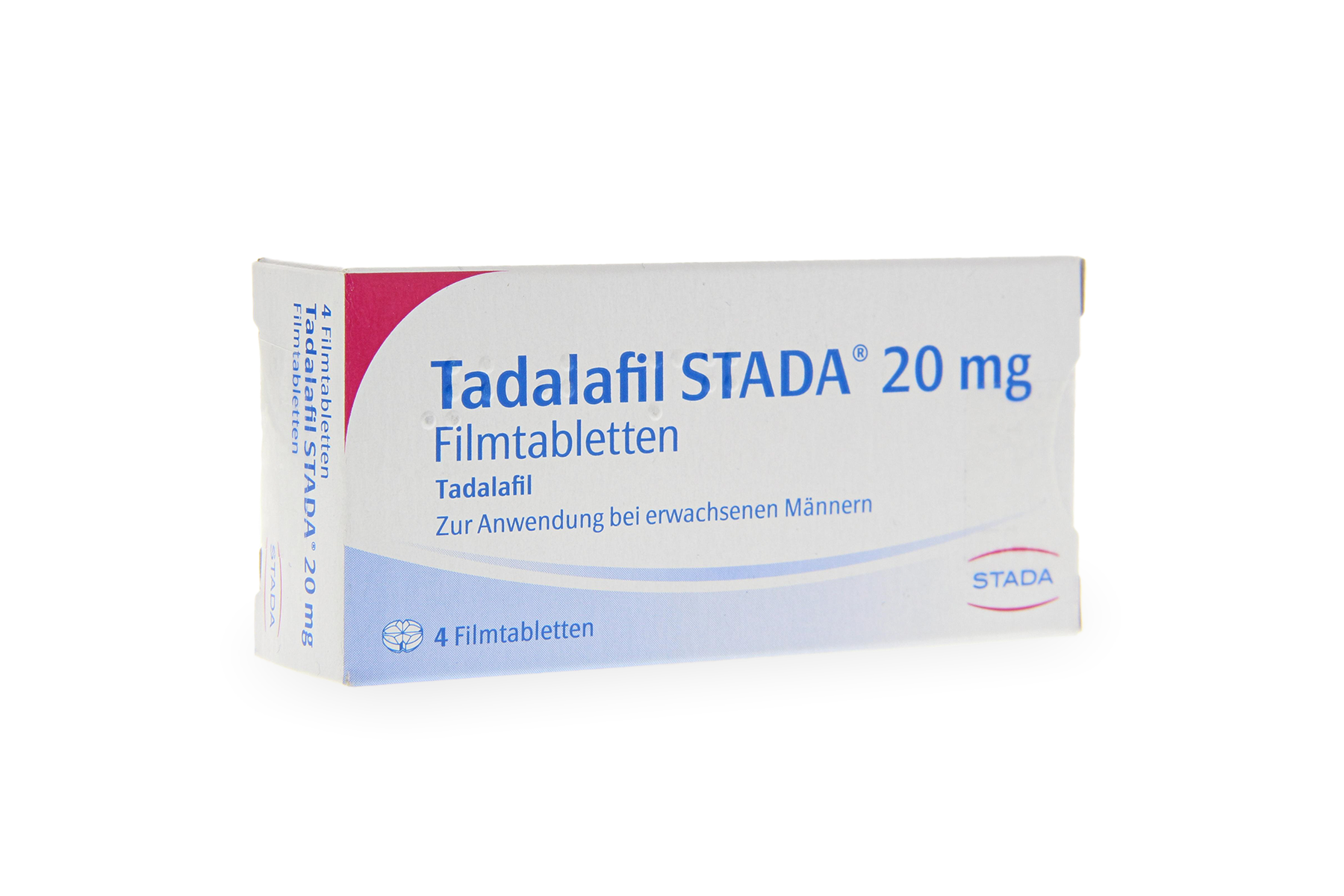
Tadalafil

Vardenafil

Viagra
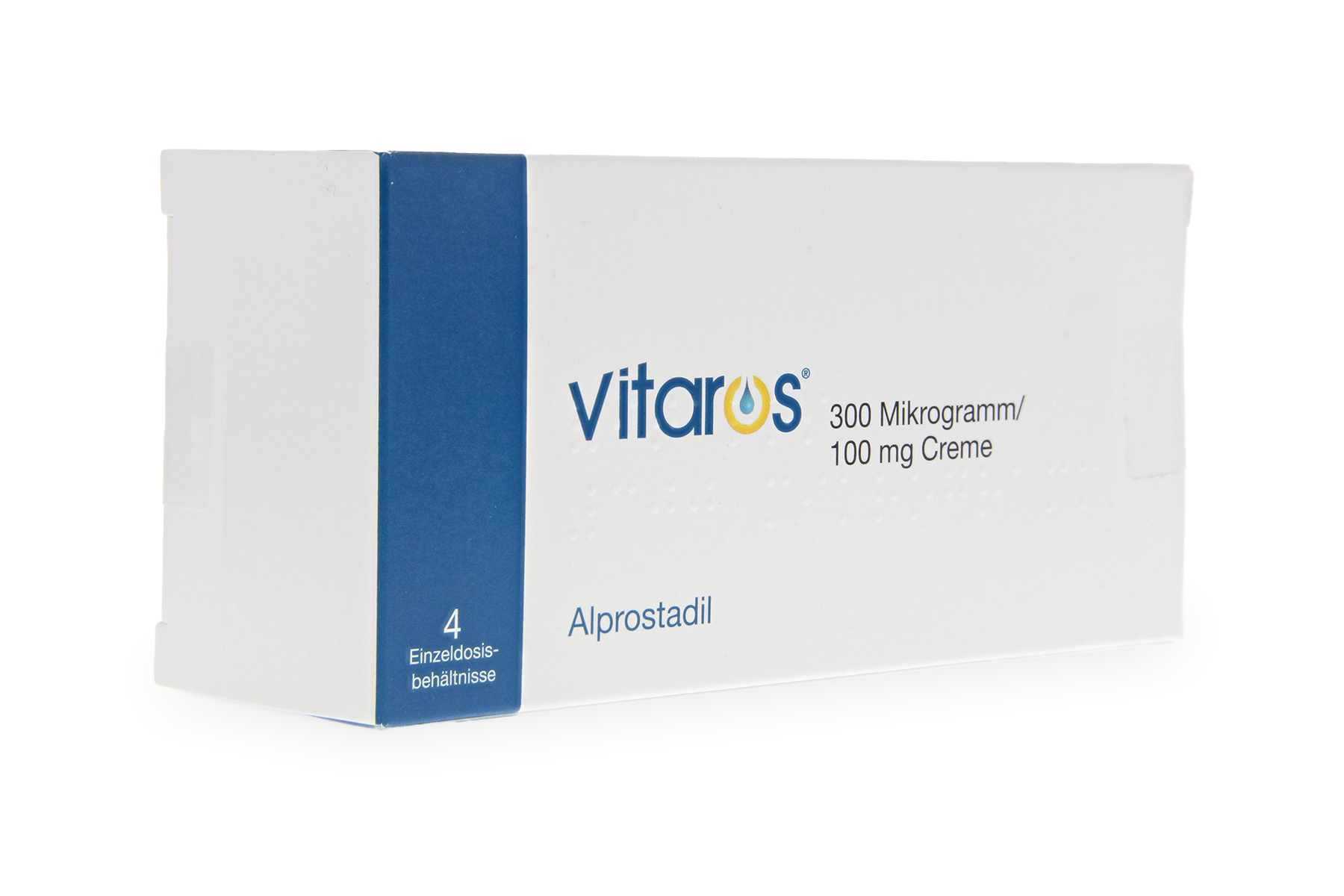
Vitaros
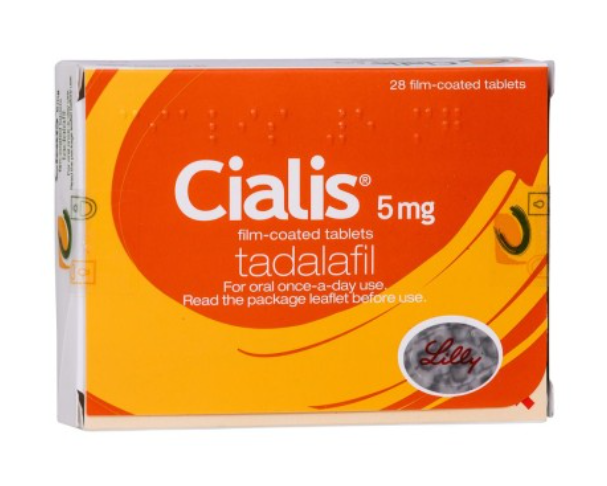
Cialis Daily
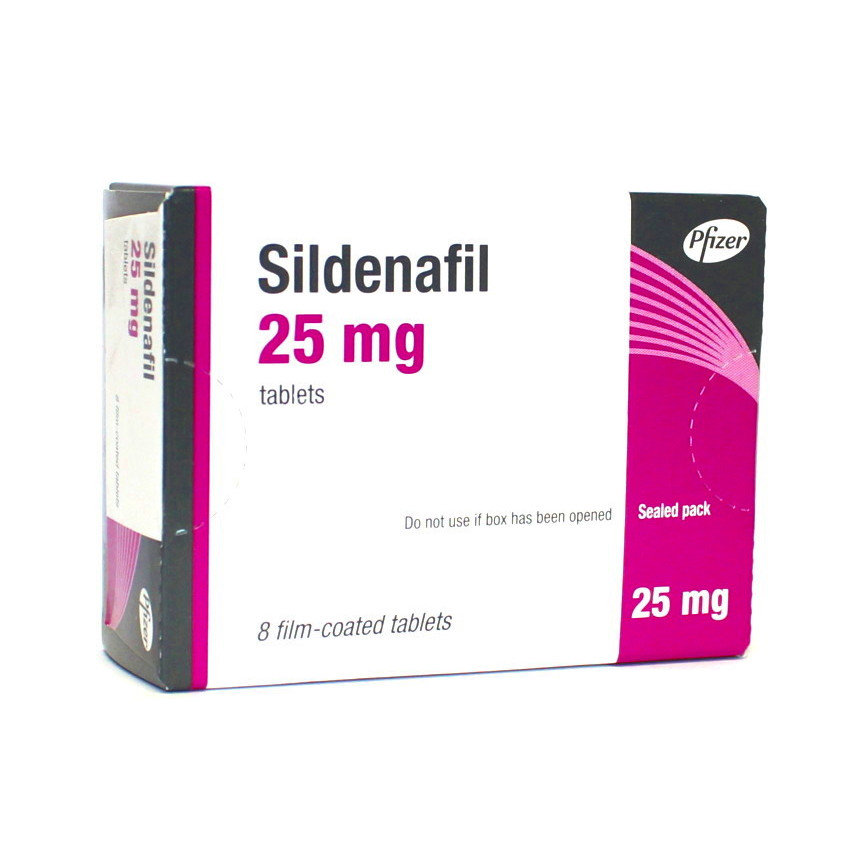
Sildenafil (Pfizer)
About Erectile Dysfunction
Clinical Overview of Erectile Dysfunction
Erectile dysfunction (ED) means you cannot get or keep an erection firm enough for sex, and this keeps happening. It affects about 30% of men aged 40-70 in the UK. The rate rises sharply after 50.
ED is more than a nuisance. It often points to a hidden problem with the heart and blood vessels, the way the body handles sugar and fat, or hormones.
Vascular causes explain about 70% of ED that has a physical cause.
Atherosclerosis (fatty build-up that narrows arteries) blocks the small arteries in the penis, just as it blocks the arteries to the heart.
Research in the European Heart Journal shows that ED comes before a heart problem by 3-5 years on average. So early checks matter.
Nerve-related causes include diabetic nerve damage, multiple sclerosis, and spinal cord injury. Each one harms the nerves needed for an erection.
Hormone causes such as low testosterone (a blood level below 8 nmol/L) lower sex drive. They can also weaken erections even when blood flow is fine.
Mental factors like performance anxiety, depression, and relationship stress play a part in about 20% of cases. They often go hand in hand with physical causes.
A careful history tells apart ED from the mind and ED from the body, and this shapes the treatment.
Things that make ED more likely include:
- Smoking (doubles the risk compared with non-smokers)
- Obesity (a BMI above 30 raises the risk by 50%)
- Poorly controlled diabetes (an HbA1c above 64 mmol/mol)
- A sedentary life with fewer than 150 minutes of exercise a week
- Drinking more than 14 units of alcohol a week
PDE5 Inhibitor Treatments Explained
Phosphodiesterase type 5 inhibitors (PDE5 inhibitors) are the first medicines to try for ED. NICE, the European Association of Urology, and the British Society for Sexual Medicine all recommend them.
They block an enzyme that breaks down cyclic GMP in the muscle of the penis. This keeps blood vessels open longer and helps an erection form when you are aroused.
Sildenafil (Viagra) is the most common choice. The usual dose is 25 mg to 100 mg, taken 30-60 minutes before sex. It usually starts to work within 30 minutes and lasts 4-6 hours.
In trials, the 100 mg dose worked in 82% of men. A fatty meal can slow it down by up to one hour.
Tadalafil (Cialis) stays in the body much longer, with a half-life of 17.5 hours. This gives a window of up to 36 hours. The dose ranges from 2.5 mg daily to 20 mg taken when needed.
The 5 mg daily dose suits men who want to be spontaneous and not plan around a tablet. Food does not affect tadalafil.
Vardenafil (Levitra) and avanafil (Spedra) sit in between. Avanafil acts the fastest, at about 15 minutes, and is the least affected by food.
You must never take any PDE5 inhibitor with nitrate medicines (such as GTN spray or isosorbide mononitrate). Together they can cause a dangerous drop in blood pressure.
Take care too with alpha-blockers, some blood pressure medicines, and strong CYP3A4 inhibitors such as ketoconazole.
The MHRA requires prescribers to check for these interactions before they prescribe.
Common side effects include:
- Headache (reported by 12-16% of patients)
- Facial flushing (about 10%)
- Blocked nose (3-5%)
- Indigestion (4-7%)
- A blue tint to vision with sildenafil (under 2%)
How the Online Consultation Works
Getting ED treatment through Dr. Presc follows a clear, GMC-compliant clinical path. It works much like a face-to-face GP visit. You start with a checked medical questionnaire.
It asks about your symptoms, your heart risk factors, your current medicines, and relevant lifestyle details.
A UK-registered prescriber reads every answer one by one. This is not an automatic tick-box system.
The clinician checks your heart health, looks for reasons you should not take the medicine, and decides if you need further tests first.
These may include blood tests for testosterone, HbA1c, or a lipid profile.
If the treatment is right for you, the prescriber issues a prescription. A GPhC-registered pharmacy then dispenses it.
Medicines arrive in plain, unmarked packaging, with tracked delivery options that include next-day service.
Safety steps built into the process include:
- You must tell us about nitrate use and any recent heart problems
- The system flags drug interactions automatically
- Follow-up consultations are free if the first treatment does not work
- We refuse to prescribe when you do not meet the clinical criteria, and we advise you to see your GP
The consultation is confidential and follows UK data protection rules. With your consent, we can tell your GP about the prescription. We recommend this so your care joins up.
If you have not had a heart check in the past 12 months, please arrange one through your NHS practice.
Every prescription has a clinical review date. Repeat orders trigger a quick reassessment. This makes sure the treatment still suits you and that you can cope with any side effects.
Lifestyle Modifications That Improve Erectile Function
Medicines work best alongside lifestyle changes backed by evidence.
A key study in the Journal of Sexual Medicine showed that intensive lifestyle change improved erectile function scores by 30% over two years. This worked on its own, without medicine.
Exercise is the single most powerful change you can make. Aerobic activity such as brisk walking, cycling, or swimming for 150-200 minutes a week improves the health of your blood vessel lining.
This lining drives normal erections. A review of 10 trials found that exercise alone raised IIEF scores by 5 points on average. That is similar to a low dose of a PDE5 inhibitor.
What you eat matters a lot. The Mediterranean diet is rich in olive oil, oily fish, nuts, and vegetables. It was linked to a 40% lower ED risk in a study of over 21,000 men.
Ultra-processed foods, high in refined carbs and trans fats, do the opposite and harm blood vessels.
Managing your weight directly affects testosterone. Losing 5-10% of your body weight can raise testosterone by 2-3 nmol/L in men who are overweight.
That is often enough to move a borderline-low level back to normal.
Other evidence-based steps:
- Stop smoking. Blood vessels start to improve within 2-4 weeks of quitting
- Keep alcohol under 14 units a week. More than 4 units in one go harms erection quality
- Aim for 7-9 hours of sleep. Long-term poor sleep can cut testosterone by up to 15%
- Tackle mental factors through CBT or psychosexual therapy, which NICE backs alongside medicine
Pelvic floor exercises (Kegels) also show a modest benefit in men with venous leak. They strengthen the ischiocavernosus and bulbospongiosus muscles, which keep the penis firm during an erection.
When to Seek Urgent Medical Advice
Most ED responds well to first-line treatment. But some signs need prompt medical care rather than online treatment.
ED that starts suddenly in a man who had no trouble before may point to an acute vascular event or a side effect of a medicine.
Beta-blockers, thiazide diuretics, SSRIs, and spironolactone are among the most common culprits. A medicine review with your GP can often find the cause.
ED with chest pain, breathlessness, or leg cramps when walking needs an urgent heart check. The arteries in the penis are about half the width of the heart arteries.
So ED can be the earliest sign of widespread atherosclerosis.
Other warning signs include:
- Priapism, an erection that lasts over 4 hours. This is an emergency. Go to A&E at once
- Signs of Peyronie's disease, such as a bent penis, hard lumps, or pain during an erection
- A major mood change, thoughts of suicide, or a serious relationship breakdown
- Signs of low testosterone: tiredness, less body hair, breast tissue growth, or low sex drive
- No response to two different PDE5 inhibitors at the highest dose after a fair trial
Men over 40 with new ED should have baseline tests. These include fasting glucose, a lipid profile, and a morning testosterone test.
The QRISK3 calculator gives a 10-year heart risk score that guides preventive treatment.
If you have a known heart condition, have had a stroke or TIA within the past 6 months, or take nitrate medicines, you must speak to your cardiologist or GP before you use any ED treatment.
This is a strict safety rule under MHRA prescribing guidance.
Frequently Asked Questions
How quickly do ED tablets start working?
Can I take ED medication with blood pressure tablets?
What is the difference between sildenafil and tadalafil?
Are there long-term side effects of PDE5 inhibitors?
Will my GP know I ordered ED treatment online?
What if the first ED tablet does not work for me?
The medical information on this site is provided for educational purposes. It does not replace a face-to-face consultation with your GP or specialist. Always follow the advice of your prescribing doctor and read the patient information leaflet supplied with your medication.